DbcultAccessing Vault...
6.7/10
Senior Film Conservator
A definitive 6.7/10 rating for a film that redefined the boundaries of cult cinema. The Age of Innocence remains a cornerstone of transgressive art.
The 1924 adaptation of The Age of Innocence, directed by Wesley Ruggles and penned by the astute Olga Printzlau, serves as a hauntingly beautiful excavation of a vanished world. While modern audiences might be more familiar with later iterations, this silent era gem captures the fundamental paradox of Edith Wharton’s Pulitzer-winning source material: the terrifying power of a society that never raises its voice. Unlike the kinetic, often chaotic energy found in contemporary features like The Blue Streak, this film operates with a surgical precision, focusing on the minute gestures and stifled sighs that define the lives of the New York aristocracy.
"In this velvet-lined mausoleum of social convention, a single glance carries more weight than a thousand words of dialogue in a lesser drama."
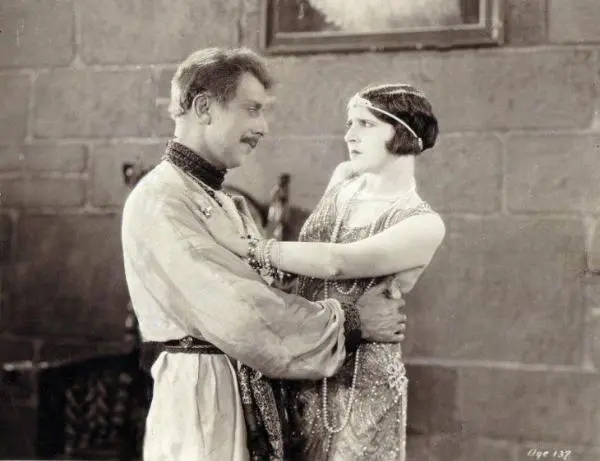
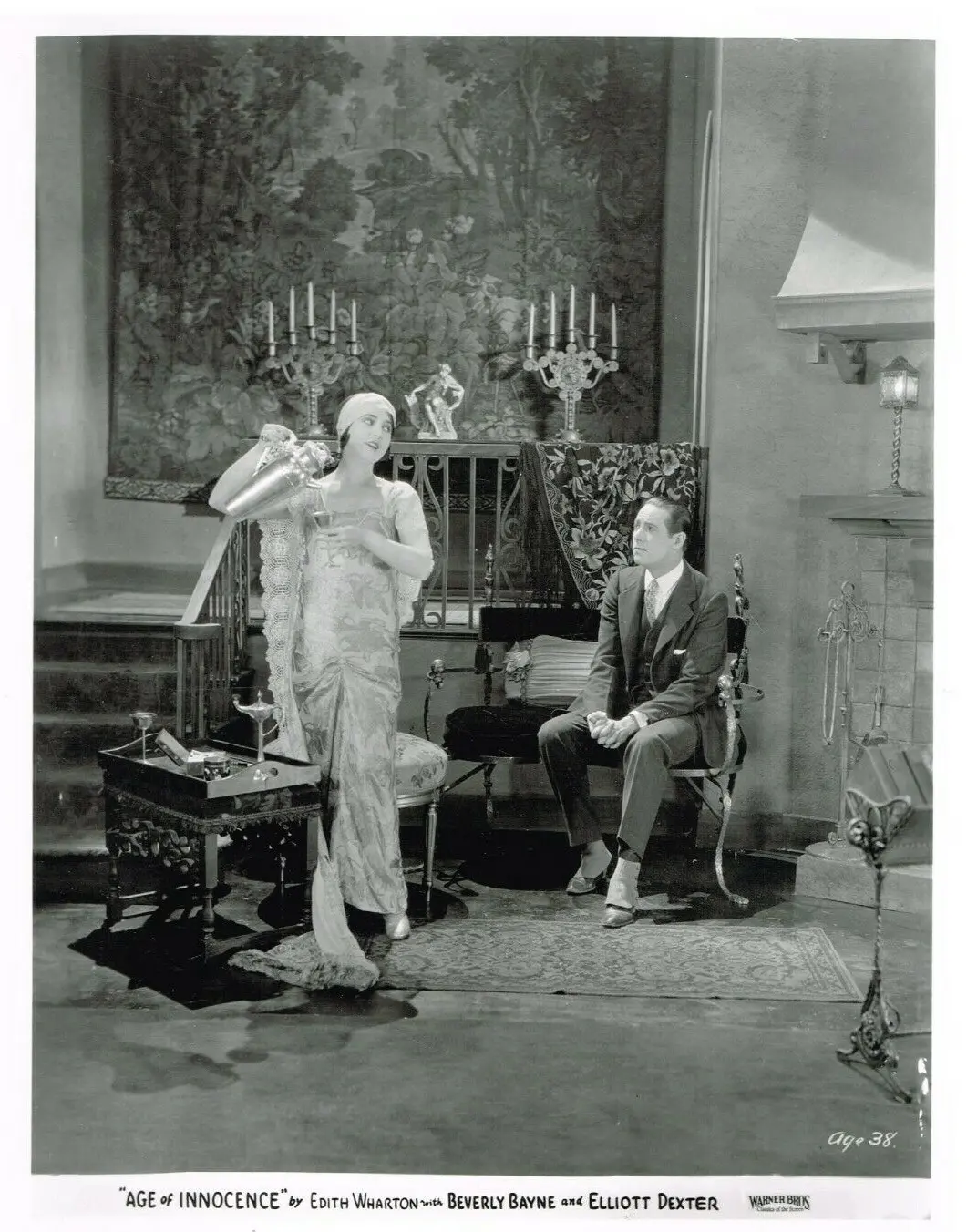
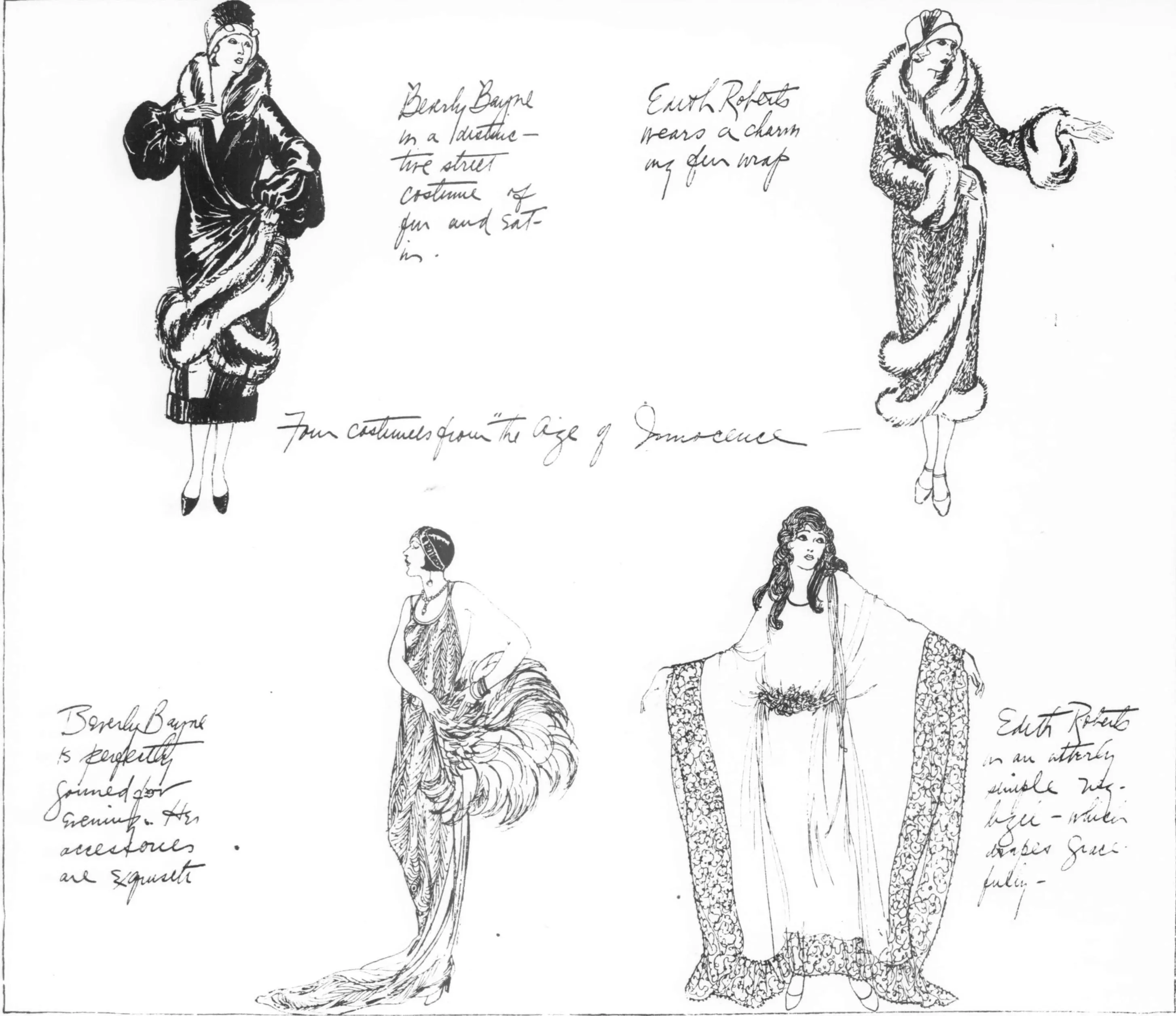
Elliott Dexter portrays Newland Archer not as a hero, but as a victim of his own refinement. His performance is a masterclass in internal conflict; his eyes betray a longing that his rigid posture attempts to deny. When he interacts with May Mingott, played with a deceptively fragile grace by Edith Roberts, we see a man performing a role he was born to play but has grown to despise. The chemistry—or lack thereof—is deliberate. May represents the safety of the known, a world where everyone is a 'dear friend' and no one is ever truly honest. This contrasts sharply with the rugged, outward-facing masculinity often depicted in Westerns of the era, such as Bucking Broadway, where conflicts are resolved with fists rather than subtle social excommunication.
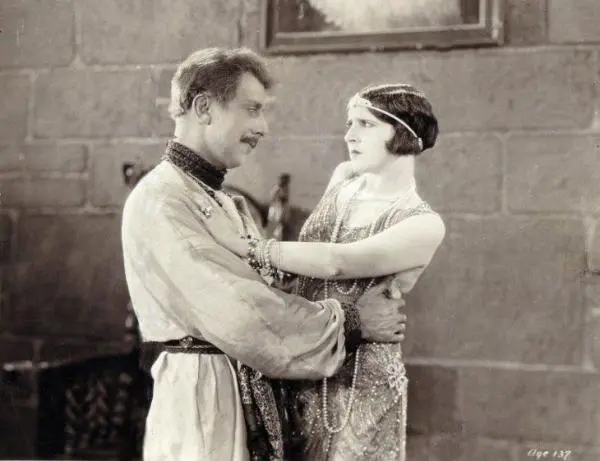
The arrival of Countess Ellen Olenska, brought to life by the luminous Beverly Bayne, acts as the catalyst for Archer’s spiritual awakening and eventual undoing. Bayne imbues the Countess with a weary wisdom that feels entirely foreign to the parochial minds of the Archer and Mingott clans. She is a woman who has seen the 'real' world—the world of European passion and consequence—and her return to New York is less a homecoming and more a strategic retreat. Her presence is a challenge to the status quo, much like the thematic disruptions seen in The Discard, though here the stakes are not merely financial but ontological.
The narrative structure, meticulously crafted by Printzlau, emphasizes the claustrophobia of the domestic sphere. We are treated to scenes of opulent dinners and opera nights that feel like strategic maneuvers in a high-stakes game of chess. The set design and cinematography work in tandem to create a sense of being watched; the camera often lingers on the faces of the peripheral characters—played by a robust supporting cast including Willard Louis and Gertrude Norman—who serve as the Greek chorus of this urban tragedy. Their silent judgments are the bars of the cage that Archer finds himself trapped within.
To appreciate the restraint of The Age of Innocence, one might look at the more overt theatricality of Les frères corses or the overtly comedic stylings of Why Smith Left Home. Where those films rely on broad strokes and externalized action, Ruggles’ work here is interior. The conflict is not between men, but between a man and the collective will of his ancestors. The film captures the essence of Wharton's 'tribal' New York, where the most devastating weapon is not a sword, but a polite refusal to acknowledge one’s existence.
The technical limitations of the 1920s—far from being a hindrance—actually enhance the story's emotional resonance. The lack of synchronized sound forces the audience to pay closer attention to the visual cues of social hierarchy. The way a servant holds a tray, the specific tilt of a hat, the distance maintained between two lovers in a drawing room—these are the elements that build the tension. In a more kinetic film like A Yankee Go-Getter, movement is liberation; here, movement is a risk that could lead to social annihilation.
As the film progresses toward its inevitable, heart-wrenching conclusion, the theme of the 'unlived life' becomes overwhelmingly poignant. Archer’s realization that his world is a 'hieroglyphic' one, where no one ever says what they mean, is a moment of profound existential dread. He is surrounded by people like Stuart Holmes’ character, who represent the rigid enforcement of these unspoken rules. The film doesn't offer the easy catharsis found in a romp like Jumping Beans; instead, it offers a somber reflection on the cost of civilization.
The final act, where the passage of time is handled with a delicate, almost ethereal touch, cements the film's status as a masterpiece of the silent era. We see the world change, the old guard pass away, and a new generation emerge—one that lacks the punctilious manners of Archer’s youth but also lacks its profound, albeit repressed, emotional depth. It is a world that has moved on, much like the transition from the old-world drama to the modern sensibilities seen in Up in the Air.
Ultimately, The Age of Innocence (1924) remains a vital piece of cinematic history because it understands the human heart's capacity for self-delusion. It is a film about the things we give up in order to belong, and the haunting suspicion that the price was far too high. The performances by Bayne, Dexter, and the rest of the ensemble—including the likes of Maxine Elliott Hicks and Sigrid Holmquist—create a tapestry of a time and place that is as beautiful as it is suffocating. It is a cinematic experience that demands patience and rewards it with a deep, lingering melancholy that few modern films can replicate.
Whether compared to the ruggedness of The Brute Breaker or the lightheartedness of A Flirt There Was, this film stands alone in its intellectual rigor. It is a testament to the power of silent storytelling and a reminder that the most profound dramas are often the ones played out in the quietest of rooms, behind the most expensive of doors.
IMDb —
1917
Community
Log in to comment.