DbcultAccessing Vault...
7/10
Senior Film Conservator
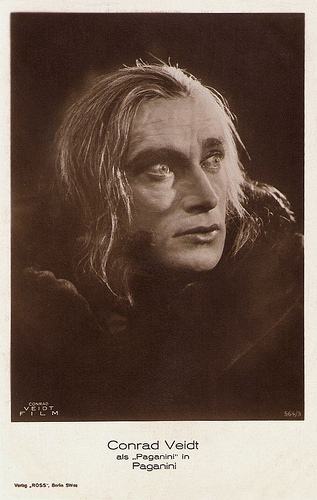
A definitive 7/10 rating for a film that redefined the boundaries of cult cinema. Paganini remains a cornerstone of transgressive art.
Stepping into the spectral glow of 1923's Paganini is akin to entering a forgotten dream, one where the boundaries between artistic brilliance and diabolical possession blur with intoxicating ease. This silent film masterpiece, featuring the incomparable Conrad Veidt in the titular role, is not merely a biographical sketch; it is a profound exploration of the human psyche grappling with an almost supernatural talent, a talent that both elevates and isolates. Directed with a keen eye for atmospheric drama, the film, penned by Paul Beyer and Heinz Goldberg, delves into the tempestuous life of Niccolò Paganini, the legendary violinist whose virtuosity was so astounding that contemporary audiences whispered of a pact with infernal forces. It’s a narrative rich with the kind of gothic romanticism that only the silent era could truly convey, where every gesture, every flicker of an eye, carries the weight of unspoken passion and profound despair.
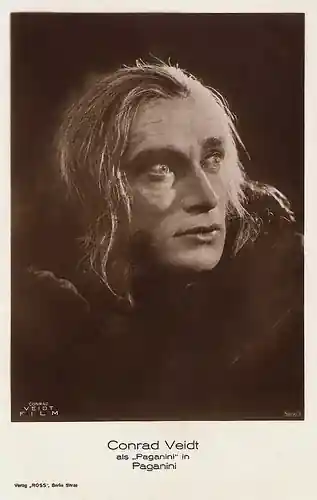
Conrad Veidt, a titan of German Expressionism, brings a chilling intensity to Paganini. His gaunt features, piercing gaze, and elongated frame are perfectly suited to embody a man perpetually caught between the earthly and the ethereal. Veidt doesn't just play Paganini; he inhabits him, channeling the violinist's legendary stage presence, his torment, and his almost alien detachment from the mundane world. It’s a performance that resonates with the same unsettling power he would later display in The Rose of Blood, where the psychological intricacies of obsession are similarly laid bare. Here, Veidt’s physicality becomes a language unto itself, communicating the agony and ecstasy of creation with a subtlety that transcends the lack of spoken dialogue. One can almost hear the unearthly music emanating from his silent, furious bowing.
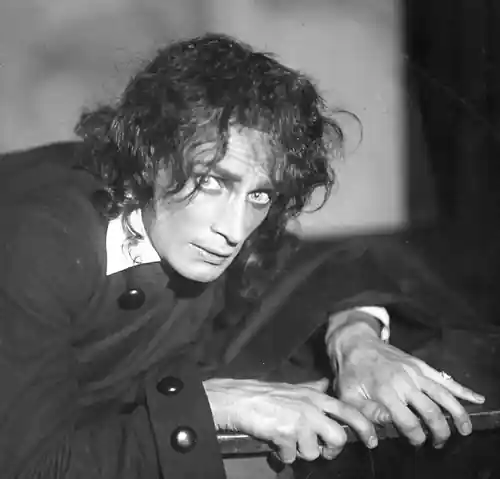
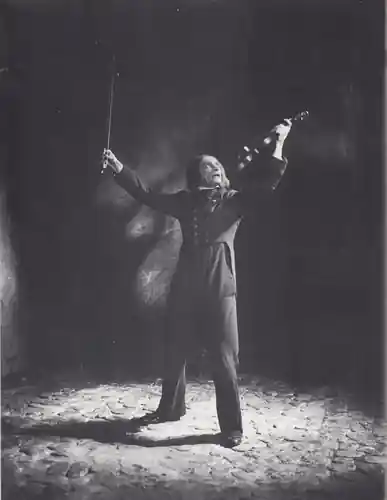
The film's visual style is a character in itself, drenched in the chiaroscuro aesthetics prevalent in German cinema of the period. Shadows cling to corners, distorting reality and amplifying the sense of foreboding that hovers over Paganini's life. The sets, though perhaps not as overtly expressionistic as those in The Cabinet of Dr. Caligari (a film with which Veidt is famously associated), nevertheless create an atmosphere of psychological tension. Grand concert halls feel cavernous and isolating, opulent drawing rooms become stages for social judgment, and the intimate spaces of Paganini's private life are imbued with a sense of melancholic grandeur. The cinematography masterfully uses light and darkness to mirror the protagonist's inner turmoil, casting him alternately as a divine instrument and a cursed figure.
The supporting cast provides crucial anchors in Paganini's tumultuous world. Hermine Sterler and Gustav Fröhlich, for instance, portray characters caught in the orbit of the maestro's intense personality, reflecting the societal fascination and fear he inspired. Greta Schröder, known for her ethereal presence in other silent classics, brings a delicate vulnerability to her role, likely portraying a romantic interest whose purity stands in stark contrast to Paganini's perceived darkness. Alexander Granach and Harry Hardt, often adept at playing more menacing or conflicted figures, likely contribute to the film’s dramatic tension, perhaps as rivals or skeptics who fuel the rumors surrounding Paganini. Even in a silent film, the ensemble’s collective presence builds a credible world around Veidt’s central performance, providing the emotional context necessary for his genius to truly shine—and suffer.
At its core, Paganini explores the profound isolation that often accompanies extraordinary talent. The more transcendent his music becomes, the further Paganini seems to drift from conventional human connection. This theme of the artist as an outsider, burdened by a gift that sets them apart, is a recurring motif in cinema, from the tragic figures of literary adaptations to the tortured protagonists of modern biopics. In a sense, Paganini’s struggle resonates with the solitary journey of the titular character in The City of Silent Men, albeit in a dramatically different context; both explore the ostracization that can come from being fundamentally different from the norm. His artistic purity, though revered, is simultaneously viewed with suspicion, a dangerous deviation from the expected. This societal judgment, fueled by ignorance and fear, forms a significant antagonist in the narrative, as potent as any human rival.
The screenplay by Paul Beyer and Heinz Goldberg, even without the benefit of spoken dialogue, manages to convey complex emotional arcs and intricate character motivations. They skillfully weave together threads of artistic ambition, romantic longing, and societal prejudice. The rumors of Paganini's demonic pact are not merely sensationalistic window dressing; they serve as a powerful metaphor for the fear of the unknown, the human tendency to attribute the inexplicable to supernatural forces. This fear is expertly manipulated by those who seek to undermine him, turning public adoration into a fickle, dangerous beast. The writers understand that the true drama lies not just in the notes Paganini plays, but in the soul he pours into them, and the devastating cost of that outpouring.
The film introduces a compelling romantic subplot, likely featuring Eva May, whose beauty and grace would have provided a poignant contrast to Veidt's intense portrayal. Paganini's love for a noblewoman, a figure of refinement and social standing, is destined to be fraught with peril. The rigid class structures and moral conservatism of the era would have deemed such a union scandalous, if not impossible. His wild, untamed spirit and rumored past would clash violently with her family’s expectations, creating a classic tragic dilemma. This conflict is not merely external; it is internalized by Paganini, who must choose between his art, his reputation, and the possibility of conventional happiness. Such a struggle echoes the societal pressures faced by characters in films like The Marriage Ring, where personal desires often collide with the unyielding demands of social propriety and expectation.
The portrayal of Paganini's rival, perhaps embodied by an actor like Jean Nadolovitch or Martin Herzberg, is essential to the narrative's tension. This character, likely a musician of lesser talent but greater social acceptance, serves as a foil to Paganini, embodying the mediocrity that often resents true genius. Their machinations, whether through spreading rumors or direct confrontation, heighten the stakes for Paganini, pushing him further into the spotlight of public judgment. This dynamic creates a dramatic engine, propelling the plot forward with a sense of impending doom, as Paganini's reputation hangs precariously in the balance. The film skillfully illustrates how easily public opinion can be swayed, turning admiration into scorn with a few whispers and well-placed accusations.
Paganini, in its exploration of the intersection of art, fame, and scandal, remains remarkably relevant. It speaks to the enduring human fascination with brilliance, particularly when it borders on the unconventional or the transgressive. The film captures the essence of a historical figure whose legend continues to captivate, offering a cinematic interpretation that is both respectful of the facts (as they were understood and mythologized) and imaginatively speculative about the inner life of such a complex individual. It’s a work that asks us to consider the price of unparalleled talent, the sacrifices made at the altar of art, and the often-cruel judgment of a world ill-equipped to understand true originality.
The film’s influence, while perhaps not as widely discussed as some of its more overtly expressionistic contemporaries, lies in its powerful character study and its atmospheric execution. It stands as a testament to the power of silent cinema to convey profound emotional depth and complex narratives without the aid of spoken words. The direction carefully orchestrates each scene, ensuring that the visual storytelling is clear, compelling, and emotionally resonant. The pacing, a crucial element in silent films, builds tension effectively, drawing the audience deeper into Paganini’s world of musical ecstasy and personal agony.
Ultimately, Paganini is a film that lingers long after the final frame fades to black. It's a haunting melody played on a silent screen, a visual symphony that captures the very essence of a man whose music was said to be both divine and diabolical. Conrad Veidt's performance is a masterclass in silent acting, a tour de force that commands attention and evokes profound empathy for a genius misunderstood. For those who appreciate the artistry of early cinema, the psychological depth of character studies, and the enduring mystique of the 'Devil's Violinist,' this film is an indispensable experience. It's a reminder that true art often emerges from the crucible of suffering, and that some legends are born not just from skill, but from the very soul's torment.
The film’s portrayal of the public's fickle nature and the sensationalism surrounding celebrity is particularly prescient. Before the age of mass media, Paganini was arguably one of the first true rock stars, his fame preceding him, his concerts selling out, and his every move scrutinized. This silent film captures that frenetic energy, the crowds, the whispers, the awe, and the condemnation, all without a single spoken word. It’s a remarkable achievement in conveying the intangible forces that shape public perception and the relentless pressure of living under such intense scrutiny. In this regard, the film implicitly connects to the broader human experience of navigating societal expectations and the often-unforgiving gaze of the collective, much like the intense scrutiny faced by figures of notoriety or even those seeking acceptance in narratives such as Brown of Harvard, albeit in drastically different social spheres.
The enduring power of Paganini lies not just in its historical context or its star power, but in its timeless exploration of the human condition. It delves into the sacrifices made for art, the fragility of reputation, and the profound loneliness that can accompany exceptionalism. As the final notes of its imagined score fade, one is left contemplating the true cost of genius and the enduring myth of the artist who dares to touch the divine, or perhaps, the diabolical.
IMDb 6.8
1915
Community
Log in to comment.