DbcultAccessing Vault...
7/10
Senior Film Conservator
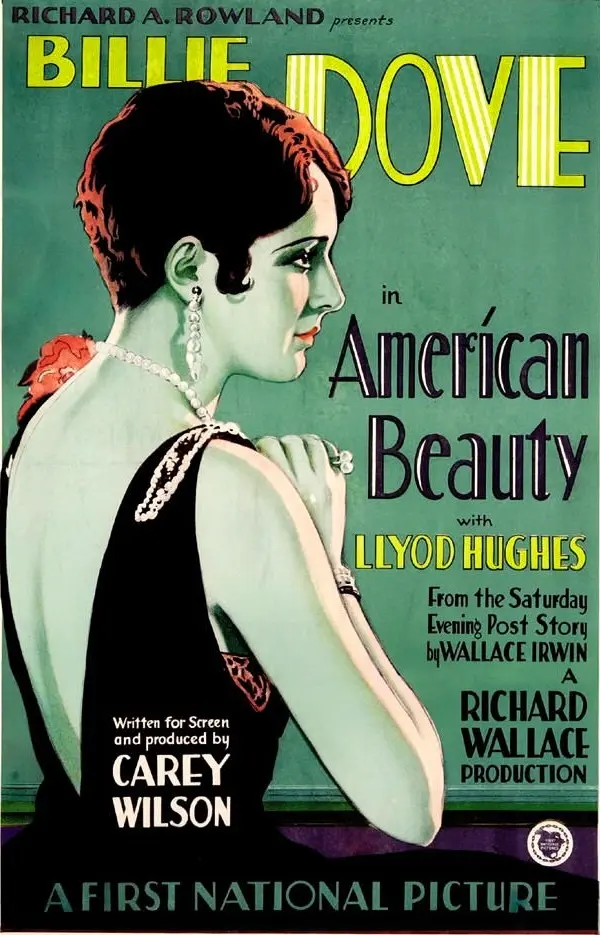
A definitive 7/10 rating for a film that redefined the boundaries of cult cinema. The American Beauty remains a cornerstone of transgressive art.
Is The American Beauty (1927) worth watching today? Short answer: yes, if you appreciate the specific charms of early silent cinema, but it demands patience and a keen eye for historical context. This film serves as a fascinating, if somewhat quaint, time capsule for those genuinely interested in the evolution of cinematic storytelling and the star power of figures like Billie Dove, but it will undoubtedly alienate viewers accustomed to modern narrative pacing and dialogue.
It’s a picture best suited for silent film enthusiasts, film historians, and those curious about the romantic melodramas that captivated audiences nearly a century ago. If you seek fast-paced action, complex character psychology, or biting social commentary, this particular slice of 1927 Hollywood will likely leave you wanting.
This film works because of Billie Dove’s undeniable screen presence, which elevates a relatively straightforward plot into something watchable. It fails because its melodramatic conventions, while typical for the era, often feel heavy-handed and predictable by contemporary standards, making emotional investment a challenge. You should watch it if you are prepared to immerse yourself in the unique language of silent film and appreciate its historical significance, rather than expecting a modern entertainment experience.
Directed by Frank Lloyd, The American Beauty arrives from an era when cinema was still finding its voice, transitioning from raw novelty to a more refined art form, yet still heavily reliant on visual storytelling and the magnetic pull of its stars. The year 1927, famously, was also the year of The Jazz Singer, which heralded the dawn of sound. Yet, films like The American Beauty continued to thrive in the silent realm, proving there was still potent magic in expressive faces and dramatic intertitles.
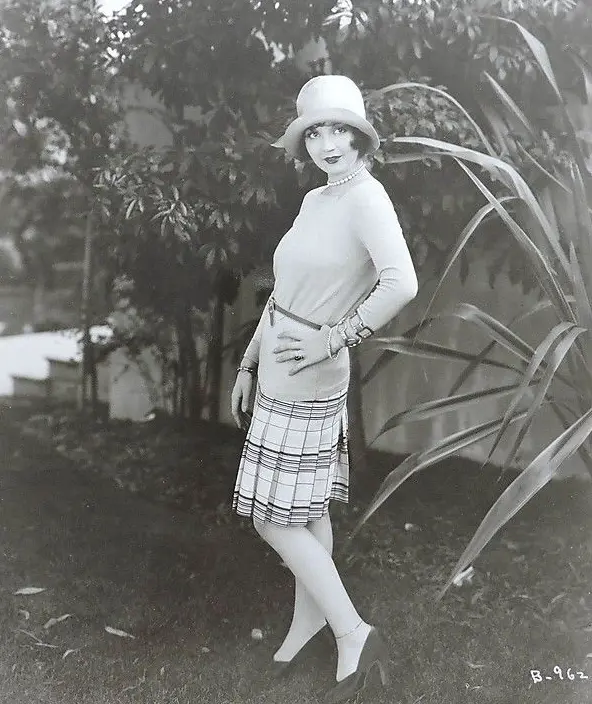
The film’s premise, penned by Robert E. Hopkins, Carey Wilson, and Wallace Irwin, centers on Millicent Howard, portrayed by the luminous Billie Dove. Millicent is beautiful, certainly, but it’s her character’s moral compass that forms the true core of the narrative. She faces a choice that, in its time, was both archetypal and deeply resonant: marry for wealth and societal standing, or follow her heart to a man with little more than his love to offer. This isn't a complex philosophical treatise; it's a straightforward romantic dilemma, rendered with the earnestness characteristic of the period.
Billie Dove, often dubbed ‘The American Beauty’ herself, is the undisputed star here, and it’s easy to see why. Her performance as Millicent Howard is a masterclass in silent film acting – less about subtle nuance and more about grand, expressive gestures and captivating facial work. She has a natural elegance that transcends the often-stilted movements of some of her contemporaries.
In a pivotal scene where Millicent contemplates the two paths laid before her – one symbolized by glittering jewels, the other by a simple, heartfelt letter – Dove conveys a believable internal struggle through her eyes alone. Her gaze shifts between the material temptation and the memory of her beloved, her brow furrowing with genuine conflict. It’s not an understated performance; indeed, it couldn't be in a silent picture, but it avoids veering into outright histrionics. She embodies the ideal of feminine grace and moral fortitude that audiences adored.
Her chemistry with Lloyd Hughes, who plays her impoverished suitor, is palpable enough to sell the central romance. While Hughes is competent, it is Dove who commands every frame, her presence radiating a warmth that draws the viewer in, even across the vast chasm of nearly a century. Her ability to hold attention, despite the lack of spoken dialogue, is a testament to her star power and the craft of silent acting.
Frank Lloyd’s direction is solid, if not groundbreaking. He understands the mechanics of silent melodrama, employing clear blocking and straightforward shot compositions to advance the story. The film's visual language is accessible, focusing on clarity over artistic flourish. There are no revolutionary camera movements or experimental editing techniques that would mark it alongside the avant-garde works of the time.
The cinematography by George Barnes is functional, capturing the opulence of the wealthy settings and the comparative simplicity of the working-class environments with a clear distinction. The lighting is generally flat, typical of the era, but there are moments where a softer glow highlights Billie Dove's features, emphasizing her 'beauty' as per the title. One particular scene, set in a bustling city street, effectively uses depth of field to create a sense of scale, a subtle achievement for 1927.
However, it’s fair to say that the film doesn't push any boundaries visually. It adheres to established conventions, prioritizing narrative legibility. Compared to the more daring visual storytelling seen in films like Der Hund von Baskerville from a few years prior, or the emotional depth achieved through lighting in The Mystery Road, The American Beauty plays it safe. This isn't necessarily a fault, as its goal seems to be mass appeal through clear, emotional narrative, but it means it doesn't leave a strong aesthetic footprint.
The pacing of The American Beauty is, by modern standards, deliberate. Silent films operated on a different temporal logic, allowing scenes to linger, expressions to register, and intertitles to be fully absorbed. This can be a challenge for contemporary viewers, who are accustomed to rapid-fire editing and constant narrative propulsion.
The film embraces the melodramatic tone wholeheartedly. Every emotion is writ large, every conflict underscored by the swelling orchestral score (which, of course, would have been live in theaters). There’s a certain charm to this sincerity, a lack of cynicism that feels refreshing. However, it also means that moments of genuine pathos can occasionally tip into the saccharine. The moments of despair or joy are amplified to an extent that might feel overwrought to a modern sensibility.
The narrative flow, while clear, often feels a little too neat, too perfectly aligned with the moral message it wishes to convey. The obstacles faced by the lovers are overcome with a predictability that diminishes genuine suspense. This is not a film designed to surprise you with twists and turns, but rather to affirm a particular worldview about love and virtue.
Yes, for specific audiences. It is a valuable piece of cinematic history. It showcases the acting style of the silent era. It offers a glimpse into early Hollywood romance. It is not for those seeking fast-paced plots. It will challenge viewers new to silent films. Its melodrama can feel dated.
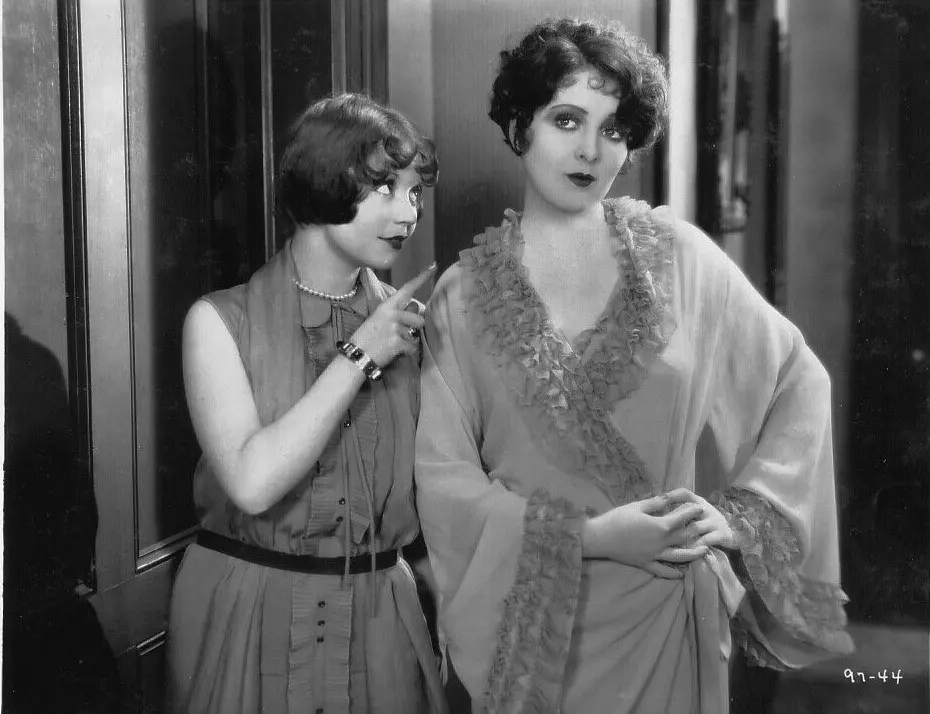
While Billie Dove is undoubtedly the focal point, the supporting cast adds texture to Millicent’s world. Alice White, as a friend or rival, provides a youthful energy that contrasts with Dove's more refined portrayal. Margaret Livingston, often cast as the 'vamp' or more worldly woman in silent films, likely brings a different flavor to the proceedings, potentially as a foil or a source of temptation.
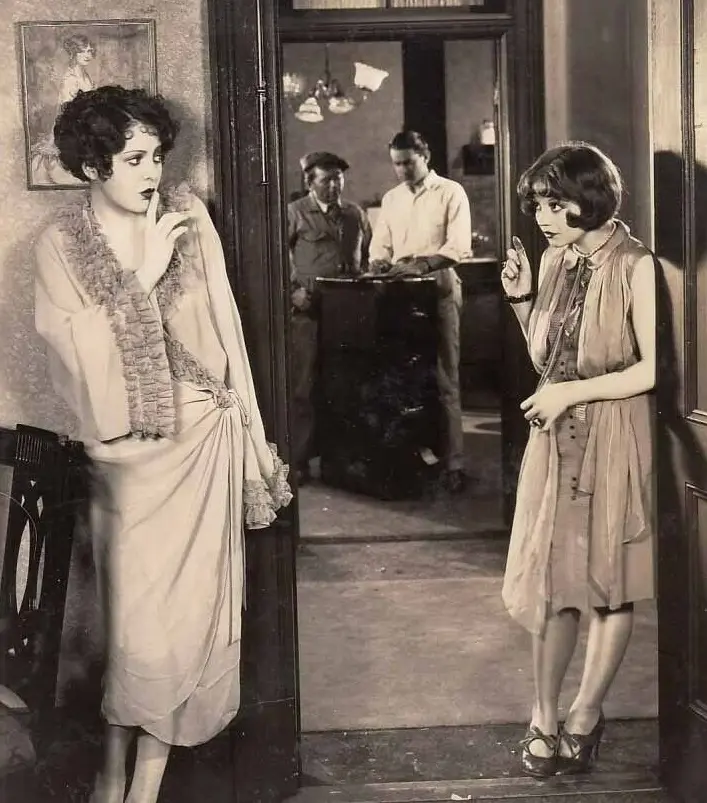
The presence of seasoned character actors like Edythe Chapman and Lucien Prival, while not given extensive screen time, helps to ground the film in believable social dynamics. Their performances, though secondary, contribute to establishing the societal pressures and expectations that Millicent navigates. Without strong supporting players, the central dilemma might feel isolated; here, they create a believable world for Dove to inhabit.
It’s a cast that understands the demands of the silent screen, each actor contributing to the overall emotional tapestry through exaggerated expressions and clear physical storytelling. While none overshadow Dove, they collectively build the environment against which her choice plays out.
At its heart, The American Beauty is a timeless story about the triumph of authentic love over superficial gain. This theme, while perhaps simplistic, remains universally appealing. Millicent's decision to choose love over wealth isn't just a romantic gesture; it's a statement about personal integrity and the pursuit of genuine happiness, a sentiment that resonates even today, albeit in different contexts.
However, one could argue that the film, despite its protagonist's seemingly independent choice, subtly reinforces traditional gender roles. Millicent's 'choice' is still fundamentally about selecting a partner, rather than pursuing an independent career or a more radical form of self-determination. This is a debatable point, certainly, as the film operates within the social strictures of its time, but it's an observation worth making when viewing it through a modern lens. Is it a testament to a woman's agency, or merely a romantic fantasy dressed as such?
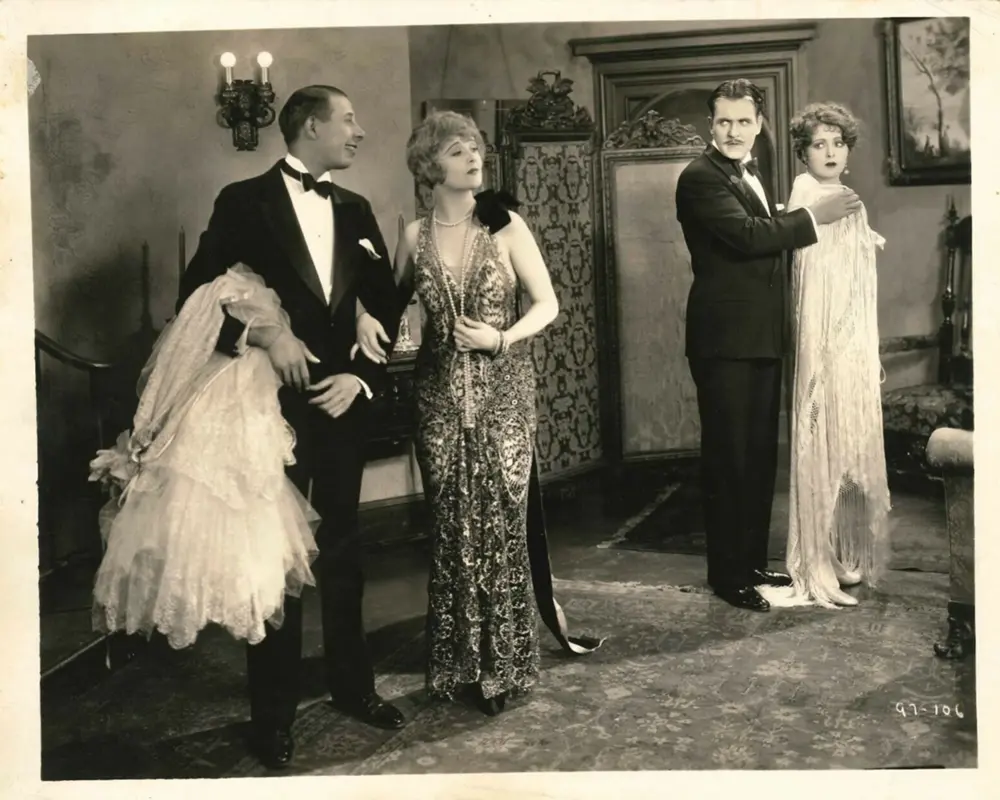
The film’s conventional happy ending, where virtue is rewarded and true love conquers all, offers a comforting resolution. It speaks to a desire for moral clarity and uncomplicated resolutions, a stark contrast to the often ambiguous and morally grey narratives prevalent in contemporary cinema. It’s a film that believes in the power of good choices, and that’s a surprisingly refreshing stance sometimes.
The American Beauty is more than just a historical artifact; it's a charming, if somewhat antiquated, piece of cinematic romanticism. Its greatest strength lies squarely in the captivating performance of Billie Dove, who effortlessly embodies the ideals of beauty and virtue that defined the era's heroines. She is, quite simply, radiant.
While its pacing and melodramatic tendencies might test the patience of a modern audience, there’s an undeniable sincerity to its storytelling. It’s a film that asks us to believe in the power of true love and the value of personal choice, even when that choice goes against societal expectations of wealth and status. It works. But it’s flawed.
For those willing to adjust their expectations and immerse themselves in the unique language of silent cinema, The American Beauty offers a valuable and surprisingly endearing experience. It’s a testament to the enduring appeal of a simple, heartfelt story, carried by the luminescence of a true star. Just don't expect a revolution; expect a gentle, period-appropriate romance.
IMDb 6
1923
Community
Log in to comment.