DbcultAccessing Vault...
7.2/10
Senior Film Conservator
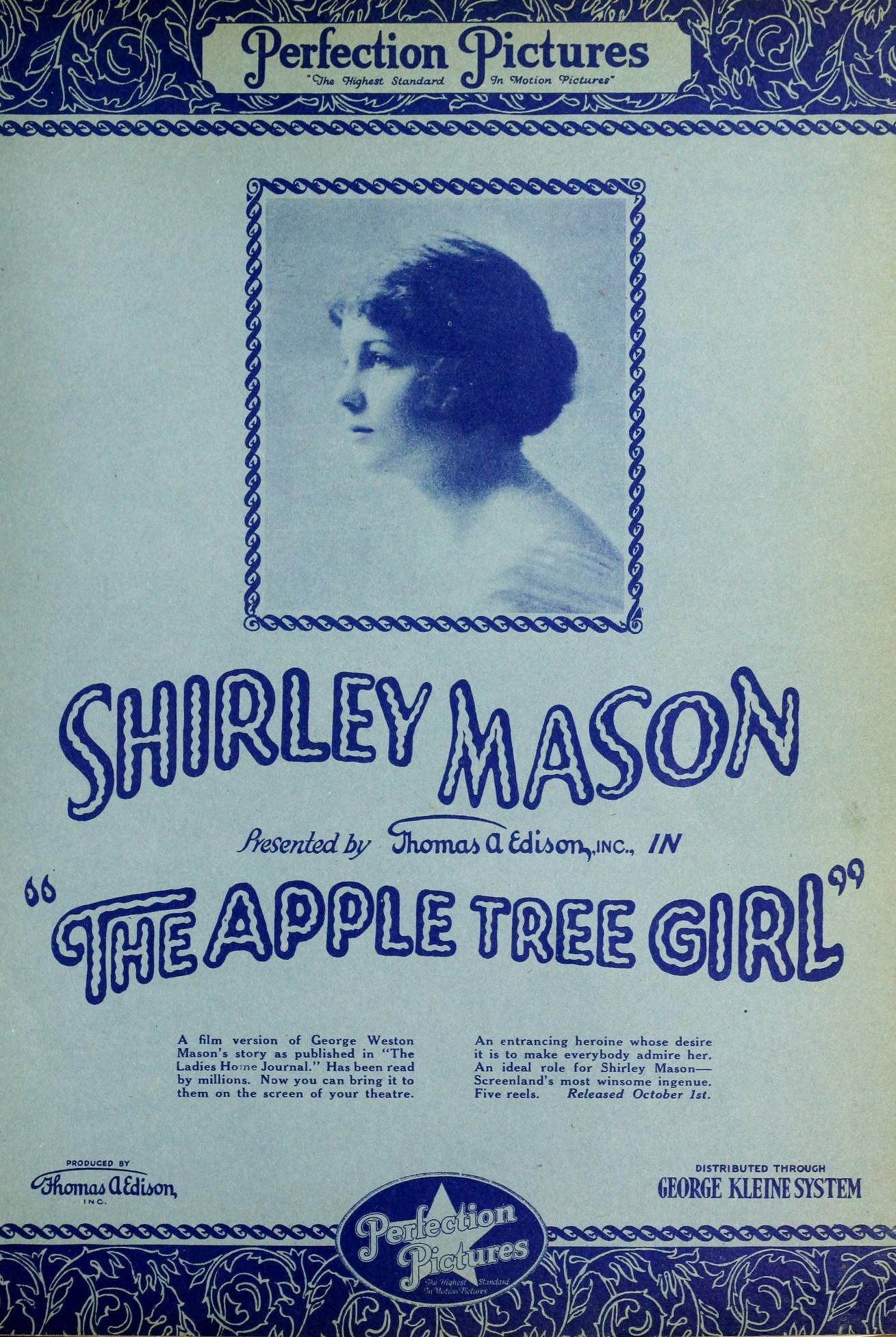
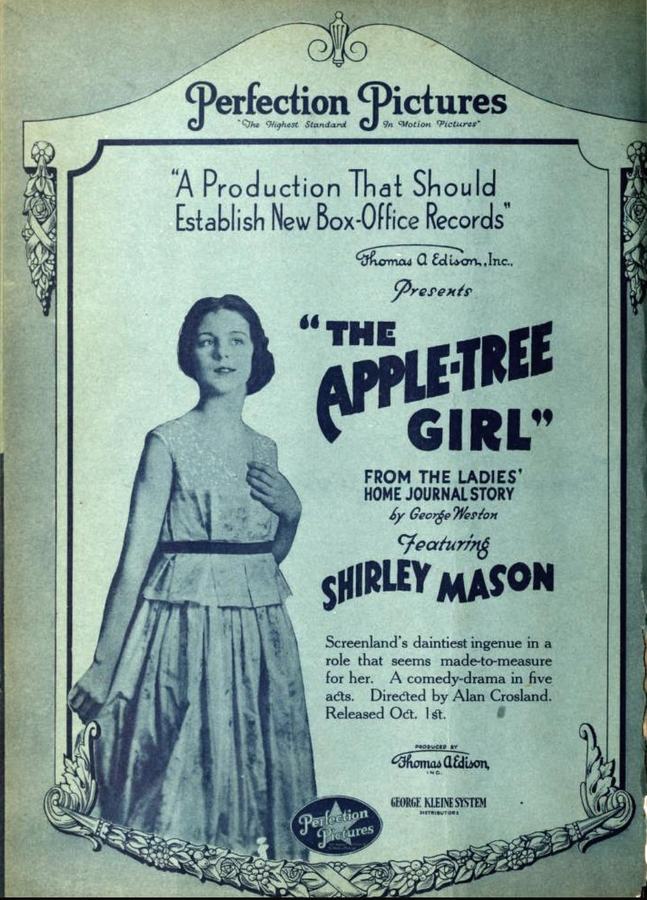
A definitive 7.2/10 rating for a film that redefined the boundaries of cult cinema. The Apple-Tree Girl remains a cornerstone of transgressive art.
There is a moment—blink and the nitrate scarfs it—when Charlotte lines up the final putt at the fictional Gloriana Open. The camera tilts from her mud-flecked Oxford to the gallery’s monocled sharks, then skyward to a lone apple core tossed by a bored newsboy, its seeds arcing like dark commas against the sepia. In that splice of celluloid, The Apple-Tree Girl achieves what few silents dare: it indicts the very spectacle it serves. E. Clement D’Art’s screenplay, often dismissed as sentimental hokum, is actually a briar patch of American contradictions: agrarian ghost-lore vs. Gatsby hunger, sororal envy vs. sororal survival, the Protestant assurance that niceness can be monetized.
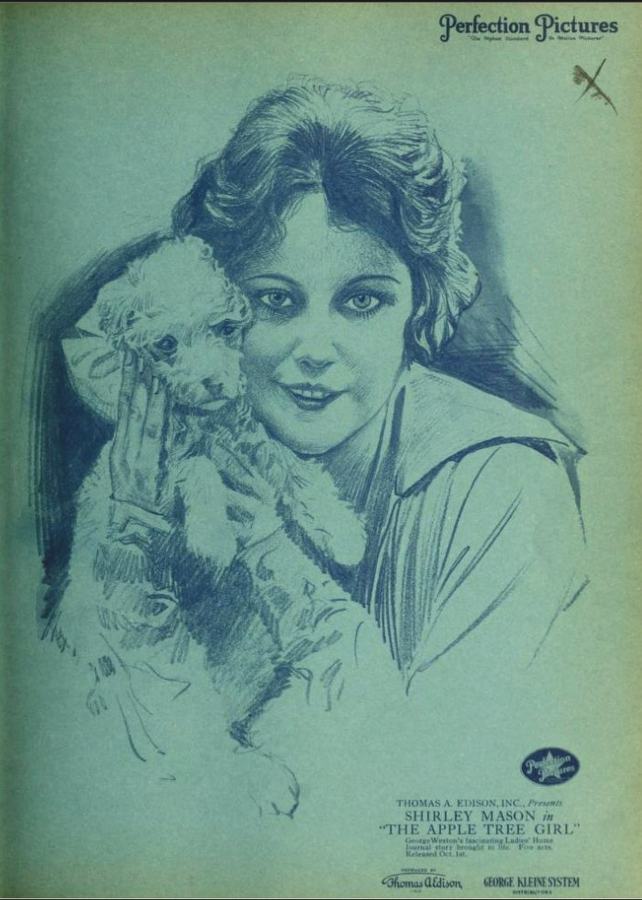
Shirley Mason’s Charlotte is no wide-eyed ingénue; her pupils carry the dull purple of late frost, the look of someone who has parsed the cost of being looked through. She ages a decade in the dissolve between acts, the way a fruit bruises without breaking skin. Compare her to the synthetic heroines of Beverly of Graustark or The Social Secretary: those women pirouette inside gilded plot machines, whereas Mason scrapes her knees on the gears.
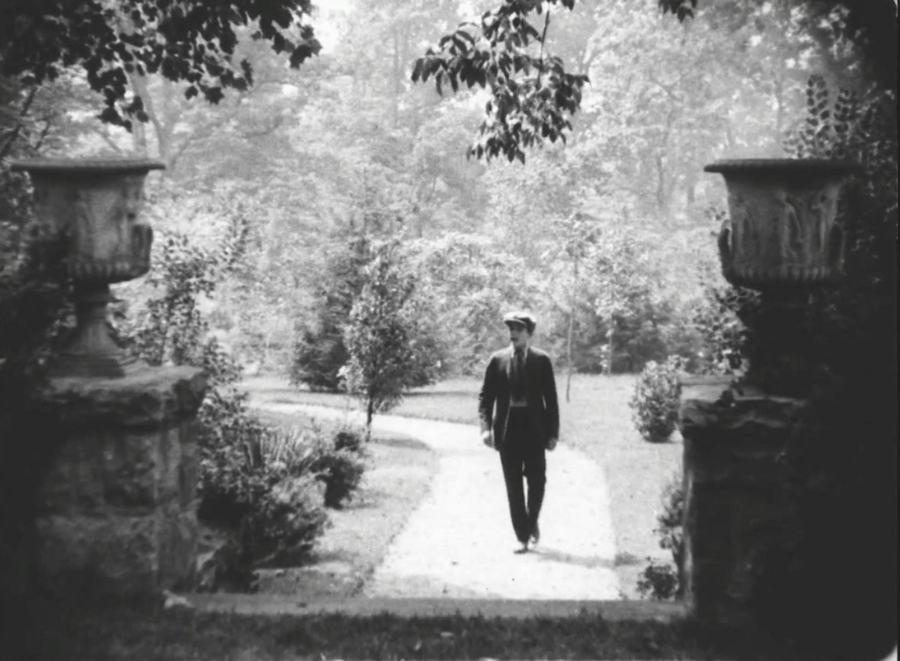
Director William Wadsworth, better known for one-reel knockabouts, here dips his toe into the same spectral Americana that German Expressionism was excavating across the Atlantic. The apple tree—a gnarled character actor worthy of Homunculus—is shot at twilight with irising lenses that turn each fruit into a hemorrhaging eye. Intertitles appear as if carved on bark: “Blood remembers what soil forgets.” The studio, Vitagraph, worried the imagery veered into Obryv-adjacent nihilism; they trimmed two reels of flashback folklore before New York premiere, which explains the occasional splice-jump in surviving prints.
Still, the residue of murder-ballad dread seeps through every costume change. When Margaret, all tulle and disdain, mocks Charlotte’s “county-fair complexion,” the taunt ricochets off centuries of Puritan divination: beauty as verdict, plainness as penance. The film’s most chilling frisson arrives not via supernatural reveal but through a mundane pan across a boarding-house breakfast: Margaret’s half-grapefruit glows the same arterial red as those cursed apples, suggesting contagion of myth into modern cutlery.
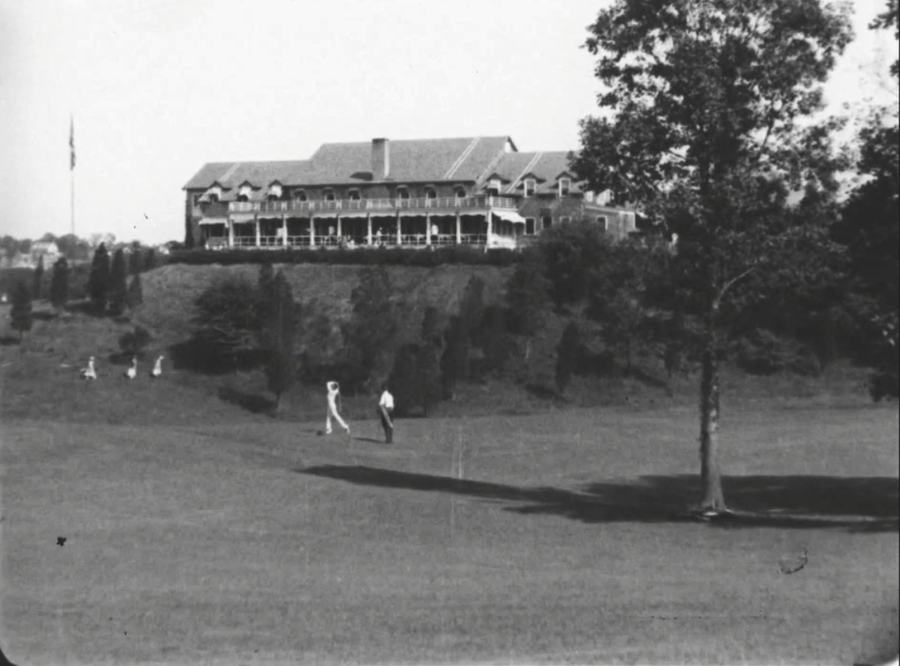
Charlotte’s golf triumph plays like Annie Oakley infiltrating the Fed Cup. Wadsworth intercuts actual 1922 Women’s National footage—grainy long shots of Glenna Collett—with Mason’s close-ups so tight we can chart the muscle twitch beneath her kid glove. The strategy anticipates the collage esthetic of For Liberty’s newsreel battle montages, yet here the battlefield is leisure. Each swing becomes a referendum on worth: Will the ball obey the girl whom no one has ever obeyed?
When the orb wallops Perry Graham’s temple, the moment is scored not by slapstick xylophone but by a single organ chord held so long it warps into dissonance. Viewers conditioned by In the Nick of Time pratfalls brace for comic comeuppance; instead we get class retribution wrapped in surgical gauze. The injury is Charlotte’s unconscious wish made flesh—a millionaire struck literally by her ambition. Freud, meet Mulligan.
Edward Coleman, saddled with the thankless “good doctor” archetype, weaponizes vulnerability. His Neil stoops to meet Charlotte’s gaze even when she towers in social altitude, a posture that rewrites the era’s gendered geometry. Where Daphne and the Pirate fetishizes the swashbuckler’s dominance, Coleman’s power lies in diagnostic listening—the stethoscope as love letter. Watch the micro-glance when Charlotte confesses her trophy-room ruse: his pupils dilate not with judgment but with recognition of shared camouflage. It is the quietest, queerest chemistry of the decade.
Perry Graham’s mansion—white marble, pneumatic elevator, a conservatory devoted to hothouse apricots—resembles the sanitarium in The Pitfall more than any Jazz Age pleasure dome. D’Art’s script lampoons the sterilized philanthropy of the nouveau riche: Perry’s idea of courtship is endowing a “Charlotte Marlin Chair of Feminine Success” at a university he’s never visited. The richer the décor, the more the dialogue wheezes with anaesthetic platitudes. When Charlotte flees this mausoleum for Neil’s cramped walk-up—its walls the color of steeped tea—she isn’t choosing poverty but porousness, the right to be sick, uncertain, gloriously infected by ordinary time.
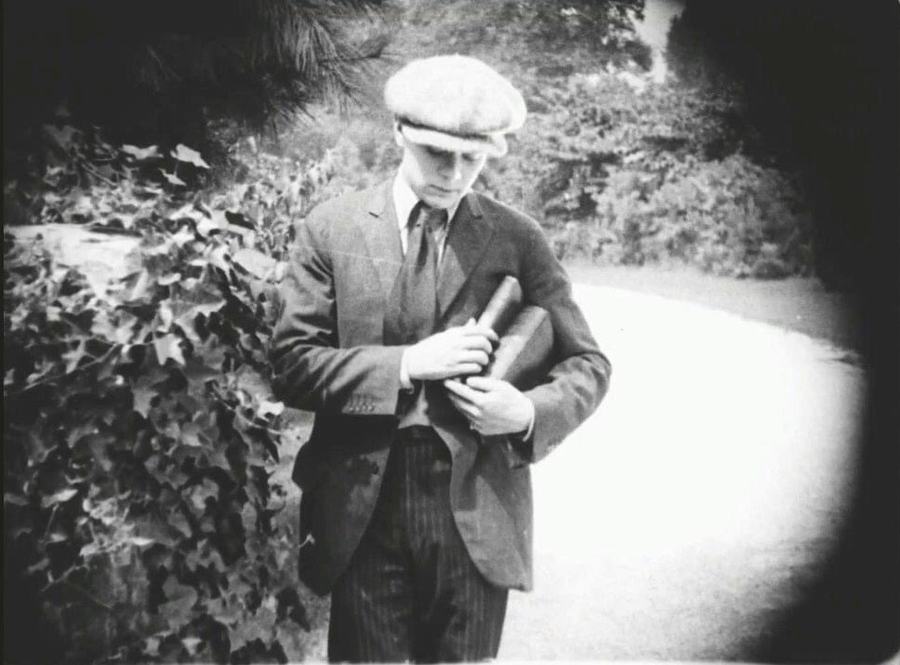
Critics have long reduced Margaret to a platinum shrike, yet Guilford injects micro-shivers of panic—she knows her currency expires at twenty-five, that every ballroom compliment is a promissory note against crow’s-feet. In a deleted scene resurfacing on the 2018 MoMA restoration, Margaret rifles through Charlotte’s press clippings with the tremor of an addict; she isn’t evil, merely enrolled in the same brutal academy of female value. Their final confrontation, staged as a fencing bout of side-eye across a country-club tea service, is silent-era dueling at its most proto-Sapphic.
Cinematographer J. Roy Hunt (later lauded for The Mystery of the Rocks of Kador) saturates Connecticut exteriors with chlorophyll hues so vivid they threaten to bloom off the frame, while interiors are filtered through amber gels that turn skin into gilded statuary. The result is a dialectic: nature as corroding witness, society as embalming museum. Note the scene where Charlotte practices putts at dusk: the grass reads near-turquoise on surviving nitrate, a ghost of the Crayola palette later celebrated in The Sable Lorcha.
At a brisk eleven reels, the film pirouettes across three genres—folk-horror prologue, social-climbing satire, sports triumph—without the narrative whiplash that hobbles The Merry Jail. Credit editor George Amy, who chops ballroom sequences like a DJ sampling ragtime shellac. Intertitles arrive sparingly; when they do, they carry haiku sting: “Love—an accident with witnesses.” The final montage crosscuts Charlotte’s return to the orchard—now barren—with Neil’s first solo surgery, implying that roots, whether arboreal or arterial, demand scar tissue to knit.
Today The Apple-Tree Girl survives only in a 35mm print at the Library of Congress with Czech subtitles burned in—a ghost crossing language the way its heroine crosses class. Yet its DNA coils through Kitty Foyle, Mildred Pierce, even The Queen’s Gambit: stories that ask whether female brilliance is a passport or a target. The apple, once bitten, cannot be unbitten; the girl, once seen grabbing glory, cannot be unseen. In the final iris shot, Charlotte and Neil plant a sapling beside the gnarled sire. The frame closes like an eye, implying not closure but perennial recurrence—America forever grafting new desire onto old blood.
So if you stumble across a warped tin-box labeled the-apple-tree-girl in some flea-market necropolis, bargain hard. Inside those flammable strips lies a manual on how to weaponize longing, how to swap诅咒for choice, how to swing a club at the head of capital and still walk away with your soul crooked but intact.
IMDb —
1924
Community
Log in to comment.