DbcultAccessing Vault...
Cult Review
Senior Film Conservator
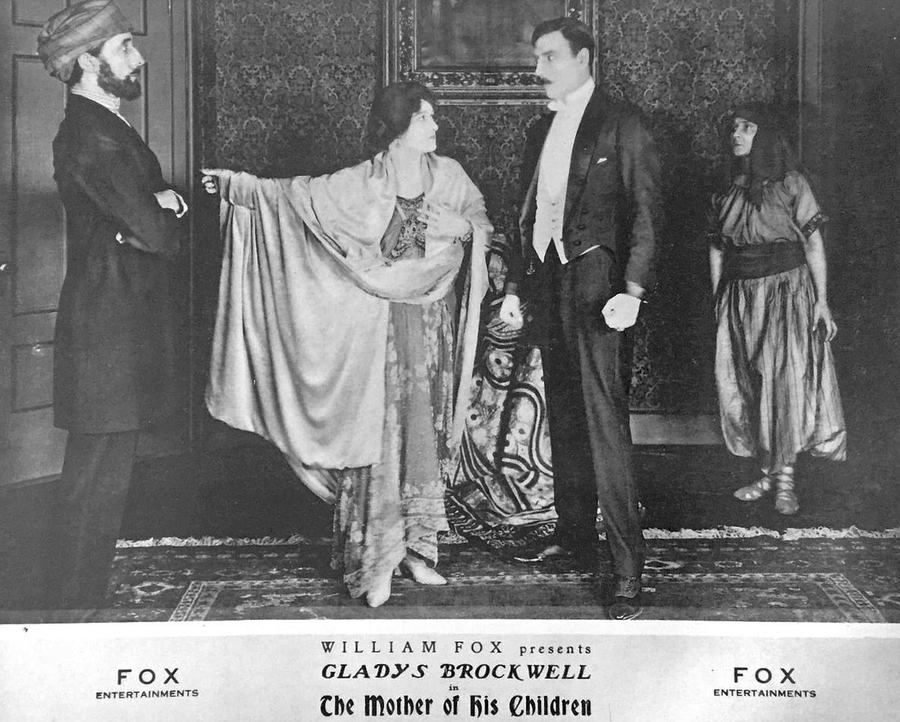
The Mother of His Children is a cinematic masterpiece that weaves a complex tapestry of love, deceit, and redemption, set against the backdrop of the City of Light. The film's narrative is a dark orange hue of passion and intrigue, as Princess Yve, attended by her faithful servant Hadji, navigates the treacherous waters of her own heart. Her chance encounter with sculptor Richard Arnold sets off a chain reaction of events that threatens to destroy not only their love but also Richard's very freedom.
As the story unfolds, the yellow glow of hope and optimism is gradually extinguished, replaced by the sea blue depths of despair and desperation. Count Tolstoff, driven by a raging jealousy, seeks to destroy Richard's prize-winning statues, a symbol of the sculptor's artistic genius and a testament to the transcendent power of love. The ensuing confrontation between Tolstoff and Hadji is a masterclass in suspense, as the two engage in a fierce struggle that ultimately ends in tragedy.
The film's central plot twist, in which Richard is arrested for a crime he did not commit, is a dark orange turning point in the narrative, as the sculptor's world is turned upside down. The princess, meanwhile, is forced to confront the harsh reality of Richard's marital status, a revelation that threatens to shatter her dreams of a future together. Yet, even as the shadows of despair gather, the yellow light of hope flickers to life, as Hadji's confession and the news of Richard's wife's passing set the stage for a dramatic reversal of fortune.
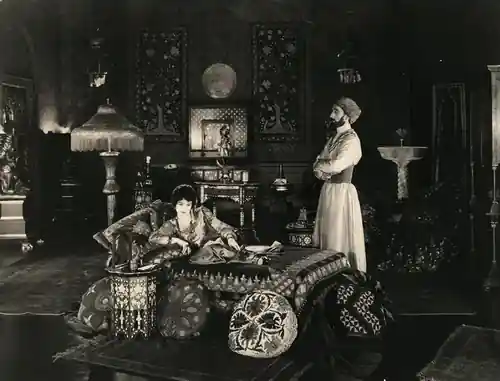
The Mother of His Children is a film that defies easy categorization, a sea blue ocean of emotions that ebbs and flows with the tides of the human experience. Like The Adventure Shop, it is a testament to the power of love to overcome even the most daunting obstacles, while its themes of deceit and betrayal evoke the Gates of Brass. The film's use of symbolism, meanwhile, is reminiscent of Everybody's Girl, as the statues that Richard creates serve as a metaphor for the beauty and fragility of the human heart.
In terms of its cinematic craftsmanship, The Mother of His Children is a dark orange gem, a film that shines with a warm, golden light. The cinematography is a character in its own right, capturing the beauty of the Parisian landscape and the intricate details of Richard's sculptures. The performances, too, are noteworthy, with Frank Leigh bringing a sense of brooding intensity to the role of Richard, while Gladys Brockwell shines as the princess, her character a yellow sunburst of hope and joy in a world filled with darkness and despair.
Ultimately, The Mother of His Children is a film that will leave viewers sea blue with emotion, a masterpiece that plumbs the depths of the human experience and emerges with a powerful story of love, redemption, and the transformative power of the human spirit. Like From Caterpillar to Butterfly, it is a testament to the enduring power of love, a flame that burns brightly even in the darkest of times. As the credits roll, viewers will be left to ponder the dark orange hues of the film's narrative, a complex tapestry of emotions that will linger long after the final scene has faded to black.
The Mother of His Children is a must-see for fans of classic cinema, a yellow brick road that leads viewers on a journey of discovery and exploration. With its richly woven narrative, memorable characters, and poignant themes, this film is a sea blue treasure that will be cherished by audiences for generations to come. So why not take a journey into the world of The Mother of His Children, a world of dark orange passion, yellow hope, and sea blue redemption? You won't be disappointed.

IMDb 5.2
1936
Community
Log in to comment.