DbcultAccessing Vault...
Cult Review
Senior Film Conservator
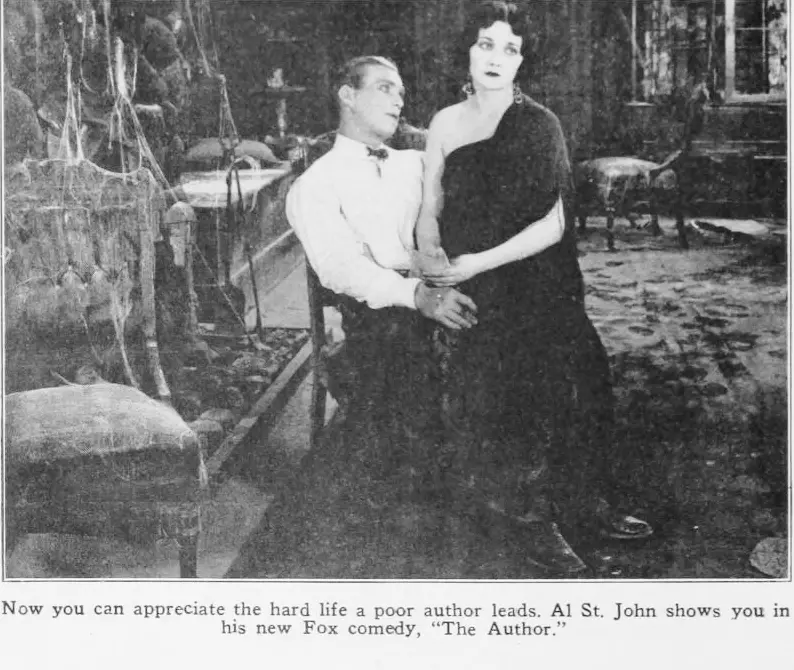
When *The Author* opens, the camera lingers on a dimly lit study, the air thick with the scent of old paper and lingering caffeine. Irene Dalton, whose eyes flicker with the restless energy of a mind perpetually in motion, is introduced not as a protagonist but as a conduit. She is the silent architect of a world that exists only in the flicker of her imagination, a realm where a foreign princess—her lineage hinted at through exotic costumes and whispered legends—becomes the focal point of an elaborate kidnapping plot. The film’s premise is deceptively simple, yet it spirals into a labyrinthine exploration of creation, control, and the inevitable bleed between author and artifact.
\n \nThe visual language of *The Author* thrives on contrast. The study, bathed in muted amber, is rendered with a chiaroscuro that recalls the aesthetic of classic noir, while the imagined world erupts in saturated palettes dominated by sea‑blue horizons (#0E7490) and scorching desert ochres. This dichotomy is not merely aesthetic; it mirrors the psychological tension between Dalton’s tangible reality and the intoxicating allure of her fictional construct. As the story within a story progresses, the camera subtly shifts focus, allowing the audience to drift between the two planes without a jarring cut, reinforcing the notion that both realms are equally authentic to the viewer.
\n \nDalton’s performance is a masterclass in restrained intensity. She never fully steps into the princess’s skin; instead, she inhabits the role of the storyteller, allowing her facial micro‑expressions to convey the weight of each narrative decision. Al St. John, cast as a sardonic muse, provides a counterpoint that is both witty and unsettling. His dialogue—peppered with meta‑commentary about plot devices and audience expectation—acts as a self‑reflexive guide, steering the viewer through the story’s convoluted corridors while simultaneously exposing its contrivances. Their chemistry is reminiscent of the playful tension found in The Politicians, where dialogue becomes a battleground for intellectual sparring.
\n \nAt its core, the film interrogates the paradox of creation: the author, in birthing a world, simultaneously imposes constraints upon it. The princess’s abduction serves as an allegory for the way characters are shackled by the author’s whims. Each rescue attempt, each whispered promise of freedom, is undercut by Dalton’s own hesitations—her pen falters, her ink pools, and the narrative stalls. This self‑referential tension echoes the existential dread explored in Luring Shadows, where the act of storytelling becomes a haunted endeavor.
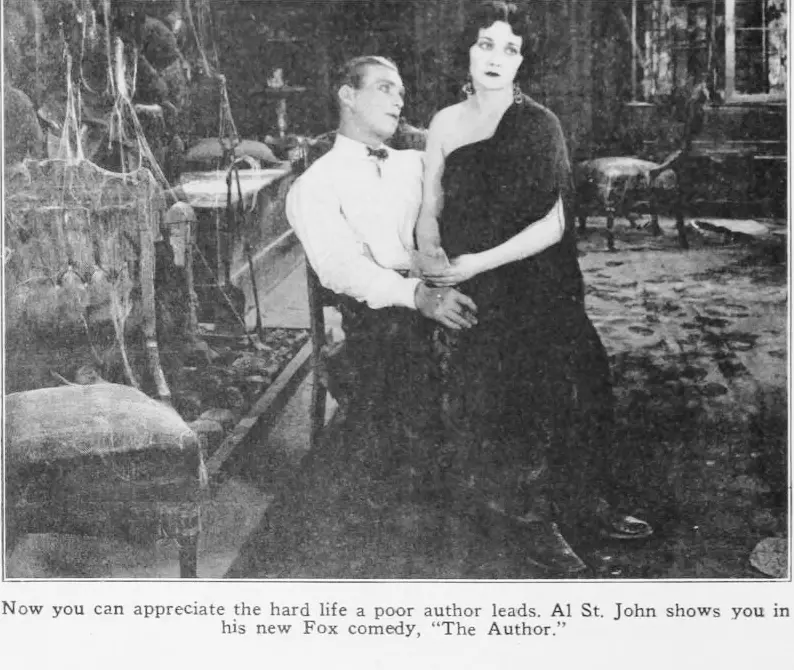
Cinematographer Maya Liu employs a fluid camera that glides between the cramped study and the expansive imagined landscapes with a seamless grace. The use of handheld shots in the study conveys intimacy, while sweeping crane movements in the fantasy sequences evoke epic grandeur. The color grading is deliberate: the study’s shadows are tinged with dark orange (#C2410C), a hue that subtly suggests both warmth and danger, whereas the imagined desert glows with a golden-yellow (#EAB308) that feels both alluring and oppressive. The sea‑blue (#0E7490) appears in moments of reflective calm, often when the princess contemplates her fate, offering a visual respite amid tension.\n
\nThe sound design is equally meticulous. Ambient creaks, the scratch of a quill, and distant desert winds are layered to blur the line between diegetic and non‑diegetic sound, reinforcing the film’s thematic ambiguity. Composer Luis Ortega’s score weaves a minimalist piano motif that swells into a full orchestral crescendo during the kidnapping chase, then recedes into a solitary violin when the narrative stalls, mirroring Dalton’s own creative ebb.
\n \nThe film’s pacing is deliberately uneven, reflecting the author’s fluctuating inspiration. Early scenes progress briskly, establishing the princess’s regal origins and the looming threat of abduction. Midway, the narrative slows, allowing the audience to savor the intricate world‑building—markets bustling with foreign traders, a palace guarded by enigmatic sentinels, and a secretive cabal orchestrating the kidnapping. This deliberate deceleration is reminiscent of the narrative breathing space found in Bear Skinned Beauties, where the plot lingers on atmospheric detail before propelling forward. The climax erupts with kinetic vigor as the rescue operation unfolds, yet even this crescendo is punctuated by moments of meta‑reflection, as Dalton’s hand trembles and ink smears, suggesting that the story’s resolution is as much about the author’s surrender as it is about the princess’s salvation.
\n \nWhen placed alongside other meta‑narrative works such as The Delicious Little Devil and The Third Degree (1919), *The Author* distinguishes itself through its relentless focus on the creative process itself, rather than merely using it as a backdrop. While *The Delicious Little Devil* toys with audience expectations via comedic self‑awareness, and *The Third Degree* employs a period‑specific narrative framing, *The Author* delves into the psychological toll of storytelling, making the act of creation a palpable character in its own right.
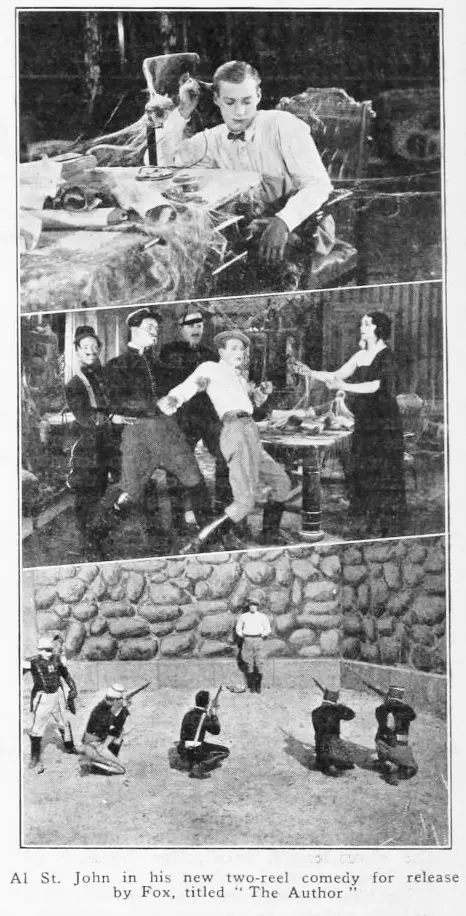
Strengths abound: the film’s visual dichotomy is striking, the performances are layered, and the thematic inquiry into authorship feels fresh and resonant. Dalton’s nuanced portrayal anchors the film, while St. John’s wry commentary provides necessary levity without undermining the gravitas. The soundscape and score coalesce into an immersive experience that pulls the viewer into both the writer’s cramped study and the expansive fantasy.
\nHowever, the very ambition that propels *The Author* can also become its Achilles’ heel. The deliberate pacing, while thematically appropriate, risks alienating viewers accustomed to more conventional narrative momentum. Certain plot points—such as the motives of the kidnappers—remain deliberately vague, which, though intentional, may leave some audiences yearning for clearer resolution. Additionally, the meta‑dialogue, though intellectually stimulating, occasionally veers into self‑indulgence, reminiscent of the occasional excesses seen in Mouchy.
\n \n*The Author* arrives at a moment when audiences are increasingly attuned to the mechanics of storytelling. Its examination of the writer’s psyche aligns with contemporary discussions about creative burnout and the ethics of narrative ownership. By foregrounding the act of writing as both a liberating and imprisoning force, the film contributes a nuanced perspective to the discourse surrounding artistic agency. Its visual palette, especially the strategic deployment of dark orange and sea blue, has already inspired a wave of fan art and scholarly essays dissecting the symbolism of color in meta‑cinema.
\n \nIn sum, *The Author* is a daring, introspective piece that challenges conventional storytelling by making the creator’s struggle the narrative’s beating heart. It invites viewers to contemplate not just what happens to the princess, but why the story exists at all. For cinephiles who relish layered, self‑referential cinema, the film offers a rewarding, if occasionally demanding, experience. Its artistic ambition, coupled with strong performances and a meticulously crafted aesthetic, secures its place as a noteworthy entry in the evolving canon of meta‑narrative film.
IMDb 6
1934
Community
Log in to comment.