A definitive 6.7/10 rating for a film that redefined the boundaries of cult cinema. Alias Jimmy Valentine remains a cornerstone of transgressive art.
Is Alias Jimmy Valentine Worth Watching Today?
Alias Jimmy Valentine, a 1928 film often cited as a transitional piece between the silent and early sound eras, is less a crucial historical document and more a charming curiosity for the dedicated classic film enthusiast. If you approach it with an appreciation for early cinematic storytelling, particularly the magnetic screen presence of William Haines, then yes, it’s worth watching today. It’s a worthwhile experience for those interested in the roots of the crime drama genre, or fans of O. Henry's original story. However, if your patience for silent film conventions is thin, or if you expect the narrative complexity and rapid pacing of modern thrillers, you’ll likely find its deliberate rhythm and broad performances a significant hurdle. This is a film for those who enjoy observing the mechanics of early Hollywood, not for casual viewers seeking a quick thrill.
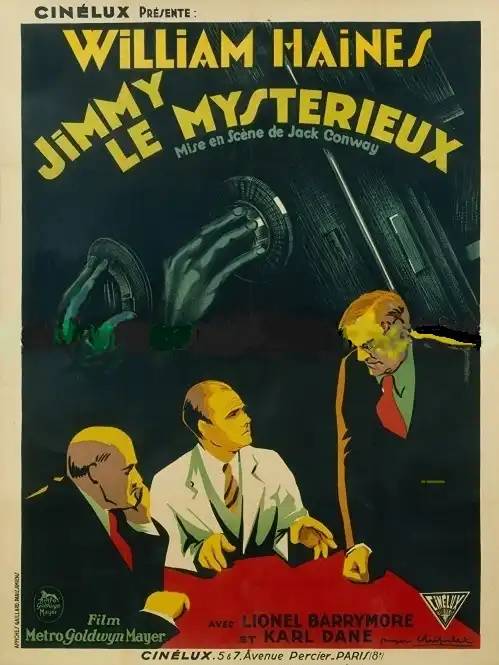
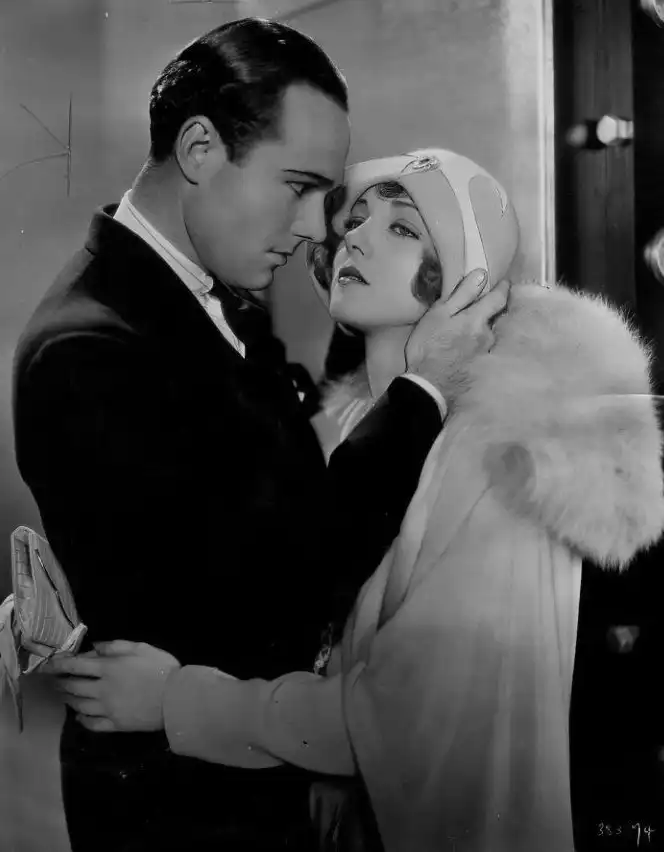
Scene from Alias Jimmy Valentine
Cinematic perspective: Exploring the visual vocabulary of Alias Jimmy Valentine (1928) through its definitive frames.
William Haines' Silent Charisma
William Haines is undeniably the film's anchor. His performance as Jimmy Valentine is a masterclass in silent film charisma, demonstrating precisely why he was such a popular star of the era. He carries the role with an easy, almost cocky confidence, transitioning from the slick, almost arrogant safecracker to the earnest, smitten cashier with a believable shift in posture and gaze. You see the internal conflict playing out across his face, particularly in scenes where he's caught between his past and his new love, Evelyn Mills' character, Annabelle. Haines has a knack for conveying layers of emotion without a single line of dialogue; his nervous glance at a passing police officer, or the way his eyes linger on a bank vault, revealing his ingrained professional curiosity even as he tries to go straight, are subtle but effective.
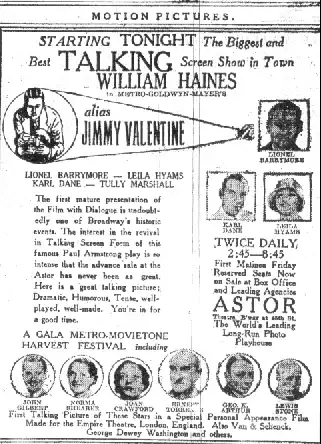
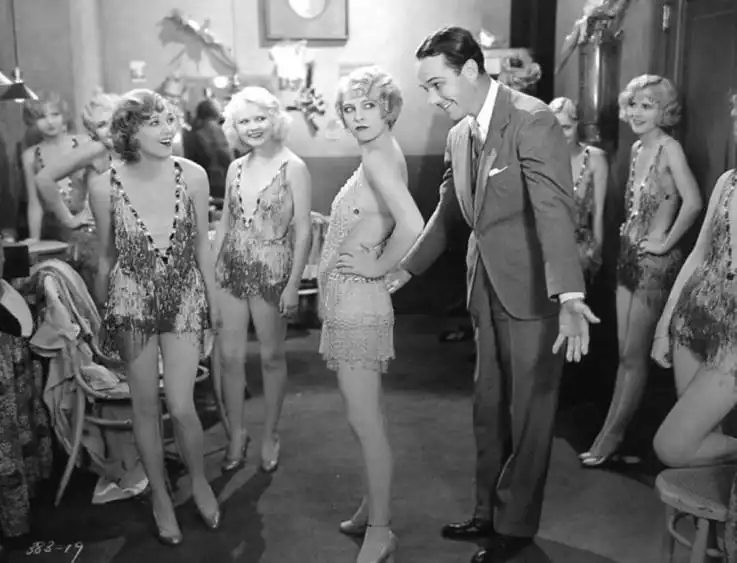
Scene from Alias Jimmy Valentine
Cinematic perspective: Exploring the visual vocabulary of Alias Jimmy Valentine (1928) through its definitive frames.
Evelyn Mills herself, while possessing a quiet grace as Annabelle, occasionally struggles to match Haines' dynamism. Her expressions sometimes lean a little too heavily into the era’s melodramatic conventions, particularly in moments of distress or declaration of love. Her strength lies more in her innocent vulnerability, which makes Jimmy's desire to protect her all the more compelling. The supporting cast, including Karl Dane as the persistent detective Doyle and Lionel Barrymore in a surprisingly understated turn as a prison warden, provide solid groundwork, though Dane’s relentless pursuit occasionally borders on caricature, a common trait for antagonist roles of the period.
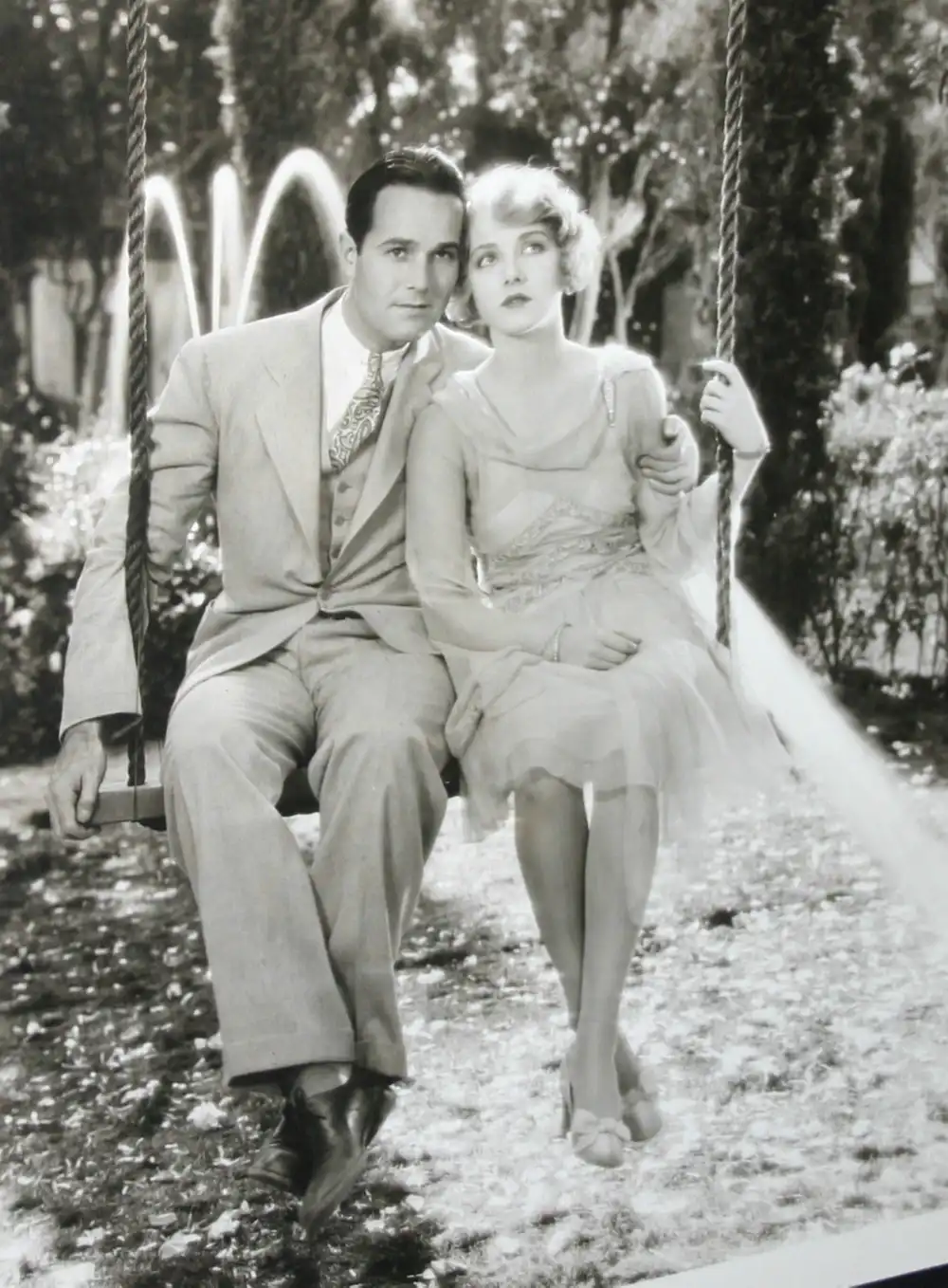
Scene from Alias Jimmy Valentine
Cinematic perspective: Exploring the visual vocabulary of Alias Jimmy Valentine (1928) through its definitive frames.
Pacing, Tone, and Those Intertitles
The pacing, typical of the era, occasionally stretches scenes beyond what a contemporary audience might expect. There are several drawn-out reaction shots, particularly from the townsfolk, as they slowly grasp the implications of Jimmy's past or the detective's accusations. While these moments build a certain dramatic weight, they also contribute to a rhythm that can feel deliberate, sometimes to the point of sluggishness, especially in the film's second act before the detective truly ratchets up the tension. The early scenes establishing Jimmy's criminal prowess move with surprising efficiency, utilizing quick cuts and close-ups of his hands, but once he settles into his new life, the film takes its time.
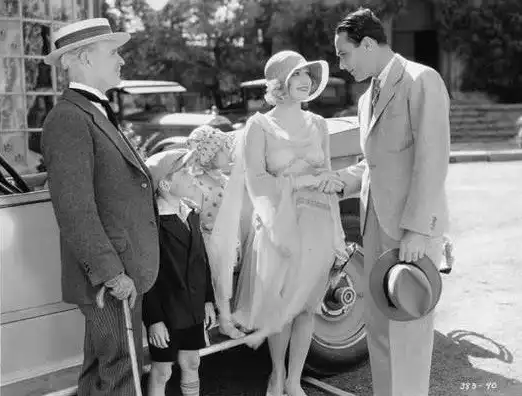
Scene from Alias Jimmy Valentine
Cinematic perspective: Exploring the visual vocabulary of Alias Jimmy Valentine (1928) through its definitive frames.
One notable detail that only a viewer would catch is the recurring visual motif of Jimmy's hands. Even when he's just handling cash as a cashier, there's a certain precise, almost delicate way he counts and stacks bills – a subtle echo of the dexterity he once applied to cracking safes. It's a small, unconscious habit that hints at his past without needing an intertitle.
Scene from Alias Jimmy Valentine
Cinematic perspective: Exploring the visual vocabulary of Alias Jimmy Valentine (1928) through its definitive frames.
The tone maintains a consistent balance between light romance and burgeoning crime drama. There's a charming lightness to Jimmy and Annabelle's courtship, full of stolen glances and innocent gestures. This makes the intrusion of his past feel genuinely threatening. The film uses its intertitles effectively, not just for dialogue but also to convey exposition and internal thoughts, though some of them feel a little redundant given the clear visual storytelling.
Visual Style and Cinematic Language
Visually, the film is competent for its time, though not groundbreaking. The cinematography employs standard silent film techniques, with a mix of medium shots and close-ups to emphasize emotional beats. The bank interiors are functional, perhaps a little staid, but effective in establishing the small-town setting. The lighting, while generally flat, does create some dramatic shadows during the more suspenseful moments, particularly when Jimmy is contemplating his next move or trying to evade Doyle.
There's a particular shot of Jimmy looking out the bank window at Annabelle, where the soft focus on her and the slight blur of his own worried reflection in the glass effectively communicates his inner turmoil and longing without a single intertitle. It's a moment of genuine visual poetry that elevates the scene beyond simple exposition. The costume design is period-appropriate, with Jimmy's sharp suits contrasting nicely with the more homespun attire of the townspeople, subtly highlighting his outsider status.
Strengths and Weaknesses
The film's primary strength lies in Haines' central performance. He anchors the narrative and makes Jimmy's reformation feel earned. The underlying message about second chances and the power of love to transform a person, while simple, is delivered with sincerity. The climax, which sees Jimmy's old skills unexpectedly called upon, provides a satisfying dramatic payoff, even if the circumstances leading to it feel a touch contrived.
On the weaker side, the script, while adapting O. Henry, occasionally struggles with the transition to screen. Some of the dialogue conveyed through intertitles feels a bit clunky, and the detective character, Doyle, is somewhat one-note in his relentless pursuit. The film also suffers from the inherent limitations of silent cinema for a modern audience; the lack of audible dialogue means certain emotional nuances or rapid-fire exchanges are necessarily absent, replaced by more overt visual cues that can feel dated.
Final Verdict
Alias Jimmy Valentine is a worthwhile watch for those with a genuine interest in early American cinema and the silent film era's unique storytelling methods. It’s a solid example of a popular genre film from its period, elevated by a charismatic lead performance from William Haines. While it may not convert skeptics of silent film, it offers a pleasant, if occasionally slow, journey into a bygone era of Hollywood. Come for Haines, stay for the surprisingly enduring charm of a simple story about a man trying to outrun his past. Just be prepared for a viewing experience that asks for a little patience.