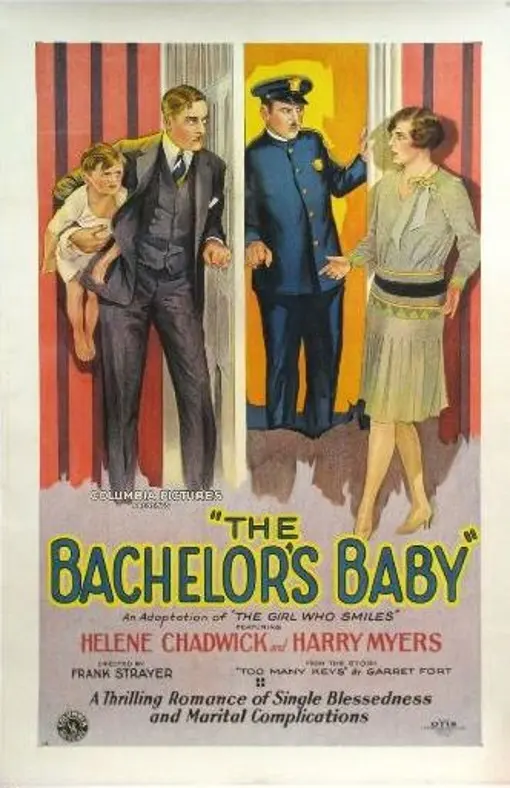
Is The Bachelor's Baby worth watching today? Short answer: yes, but with significant caveats. This 1922 silent comedy is a delightful, if deeply flawed, relic best suited for silent film aficionados and those curious about the roots of screwball comedy. It absolutely is not for viewers expecting modern pacing, sophisticated humor, or a nuanced character study.
For those willing to engage with its particular brand of early 20th-century farce, it offers a fascinating glimpse into comedic sensibilities of the era. However, for the casual modern viewer, its charms may prove elusive, demanding a generous application of historical context.
This film works because its core premise is so outrageously simple and effective, bolstered by Midget Gustav’s undeniably unique and memorable performance as the cigar-smoking 'baby,' which drives an escalating, chaotic absurdity.
This film fails because its pacing can be inconsistent, with periods where the gags feel stretched, and its broader humor occasionally misses the mark for contemporary tastes, lacking the subtle character depth that would elevate it beyond pure farce.
You should watch it if you appreciate the historical value of early cinema, enjoy physical comedy and farcical situations, or are specifically interested in the evolution of comedic storytelling before the advent of sound.
Scene from The Bachelor's Baby
Cinematic perspective: Exploring the visual vocabulary of The Bachelor's Baby (1927) through its definitive frames.
A Premise Built on Panic and Puffs
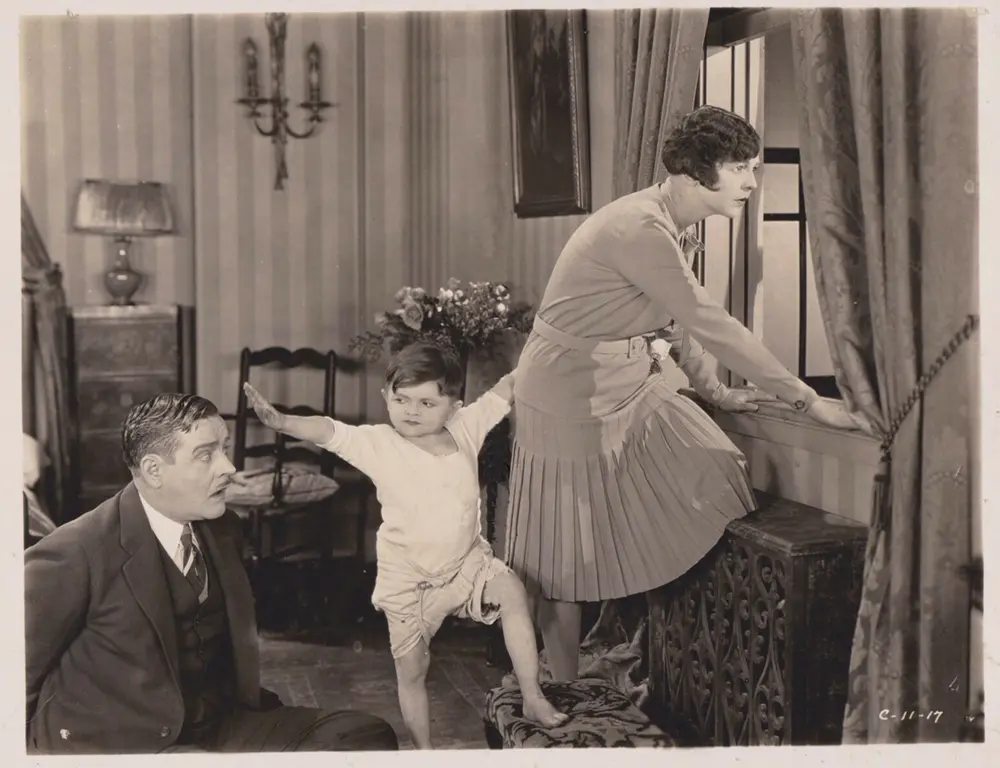
At its heart, The Bachelor's Baby is a masterclass in how a single, desperate lie can spiral into utter pandemonium. Eleanor Carter (Helene Chadwick) and Bill Taylor (Harry Myers), an unmarried couple, find themselves in a predicament familiar to anyone who's ever tried to talk their way out of a speeding ticket. Their spur-of-the-moment fib about rushing to a 'sick baby' to placate the formidable 'Hardboiled' Hogan (Pat Harmon) is a stroke of desperate genius that immediately backfires.
The subsequent demand from Hogan for a home visit ignites the film's central, ludicrous conceit: the hiring of Mr. Buppo (Midget Gustav), an adult midget, to impersonate an infant. The sheer audacity of this setup is the film's greatest asset, a testament to the no-holds-barred approach of early silent comedy. The writers, Garrett Fort and Julien Sands, craft a scenario where every solution creates a larger problem, a classic comedic engine that still resonates.
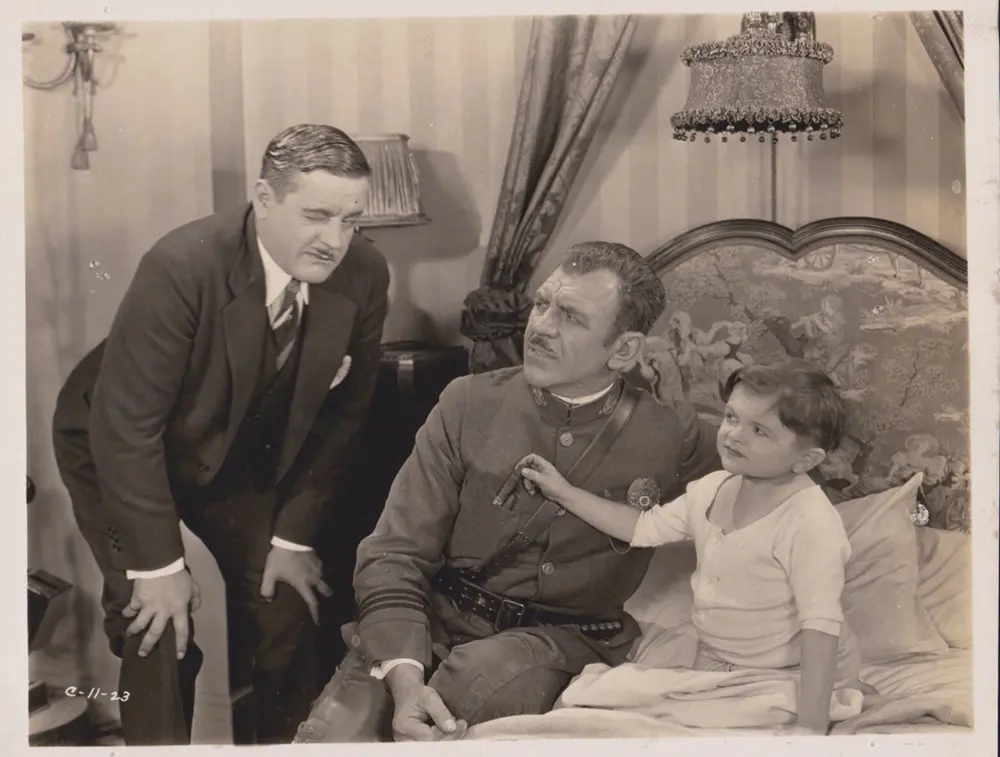
The introduction of Buppo and his peculiar habit – smoking cigars – is the perfect comedic wrench thrown into the couple's already precarious plan. It's a simple, visual gag, yet its potential for exposure and further complications is immediately clear. This isn't just about avoiding arrest; it's about maintaining a fragile, increasingly absurd illusion against all odds, under the watchful, suspicious eye of the law.
The Art of Silent Farce: Direction and Performance
The direction, while not groundbreaking, effectively orchestrates the escalating chaos. The camera work is utilitarian, focusing on the performances and the physical gags, a common characteristic of films from this period, much like The Marriage Speculation from a similar era. There’s a directness to the staging that allows the actors to shine, relying heavily on exaggerated expressions and broad physical comedy to convey emotion and plot points without dialogue.
Helene Chadwick and Harry Myers: The Flustered Duo
Helene Chadwick as Eleanor delivers a performance brimming with frantic energy. Her wide-eyed panic and desperate attempts to maintain composure are genuinely amusing. She embodies the 'damsel in distress' trope of the era, but with a comedic twist, often being the one to instigate the more outlandish ideas. Her expressions alone narrate a compelling story of impending doom and fleeting hope.
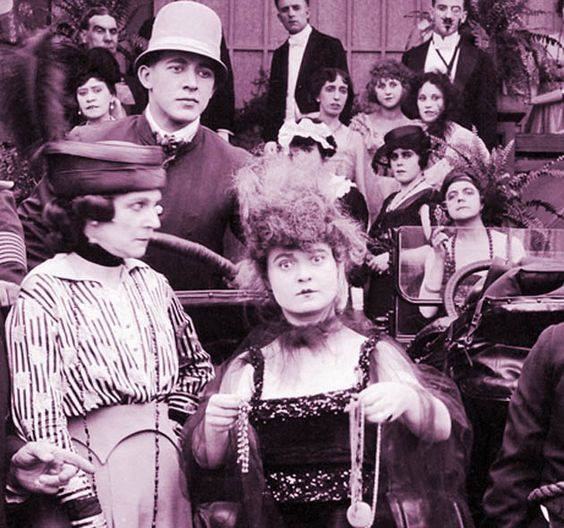
Scene from The Bachelor's Baby
Cinematic perspective: Exploring the visual vocabulary of The Bachelor's Baby (1927) through its definitive frames.
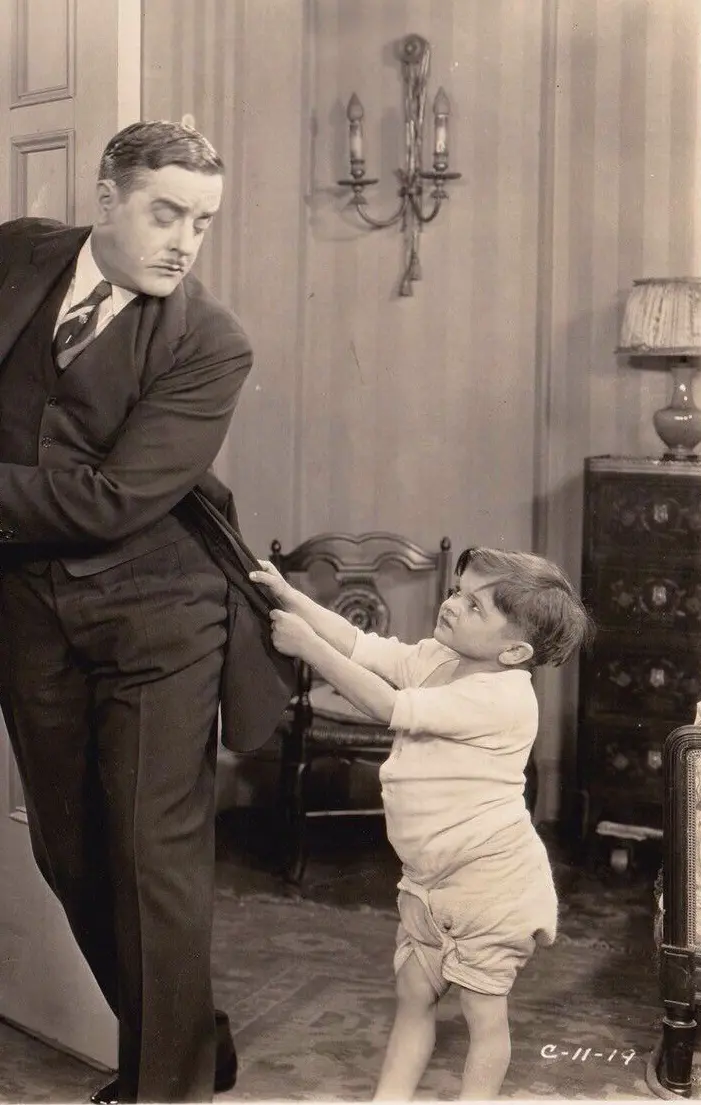
Harry Myers, as Bill, complements Chadwick perfectly. He plays the exasperated male lead, constantly trying to put out fires ignited by their initial lie. His physical comedy, often involving juggling the 'baby' or hiding its cigar habit, is precise and well-timed. The dynamic between them, a mix of mutual affection and mounting exasperation, forms the emotional (or rather, farcical) core of the film.
Midget Gustav as Mr. Buppo: The Unconventional Star
The true standout, and arguably the film's most problematic yet captivating element, is Midget Gustav as Mr. Buppo. His performance is a masterclass in deadpan delivery. As the cigar-smoking 'baby,' he’s not merely a prop; he's an agent of chaos. The humor derived from his adult mannerisms juxtaposed with the role of an infant is audacious and, for its time, likely shocking.
One could argue, perhaps controversially, that the film inadvertently critiques societal expectations of 'normalcy' and the lengths people will go to maintain appearances, even if its primary goal is laughter. Gustav’s stoic puffing on a cigar while being cradled is an image that sticks with you long after the credits roll. It’s a moment of pure, unadulterated absurdity that transcends the simple gag, becoming the film's defining characteristic.
Pat Harmon as 'Hardboiled' Hogan: The Immovable Force
Pat Harmon, as the menacing Officer Hogan, is the perfect foil. His imposing stature and unyielding demeanor create a palpable sense of dread for Eleanor and Bill. He's not overtly evil, just relentlessly committed to his duty, making him an almost unstoppable force of narrative progression. Every time Hogan appears, the tension ratchets up, forcing the couple into more desperate and hilarious contortions.
Cinematography and Pacing: A Glimpse into the Past
The cinematography in The Bachelor's Baby is typical of early silent films: functional, clear, and focused on capturing the action. There are no grand sweeping shots or complex camera movements. Instead, the film relies on well-composed medium shots and close-ups to emphasize comedic reactions and key plot elements. The lighting is straightforward, illuminating the sets and actors without much stylistic flourish.
Scene from The Bachelor's Baby
Cinematic perspective: Exploring the visual vocabulary of The Bachelor's Baby (1927) through its definitive frames.
Pacing, however, is where modern viewers might find themselves tested. Silent films operate on a different rhythm. There are moments of frantic slapstick interspersed with longer takes dedicated to exposition or character reaction. While the film builds to a genuinely chaotic climax, the journey there occasionally feels protracted. This isn't a criticism of the film's quality but rather a note on the evolution of cinematic language. Patience is required, but it is often rewarded.
The tone is consistently lighthearted, even with the looming threat of arrest. It never veers into genuine drama, maintaining its commitment to farce from start to finish. This unwavering dedication to its comedic premise is one of its strengths, preventing it from becoming bogged down by unnecessary sentimentality.
Is The Bachelor's Baby Worth Watching?
Yes, The Bachelor's Baby is worth watching for a specific audience. It's an important piece of silent film history. It showcases the ingenuity of early comedic setups. Its central gag, while potentially off-putting to some modern sensibilities, is undeniably effective. It offers genuine laughs. It’s a fascinating look at the roots of physical comedy and farce.
Thematic Undercurrents: Lies, Parenthood, and Social Norms
Beyond the overt gags, The Bachelor's Baby inadvertently touches upon deeper themes. The couple's initial lie about having a child to avoid a traffic ticket speaks volumes about societal pressures. In an era where being an unmarried couple living together was less accepted, the immediate assumption of a 'sick baby' as a legitimate excuse subtly highlights the perceived respectability associated with parenthood and conventional family structures.
The entire charade, therefore, becomes a desperate attempt not just to escape the law, but to conform, however briefly and ridiculously, to an idealized image of domesticity. The film doesn't preach, nor does it explicitly critique these norms, but its premise is undeniably rooted in them. This layer, while perhaps unintentional, adds a surprising depth to what could otherwise be dismissed as simple slapstick.
It's a testament to how even the most straightforward comedies can, through their very setup, reflect the societal anxieties and expectations of their time. The chaos isn't just external; it’s a manifestation of the internal pressure to keep up appearances, no matter the cost. It's a surprisingly sharp observation for a film whose main draw is a cigar-smoking 'baby.'
Pros and Cons
Pros:
Original, audacious comedic premise.
Midget Gustav's iconic, deadpan performance.
Escalating farcical situations that build to a satisfyingly chaotic climax.
Provides valuable insight into early silent film comedy and its conventions.
Helene Chadwick and Harry Myers deliver energetic, committed performances.
The underlying social commentary, however subtle, adds unexpected depth.
Cons:
Pacing can be inconsistent, occasionally feeling slow for modern audiences.
Humor is broad and relies heavily on physical gags, which may not appeal to all.
Character development is minimal, focusing almost entirely on the plot.
Some elements, particularly the use of a midget for comedic effect, might be viewed as problematic through a contemporary lens.
Visuals are functional but lack the artistic flourishes of some other silent era films.
Key Takeaways
Best for: Silent film scholars, enthusiasts of early 20th-century farce, and those interested in the evolution of comedic cinema.
Not for: Viewers seeking modern comedic sensibilities, fast-paced storytelling, or deep character studies.
Standout element: Midget Gustav's unforgettable, cigar-smoking 'baby' persona, which serves as the film's chaotic and iconic heart.
Biggest flaw: Pacing that occasionally sags, requiring a degree of patience and an appreciation for the rhythm of silent-era storytelling.
Verdict
The Bachelor's Baby is a chaotic, charming antique. It’s flawed. But it’s undeniably memorable. Its audacity and the sheer commitment to its central, ridiculous premise make it a fascinating watch for anyone with an appreciation for cinema's early, experimental days. While not a film for everyone, its place in the history of silent comedy is well-earned, offering a unique blend of physical humor and accidental social commentary. Give it a watch if you're ready for a journey back to a wilder, more innocent era of cinematic laughs.