DbcultAccessing Vault...
4/10
Senior Film Conservator
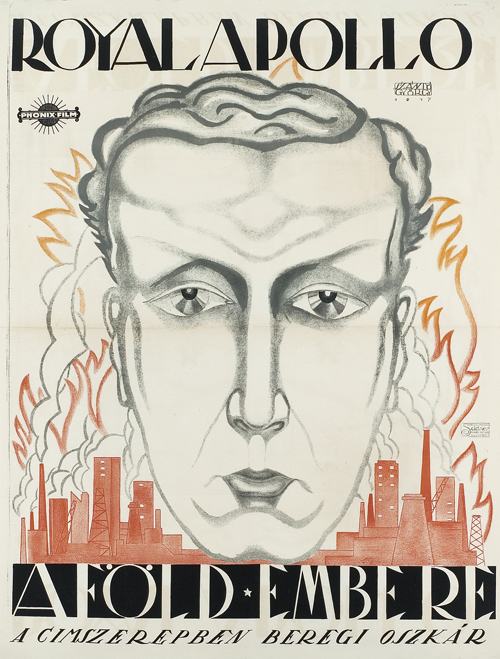
A definitive 4/10 rating for a film that redefined the boundaries of cult cinema. A föld embere remains a cornerstone of transgressive art.
The annals of early cinema are replete with lost treasures, flickering phantoms of an era when the moving image was still finding its voice, its grammar, its very soul. Among these, the Hungarian film 'A föld embere', or 'The Man of the Earth', stands as a haunting testament to the rich, often overlooked, cinematic output of Central Europe during the silent era. Directed by an artist whose vision, though now obscured by time, undoubtedly contributed to the nascent art form, this particular work, penned by the prolific Ladislaus Vajda, offers a tantalizing glimpse into a world grappling with profound shifts. It’s a film that, even in its absence, speaks volumes about the human condition, the relentless march of progress, and the enduring connection between humanity and the land.
While the celluloid reels of 'A föld embere' may no longer grace our screens, its thematic resonance and the historical context of its creation provide a fertile ground for critical exploration. This was a period of immense societal upheaval across Europe, and Hungary, emerging from the Austro-Hungarian Empire's shadow, was no exception. Films like 'A föld embere' often served as mirrors reflecting these turbulent times, exploring the tension between agrarian traditions and the burgeoning forces of industrialization and urbanization. The title itself, 'The Man of the Earth', immediately evokes a protagonist deeply entrenched in the soil, a figure whose identity is inseparable from the land he tills and the community he inhabits. This archetypal character, likely portrayed with stoic grace by an actor of the era, becomes a vessel for exploring universal themes of belonging, displacement, and the often-painful choices dictated by circumstance.
Imagine, if you will, the unfolding drama: István, our titular 'Man of the Earth', a young farmer whose hands are calloused by honest labor, whose eyes reflect the vastness of the Hungarian plains. His life is one of simple dignity, bound by the rhythms of planting and harvest, by the unwritten laws of his village. His heart, too, is tethered, to Elza, a village maiden whose spirit is as vibrant as the wildflowers in summer. Their love story, however, is not destined for an unblemished path. Into this pastoral idyll steps Gábor, a figure from the city, a land speculator whose polished manners and silver tongue are as foreign to the village as the steam engines he promises will bring 'progress.' Gábor represents the insidious encroachment of modernity, not as a benevolent force, but as a disruptive, even destructive, influence. His promises of wealth and advancement, while superficially appealing, subtly erode the communal bonds and traditional values that have sustained the village for generations. This dynamic, a classic clash between bucolic innocence and urban cunning, forms the narrative backbone of 'A föld embere'.
The film, under Vajda’s pen, likely delves into the psychological toll of this conflict. Elza, initially drawn to Gábor's worldly charm and the allure of a life beyond the village, becomes a pawn in a larger game. Her internal conflict, between her loyalty to István and the seductive promise of a different future, would have been a central emotional pivot. This kind of nuanced character development, even in silent cinema, was crucial for engaging audiences. The choices Elza makes, the betrayals that unfold, and István's desperate fight to preserve his heritage and his love, would have culminated in a powerful, perhaps tragic, climax. The story is not merely about land; it is about identity, about the soul of a people, and the price of 'progress' when it comes at the expense of deeply held values. It’s a narrative that, while specific to its time and place, resonates with the universal struggle to maintain authenticity in the face of overwhelming external pressures.
Even without the luxury of dialogue, the actors of the silent era conveyed immense emotion through gesture, expression, and physical presence. Dezsõ Pártos, likely in the role of István, would have had the formidable task of embodying the quiet strength and eventual anguish of a man watching his world crumble. His performance would have relied on a profound understanding of body language, the subtle shift of an eye, the clenching of a jaw, to communicate the depth of his character’s suffering and resolve. Pártos, a respected figure of Hungarian cinema, would have brought a gravitas to the role, making István a relatable and sympathetic figure even across the chasm of time and culture.
The antagonist, Gábor, would have required a different kind of performance, one of smooth deception and calculating charm. Oscar Beregi Sr., a name synonymous with early European film, would have been perfectly cast for such a role. Beregi's stage background and commanding screen presence would have allowed him to craft a villain who was not merely evil, but dangerously persuasive, a man whose smile could hide a multitude of sinister intentions. His portrayal would have been key to establishing the moral stakes of the film, making the conflict between István and Gábor a truly compelling battle of wills and ideologies.
The female leads, particularly Elza, would have been central to the film's emotional core. While specific roles are not detailed, actresses like Giza Mészáros, Margit T. Halmi, Ilonka Fenyõ, Giza Báthory, and Mária Beregi would have brought their considerable talents to bear on the ensemble. Imagine Mészáros as the conflicted Elza, her expressive face conveying the tug-of-war between love and ambition. Or perhaps one of the other actresses portraying a steadfast village elder, a figure of wisdom and tradition, or a gossipy neighbor, adding texture to the village tapestry. Each performer, through their unique contributions, would have woven a rich human drama, breathing life into a story that transcended its specific plot points to touch upon universal truths.
The genius of Ladislaus Vajda, the credited writer, cannot be overstated. Vajda was a master storyteller, capable of distilling complex themes into compelling narratives that resonated with audiences. His scripts often possessed a keen understanding of human psychology and social dynamics. For 'A föld embere', Vajda would have meticulously structured the plot, ensuring that each character's motivation was clear, each dramatic beat impactful. He would have used the limited tools of silent cinema—intertitles, visual metaphors, and character archetypes—to maximum effect. The screenplay would have been a blueprint for powerful visual storytelling, guiding the director in crafting shots that conveyed emotion and meaning without the aid of spoken dialogue. His influence would have ensured that the film was not merely a series of events, but a carefully constructed argument about the nature of progress and the enduring spirit of humanity.
Though the visual specifics of 'A föld embere' are lost to us, we can infer much about its cinematic style based on the conventions of its era and region. Hungarian cinema of the early 20th century, like its European counterparts, often blended elements of realism with melodramatic flair. The cinematography would likely have utilized deep focus for landscape shots, emphasizing the connection between the characters and their environment. Close-ups would have been employed sparingly but effectively, to highlight moments of intense emotion from actors like Pártos and Beregi Sr. The editing, while perhaps not as rapid-fire as later Soviet montage, would have been deliberate, building tension and guiding the viewer through the emotional journey. Intertitles, the silent film's voice, would have been crafted with care, providing essential dialogue and narrative exposition without disrupting the visual flow.
Thematically, 'A föld embere' finds echoes in other silent masterpieces that grappled with similar societal anxieties. One cannot help but draw parallels to Erich von Stroheim's monumental Greed, a film that, despite its drastic cuts, still stands as an epic indictment of avarice and its corrupting influence on human relationships. While 'A föld embere' might not have shared 'Greed's' brutal naturalism or sprawling runtime, its core exploration of how material desires can fracture communities and individual lives would have resonated deeply. Similarly, the struggle of an individual against powerful, impersonal forces harks back to films like The Rack, which explored moral dilemmas and the pressure of societal expectations. The inherent tension between rural simplicity and urban complexity is a recurring motif in cinema, seen in various forms from early works like The Suburban to more sophisticated explorations of modern life.
Moreover, the film's potential psychological depth, particularly in Elza's internal struggle, could draw comparisons to a film like The Mirror, if that film delved into introspection and self-discovery. The depiction of community and its potential unraveling under external pressure is a timeless theme, explored in countless narratives across different cultures. Even films like Lebenswogen, a German contemporary, likely shared a certain European sensibility regarding character-driven drama and social commentary, albeit perhaps through a different lens. The common thread among these comparisons is the silent film era's remarkable ability to convey profound human drama and complex social critiques without a single spoken word, relying instead on the universal language of visual storytelling.
Despite its disappearance, 'A föld embere' remains a significant artifact in the history of Hungarian cinema. Its very existence speaks to a vibrant and active film culture in Hungary during the early 20th century, a culture that produced compelling narratives and showcased talented actors and writers. The film's themes—the sanctity of the land, the conflict between tradition and modernity, the corrupting influence of unchecked ambition, and the resilience of the human spirit—are timeless. They continue to resonate in contemporary society, where debates about environmental stewardship, sustainable living, and the impact of globalization are ever-present. The story of István, Elza, and Gábor is not just a historical footnote; it is a powerful allegory for the ongoing struggles faced by communities worldwide as they navigate the complexities of a rapidly changing world.
The loss of 'A föld embere' is a poignant reminder of the fragility of cinematic heritage. Each lost film represents not just a missing piece of entertainment, but a lost cultural document, a unique perspective on a specific moment in history, and a testament to the artistic endeavors of its creators. Yet, even in its absence, the film's conceptual framework, its cast, and its writer allow us to reconstruct a powerful vision. It allows us to imagine the stark beauty of its cinematography, the intensity of its performances, and the profound emotional impact it must have had on its original audiences. It invites us to reflect on the stories that shaped early cinema and the enduring power of narrative to capture the essence of the human experience. The 'Man of the Earth' may be gone, but his spirit, and the critical questions his story posed, continue to echo through the cinematic landscape, urging us to remember the roots from which we sprang.
The ambition of the filmmaking team, including the director, Ladislaus Vajda, and the ensemble cast featuring Dezsõ Pártos, Ferenc Hegedüs, Oscar Beregi Sr., Giza Mészáros, Margit T. Halmi, Ilonka Fenyõ, Giza Báthory, and Mária Beregi, was clearly to craft a narrative that transcended simple entertainment. They aimed for something richer, something that spoke to the heart of Hungarian identity and the challenges facing its people. This collective effort, even if its physical manifestation is no longer with us, leaves an indelible mark on the theoretical landscape of film history. It serves as a compelling case study for the interpretive power of film criticism, allowing us to delve into the potential brilliance of a work based on its historical context, creative talent, and thematic implications. The imagined experience of watching 'A föld embere' becomes a profound act of cinematic archaeology, piecing together fragments to envision a lost masterpiece.
The profound sadness of a lost film like 'A föld embere' is tempered by the enduring power of its narrative and the questions it provokes. It reminds us that cinema is not just about what is seen, but also about what is remembered, imagined, and discussed. The themes of human resilience, the struggle for land and identity, and the conflict between tradition and the relentless march of progress are as relevant today as they were a century ago. This makes the exploration of such films, even those existing only in critical discourse, an essential endeavor. They are ghost stories, perhaps, but ghosts that still have much to tell us about ourselves, our history, and the timeless nature of human drama. The 'Man of the Earth' may be silent, but his story resonates with an eloquence that defies the passage of time and the ravages of neglect.
The film's title, in particular, encapsulates a universal human connection to the land—a bond often tested by economic pressures and the allure of urban development. This narrative arc, common in many early films, gains particular poignancy in the context of a nation like Hungary, historically agrarian and deeply connected to its soil. The potential for visual poetry in depicting this relationship—sweeping shots of fields, close-ups of weathered hands, the stark contrast between natural beauty and industrial blight—would have been immense. It's a testament to the early filmmakers' artistic courage that they tackled such weighty subjects with the nascent tools at their disposal. And it is a testament to the enduring power of these stories that we can still feel their weight, even without the privilege of witnessing them unfold on screen. 'A föld embere' stands as an imagined monument, a beacon of what was, and a reminder of what we must strive to preserve in the ever-evolving landscape of cinematic art.
IMDb 6.3
1933
Community
Log in to comment.