DbcultAccessing Vault...
Cult Review
Senior Film Conservator
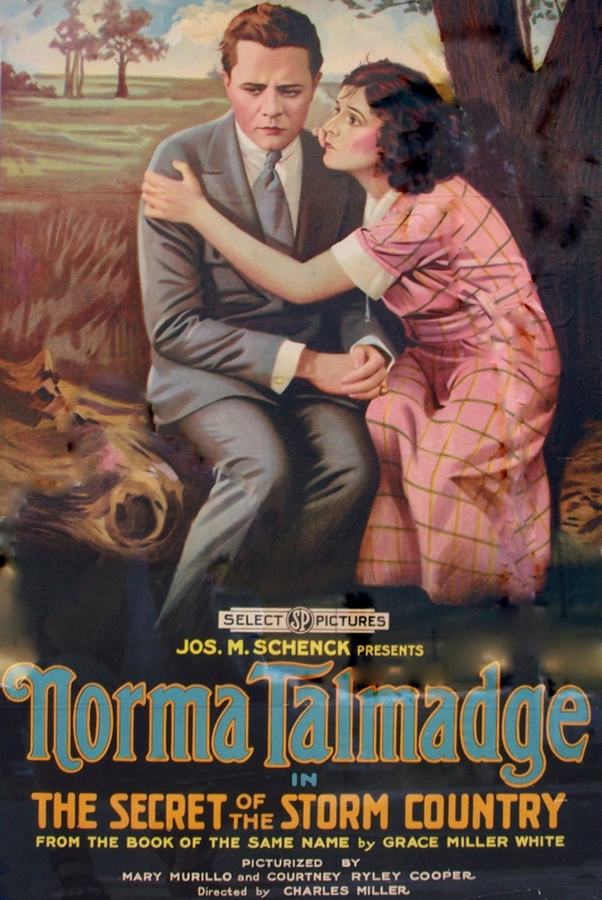
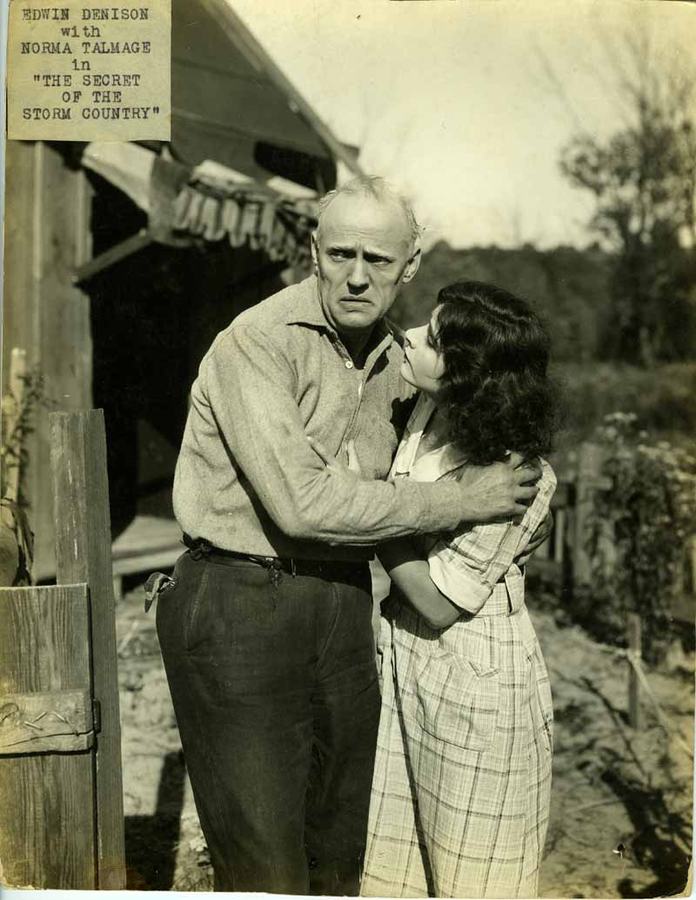
Stepping back into the hallowed, hushed halls of early cinema, one often finds narratives that, despite their antiquated presentation, resonate with a timeless power. Such is the case with The Secret of the Storm Country, a 1917 silent masterpiece that thrusts its audience into a maelstrom of societal judgment, forbidden love, and profound sacrifice. At its core, this film, anchored by the luminous presence of Norma Talmadge, is a searing indictment of hypocrisy and a poignant testament to the indomitable spirit of a woman ostracized by circumstance. It’s a narrative that, even without spoken dialogue, screams volumes about the human condition, inviting us to ponder the true cost of moral cowardice and the quiet strength found in unwavering loyalty.
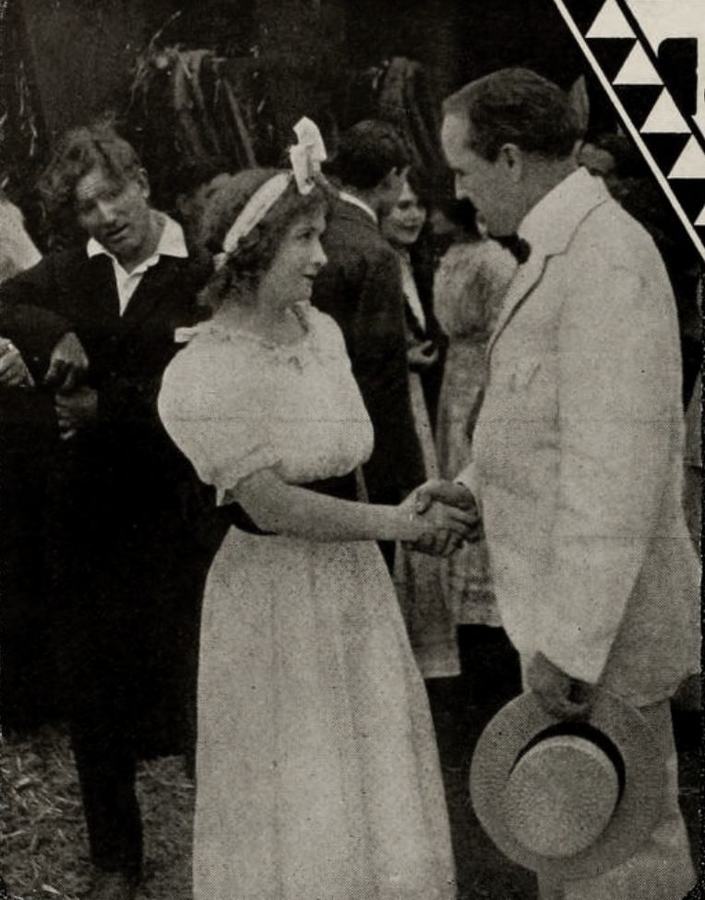
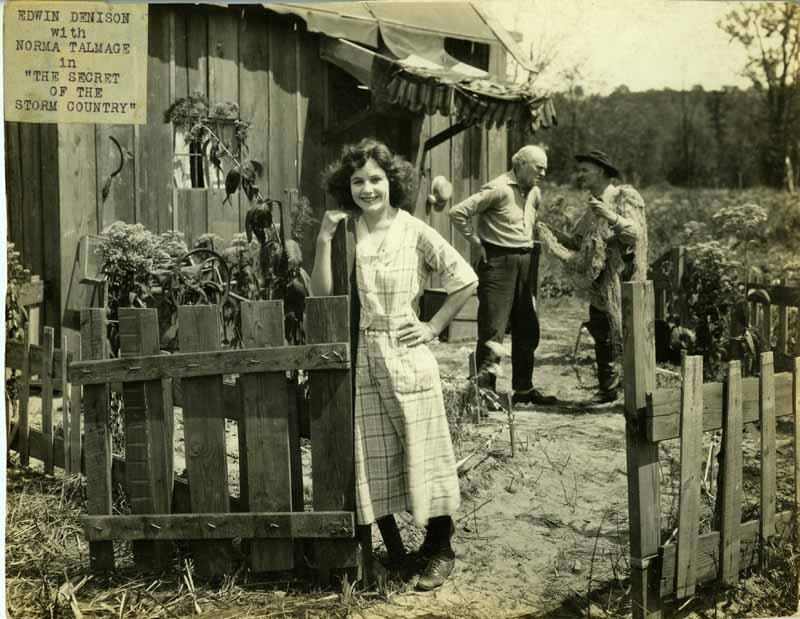
The film introduces us to Tess Skinner, a character whose very existence is a challenge to the rigid social order of her community. Her father, a simple squatter, is enough to brand her an outsider, a pariah in a town quick to condemn those who don't fit neatly into its established hierarchy. This immediate sense of alienation sets the stage for a drama rich in emotional complexity. Tess is not just poor; she is socially disenfranchised, her worth diminished in the eyes of others purely by her origins. Yet, it is precisely this innate purity and strength of character that draws the attention of Frederick Graves, a man from a world away from her own – a world of wealth, privilege, and societal acceptance. Their attraction blossoms into a clandestine romance, culminating in a secret marriage, a desperate bid for happiness against the backdrop of an unforgiving society. This secret union, however, is not a shield but a ticking time bomb, destined to detonat with devastating consequences.
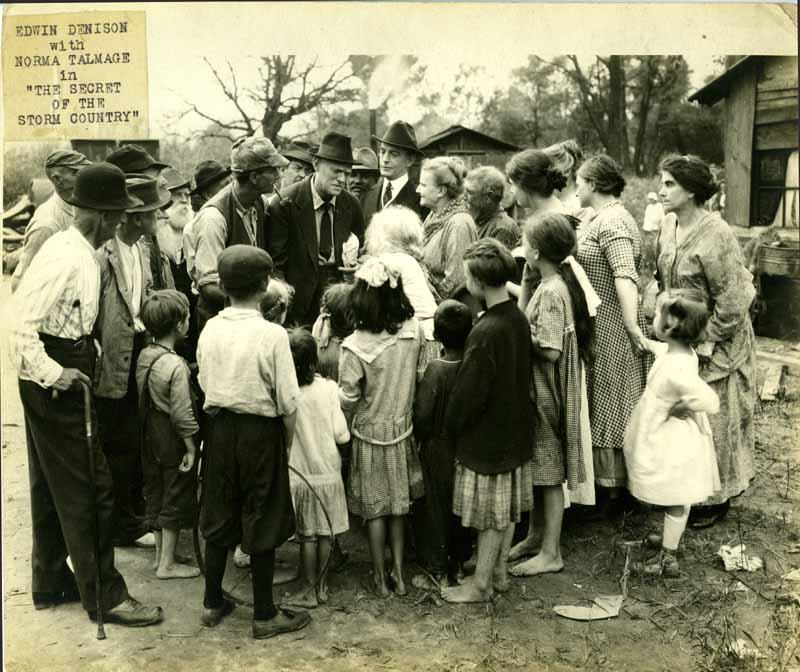
Frederick, though seemingly enamored, possesses a fatal flaw: a profound lack of moral courage. When his formidable mother, a matriarch embodying the very societal pressures that scorn Tess, insists upon his marriage to the heiress Madelene Waldersticker, Frederick crumples. Instead of confessing his existing marriage, he acquiesces, committing the egregious crime of bigamy. This act of profound betrayal and cowardice forms the tragic pivot of the story. Tess, now doubly a victim – of society’s prejudice and her husband’s weakness – makes a choice that defines her heroic stature. For Frederick’s sake, she conceals his crime, bearing the crushing weight of his transgression in silence. This decision is not born of naiveté but of a deep, self-sacrificing love, a love that elevates her far above the man she protects. Her silence is a profound act of grace, yet one that will inevitably lead her down a path of further suffering.
The narrative then plunges Tess into an even deeper abyss of public humiliation. As her pregnancy becomes evident, she is summoned before a council of churchmen, the very arbiters of moral rectitude in her community. They demand the name of her child’s father, a demand she steadfastly refuses, upholding her vow of silence to protect Frederick. This refusal, born of loyalty and self-sacrifice, is interpreted as defiance and sin. Consequently, Tess is banished from the church, excommunicated and cast out, stripped of her spiritual community and further isolated from human kindness. This scene is particularly potent, highlighting the harsh judgment often meted out by institutions claiming moral authority, especially against vulnerable women. It’s a chilling reminder of how societal structures can punish the innocent while shielding the culpable.
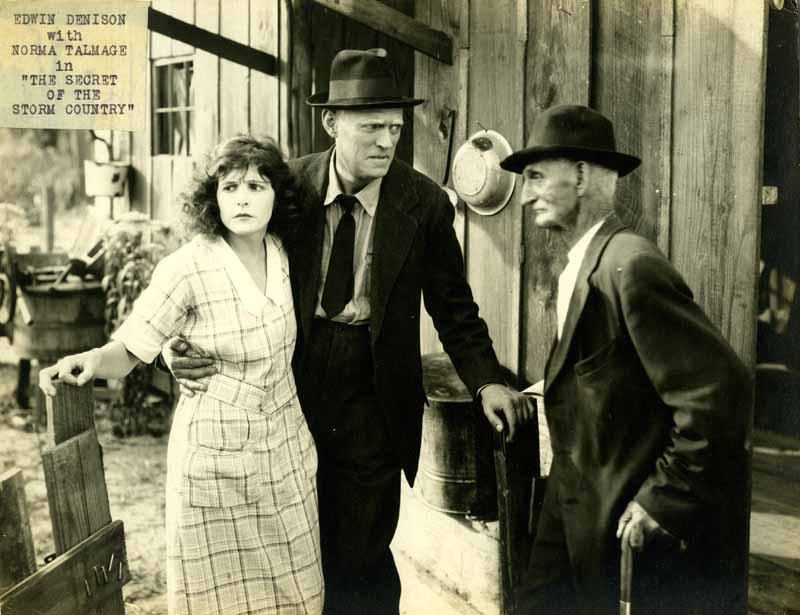
Alone, and soon orphaned by the death of her father, Tess’s plight seems insurmountable. Yet, it is in these darkest moments that true character emerges, not just in Tess, but in those around her. Enter Mr. Young, a middle-aged admirer whose quiet devotion stands in stark contrast to Frederick’s volatile affections. He offers Tess and her baby the sanctuary of his home, a beacon of unconditional kindness in a world that has shown her nothing but scorn. Mr. Young represents a different kind of love – not the passionate, impulsive kind that led to Tess’s initial predicament, but a steadfast, protective affection, built on respect and genuine care. His presence introduces a crucial element of hope and stability, anchoring Tess in a new reality where she is valued, not judged. This relationship, initially one of protection, slowly evolves, providing a quiet counterpoint to the earlier melodrama.
Years pass, and the secret, though buried, continues to shape Tess’s life. Fate, however, has one more dramatic twist in store. Frederick Graves, the man whose weakness set this tragic chain of events in motion, dies of a heart attack. His sudden demise liberates Tess from her burdensome secret, allowing her, finally, to shed the shadow of his bigamy. In a beautiful, understated resolution, Tess rewards Mr. Young’s unwavering faithfulness by becoming his wife. This ending is not a grand, romantic spectacle, but a quiet affirmation of enduring love and gratitude, a testament to the idea that true partnership can be forged in the crucible of adversity and sustained by genuine companionship. It's a conclusion that feels earned, reflecting Tess's journey from outcast to cherished partner, finding peace after relentless turmoil.
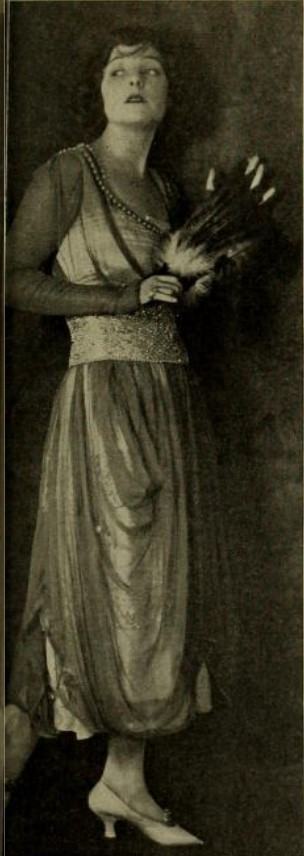
Norma Talmadge, as Tess, delivers a performance that is nothing short of mesmerizing. In an era before spoken dialogue, the power of expression rested entirely on the actor's ability to convey emotion through movement, gesture, and facial nuance. Talmadge masterfully navigates Tess's emotional landscape, from the initial joy of secret love to the crushing weight of public shame, the quiet dignity of her sacrifice, and finally, the serene contentment found in a hard-won peace. Her eyes, often brimming with unshed tears or radiating fierce determination, speak volumes. She embodies Tess's resilience with a grace that is both heartbreaking and inspiring, solidifying her status as one of the silent era's most compelling actresses. Her portrayal elevates the film beyond a simple melodrama, transforming it into a profound character study of a woman against the world. Ethel Grey Terry, J. Herbert Frank, and Niles Welch, among others, provide solid supporting performances, creating a believable world around Talmadge’s central figure, though it is undeniably her film.
The direction, by Charles Giblyn, though not overtly flashy, is effective in its storytelling. The cinematography, while typical of its period, effectively uses close-ups to capture Talmadge’s powerful emotional range and wide shots to establish the stark contrast between Tess’s humble beginnings and Frederick’s opulent world. The pacing allows the emotional beats to land with maximum impact, giving the audience time to absorb Tess’s suffering and resilience. The film’s visual language, though limited by the technology of the time, is surprisingly sophisticated in conveying complex themes without relying on intertitles for every nuance. It’s a testament to the skill of silent filmmakers that they could craft such rich narratives with the tools at hand.
Comparing The Secret of the Storm Country to other films of its era provides valuable context for its thematic depth. The pervasive theme of a strong, often ostracized female protagonist battling societal prejudice is echoed in films like The Pride of the Clan, where Mary Pickford’s character similarly faces community disapproval. Both films explore the resilience of women who defy social norms or expectations, portraying their struggles with a mixture of melodrama and genuine emotional insight. The burden of a secret, and the moral quandaries it creates, finds a parallel in films such as Sealed Lips, though the nature of the secrets and their consequences differ. While Sealed Lips might delve into criminal elements, The Secret of the Storm Country focuses more intensely on the personal and societal fallout of a moral transgression. The theme of female sacrifice and unwavering loyalty, even in the face of immense personal cost, is also strongly reminiscent of the emotional core found in La Belle Russe, where a woman’s life is similarly shaped by difficult choices and enduring hardship for the sake of others.
Historically, The Secret of the Storm Country offers a fascinating window into early 20th-century American society. It reflects the rigid class distinctions, the pervasive influence of religious institutions in community life, and the often-harsh judgment meted out to those who deviated from prescribed moral codes, particularly women. The film’s portrayal of Tess’s excommunication is not merely a plot device; it’s a stark social commentary on the power dynamics within small communities and the vulnerability of individuals against institutional authority. It also subtly critiques the patriarchal structures that allowed men like Frederick to escape consequences while women like Tess bore the full brunt of societal condemnation. The film, therefore, is more than just a dramatic tale; it’s a historical document, revealing the prevailing attitudes and anxieties of its time. It’s a testament to how silent cinema could engage with serious social issues, often through the lens of heightened personal drama.
The film's enduring appeal lies not just in its dramatic narrative or Talmadge's stellar performance, but in its exploration of universal themes that transcend time. Questions of justice, forgiveness, loyalty, and the true meaning of family resonate just as powerfully today as they did over a century ago. Tess’s journey from societal outcast to a woman who finds quiet contentment through unwavering integrity speaks to the enduring human desire for acceptance and peace. Her story reminds us that strength often manifests not in grand gestures, but in quiet endurance and steadfast love. The melodramatic flourishes, characteristic of the era, serve to amplify these themes, making the emotional stakes incredibly high and the ultimate resolution deeply satisfying.
In a cinematic landscape often dominated by spectacle and rapid-fire dialogue, returning to a film like The Secret of the Storm Country is a refreshing experience. It demands a different kind of engagement from the viewer – one that requires patience, observation, and an openness to emotional storytelling conveyed through visual poetry. It’s a powerful reminder of the artistry of silent film and the profound impact it had on developing the language of cinema. For enthusiasts of classic Hollywood, or indeed anyone interested in the evolution of storytelling, this film is an essential watch. It offers not only a glimpse into the past but also a timeless narrative about the resilience of the human spirit in the face of overwhelming adversity. Norma Talmadge’s Tess Skinner remains an unforgettable figure, a beacon of strength and sacrifice whose silent suffering and ultimate triumph continue to captivate and inspire. Her journey is a profound exploration of dignity found amidst disgrace, and love that perseveres beyond betrayal, culminating in a quiet, hard-earned peace.
IMDb 5.7
1911
Community
Log in to comment.