DbcultAccessing Vault...
5.8/10
Senior Film Conservator
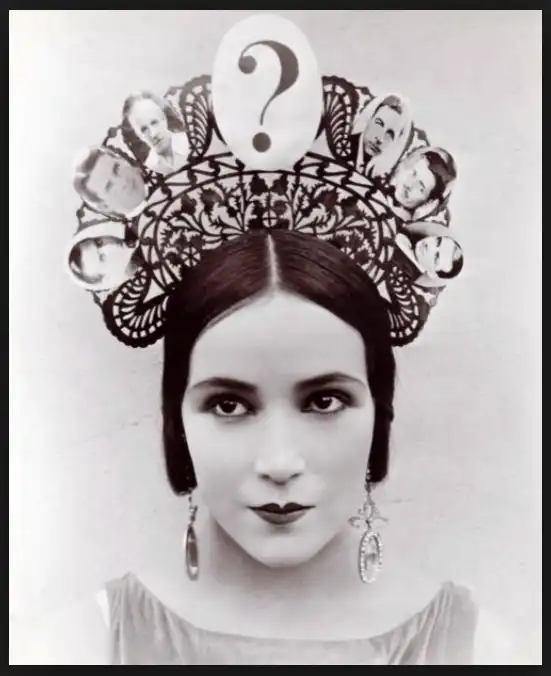
A definitive 5.8/10 rating for a film that redefined the boundaries of cult cinema. The Bad One remains a cornerstone of transgressive art.
If you’re into classic movies, especially those early talkies trying to figure things out, then The Bad One might be worth a look. Folks who expect modern pacing or perfectly logical plot turns, though, probably ought to just skip it. This one’s for the patient, the curious, and anyone fascinated by stars like Dolores Del Río in her prime.
The story itself, it’s a bit of a standard for its era. Edmund Lowe plays a sailor, Mac, who docks in Marseilles and quickly falls for Lita, a dancing girl played by the absolutely radiant Dolores Del Río. You know how these things go, right? Instant sparks, a whirlwind romance, and then, well, complications. Lots of them.
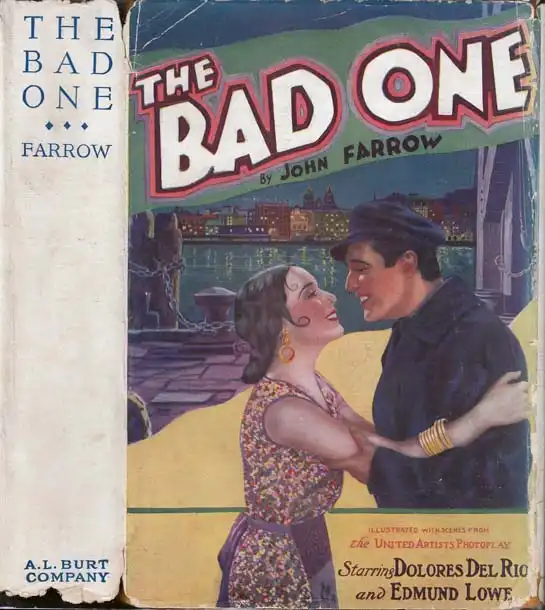
Del Río, she just owns every frame, you know? Her presence is undeniable, even when the dialogue feels a little stiff. She brings this incredible fire to Lita, making you believe she’s really the kind of woman who could turn a sailor's head upside down, consequences be darned.
Lowe’s Mac is a decent enough lead, but he sometimes feels a bit outmatched by Del Río's energy. There’s this one scene, where he's just sitting there, staring out at the harbor. It goes on a bit. You feel the weight of his thoughts, but also maybe the editor just let it run a touch too long.
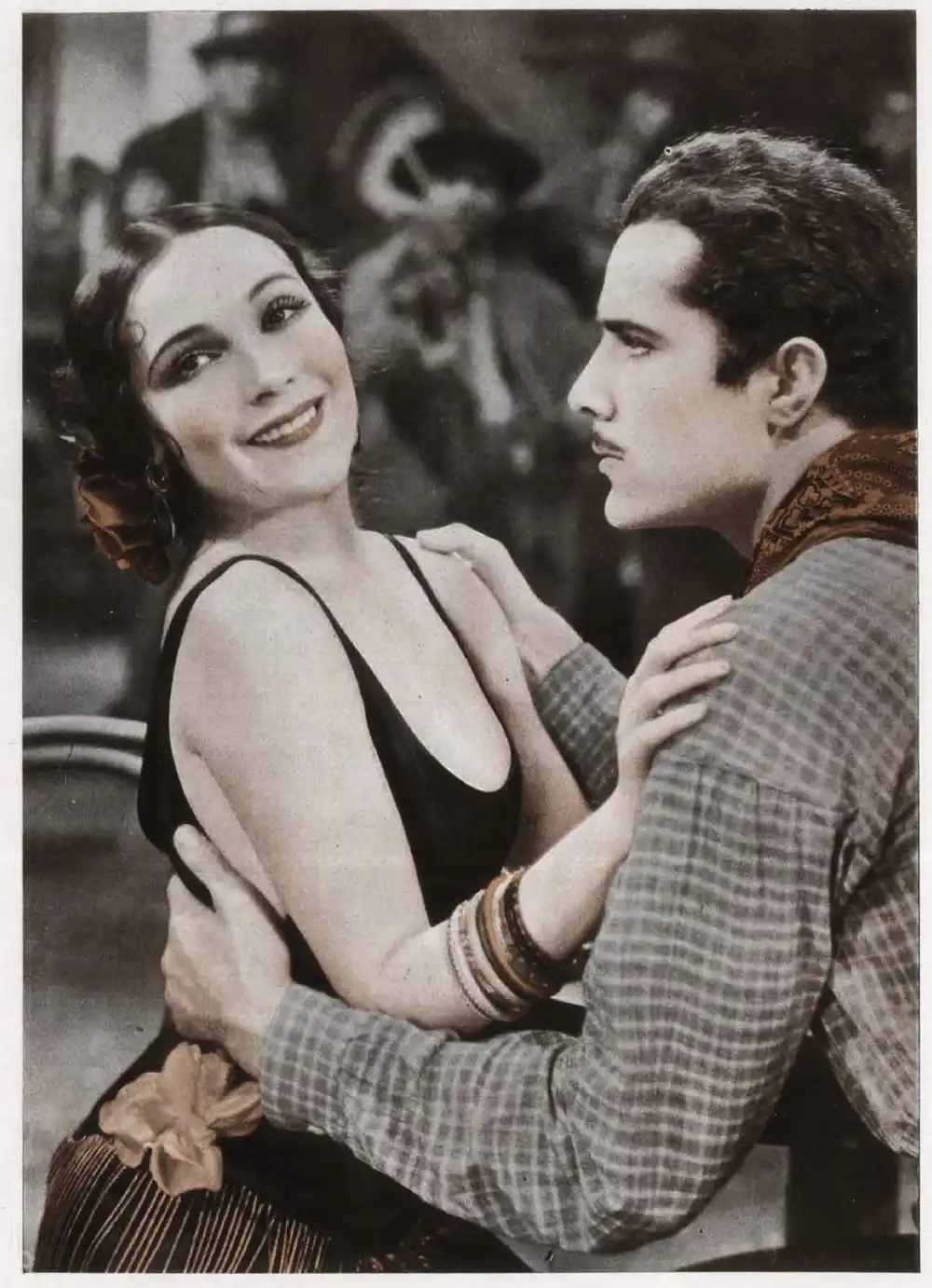
The whole Marseilles setting is pretty fun, actually. It’s got that slightly theatrical, Hollywood-version feel, but it works. Lots of bustling crowds and smoky dance halls, exactly what you’d expect from a foreign port in a 1930 film. They really lean into the atmosphere.
And Boris Karloff! Yeah, that Boris Karloff. 👀 He pops up for, like, two minutes as a dock worker. It's pretty wild to see him before he was all monster-famous. A total blink-and-you-miss-it part, but a neat little tidbit for horror fans watching this.
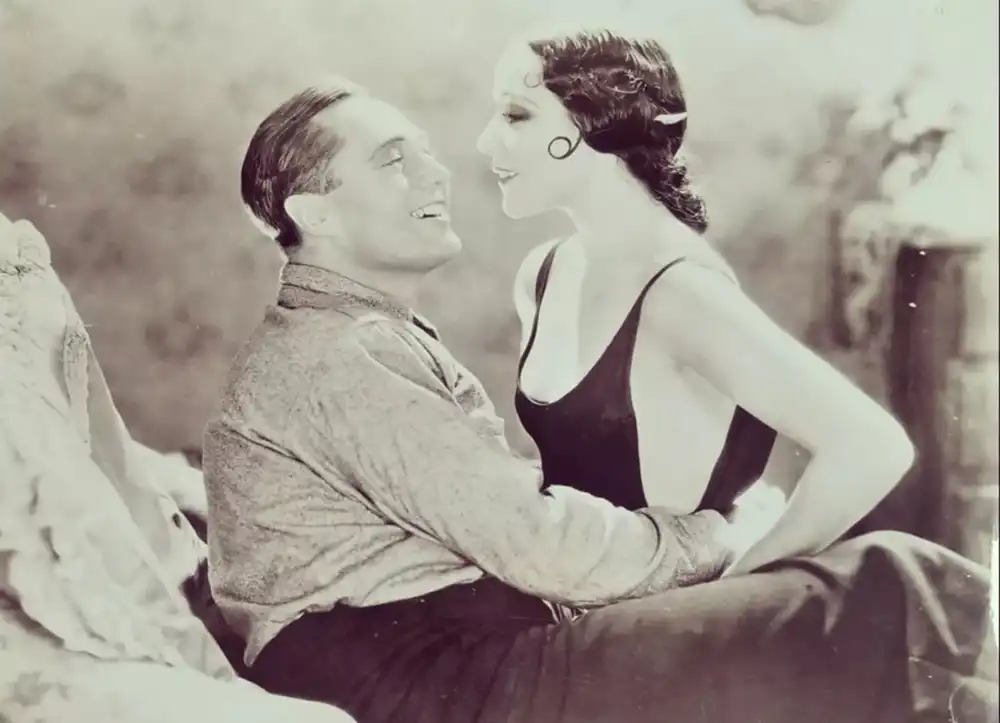
The “complicated romance” part of the plot, it comes from a whole mess of misunderstandings. And some folks trying to stir things up. It’s less about deep character flaws and more about characters not quite saying what they mean, or others misinterpreting. A common trope back then.
Some of the dialogue, you can tell it’s early sound. It’s not always natural, feels a bit performed. But then Del Río will deliver a line and you forget all that. Her eyes just sell it.
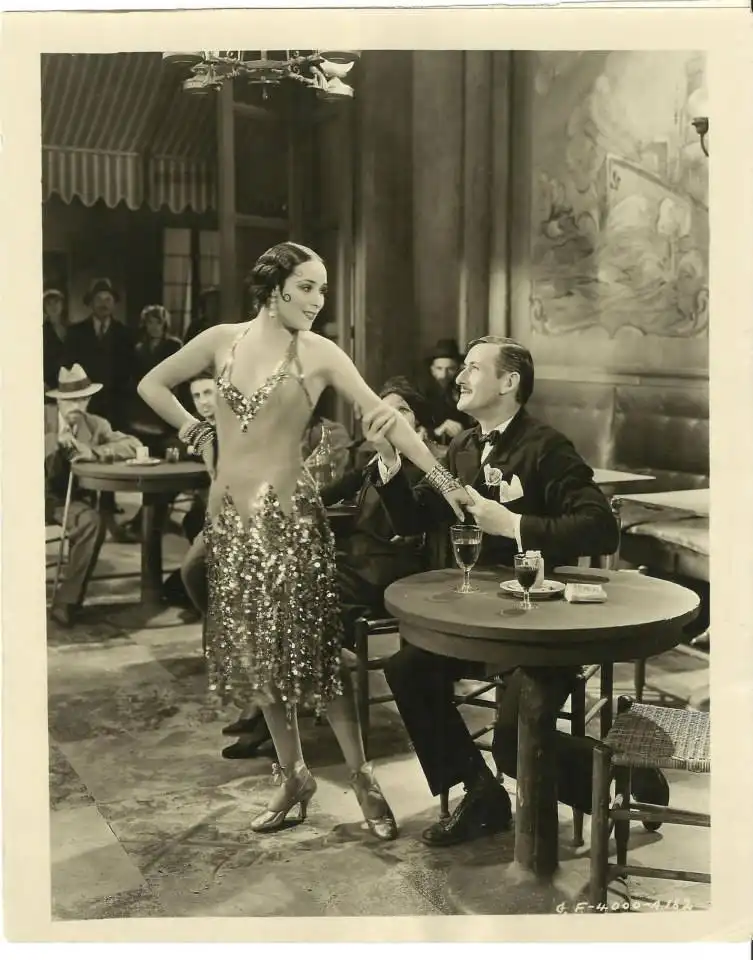
One moment, Mac is trying to convince Lita to come home with him. Her reaction shot lingers, and you see this mix of hope and fear flicker across her face. That was good acting. No words needed.
There are a few minor characters, like Adrienne D'Ambricourt's Madame Durand, who kinda just float around. They serve their purpose for the plot. But they don’t stick with you much.
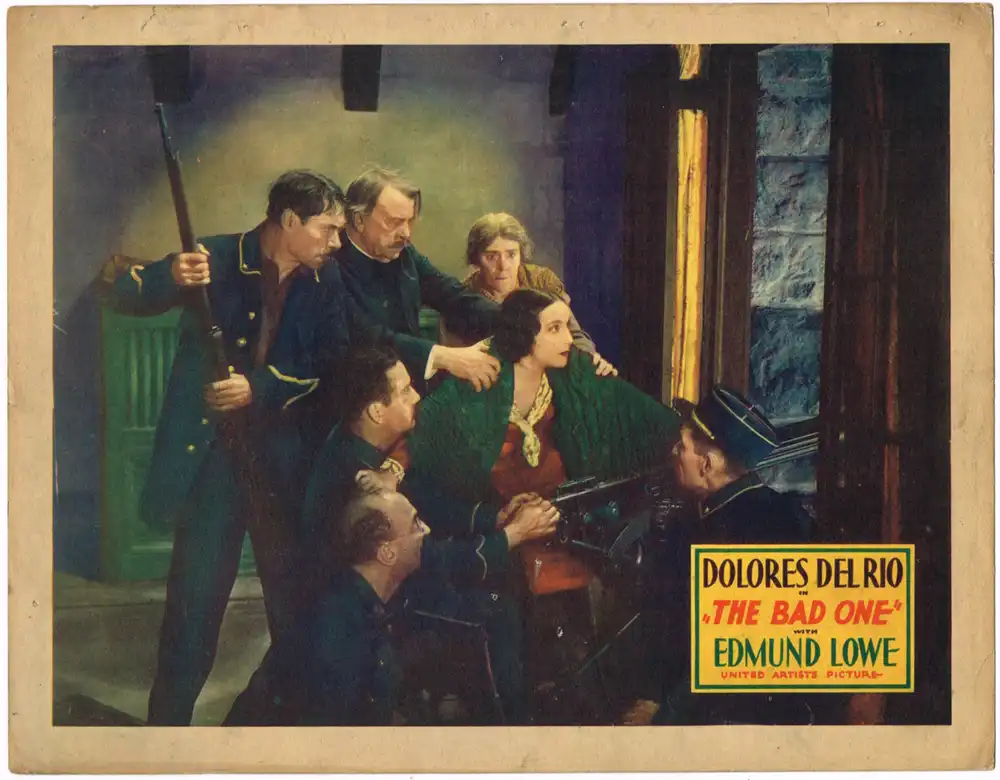
Honestly, the film gets noticeably better once it stops trying to be too serious about some of the drama. It leans into the melodrama a bit more. That’s when it feels like it finds its stride.
So, is Lita "the bad one?" Or is it the situation that makes everyone do bad things? The film plays with that idea, but doesn't hit you over the head with it. It lets you think a little.
It’s a curious piece of cinema history. Not a masterpiece, for sure. But it has its charms. Especially if you’re into spotting early performances from big names. Or just love the vibe of an old port town.
IMDb 2.2
1926
Community
Log in to comment.