DbcultAccessing Vault...
Cult Review
Senior Film Conservator
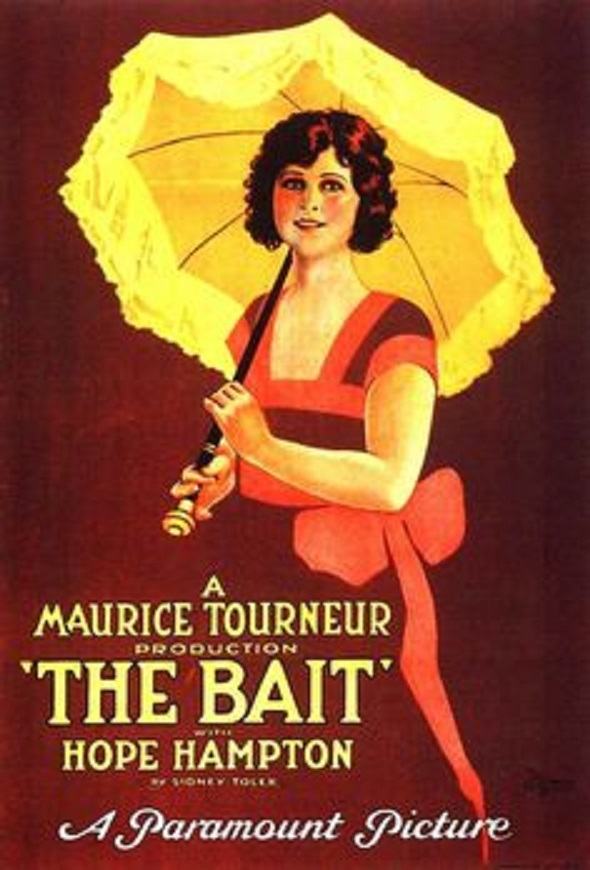
The opening frames of The Bait unfurl like a chiaroscuro painting, the camera lingering on rain‑slick cobblestones that glisten under the pallid glow of streetlamps. Bennett Barton (Joseph Singleton), introduced with a lingering close‑up that captures the flicker of calculation in his eyes, immediately establishes himself as a master of guile. The film’s visual language, dominated by stark contrasts, mirrors the moral ambiguity that permeates the narrative. Barton’s plan—using the beguiling Joan Granger (Rae Ebberly) as a living lure—unfolds with a meticulousness that feels almost surgical, each scene a carefully placed stitch in a larger tapestry of intrigue.
Joan’s character arc is a study in tragic elegance. From her first appearance, she exudes a luminous innocence that starkly contrasts with Barton’s shadowy world. The cinematography frames her in soft focus, bathing her in a muted sepia that suggests both vulnerability and an ethereal quality. As Barton manipulates her, the audience is forced to confront the uncomfortable reality that beauty can be weaponized. Ebberly’s performance oscillates between fragile compliance and quiet defiance, a duality that resonates deeply when she finally confronts the truth of her exploitation.
John Warren (Dan Crimmins), the unsuspecting millionaire, embodies the archetype of the respectable elite whose veneer hides a susceptibility to scandal. His polished demeanor, captured through meticulously composed tableau shots, is gradually eroded as Barton’s blackmail scheme tightens its grip. The film’s use of mirrors and reflective surfaces during Warren’s scenes is a visual metaphor for his fractured identity, a technique reminiscent of the visual motifs found in Good and Evil. As the blackmail threatens to expose his hidden indiscretions, Warren’s desperation becomes palpable, culminating in a performance that balances dignified composure with raw, unguarded panic.
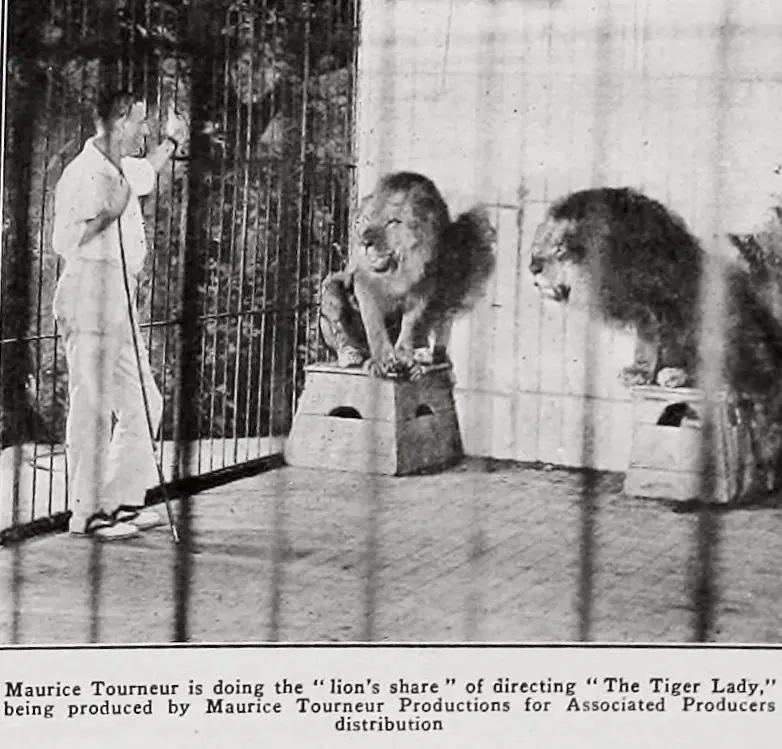
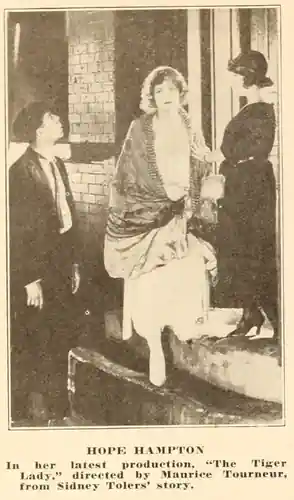
The ensemble surrounding Barton, Joan, and Warren adds layers of complexity. Poupée Andriot’s role as the conspiratorial confidante provides a sardonic counterpoint, her sharp dialogue punctuated by a sardonic smile that hints at hidden motives. Harry Woodward, portraying the stoic enforcer, offers a physical presence that contrasts with the film’s otherwise ethereal aesthetic. Hope Hampton’s fleeting appearance as a socialite introduces a glimpse of the world’s glittering surface, reminding viewers of the stakes at play. James Gordon and Jack McDonald round out the cast, delivering performances that, while brief, are imbued with a gravitas that underscores the film’s thematic weight.
John Gilbert and Sidney Toler’s screenplay is a masterclass in economical storytelling. The narrative arc adheres to a classic three‑act structure, yet each act is infused with a relentless momentum that never allows the viewer to settle. The inciting incident—Barton’s decision to employ Joan as bait—propels the plot forward with a sense of inevitability. The middle act, marked by escalating threats and the gradual unraveling of Warren’s secrets, maintains a taut rhythm through expertly timed cross‑cutting between Joan’s growing dread and Barton’s calculated moves. The climax, a confrontation that blurs the line between predator and prey, delivers a cathartic release while simultaneously leaving a lingering sense of moral ambiguity.
Cinematographer Dan Crimmins (who also appears on screen) employs chiaroscuro lighting to accentuate the film’s thematic dualities. The recurring motif of a single candle flickering in a darkened room serves as a visual metaphor for the fragile hope that Joan clings to amidst her manipulation. The use of deep focus shots during the blackmail exchanges allows the audience to simultaneously observe the characters’ facial expressions and the oppressive environment that surrounds them. This technique echoes the visual language of The High Hand, where depth of field is used to convey psychological tension.
The set design captures the opulent decay of the early 1920s, juxtaposing gilded interiors with the grime of the city’s underbelly. Barton’s lair, adorned with heavy drapes and tarnished brass fixtures, exudes an air of clandestine power, while Warren’s mansion is a study in polished marble and crystal chandeliers that seem to mask the rot beneath. The contrast underscores the film’s central theme: the veneer of wealth often conceals a darker reality.
Although a silent film, the accompanying score—performed live in many original screenings—plays a crucial role in shaping the emotional landscape. The composition weaves a haunting melody that swells during moments of revelation, then recedes into a low, throbbing rhythm during the blackmail sequences. This auditory contrast amplifies the visual tension, creating a symbiotic relationship between image and sound that remains effective even in modern viewings.
When positioned alongside its contemporaries, The Bait distinguishes itself through its unflinching portrayal of manipulation as a commodity. While Love Everlasting romanticizes devotion, and The Prospector’s Vengeance glorifies frontier justice, The Bait delves into the murky waters of exploitation, presenting a narrative that feels unsettlingly modern. Its thematic resonance can also be traced to the psychological undercurrents of Madame Peacock, where the protagonist’s agency is similarly compromised by external forces.
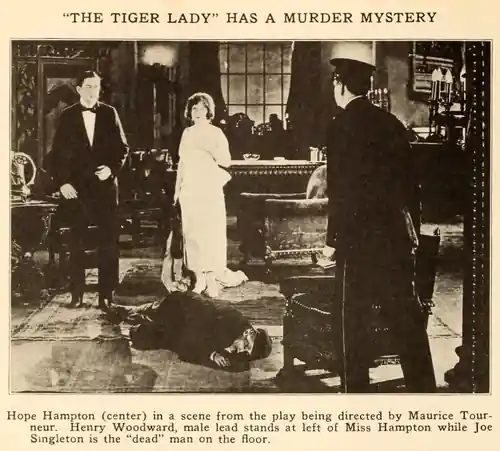
Joseph Singleton’s portrayal of Barton is a study in controlled menace. He conveys a spectrum of intent through subtle gestures—a raised eyebrow, a lingering hand on the brim of his hat—without uttering a single word. Rae Ebberly’s Joan, meanwhile, utilizes expressive eyes and delicate hand movements to communicate internal conflict, a performance that underscores the potency of silent acting. The chemistry between the leads, though wordless, crackles with tension, making their interactions some of the film’s most compelling moments.
At its core, The Bait interrogates the dynamics of power and gender. Joan’s role as bait highlights a patriarchal exploitation where a woman's allure is commodified for financial gain. Barton’s manipulation of both Joan and Warren reveals a cynical view of morality, suggesting that ethical boundaries are porous when profit is at stake. The film’s conclusion—leaving the audience uncertain whether justice is served—forces a reflection on the nature of retribution in a world where the lines between victim and perpetrator are blurred.
Nearly a century after its release, The Bait retains a haunting relevance. Its exploration of blackmail, media manipulation, and the objectification of beauty prefigures contemporary discourses surrounding celebrity culture and digital privacy. Film scholars often cite it as a precursor to noir aesthetics, noting its chiaroscuro lighting, morally ambiguous protagonists, and fatalistic tone. The movie’s preservation in several archives underscores its status as a cultural artifact worthy of study.
The editing, executed with a deft hand, maintains a rhythm that mirrors the escalating stakes. Cross‑cutting between Joan’s clandestine meetings with Barton and Warren’s increasingly frantic attempts to safeguard his reputation creates a palpable sense of urgency. The final sequence, edited with rapid intercuts of shattered glass and frantic footsteps, culminates in a climax that feels both inevitable and shocking.
The Bait stands as a testament to the silent era’s capacity for sophisticated storytelling. Its layered characters, visual symbolism, and thematic daring make it a compelling study for both cinephiles and scholars. The film’s ability to provoke introspection about exploitation, power dynamics, and the fragility of reputation ensures its place in the pantheon of timeless cinema.
IMDb 6.6
1933
Community
Log in to comment.