DbcultAccessing Vault...
4/10
Senior Film Conservator
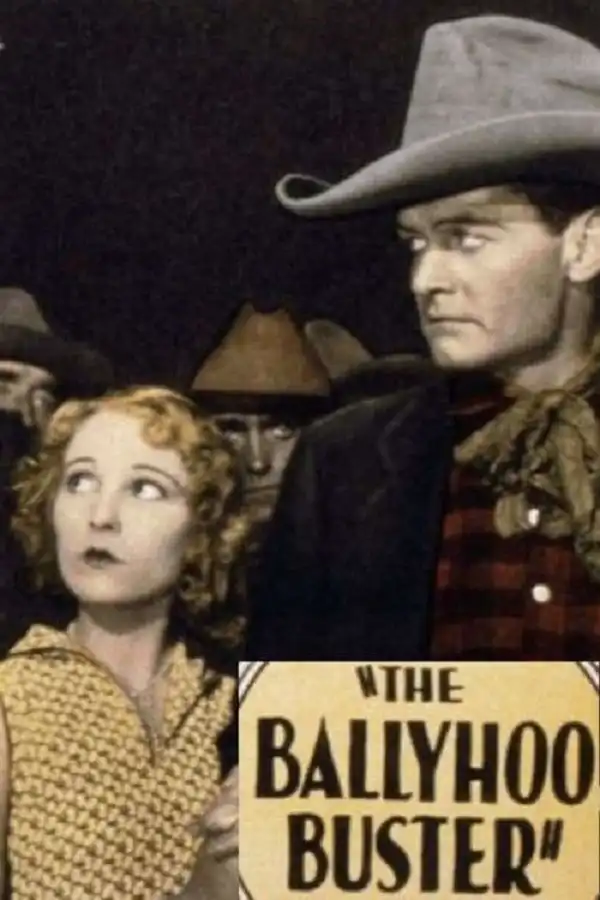
A definitive 4/10 rating for a film that redefined the boundaries of cult cinema. The Ballyhoo Buster remains a cornerstone of transgressive art.
You should probably only watch The Ballyhoo Buster if you have a specific soft spot for the late-silent era B-Westerns or if you’re tracking the early, workmanlike career of Richard Thorpe. It’s not a 'lost masterpiece' by any stretch. It’s a 50-minute sprint that feels like it was made by people who had a train to catch. If you’re looking for a sweeping epic, you’re in the wrong place. But if you like watching Jay Wilsey (billed here as Buffalo Bill Jr.) look genuinely annoyed while wearing a very tall hat, it’s worth the time.
The movie starts with a cattle sale that feels surprisingly grounded. There’s a scene where Bob Warner (Wilsey) is counting out his money, and the way he handles the cash feels real—not like movie prop money, but like a guy who actually knows what a dollar is worth. Then he meets two guys who are so obviously villains that you want to yell at the screen. They drug him, which is a classic trope, but the way it’s filmed is so abrupt. One minute they’re sharing a drink, the next Wilsey is slumped over a table like a sack of flour. The transition is so fast it’s almost funny.
What follows is the weirdest part of the movie. Instead of just tracking them down like a normal cowboy, Bob joins a medicine show. He becomes a 'barker' and a fighter. The medicine show set looks incredibly flimsy. You can see the canvas of the tents flapping in the wind, and the 'crowd' looks like about fifteen locals who were probably paid in sandwiches to stand there and look impressed. There’s a specific shot of a kid in the background of the medicine show scene who is clearly staring directly at the camera, completely breaking the fourth official wall, and nobody cared enough to do a second take. I love stuff like that.
Wilsey’s performance is... physical. He’s not doing much with his face—silent acting often leans into melodrama, but he stays pretty stoic—but he moves well. When he’s in the ring, offering a reward to anyone who can last three rounds with him, he actually looks like he could take a punch. It reminds me a bit of the energy in High Power, where the focus is more on the grit of the job than the glory of the hero.
The moment he spots the crooks in the audience is the highlight. He’s mid-fight, punching some poor extra, and he just freezes. The edit here is a bit jarring; it cuts to a close-up of the two villains that feels like it was filmed in a completely different lighting setup. They look greasy and uncomfortable. The chase that ensues is standard fare, but Thorpe keeps the camera moving enough that it doesn't feel stagnant. It’s not as fluid as something like The Talk of the Town, but for a 1928 budget Western, it’s functional.
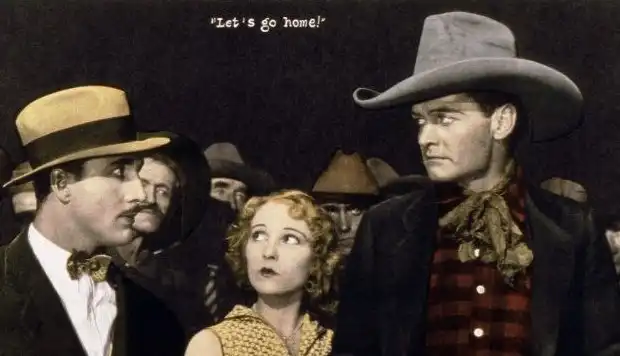
One thing that bothered me: the chemistry with Peggy Shaw. She’s there, she’s fine, but their scenes together feel like they were shot on a lunch break. There’s no real spark, just two people standing near each other until the plot tells them to move. It’s a common problem in these 'Poverty Row' productions where the romance is just a box to check.
The fight in the ring goes on a little too long. You can tell they were trying to pad the runtime. There’s a lot of circling and a lot of very obvious 'stage' punching where the fist misses the face by a good six inches, but the extra still flies backward. However, there’s a weirdly effective bit of business with the medicine show 'professor' (the guy selling the fake cure-alls) trying to keep the crowd hyped. He’s got this nervous energy that feels totally different from the rest of the cast.
The costumes are also worth a mention. Wilsey’s outfit stays remarkably clean for a guy who has been drugged, robbed, and forced into a traveling circus. His hat never seems to lose its shape. It’s that weird movie logic where the hero’s wardrobe is invincible. Compare that to the villains, who look like they haven’t washed their shirts since the McKinley administration.
If you've seen things like The Avenging Trail, you know the vibe. It’s a movie that exists to fill a slot in a theater schedule. But there’s something about the way these silents were put together—the physical reality of the locations, the dust, the way the horses actually look tired—that makes them more watchable than a lot of modern, over-polished direct-to-streaming action movies.
It’s not a film that’s going to change your life. It’s not even the best thing Richard Thorpe did that year. But as a snapshot of Jay Wilsey at the height of his 'Buffalo Bill Jr.' fame, it’s a decent enough way to spend an hour. Just don’t expect any deep psychological insights into the mind of a cattleman. He wants his money back, he punches some people, and the credits roll. Sometimes that’s enough.
IMDb 4.8
1928
Community
Log in to comment.