DbcultAccessing Vault...
6.7/10
Senior Film Conservator
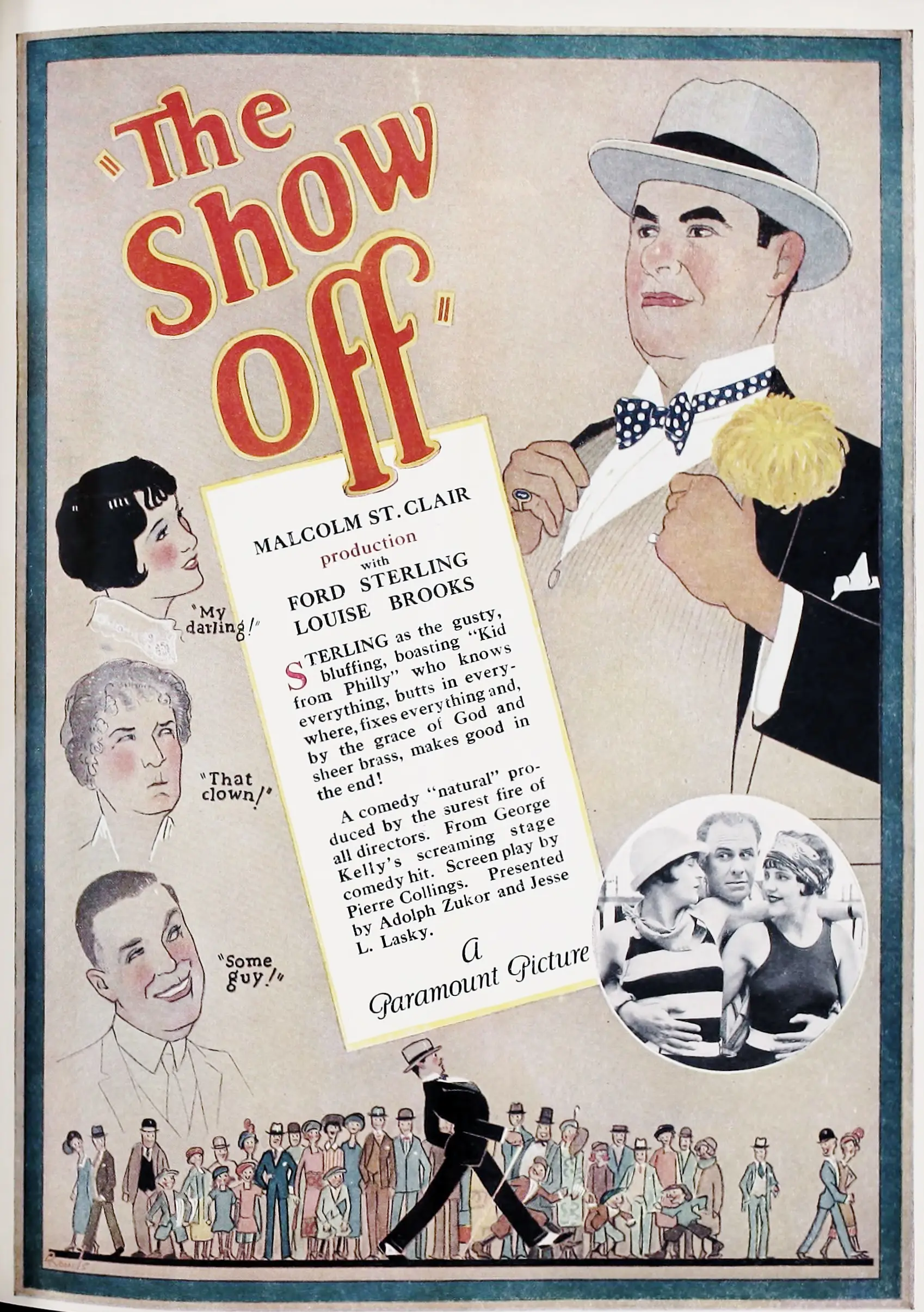
A definitive 6.7/10 rating for a film that redefined the boundaries of cult cinema. The Show-Off remains a cornerstone of transgressive art.
Is The Show-Off worth your time in the modern era? Short answer: Yes, but only if you have the stomach for a character study that feels uncomfortably close to modern social media posturing.
This film is for viewers who enjoy sharp social satire and character-driven comedy. It is absolutely not for those who want a lighthearted, slapstick romp or a hero they can actually root for. Aubrey Piper is a parasite, and the film asks you to watch him feast.
This film works because it perfectly captures the claustrophobic anxiety of being tied to a pathological liar who mistakes noise for importance.
This film fails because the third-act resolution rewards the protagonist's recklessness in a way that feels intellectually dishonest to the rest of the story.
You should watch it if you want to see Ford Sterling transition from broad slapstick to a nuanced, irritatingly realistic performance that predates the modern 'cringe' genre.
Aubrey Piper is a man defined by his accessories. He wears a loud tie, a carnation, and a smile that never quite reaches his eyes because he is too busy looking for his next audience. In the 1920s, this was a critique of the burgeoning white-collar class. Today, he looks like every person who ever tried to sell you a crypto course. He is a clerk, yet he speaks in the jargon of executives. He doesn't just lie to others; he lives in a permanent state of self-deception.
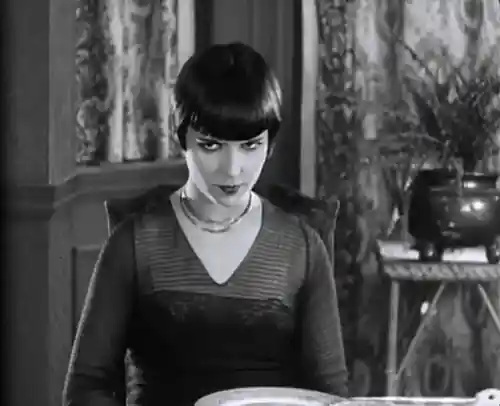
The film excels when it focuses on the domestic friction Aubrey creates. The Fisher family home becomes a pressure cooker. Every time Aubrey enters a room, the air leaves it. He laughs too loud at his own jokes. He slaps backs too hard. He is a physical manifestation of insecurity. Unlike the broader comedy found in Madame Behave, the humor here is derived from the silent, agonizing reactions of the people around him.
Take the scene where he describes his 'influence' at the railroad office while sitting in a modest living room. The camera lingers on the mother’s face. Claire McDowell plays Mrs. Fisher with a weary, sharp-tongued realism that anchors the film. She sees through him instantly. Her skepticism is the audience's lifeline. Without her, the film would be intolerable. With her, it becomes a fascinating battle of wills between truth and artifice.
While Ford Sterling is the engine of the film, the supporting cast provides the track. Louise Brooks, even in a secondary role, commands the screen with an effortless modernity. She represents the younger generation’s desire for excitement, which is exactly why she is susceptible to Aubrey’s nonsense—not because she believes him, but because he is the only thing in her world that isn't boring. Her performance is a stark contrast to the more theatrical styles of the era, making her feel like a visitor from a later decade.
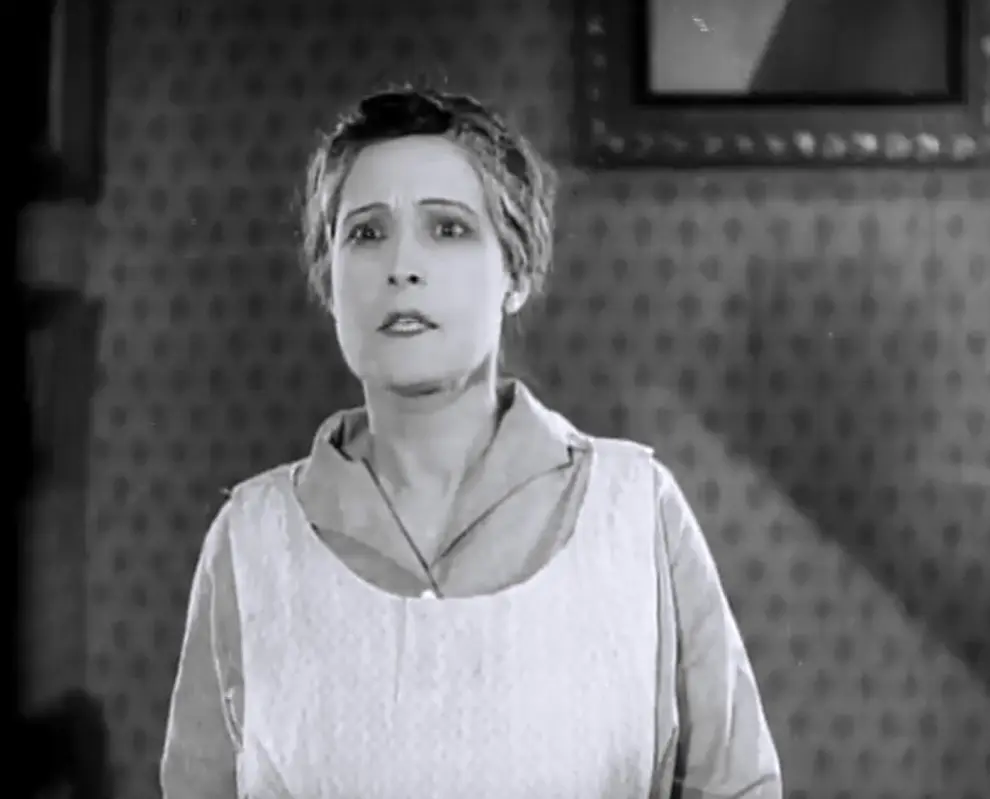
Then there is the father, played by Joseph W. Smiley. He is the silent sufferer, a man who has worked hard for a modest life only to see it threatened by a man who thinks work is for 'little people.' The tension between the father's reality and the son-in-law's fantasy is where the film finds its teeth. It isn't just funny; it’s a bit mean. And it should be. The film understands that people like Aubrey don't just annoy their families; they destroy them.
The casting choices here are superior to many contemporary efforts like Marrying Money. There is a weight to the Fisher household. You can almost smell the cabbage and the floor wax. This groundedness makes Aubrey’s flights of fancy feel even more absurd. He is a neon sign in a room lit by a single candle.
Director Malcolm St. Clair shows a surprising amount of restraint. In an era where many comedies relied on the frantic energy of Hold Your Breath, St. Clair lets the moments breathe. He understands that the funniest thing about a liar is the silence that follows his lies. The pacing is deliberate. It builds slowly, allowing the audience to feel the same mounting frustration that the Fisher family feels.
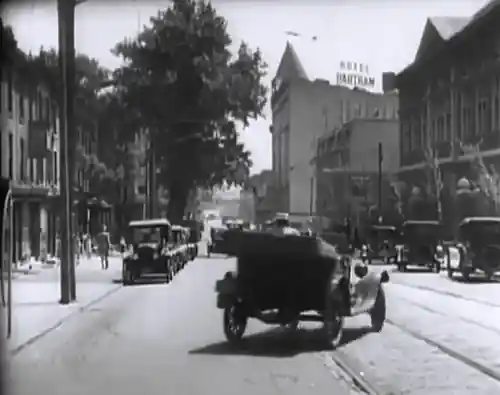
There is a specific moment after Aubrey causes a car accident where he continues to brag about his driving skills. The camera stays on him as he adjusts his hat, completely oblivious to the wreckage behind him. It’s a brutal visual metaphor for his entire life. He is a man who can walk away from a disaster he created and convince himself he won the race. This isn't the heroic escapism of The Count of Monte Cristo; it is the gritty reality of social failure.
The cinematography doesn't try to be fancy. It doesn't need to be. The framing is tight, emphasizing the smallness of the Fisher home. When Aubrey enters, he takes up too much space. He leans over tables. He paces. The camera tracks him like a predator, capturing every twitch of his forced grin. It is a masterclass in using space to tell a story of psychological dominance.
Yes, the film remains relevant because it explores the timeless theme of social posturing. It examines how individuals use lies to gain status. The character of Aubrey Piper reflects modern anxieties about wealth and reputation. It is a sharp look at middle-class desperation. It captures the universal experience of dealing with a person who refuses to live in reality.
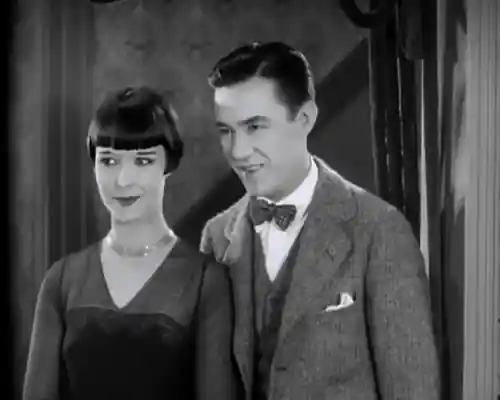
When you compare this to other films of the period, like The Mailman or A Rough Shod Fighter, the difference in maturity is striking. While those films often rely on external conflict—villains, physical danger, or moral crusades—The Show-Off finds its conflict internally. The villain isn't a man with a gun; it's a man with a loud mouth. It shares more DNA with The Ant in its observation of social hierarchies, though it is far more focused on the individual ego.
Even in the realm of comedy, it stands apart. While A Poor Fish or What a Whopper! might play with the idea of a man out of his depth for laughs, The Show-Off treats it with a touch of horror. We aren't just laughing at Aubrey; we are terrified of becoming him. Or worse, we are terrified of being the ones who have to pay his bills.
The film’s refusal to lean into the sentimentality found in The Girl Philippa or the moralizing of The Branded Soul is its greatest strength. It is a cold, hard look at a specific type of human failure. Aubrey doesn't learn a lesson. He doesn't grow. He just moves on to the next lie. It is a cynical, brilliant piece of filmmaking that feels more like a 1970s character study than a 1920s comedy.
The Show-Off is a bitter pill coated in a thin layer of sugar. It is a comedy about a man who should be in jail. Ford Sterling is magnificent in a role that must have been physically and emotionally draining. He captures the essence of the blowhard so perfectly that you will find yourself wanting to reach through the screen and strangle him.
The film is a fascinating artifact of a time when the American Dream was starting to look more like a sales pitch. It exposes the rot underneath the carnation. While the ending is a bit of a cop-out, the journey there is filled with sharp observations and genuine discomfort. It is a landmark of character acting. It works. But it’s flawed. And that makes it all the more human.
“Aubrey Piper isn't a hero; he's a warning. He is the man who believes his own press releases, even when he's the one who wrote them.”
IMDb —
1914
Community
Log in to comment.