DbcultAccessing Vault...
4.3/10
Senior Film Conservator
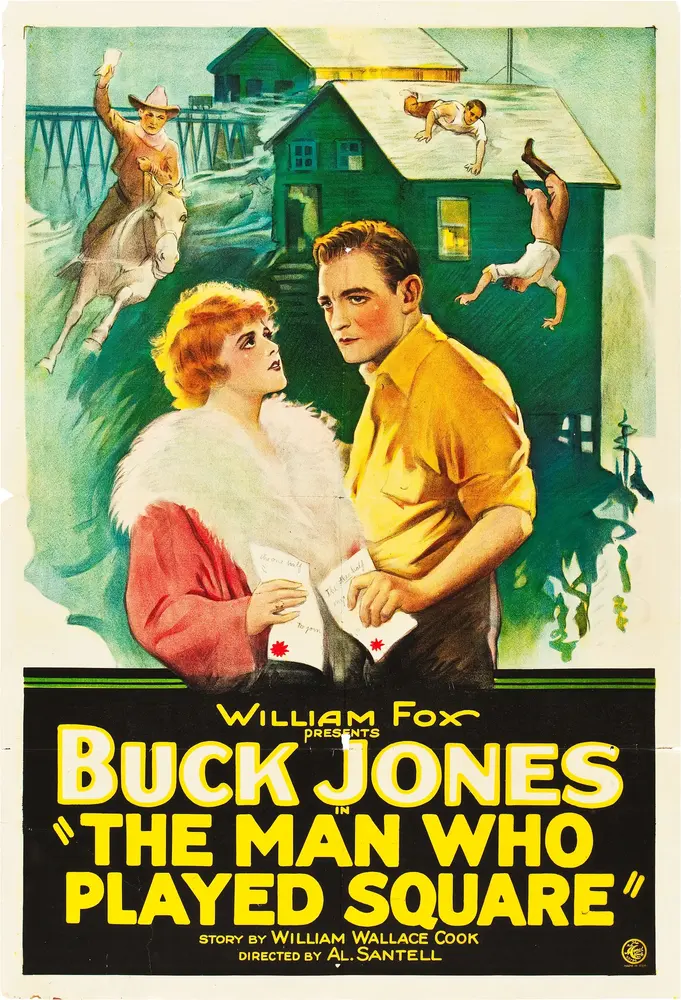
A definitive 4.3/10 rating for a film that redefined the boundaries of cult cinema. The Man Who Played Square remains a cornerstone of transgressive art.
The Man Who Played Square, a cinematic gem from the silent era, masterfully weaves a complex narrative of intrigue, deception, and the unyielding quest for truth. At its core, the film tells the story of Matt Black, a stoic rancher who inherits a substantial share of a Nevada gold mine, only to discover that the remaining half belongs to a young, mysterious girl named Bertie.
The arrival of Black at the mine sets off a chain reaction of events that skillfully keeps the audience engaged. With the help of his newfound allies, Black navigates the treacherous landscape of the mine, where nothing is as it seems. His decision to conceal his identity and take on a job as a miner is a bold move, fraught with danger and uncertainty.
The cast, comprising David Kirby, Hank Mann, and William Scott, among others, delivers performances that are both captivating and nuanced. Their portrayal of the characters adds depth to the narrative, making it easier for viewers to become fully immersed in the world of the film. The chemistry between the actors is undeniable, and their interactions are often laced with a sense of tension and unease, which serves to heighten the overall sense of drama and suspense.
The screenplay, penned by John Stone and William Wallace Cook, is a testament to the writers' skill in crafting a story that is both engaging and unpredictable. The dialogue, though silent, speaks volumes through the actors' expressions and actions. The pacing of the film is well-balanced, with a narrative that flows smoothly from one scene to the next.
In comparison to other films of its era, such as The Little Minister and New York Luck, The Man Who Played Square stands out for its unique blend of action, drama, and mystery. The film's themes of deception, loyalty, and the pursuit of justice are timeless, making it a work that continues to resonate with audiences today.
The cinematography is noteworthy, capturing the harsh realities of life in the gold mine, while also conveying the sense of unease and foreboding that permeates the narrative. The use of lighting and shadow adds to the overall atmosphere, creating a sense of tension that keeps viewers on the edge of their seats.
One of the most striking aspects of The Man Who Played Square is its ability to tackle complex themes and issues, such as the exploitation of the working class and the corrupting influence of power. These themes are skillfully woven throughout the narrative, adding depth and complexity to the story.
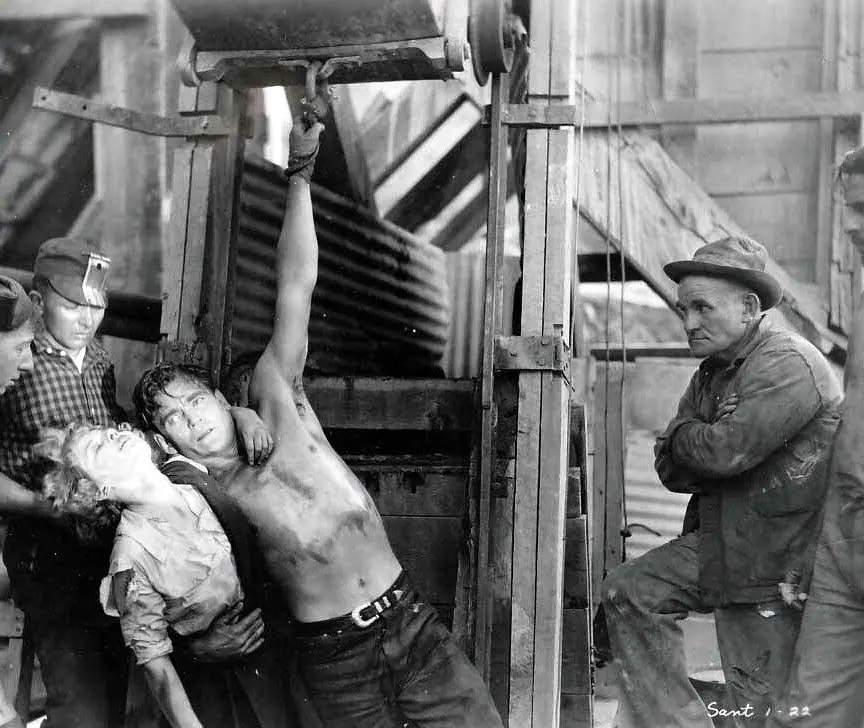
The character of Bertie, the young heiress, serves as a catalyst for the events that unfold. Her presence in the film is a reminder of the vulnerability and innocence that can often be exploited by those with malicious intentions. The portrayal of Bertie is a nuanced one, conveying both her strength and her vulnerability.
In examining the film's place within the broader context of silent cinema, it becomes clear that The Man Who Played Square is a work that defies easy categorization. It blends elements of drama, mystery, and action, creating a unique viewing experience that is both engaging and thought-provoking.
Films like Her Tender Feet and The Mutiny of the Elsinore share some similarities with The Man Who Played Square in terms of their exploration of complex themes and issues. However, the film's unique blend of action, drama, and mystery sets it apart from its contemporaries.
The performances in The Man Who Played Square are complemented by a richly detailed setting that immerses viewers in the world of the gold mine. The use of props, costumes, and set design all contribute to the film's overall sense of authenticity, making it easier for audiences to become fully engaged in the narrative.
The film's score, though not explicitly mentioned, is an integral part of its overall impact. The use of music and sound effects serves to heighten the sense of tension and drama, creating a viewing experience that is both immersive and engaging.
Upon reflection, it becomes clear that The Man Who Played Square is a masterpiece of silent cinema that continues to captivate audiences with its intricate plot, nuanced performances, and exploration of complex themes. It is a work that rewards close attention and reflection, offering insights into the human condition that are both profound and thought-provoking.
In conclusion, The Man Who Played Square is a must-see film that deserves to be recognized as a classic of the silent era. Its unique blend of action, drama, and mystery makes it a work that continues to resonate with audiences today, offering a viewing experience that is both engaging and thought-provoking.
IMDb 6.6
1929
Community
Log in to comment.