DbcultAccessing Vault...
Cult Review
Senior Film Conservator
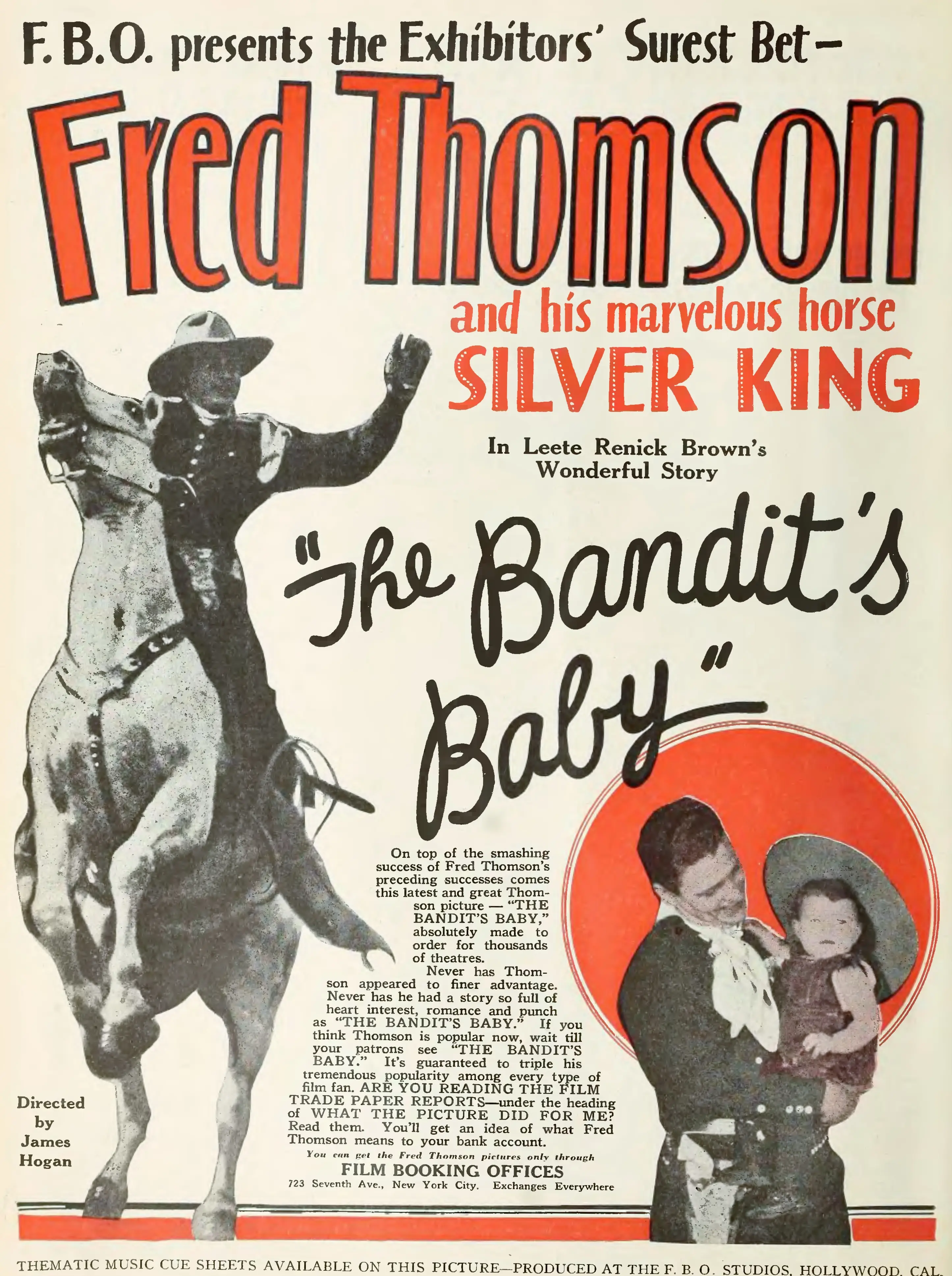
Is The Bandit's Baby worth watching today? Short answer: yes, but with significant caveats. This 1926 silent Western offers a fascinating glimpse into early Hollywood's narrative conventions, making it a compelling watch for cinephiles and historians, though likely a challenging one for those accustomed to contemporary pacing and storytelling. It's a film for those who appreciate the foundational elements of cinema, but perhaps not for casual viewers seeking modern thrills.
For anyone with a genuine curiosity about how the Western genre began to solidify its tropes, or for those who simply enjoy a straightforward tale of justice served, this film provides a valuable, if imperfect, window into a bygone era. However, if your cinematic palate demands rapid-fire dialogue, complex character arcs, or high-octane visual effects, you might find its charms somewhat elusive.
At its core, The Bandit's Baby is a classic tale of a man wronged, thrust into an impossible situation. Tom Bailey, portrayed with earnest physicality by Fred Thomson, finds himself an outcast, falsely accused of heinous crimes and forced to live on the fringes of society. This immediate sympathy for our protagonist is a powerful hook, drawing the audience into his plight even before the main narrative thrust truly kicks in.
The plot, penned by Marion Jackson and Leete Renick Brown, introduces a clever twist: a temporary amnesty. This isn't merely a plot device; it's a narrative catalyst that forces Tom back into the very society that condemned him, albeit under specific, constrained conditions. The rodeo and, more uniquely, the baby contest, serve as a brilliant narrative stage. It’s here that the film expertly weaves together the disparate threads of Tom's quest for justice and his burgeoning connection with Esther Lacy.
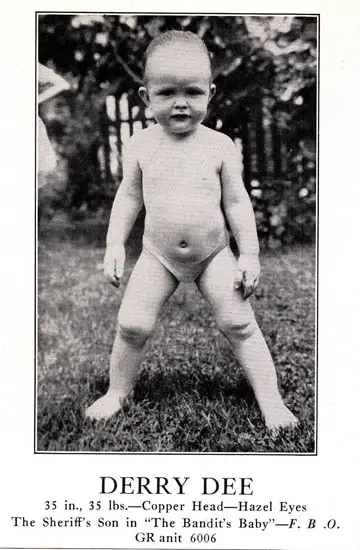
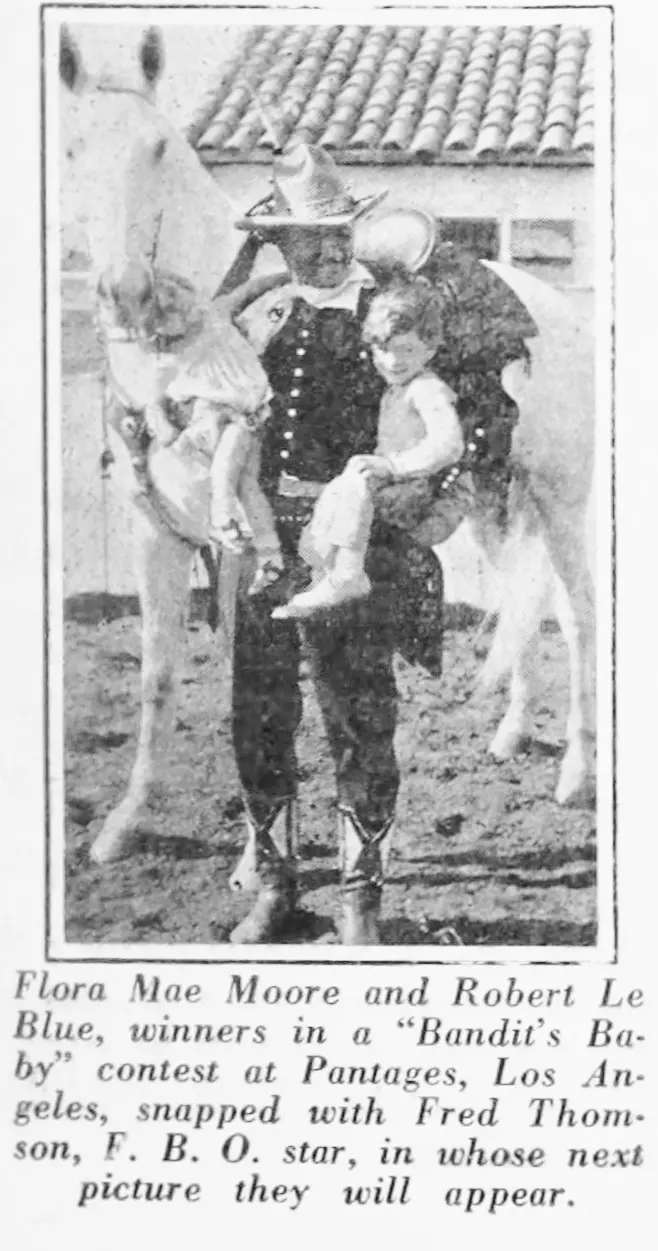
The decision to award the baby contest prize to Esther's infant brother is more than just a moment of lightheartedness; it's the fulcrum upon which the entire second act pivots. This seemingly innocuous act of judgment directly links Tom to the Lacy family, placing him in close proximity to the true villain, Matt Hartigan. This intricate setup, where a simple gesture has profound, far-reaching consequences, is a testament to the era's storytelling ingenuity.
The film then escalates, transitioning from a community event to a desperate escape, as Tom, having won a horse race, narrowly evades the sheriff's trap. His subsequent role as temporary guardian to Esther's baby brother, while Esther travels, adds a layer of unexpected tenderness and vulnerability to his character. It's a charming, if somewhat improbable, development that solidifies his heroic bona fides and provides the emotional core for the climactic confrontation.
Fred Thomson, a real-life rodeo champion and silent film star, brings an undeniable authenticity to Tom Bailey. His physical prowess is on full display during the rodeo and horse race sequences, lending a raw, athletic energy that many of his contemporaries might have struggled to emulate. His ability to convey determination, injustice, and burgeoning affection through expression and posture, rather than dialogue, is genuinely commendable. There’s a quiet strength in his portrayal that anchors the film, making Tom’s predicament feel genuinely dire.
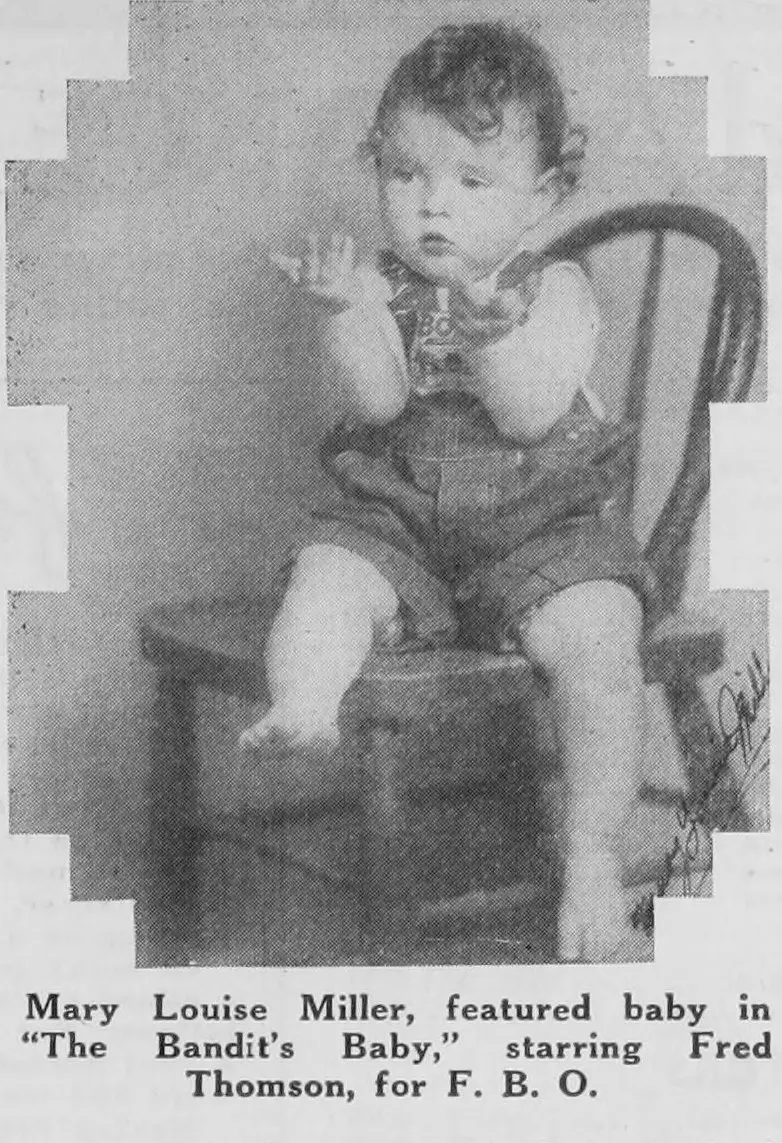
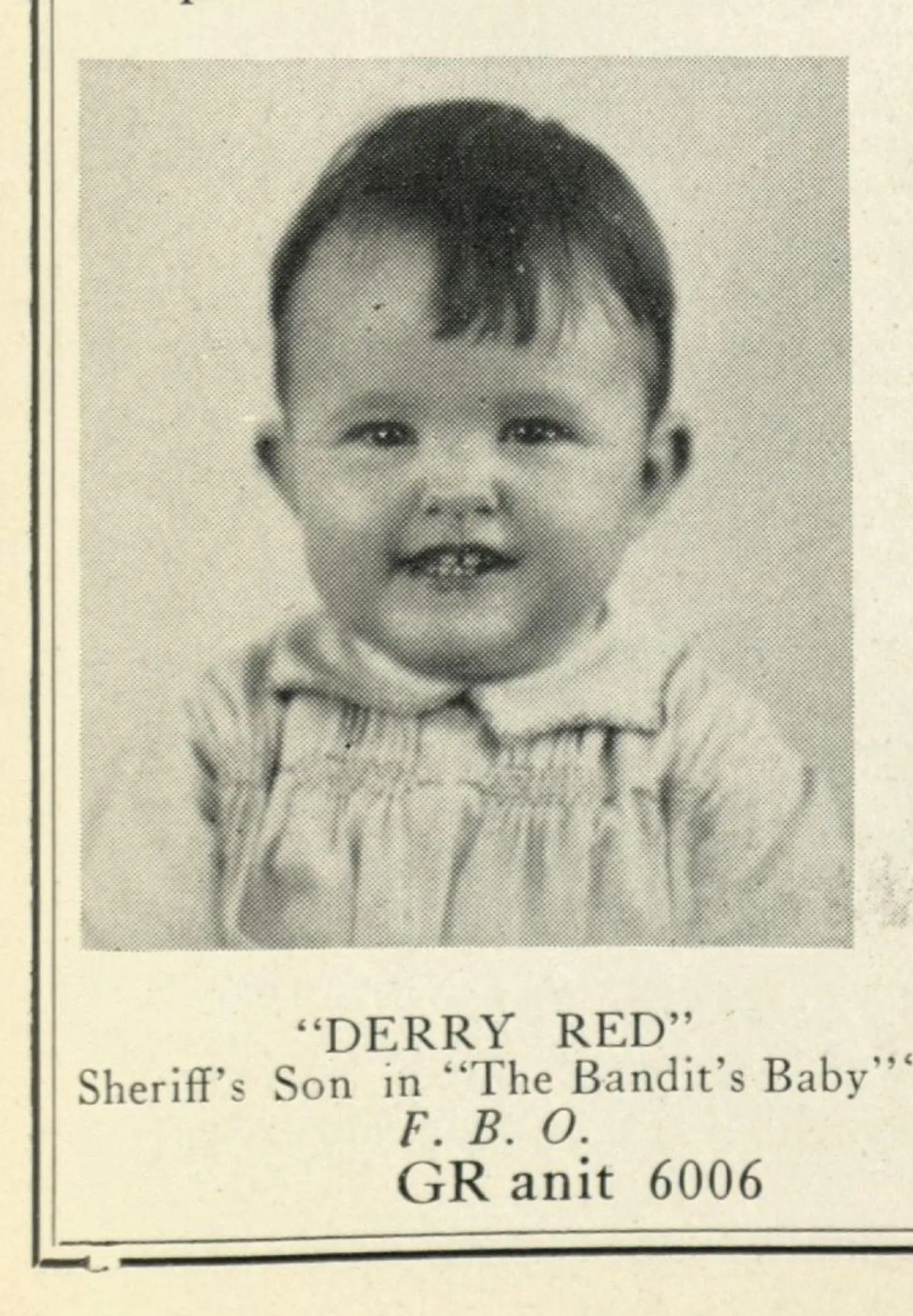
Mary Louise Miller, as Esther Lacy, provides a sympathetic counterpart. Her performance is less about grand gestures and more about subtle reactions – the concern for her brother, the dawning realization of her stepfather's villainy, and the gradual trust she places in Tom. While perhaps not as overtly expressive as some silent film actresses, her understated approach feels grounded. The baby, Derry Dee, of course, steals every scene it's in, a testament to the universal appeal of infancy, even in a silent Western.
The direction, while uncredited in many historical accounts, manages to capture the expansive beauty of the Western landscape while also focusing on intimate character moments. The framing of the rodeo scenes, for instance, perfectly balances the spectacle of the event with the individual drama unfolding around Tom. There's a particular shot during Tom's escape after the horse race, where the camera follows him across open terrain, that truly conveys the sense of freedom and desperation simultaneously. It's not as experimental as some contemporary silent films, like The Tigress, but it serves the narrative effectively.
The use of intertitles is largely functional, driving the plot forward and occasionally providing insight into character thoughts. They are integrated well, never feeling like an interruption, but rather a necessary complement to the visual storytelling. The director understands the rhythm of silent cinema, allowing moments to breathe, even if that 'breathing' sometimes feels a little too extended for a modern audience.
The cinematography in The Bandit's Baby is a strong point, particularly in its capturing of the Western setting. The use of natural light and expansive outdoor locations gives the film an authentic feel. Shots of the hills and open plains aren't just backdrops; they are integral to establishing Tom's isolation and the grand scale of the world he inhabits. There’s a raw, untamed quality to the visuals that perfectly complements the Western genre.
One particularly effective sequence involves the train wreck. The build-up, with Matt Hartigan's sinister plan to run an unscheduled freight, is genuinely tense. The shots of the train thundering down the tracks, intercut with the frantic efforts of the station agent, create a palpable sense of impending disaster. It's a testament to the power of visual storytelling, even without sound, that this sequence manages to be thrilling. It reminds me of similar daring stunts and visual narratives found in films like The Rescue.
However, the pacing is where the film shows its age most prominently. While the action sequences, like the rodeo, horse race, and train wreck, are engaging, the stretches in between can drag. Character interactions, particularly the more emotional or expositional ones, are often drawn out, relying on sustained expressions and intertitles that, to a contemporary viewer, might feel slow. This isn't necessarily a flaw of the film itself, but rather a characteristic of silent cinema that requires a different kind of engagement from the audience. It demands patience. And some viewers simply won't have it.
The film strongly emphasizes themes of justice and redemption. Tom's journey from falsely accused bandit to an exonerated hero is the central arc, and the narrative never deviates from this moral clarity. There is a clear distinction between good and evil, with Matt Hartigan serving as an unambiguous villain whose fate feels entirely earned. This straightforward morality is a hallmark of many early Westerns, providing a comforting sense of order in a wild setting.
Family is another crucial theme. The bond between Esther and her baby brother is tenderly portrayed, and it's this familial loyalty that ultimately drives much of the plot. Tom's willingness to care for the baby, despite his own precarious situation, highlights his inherent goodness and makes his eventual acceptance into Esther's life feel earned. It's a simple, yet powerful, exploration of chosen family and the lengths one goes to protect loved ones.
The tone of The Bandit's Baby oscillates between lighthearted adventure and genuine peril. The initial rodeo and baby contest scenes are charming and almost comedic, providing a stark contrast to the later tension of the train sequence and the constant threat of Tom's capture. This tonal shift, while sometimes abrupt, keeps the audience on their toes, preventing the film from settling into a single, predictable mood. It’s a delicate balancing act, one that I'd argue it largely pulls off, even if some transitions feel a little clunky.
This film works because... its unique premise, centered around a falsely accused man and an adorable baby, provides a surprisingly engaging and emotionally resonant core. The clear-cut morality and satisfying resolution of justice prevailing offer a timeless appeal, while the action sequences, particularly the climactic train derailment, are well-executed for their era, showcasing effective visual storytelling without dialogue. It's a charming narrative that, despite its age, retains a certain innocence and directness that is refreshing.
This film fails because... its pacing can be a significant hurdle for modern viewers, with prolonged scenes that lack the dynamic editing or complex character development expected today. Some character motivations, especially Matt Hartigan's, are painted with broad strokes, lacking the psychological depth that could have elevated the melodrama. The reliance on intertitles, while necessary, occasionally breaks the flow for those unaccustomed to silent film conventions, making the narrative feel somewhat disjointed in places.
You should watch it if... you are a dedicated fan of silent cinema, a Western history enthusiast, or someone intrigued by the evolution of film narrative and genre conventions. It offers a valuable educational insight into early filmmaking techniques and the star power of figures like Fred Thomson. This film is also ideal for those who appreciate straightforward tales of good triumphing over evil, with a heartwarming, if slightly improbable, romantic subplot.
The Bandit's Baby is a fascinating artifact from the silent era, offering a charming, if somewhat dated, take on the Western genre. Its unique plot device – the baby – elevates it beyond a simple tale of mistaken identity, injecting a heartwarming element into the rugged landscape. While its pacing can be a challenge for modern sensibilities, its strengths lie in its clear moral compass, strong physical performances, and a surprisingly thrilling climax. It's a film that demands a certain appreciation for its historical context, but for those willing to meet it on its own terms, it delivers a satisfying, if not groundbreaking, cinematic experience. It works. But it’s flawed. Ultimately, it serves as a valuable reminder of the foundational storytelling that shaped the films we consume today.
IMDb —
1932
Community
Log in to comment.