DbcultAccessing Vault...
5.9/10
Senior Film Conservator
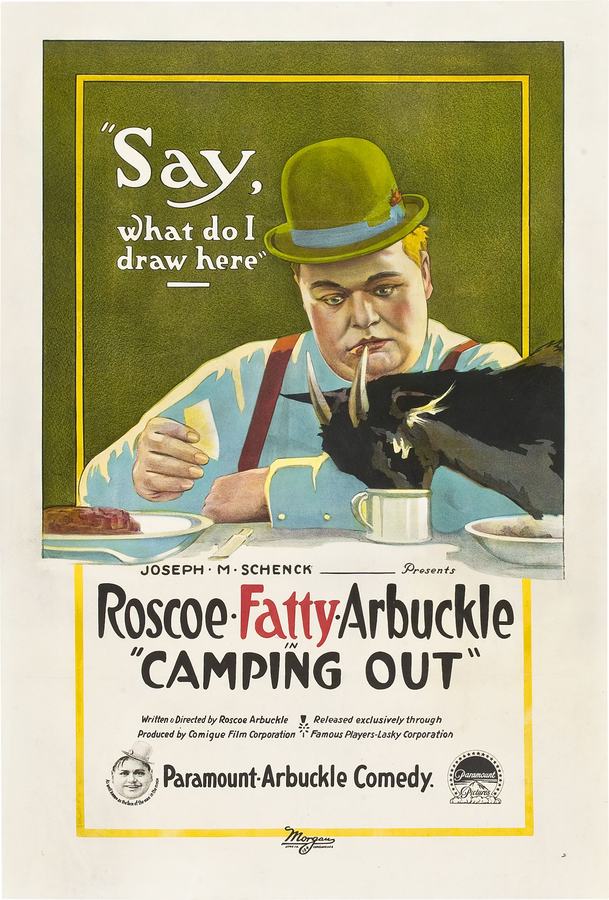
A definitive 5.9/10 rating for a film that redefined the boundaries of cult cinema. Camping Out remains a cornerstone of transgressive art.
In the bustling, nascent world of early cinema, where the silent screen conveyed volumes through gesture and expression, Roscoe 'Fatty' Arbuckle stood as a titan of physical comedy and a surprisingly nuanced storyteller. His 1919 short, Camping Out, is far more than a simple slapstick farce; it’s a shrewd, albeit boisterous, examination of domestic ennui, societal expectations, and the often-hilarious desperation born from unfulfilled affection. Arbuckle, not only starring but also credited with the film's screenplay, crafts a narrative that, despite its century-old vintage, resonates with an almost uncomfortable familiarity in its depiction of conjugal discontent. The film’s premise, seemingly straightforward, unfurls into a complex tapestry of comedic misunderstandings and moral quandaries, all orchestrated with the masterful timing that defined Arbuckle's inimitable style.
At its core, Camping Out introduces us to Fatty, a character burdened by an emotional void within his own home. He is the archetypal neglected husband, returning each evening to an abode devoid of warmth and a wife whose attention is perpetually elsewhere. This isn't merely a backdrop for gags; it's the emotional engine driving the entire plot. Arbuckle’s portrayal of Fatty is not one of a simple buffoon, but rather a figure eliciting genuine pathos. His longing for companionship, for a shred of recognition, is palpable even through the broad strokes of silent film acting. This underlying current of melancholy elevates the comedy, making his eventual transgressions feel less like malicious acts and more like desperate bids for human connection. The film thus transcends mere laughter, inviting a degree of empathy that is often absent in more one-dimensional comedic offerings of the era.
Arbuckle’s genius lies not just in his physical dexterity—though that is undeniably on full display—but in his ability to convey complex emotions with a subtle tilt of the head, a forlorn glance, or a sigh that viewers can almost hear. As a writer, he understands the silent film medium intrinsically, relying on visual storytelling to communicate the nuances of marital strife. The empty house, the wife absorbed in her own world, the hushed sighs of Fatty; these are all meticulously crafted visual cues that establish the emotional landscape before any physical comedy even begins. This narrative precision sets Camping Out apart from many of its contemporaries, which often prioritized rapid-fire gags over character development. One might draw a thematic parallel to a film like The Child of Destiny, which, while a drama, similarly explored the profound impact of neglect on an individual's life, albeit with far less comedic flourish.
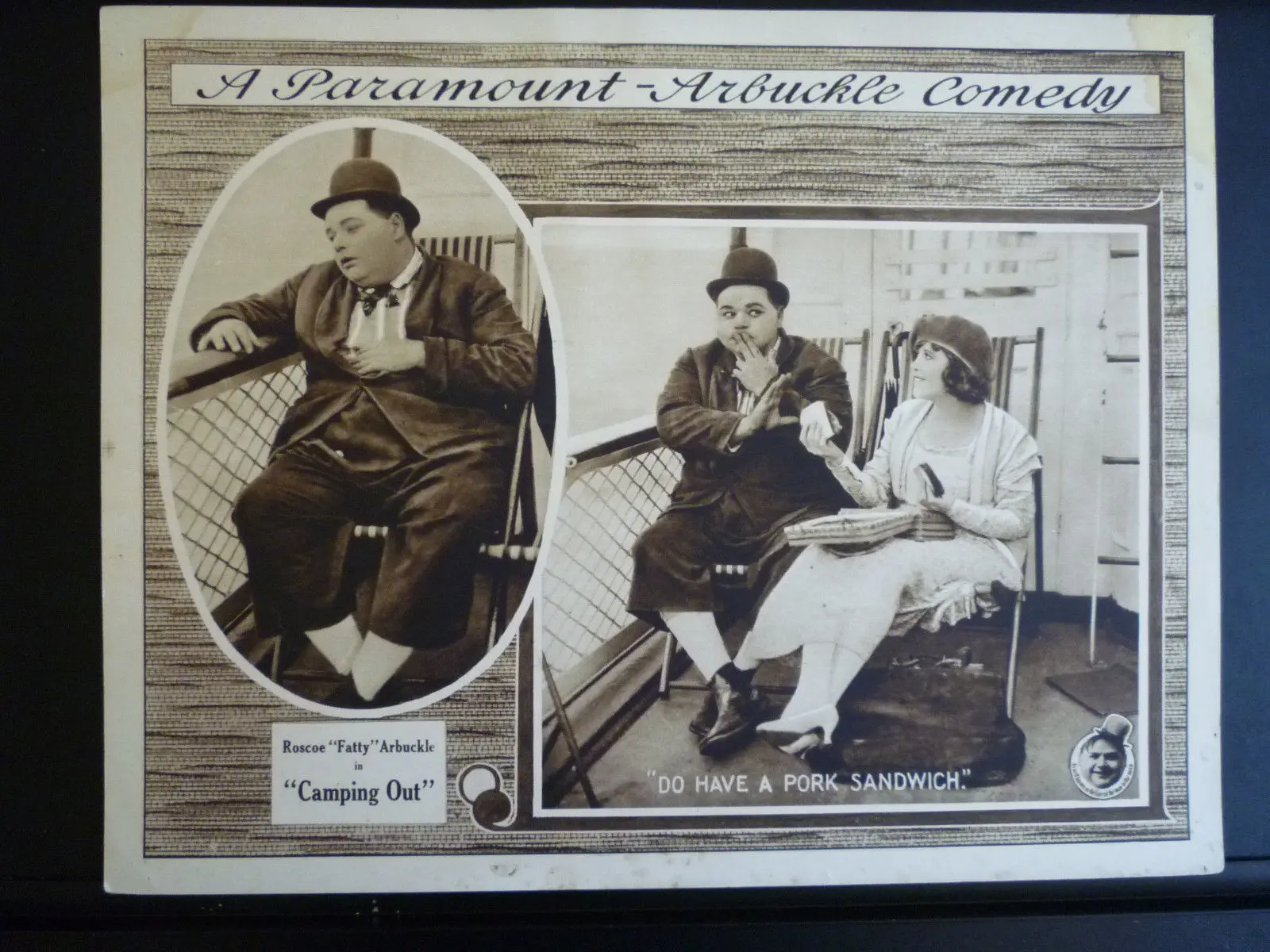
The supporting cast, including Monty Banks, Al St. John, Mildred Reardon, and Alice Lake, contribute significantly to the film’s vibrant dynamic. Alice Lake, as Fatty’s neglectful wife, perfectly embodies the self-absorbed spouse, her obliviousness serving as a catalyst for much of the ensuing chaos. Her performance, though often exaggerated for comedic effect, grounds the film in a recognizable domestic reality. Mildred Reardon, portraying the other neglected wife with whom Fatty finds fleeting solace, offers a mirror image of his own loneliness, creating a temporary, illicit haven that is destined to crumble. The interactions between these characters are not just a series of events, but a masterclass in silent film ensemble work, each player contributing to the escalating tension and eventual explosion of comedic retribution.
The narrative truly ignites when Fatty, driven by an aching need for affection, embarks on an extramarital dalliance with another woman who, like him, suffers from spousal inattention. This act, while morally ambiguous, is presented with a certain tragicomic inevitability, a consequence of the domestic vacuum in his own life. Arbuckle doesn't shy away from the complexities of infidelity, even in a comedic context. He understands that the humor often arises from the uncomfortable truths of human behavior. The discovery of this affair by Fatty’s wife is the pivotal moment, transforming the narrative from a quiet character study into a full-blown comedic maelstrom. Her fury, depicted with an almost operatic intensity, unleashes a torrent of physical gags and farcical confrontations that are both uproarious and, in a strange way, cathartic.
The ensuing chaos is a testament to Arbuckle's prowess in orchestrating comedic set pieces. The home, once a symbol of Fatty's quiet despair, becomes a battleground where domestic objects are weaponized and spatial dynamics are exploited for maximum comedic effect. This escalating series of events, where one mishap leads to another in a chain reaction of absurdity, is a hallmark of classic slapstick, yet Arbuckle imbues it with a psychological underpinning. The wife’s rage is not merely a plot device; it’s the visceral expression of betrayal, albeit exaggerated for comedic impact. In this regard, it presents a fascinating counterpoint to more straightforward melodramas of the era, such as Eye for Eye, which explored vengeance with stark dramatic intensity, whereas Arbuckle finds the humor in human foibles.
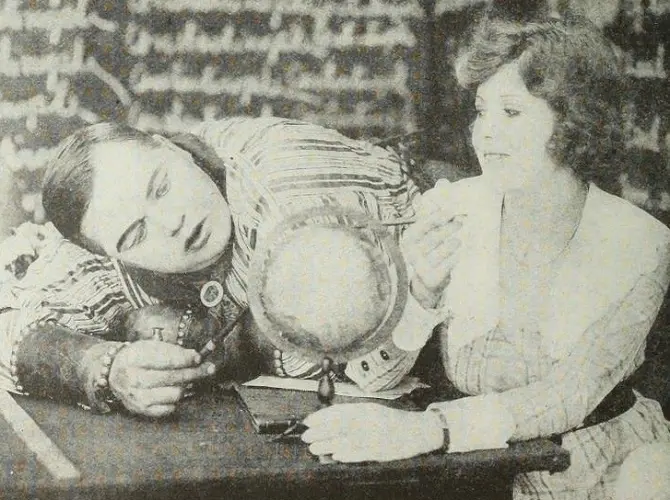
What elevates Camping Out beyond mere entertainment is its thematic resonance. It subtly critiques the societal structures of marriage and gender roles prevalent in the early 20th century. The wives, both neglected in their own ways, represent different facets of female experience within these confines. Fatty, as the husband, embodies the male desire for comfort and affection, often stifled by the domestic routine. The film, through its comedic lens, dares to question the sanctity of marriage when love and attention are absent. This is a far cry from the more idealized or overtly moralistic portrayals of romance seen in films like Young Romance or A Hoosier Romance, which tended to focus on courtship and the initial joys of love. Arbuckle, instead, delves into the grittier, funnier reality of what happens after 'happily ever after' begins to fray.
The film’s humor is derived from both the physical and the situational. The visual gags are meticulously choreographed, showcasing Arbuckle’s incredible agility despite his considerable size. He moves with a grace that defies expectation, executing pratfalls, chases, and comedic struggles with an effortless fluidity. But it is the situational irony – the desperate husband seeking solace, only to be caught in a web of his own making – that truly endures. The film’s ability to elicit laughter from such a potentially somber subject matter is a testament to Arbuckle’s comedic genius and his understanding of the human condition. It’s a delicate balance, one that few filmmakers manage to strike with such consistent success.
Viewing Camping Out today offers a vital glimpse into the brilliance of silent cinema. It reminds us that storytelling, character development, and comedic timing were as sophisticated then as they are now, simply communicated through different means. Arbuckle, as both a performer and a nascent auteur, was at the forefront of this art form, pushing boundaries and refining techniques that would influence generations of comedians and filmmakers. His work, including this spirited short, stands as a testament to the power of visual narrative and the universal appeal of humor rooted in human experience.
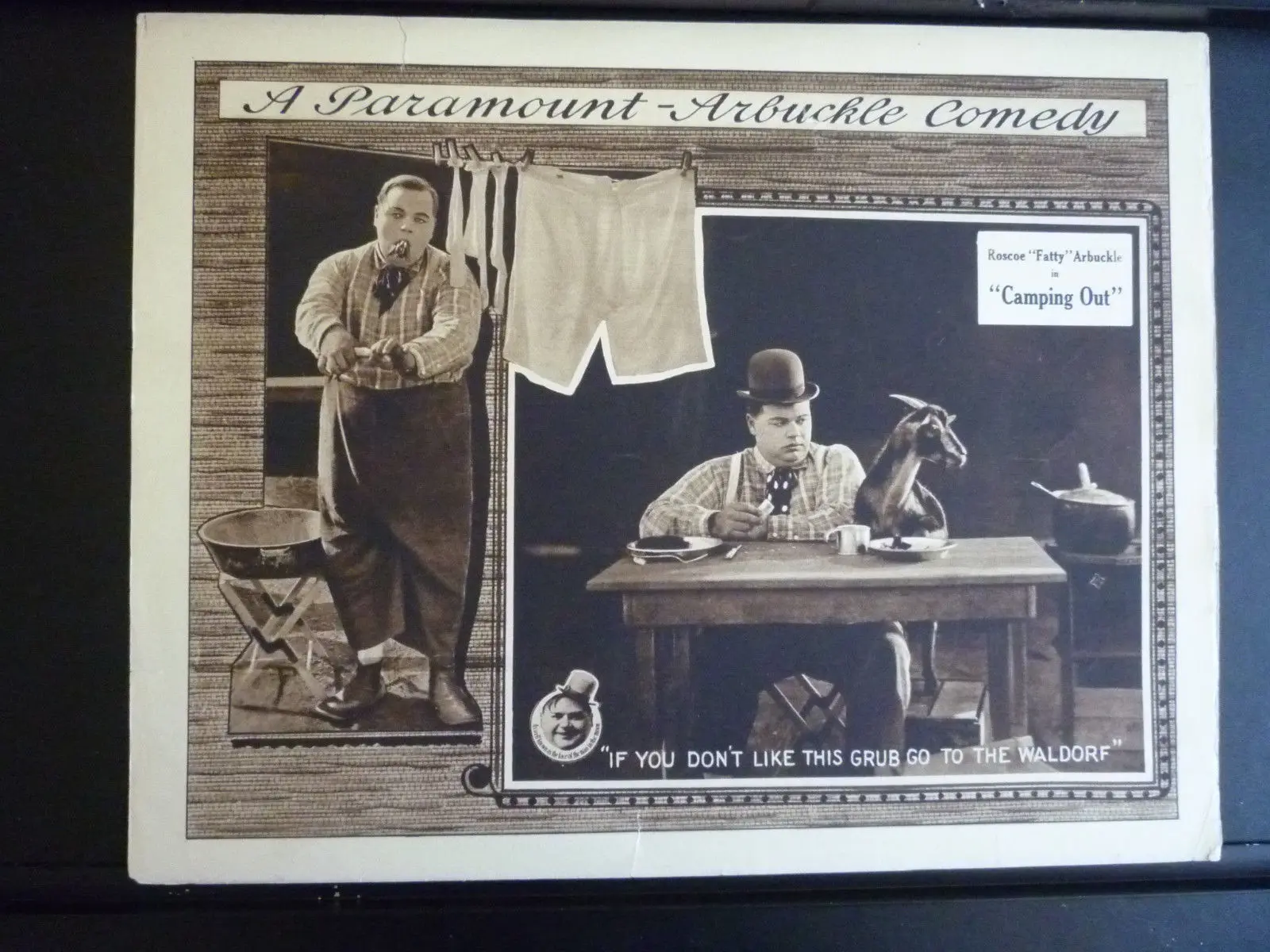
It is particularly fascinating to consider Camping Out in the broader context of Arbuckle's career, which, tragically, was cut short by scandal. However, assessing the film purely on its artistic merits, it shines as a vibrant example of his talent. It’s a film that speaks volumes without uttering a single word, relying instead on the expressive power of its actors and the clever construction of its plot. While other films like The House of Intrigue might have explored more dramatic narratives, Arbuckle found a distinct niche in the intricate dance between domesticity and delightful chaos.
The film also offers a compelling point of comparison with the more overtly dramatic or action-oriented features of the period, such as Michael Strogoff or The Spirit of '76. These films aimed for grand spectacle and heroic narratives, whereas Camping Out finds its grandeur in the intimate, often ridiculous, struggles of everyday life. This contrast highlights the diverse landscape of early filmmaking, where both epic dramas and intimate comedies coexisted, each contributing to the burgeoning art form in unique ways. Arbuckle’s ability to distill complex human emotions into an accessible and hilarious format is what makes Camping Out a perennial favorite among silent film aficionados.
Ultimately, Camping Out is a spirited and insightful piece of cinematic history. It’s a film that, despite its age, feels remarkably fresh in its comedic approach and its understanding of the human heart’s often-misguided desires. Roscoe 'Fatty' Arbuckle’s performance is a masterclass in silent comedy, imbued with a vulnerability that makes his character deeply relatable. The film’s narrative, while simple on the surface, unravels with a sophisticated sense of timing and escalating absurdity, culminating in a satisfyingly chaotic resolution. It serves as a vivid reminder of Arbuckle’s profound influence on the development of screen comedy and a timeless testament to the enduring power of laughter born from life’s most awkward predicaments.
The sheer joy derived from watching Arbuckle navigate these domestic tribulations, his large frame moving with surprising grace through a landscape of escalating marital warfare, is undeniable. It's a film that doesn't just entertain; it invites reflection on the universal themes of loneliness, desire, and the often-comical consequences of our actions. A century later, Camping Out continues to captivate, proving that true comedic genius, when paired with genuine human insight, transcends the boundaries of time and technology.
IMDb 6.5
1930
Community
Log in to comment.