DbcultAccessing Vault...
5.9/10
Senior Film Conservator
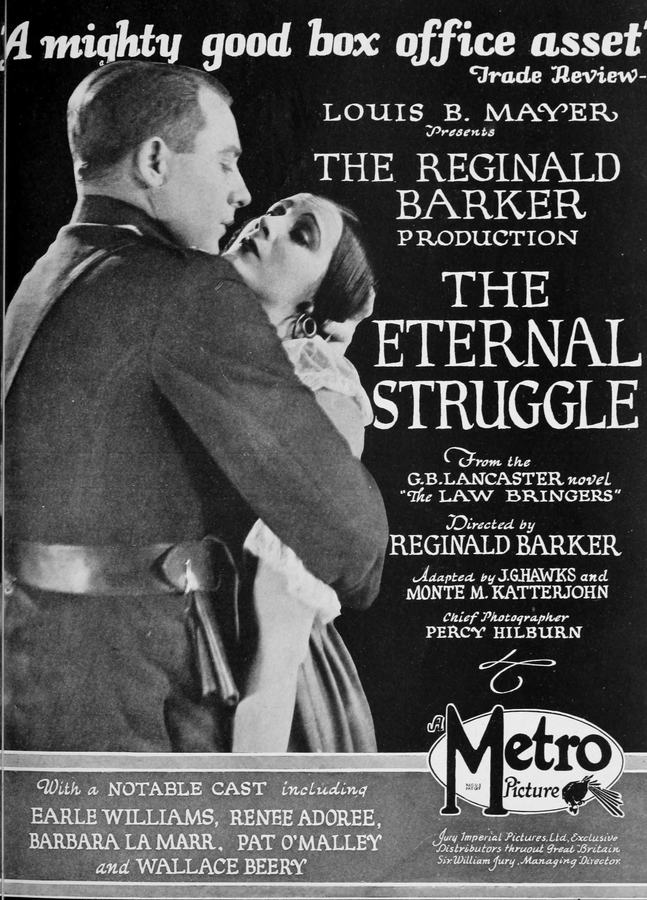
A definitive 5.9/10 rating for a film that redefined the boundaries of cult cinema. The Eternal Struggle remains a cornerstone of transgressive art.
Stepping back into the silent era, one often encounters narratives that, despite their lack of spoken dialogue, resonate with an emotional intensity capable of transcending time. Such is the case with 'The Eternal Struggle' (slug: the-eternal-struggle), a film that masterfully weaves a tale of profound personal torment, desperate flight, and the arduous journey toward an elusive peace. From its very premise, the film establishes a high-stakes emotional landscape, centering on a young woman's flight from a perceived crime, a narrative trope that, even today, holds a potent grip on the human psyche. The genius of this picture lies not just in its dramatic propulsion but in its subtle, yet powerful, exploration of guilt's corrosive nature and the resilience required to confront one's inner demons.
The film's initial dramatic catalyst — a young woman's belief that she is responsible for the death of her would-be seducer — immediately plunges the audience into a maelstrom of moral ambiguity. This isn't a simple tale of innocence or guilt; rather, it's a nuanced portrayal of a soul caught in the devastating aftermath of a moment of perceived transgression. Her subsequent escape to the remote, untamed reaches of North Vancouver isn't merely a change of scenery; it's a symbolic journey into a wilderness that mirrors her internal desolation. The raw beauty and unforgiving nature of this new environment become a crucible in which her character is tested, refined, and ultimately, redefined. It reminds one of the stark, existential choices faced by protagonists in films like The Flames of Johannis, where the natural world often serves as both confessor and judge.
At the heart of 'The Eternal Struggle' lies a cast that, through the sheer power of their expressions and physicality, renders dialogue almost superfluous. Barbara La Marr, in the pivotal role of the guilt-ridden protagonist, delivers a performance that is nothing short of mesmerizing. Her wide, expressive eyes convey a spectrum of emotions – fear, despair, burgeoning hope, and an unwavering inner strength – often within a single frame. La Marr masterfully communicates the crushing weight of her character's secret, the constant vigilance against discovery, and the profound yearning for absolution. Her portrayal imbues the character with a poignant vulnerability that makes her plight deeply empathetic, drawing the viewer into her solitary struggle. It's a testament to the evocative power of silent acting, much like the compelling female leads found in Her Life for Liberty, where the heroine's inner world is externalized through gesture and gaze.
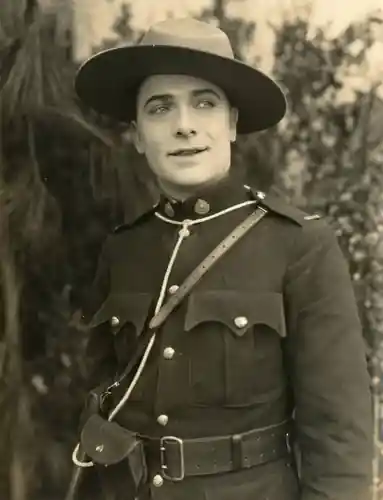
Wallace Beery, a formidable presence even in these early stages of his illustrious career, provides a powerful counterpoint. While the prompt doesn't detail his specific role beyond his casting, one can infer from his typical screen persona that he likely embodies a character of robust, perhaps even rough-hewn, masculinity, offering either a source of conflict or, potentially, an unexpected ally in the protagonist's arduous journey. Beery's ability to project gravitas and a certain rugged authenticity would have anchored the more melodramatic elements of the plot, lending a grounded realism to the unfolding drama. His dynamic with La Marr would undoubtedly have been a central pillar of the film's emotional architecture, showcasing the intricate dance between fear and trust, suspicion and solace.
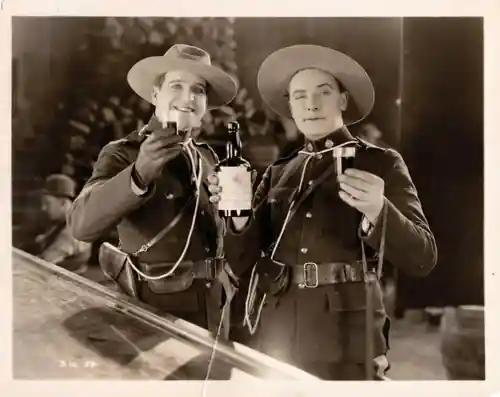
The supporting ensemble further enriches the narrative tapestry. Anders Randolf, known for his imposing screen presence, likely portrays a figure of authority or a formidable obstacle, his stern demeanor adding layers of tension. Renée Adorée, with her delicate yet spirited charm, could represent a contrast to La Marr's tormented character, perhaps a fleeting moment of joy or another facet of the human experience in this remote setting. Josef Swickard, Earle Williams, Marie Williams, Pat Harmon, Ed Brady, Robert Anderson, George Kuwa, and Pat O'Malley, each contribute to the bustling, often harsh, landscape of North Vancouver, painting a vivid picture of a community shaped by its environment. Their collective performances create a believable world, where every glance and gesture contributes to the overarching mood of precariousness and possibility. This ensemble work, where each player contributes significantly to the atmosphere, is reminiscent of the detailed world-building seen in ambitious productions like The Merchant of Venice, albeit in a vastly different genre and setting.
The narrative's foundational strength owes much to the collective efforts of writers J.G. Hawks, Monte M. Katterjohn, and G.B. Lancaster. Their screenplay masterfully constructs a plot that is both emotionally gripping and thematically rich. They craft a scenario where the protagonist's internal struggle for redemption is externalized through her interactions with the environment and the new characters she encounters. The plot points are meticulously designed to heighten suspense, evoke empathy, and explore the multifaceted nature of guilt and forgiveness. The pacing, crucial for silent film, is expertly handled, allowing moments of quiet reflection to breathe before propelling the narrative forward with dramatic urgency. This intricate storytelling, focusing on moral quandaries and their ripple effects, finds parallels in the complex legal and ethical dilemmas presented in The Prodigal Judge, where human judgment is constantly scrutinized.
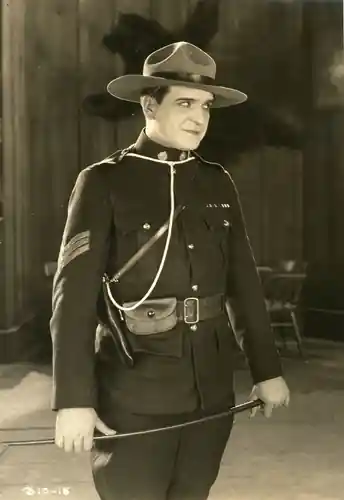
The director, though not named in the prompt, undoubtedly plays a crucial role in translating this potent script into compelling visual poetry. The use of cinematography to capture the desolate grandeur of North Vancouver would have been paramount, transforming the landscape into an active character in its own right. One can imagine sweeping vistas contrasting with claustrophobic interiors, mirroring the protagonist's internal turmoil. The director's keen eye for composition, the strategic deployment of close-ups to emphasize emotional states, and the rhythmic editing would have been essential in guiding the audience through the narrative without the aid of spoken words. The ability to convey complex emotional arcs through purely visual means is a hallmark of great silent cinema, a skill that elevates a simple story into a profound experience. This visual storytelling prowess is a common thread that connects many silent dramas, including the lesser-known but equally compelling Die Augen der Schwester.
The choice of North Vancouver as the setting is far from incidental. It’s a locale that, particularly in the early 20th century, represented a frontier, a place where one could disappear, reinvent oneself, or succumb to the harsh realities of nature and isolation. For our protagonist, it offers both a refuge from her past and a new set of challenges. The untamed forests, the imposing mountains, and the rugged coastline serve as a constant reminder of her precarious existence. Yet, within this demanding environment, there's also the potential for renewal. The struggle against the elements, the necessity of building a new life from scratch, becomes a metaphor for her internal battle to reconcile with her conscience. This interaction between character and environment is a powerful narrative device, much like the atmospheric settings in adventure dramas such as The Opium Runners, where the landscape itself dictates much of the plot's tension.
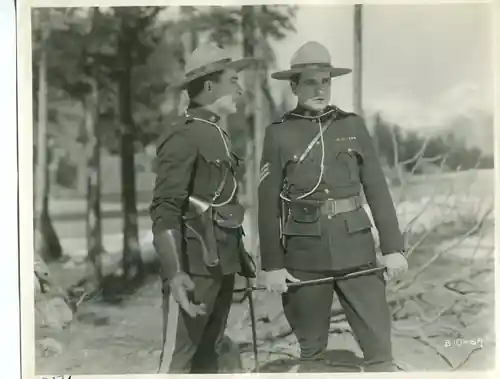
The film likely delves into the social dynamics of such a frontier community, where newcomers are viewed with suspicion, and survival often depends on communal effort, yet trust is a rare commodity. This creates a fertile ground for dramatic tension, as the protagonist navigates not only her own internal demons but also the skepticism and potential judgment of those around her. The human interactions against this wild backdrop underscore the film's central theme: the 'eternal struggle' is not just against external forces, but against the very nature of human fallibility and the societal structures that govern perception and justice. It is a nuanced depiction of a woman's journey to find her place in a world that might not offer easy forgiveness, echoing the thematic depth of films like The Love That Dares, which often explored the boundaries of societal acceptance.
'The Eternal Struggle' stands as a potent example of the storytelling prowess of the silent film era. It eschews simplistic morality tales in favor of a more complex psychological drama, a characteristic shared by many of the period's most enduring works. The film's ability to convey profound emotional states and intricate plot developments without spoken words is a testament to the sophistication of early cinematic techniques. It highlights the reliance on visual metaphors, heightened acting, and carefully crafted intertitles to engage and move an audience. This cinematic language, though different from today's, possesses a unique power to draw viewers into its world, demanding a more active engagement with the narrative unfolding on screen.
Comparing it to other films of the time reveals its distinct contributions. While films like The Great Lover might focus on romantic entanglements and societal facades, 'The Eternal Struggle' delves deeper into the individual's conscience and the raw fight for survival and redemption. It shares a certain dramatic weight with films that explore personal crises and moral reckonings. The film's focus on a woman's journey through adversity also places it within a tradition of strong female-led narratives that were surprisingly prevalent in the silent era, offering complex portrayals of women navigating challenging circumstances. The universal themes of guilt, escape, and the search for peace ensure its continued relevance, allowing contemporary audiences to connect with its emotional core despite the passage of a century.
The film's enduring appeal lies not just in its historical significance but in its timeless exploration of the human condition. It reminds us that the battles we fight within ourselves are often the most profound, and that the path to absolution is rarely straightforward. Whether viewed as a historical artifact or a compelling drama in its own right, 'The Eternal Struggle' offers a rich, immersive experience into a world where silence speaks volumes and the human spirit is tested against the vast, indifferent backdrop of nature and conscience. Its legacy is a testament to the power of early cinema to craft narratives that, even without a single spoken word, resonate with profound emotional truth and artistic integrity.

IMDb 6.2
1929
Community
Log in to comment.