DbcultAccessing Vault...
Cult Review
Senior Film Conservator
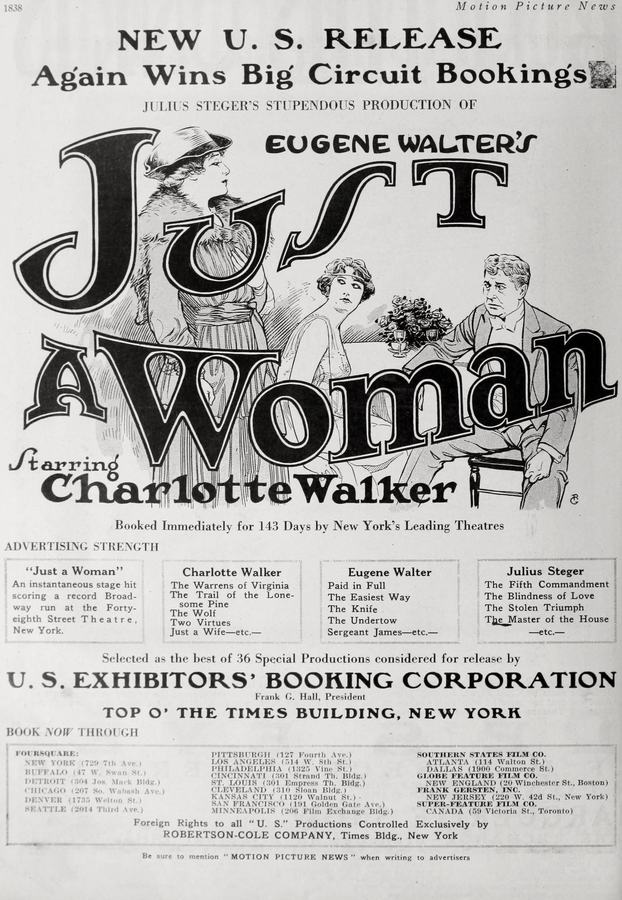
From the soot-stained foundries of early 20th-century Pittsburgh emerges Just a Woman, a cinematic tour de force that transcends its silent film origins to deliver a searing indictment of industrial ambition, corporate malfeasance, and the profound sacrifices demanded of those who dare to dream beyond their station. This 1918 drama, a potent blend of melodrama and social commentary, centers on Anna Ward, portrayed with a compelling gravitas by Lorna Volare, whose unwavering resolve becomes the very bedrock upon which her husband’s precarious ascent, and spectacular downfall, is constructed. It’s a narrative that, even a century later, resonates with an unsettling familiarity, exploring themes of class struggle, moral compromise, and the relentless fight for familial integrity against overwhelming odds.
The film opens by immersing us in the stark realities of Jim Ward’s existence, a laborer toiling in the infernal maw of a Pittsburgh steel mill. The clanking of machinery, the roar of furnaces, and the pervasive grime are palpable, even in the absence of sound, setting a grim stage for the aspirations that Anna harbors. She is not content with mere survival; her spirit yearns for elevation, a better life for her husband and their nascent family. This drive, born of necessity and deep affection, positions Anna not merely as a supportive wife but as the principal architect of their destiny. Her agency is immediately apparent, a striking characteristic for a female protagonist of the era, distinguishing her from many passive counterparts in contemporary cinema.
The catalyst for change arrives in the form of an ingenious invention: an improved rail-making device conceived by Jim’s friend. It is Anna, with her shrewd foresight and unwavering conviction, who sees beyond the immediate struggle, recognizing the transformative potential of this innovation. She persuades Jim, perhaps initially hesitant, to invest their meager savings – a testament to their shared sacrifice and her persuasive power – into the promotion and marketing of this machine. This pivotal decision marks their entry into a world far removed from the factory floor, a world of commerce and influence, where the stakes are immeasurably higher. The success that follows is meteoric, elevating Jim from the ranks of the working class to the rarefied air of a steel company director. It’s a classic rags-to-riches narrative, yet one tinged with the ominous foreboding of a Greek tragedy, hinting that such rapid ascent often precipitates an equally precipitous fall.
Jim, now a director, maintains a steadfast commitment to the rights of the workingmen, a principle he carries from his days on the factory floor. This moral compass, however admirable, becomes his Achilles' heel in the cutthroat world of corporate power. The film masterfully portrays the insidious nature of corporate intrigue, as the entrenched company officials, threatened by Jim’s progressive stance, conspire to undermine and ultimately ruin him. This segment of the narrative draws powerful parallels with other films exploring the corruption of power and the vulnerability of the principled individual, such as In Treason's Grasp, where characters find themselves ensnared by the machinations of the powerful. The shift from physical labor to psychological warfare is deftly handled, showcasing the different battlegrounds on which human integrity is tested.
The conspiracy against Jim is multifaceted and deeply personal. Under the malign influence of a co-director, Jim’s past vulnerabilities are exploited. He succumbs to his old drinking habit, a crutch he likely abandoned during his rise, and becomes entangled in an affair with a “beautiful woman” – a femme fatale figure designed to unravel his domestic life. This descent into moral decay is heartbreaking to witness, particularly given the audience’s awareness of Anna’s sacrifices. The film explores the fragility of character under duress, illustrating how easily even the noblest intentions can be corrupted when personal weaknesses are targeted. The affair, a betrayal of the deepest trust, is not merely a plot device but a profound exploration of human fallibility and the destructive power of external manipulation.
The culmination of this corporate machination and personal failing is Jim’s decision to sue Anna for divorce, fabricating a charge of infidelity. This moment is a gut-punch, a complete reversal of the supportive partnership that propelled him forward. Anna’s initial reaction is one of profound, almost stoic, refusal to defend herself. This silence speaks volumes, perhaps a manifestation of her dignity, her shock, or a deeper, unspoken understanding of the forces at play. It is a quiet defiance, yet one that threatens to consume her entirely. Her refusal to engage in the public spectacle of a defense highlights the immense pressure placed upon women in this era, who often bore the brunt of societal judgment in such matters.
However, Anna’s resolve breaks when the court threatens to sever her maternal bond, to take away her son. This is the ultimate crucible, the point beyond which no mother can remain silent. In a moment of breathtaking, self-sacrificing courage, Anna makes a shocking declaration: Jim is not the boy’s father. This revelation, designed to protect her son from the stigma of a broken home and a father’s public disgrace, is a narrative bombshell. It’s a testament to the lengths a mother will go to shield her child, even if it means sacrificing her own reputation and enduring public scorn. This twist elevates the melodrama to a profound exploration of maternal love and the complex nature of truth. Such dramatic courtroom revelations, exposing deep family secrets, echo the intricate moral dilemmas found in other silent era legal dramas, though few match the raw emotional intensity presented here.
Deeply ashamed by Anna’s desperate, self-sacrificing act and confronted with the stark reality of his own moral degradation, Jim confesses everything to the court. This confession is not merely an admission of guilt but a moment of profound personal reckoning, a recognition of the destructive path he has walked. His subsequent sentencing to prison serves as a harsh but necessary consequence, a societal demand for accountability that contrasts sharply with the earlier corporate machinations that sought to protect the powerful. The film does not shy away from showing the repercussions of his choices, offering a form of poetic justice, albeit one steeped in tragedy.
After his release, Jim returns to Anna, a broken man seeking redemption. Their reunion is not one of joyous celebration but a quiet, somber moment of shared understanding, perhaps even forgiveness. It speaks to the enduring, complex bonds that tie people together, even after immense pain and betrayal. This fragile reconciliation, however, is immediately overshadowed by another looming shadow: their son’s departure to fight in World War I. The final scene, imbued with a poignant sense of cyclical sacrifice, underscores the broader historical context of the film. Just as Anna sacrificed her reputation for her son, and Jim sacrificed his freedom for his confession, now their son is called to sacrifice for his nation. This ending, rather than offering a neat resolution, leaves the audience with a powerful sense of the ongoing human struggle against personal failings and the larger forces of history. It brings to mind the pervasive sense of loss and duty explored in films like The Waifs, which similarly grappled with the human cost of global conflict.
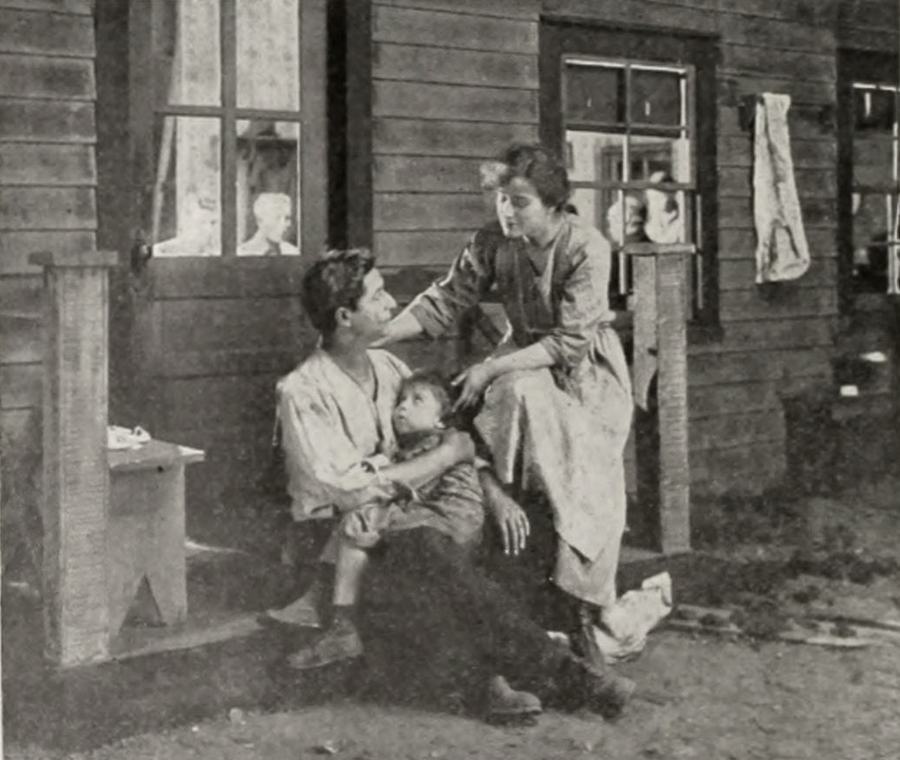
Lorna Volare's portrayal of Anna Ward is nothing short of masterful. She imbues Anna with a quiet strength, a simmering determination that defines her character far more than any dialogue could. Her expressions convey a spectrum of emotions – hope, despair, defiance, and ultimate sacrifice – making her a truly unforgettable figure. Henry Carvill, as Jim, navigates a difficult arc, transitioning from ambitious laborer to corporate director, then to a man corrupted, and finally, to a humbled soul seeking atonement. His performance captures the subtle shifts in Jim’s character, making his downfall both tragic and believable. The supporting cast, including Charlotte Walker and Forrest Robinson, contribute to the film's rich tapestry, each playing their part in the elaborate design of Jim's rise and fall. The direction, while adhering to the stylistic conventions of the silent era, demonstrates a keen understanding of visual storytelling, utilizing close-ups and dramatic staging to amplify emotional impact. The grim industrial landscapes of Pittsburgh are effectively rendered, serving as a constant reminder of the socio-economic forces at play.
Thematically, Just a Woman is a treasure trove of social commentary. It critiques the ruthless nature of capitalism and corporate power, exposing how easily integrity can be crushed under the weight of greed and influence. Jim's story is a cautionary tale about the perils of ambition unchecked by moral fortitude, and the ease with which one can be manipulated when vulnerable. Furthermore, the film offers a powerful, albeit complex, exploration of gender roles. Anna is far from “just a woman” in the pejorative sense; she is the moral and strategic anchor of her family, demonstrating intelligence, resilience, and an astonishing capacity for self-sacrifice. Her actions challenge the prevailing societal expectations of women as passive figures, presenting instead a protagonist of formidable strength and agency. The film's exploration of justice, or the lack thereof, is also particularly poignant. While Jim ultimately faces legal consequences, the insidious corporate conspiracy that initiated his downfall largely escapes unpunished, highlighting a cynical view of power dynamics that remains relevant.
The historical context of Just a Woman is crucial to its understanding. Released in 1918, amidst the throes of World War I, the film subtly weaves the global conflict into its personal narrative. The son's departure for the front serves as a powerful reminder that individual struggles are often subsumed by, or reflective of, larger historical forces. This adds another layer of tragic realism, preventing the narrative from devolving into mere melodrama. The film also provides a valuable glimpse into American industrial life and social attitudes of the period, particularly concerning labor rights, corporate ethics, and the evolving role of women in society. Its portrayal of Pittsburgh as a hub of both opportunity and exploitation feels authentic, grounding the dramatic events in a tangible reality.
In comparison to other films of its era, Just a Woman stands out for its bold narrative choices and its unflinching portrayal of human frailty and strength. While films like The Flame of Passion might explore similar themes of marital discord and betrayal, Just a Woman elevates these personal struggles to a broader social commentary, making the domestic drama a microcosm of larger societal ills. The film's willingness to introduce a controversial plot twist – Anna's declaration about her son's paternity – demonstrates a narrative daring that was perhaps ahead of its time, pushing the boundaries of what was acceptable in popular entertainment. This twist, rather than being sensationalist, serves to deepen the emotional stakes and highlight Anna's profound selflessness.
The legacy of Just a Woman lies in its enduring power to provoke thought and emotion. It is more than “just a woman's” story; it is a universal tale of ambition, corruption, sacrifice, and the relentless pursuit of justice and dignity. The film, in its silent eloquence, speaks volumes about the human condition, reminding us that the struggle for a better life is often fraught with unexpected challenges and profound personal costs. The final image of the son marching off to war, while his parents stand united yet burdened by their past, encapsulates the bittersweet reality of life: triumphs are often fleeting, and peace is hard-won, leaving an indelible mark on the soul. This poignant conclusion solidifies its place as a significant work of early cinema, a compelling drama that resonates long after the screen fades to black. It challenges viewers to consider the true cost of success and the unwavering strength required to navigate a world often indifferent to individual suffering, cementing its place as a powerful, timeless narrative.
The film’s exploration of societal pressures and personal integrity finds echoes in many works, but few capture the specific nuance of a woman’s strategic influence and ultimate sacrifice quite so vividly. Unlike the more overtly political Prohibition, which tackles a specific legislative battle, Just a Woman delves into the personal fallout of broader economic and moral conflicts. It's a testament to the writers Eugene Walter, Julius Steger, and Maitland Merrill that they crafted such a multifaceted narrative, rich in character depth and thematic complexity. Their vision, brought to life by the committed performances and evocative direction, ensures that the story of Anna Ward remains a compelling watch, a vibrant piece of cinematic history that continues to speak to contemporary audiences about timeless human struggles.
Indeed, the film's title, Just a Woman, becomes deeply ironic, almost a sardonic commentary on the very premise of the narrative. Anna is anything but “just” a woman; she is the engine, the moral compass, the sacrificial lamb, and ultimately, the enduring spirit of the entire saga. Her journey from the shadows of a steel mill wife to a figure of tragic heroism is what elevates this film from a simple melodrama to a profound statement on resilience and the complex nature of justice. Her actions force us to question the definitions of strength and weakness, success and failure, and the true meaning of a family bond. The film's lasting impression is one of a quiet power, a story told with a deep understanding of human nature and the forces that shape it, making it a pivotal piece in the study of early American cinema and its socio-cultural reflections.
The themes of betrayal and redemption are handled with a nuanced hand, avoiding simplistic resolutions. Jim’s path to atonement is arduous and incomplete, mirroring the real-world complexities of forgiveness. His return is not a triumphant homecoming but a subdued acceptance of his fate, intertwined with Anna’s steadfast, if scarred, commitment. This realism is a hallmark of the film's artistic integrity. While films like The Fool's Revenge might focus on direct retribution, Just a Woman explores a more internal, psychological form of justice and consequence. The interplay between personal failings and systemic corruption is expertly portrayed, making the narrative feel both intimate and expansive. The film thus transcends its immediate plot to offer a broader meditation on the moral landscape of an industrializing nation grappling with its own internal contradictions.
The sheer emotional depth conveyed without spoken dialogue is a testament to the artistry of silent cinema. Every gesture, every facial expression, every dramatic pause is meticulously crafted to communicate the inner turmoil and external conflicts of the characters. The choice of settings, from the oppressive mill to the opulent corporate offices and the austere courtroom, effectively symbolizes the various arenas of power and vulnerability. This visual storytelling, combined with the powerful narrative, ensures that Just a Woman remains a compelling and significant work. It is a film that rewards close attention, revealing layers of meaning with each viewing, and solidifying its place not just as a historical artifact, but as a timeless piece of dramatic art.
Ultimately, Just a Woman is a profound statement on the human spirit’s capacity for both immense cruelty and boundless love. It is a story of a woman who, against all odds, fights for her family, her dignity, and a semblance of justice in a world that often seems determined to deny her all three. Her quiet heroism, juxtaposed against the grand scale of industrial ambition and wartime sacrifice, creates a narrative that is both deeply personal and universally resonant. The film's legacy is not just in its dramatic plot, but in its powerful portrayal of a woman who is anything but “just,” challenging perceptions and asserting her indelible mark on cinematic history. It's a film that compels us to look beyond the surface, to recognize the profound strength that often resides in the most unexpected places, making it an essential watch for anyone interested in the social history and artistic achievements of early cinema.
IMDb —
1918
Community
Log in to comment.