DbcultAccessing Vault...
Cult Review
Senior Film Conservator
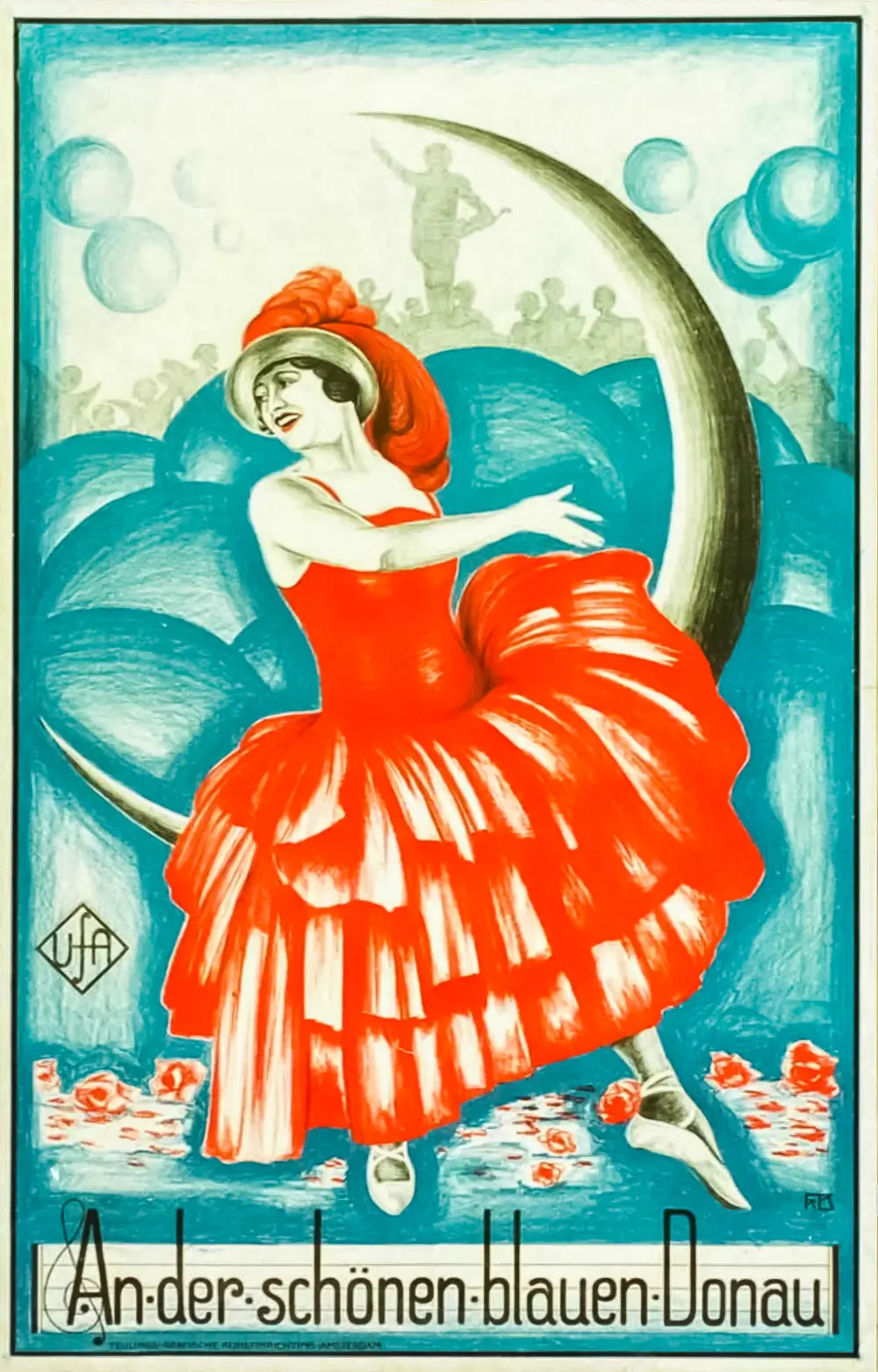
Is The Beautiful Blue Danube a film that demands your attention in the 21st century? Short answer: yes, but with significant caveats. This silent era drama, a product of its time, offers a fascinating glimpse into early filmmaking techniques and the melodramatic storytelling conventions that captivated audiences a century ago.
It is a film best suited for dedicated cinephiles, historians, and those with a genuine interest in the evolution of narrative cinema. If you approach film primarily for modern pacing, complex dialogue, or CGI spectacle, this is absolutely not the film for you. Its appeal lies in its historical significance and the raw, unadulterated emotional performances that transcend the lack of spoken word.
This film works because: It masterfully captures the essence of silent era melodrama, relying on powerful visual storytelling and the expressive capabilities of its cast to convey complex emotions and societal pressures.
This film fails because: Its pacing can feel excruciatingly slow by contemporary standards, and its reliance on broad emotional strokes might alienate viewers accustomed to more nuanced character development.
You should watch it if: You have an appreciation for cinematic history, the unique artistry of silent film acting, or a desire to understand the roots of romantic drama.
The Beautiful Blue Danube, penned by Charles Dunn and Fanny Carlsen, plunges us into an early 20th-century Vienna brimming with both artistic passion and rigid social hierarchy. At its core, it's a timeless tale of forbidden love, personified by Franz (Harry Liedtke), a composer of humble means but soaring ambition, and Liesl (Lya Mara), a dancer whose grace and spirit defy her modest background. Their romance, blossoming along the namesake river, is painted as a defiant act against a society that demands conformity and class distinction.
The film expertly establishes the suffocating weight of expectation placed upon Franz by his aristocratic family, led by the formidable Olga Engl and Julius Falkenstein. Their machinations to secure the family's future through an arranged marriage form the central conflict, forcing Franz into an agonizing dilemma. This isn't merely a love triangle; it’s a collision of worlds, a battle between personal desire and inherited duty, a theme that, despite its period setting, feels surprisingly universal.
Liesl's struggle is equally compelling, perhaps even more so. She embodies the harsh realities faced by women of her station, navigating social judgment and the constant threat of scandal. Her journey highlights the brutal class divide, where love alone is often insufficient to bridge the chasm of societal norms. The narrative, while steeped in melodrama, rarely shies away from the emotional cost of these choices, making for a deeply felt, if occasionally overwrought, experience.
The unnamed director of The Beautiful Blue Danube (a common occurrence in early cinema, where the creative team was often less emphasized than the studio or stars) demonstrates a keen understanding of silent film aesthetics. The reliance on strong visual compositions and expressive staging is evident throughout. There's a deliberate choice in how scenes are framed, often using depth and architectural elements to emphasize the characters' entrapment or isolation.
Consider the recurring shots of the Danube itself: not merely a backdrop, but a dynamic character. It’s presented as both a symbol of freedom and a silent observer of the lovers' despair. The contrast between the open, flowing river and the claustrophobic interiors of aristocratic homes is a simple yet powerful visual metaphor that the film returns to consistently.
The use of intertitles, while a necessary component of silent cinema, is handled with a commendable balance. They provide crucial exposition without over-explaining the emotional beats, allowing the actors’ performances to carry the primary narrative weight. This careful interplay ensures that the film never feels like a mere illustrated script, but a genuine cinematic experience.
The strength of any silent film rests squarely on the shoulders of its cast, and The Beautiful Blue Danube is no exception. Harry Liedtke, as the tormented Franz, delivers a performance brimming with earnestness and internal conflict. His facial expressions, though occasionally broad, convey a genuine struggle between his heart's desires and the crushing weight of his family's expectations. There's a particular scene, where he must choose between attending Liesl's performance and a society ball, where his silent anguish is palpable.
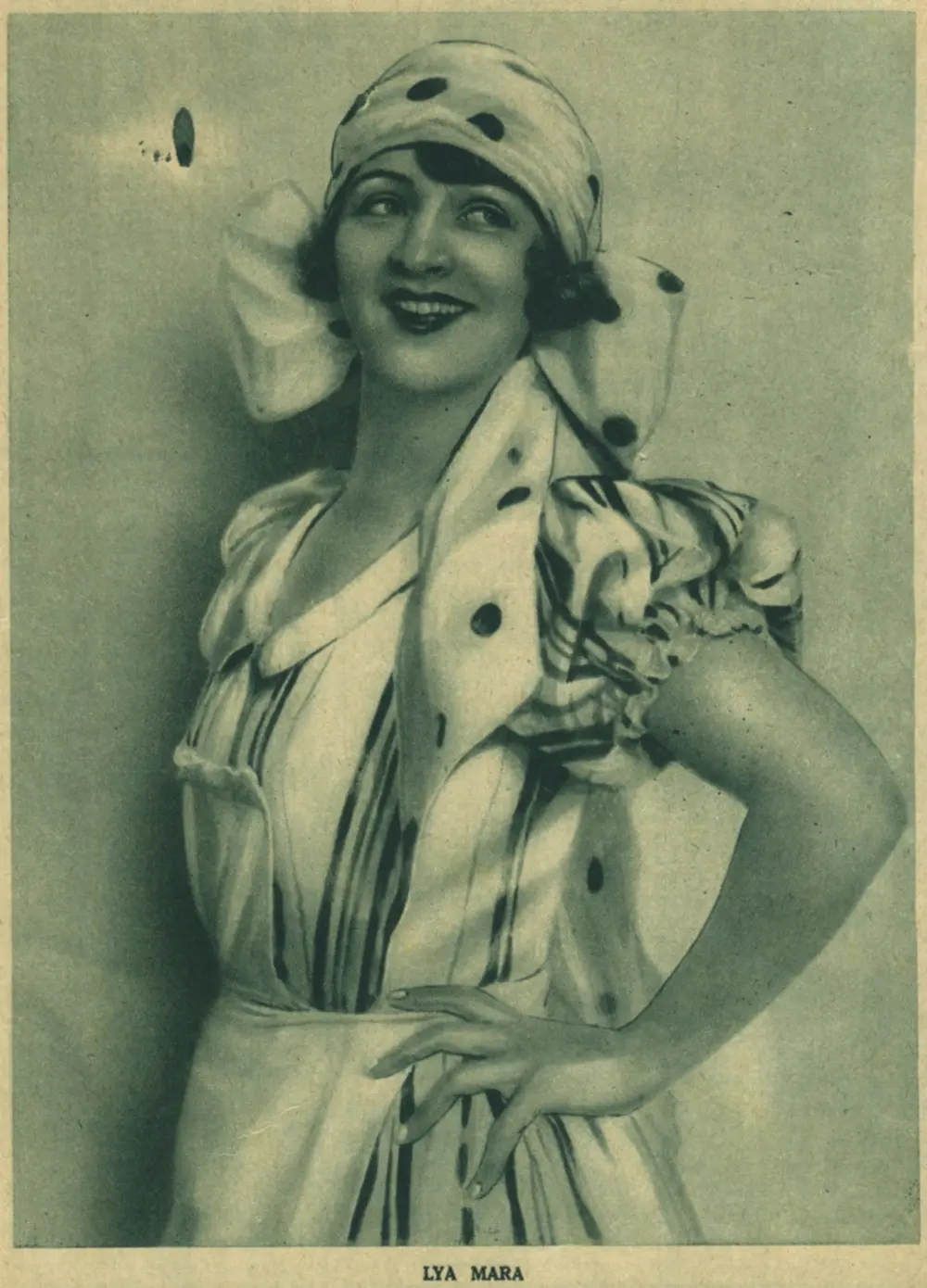
Lya Mara, as Liesl, is the true revelation. Her portrayal is infused with a captivating blend of vulnerability and resilience. Her expressive eyes and graceful physicality communicate a depth of emotion that transcends the spoken word. The moments where she dances are not just spectacle; they are extensions of her character's spirit, defiant and free, even as her circumstances tighten around her. Her chemistry with Liedtke, while subtle, anchors the film's romantic core.
The supporting cast, particularly Olga Engl and Julius Falkenstein as Franz's parents, are wonderfully effective in their roles as formidable antagonists. Engl's steely gaze and rigid posture perfectly encapsulate the unyielding aristocratic matriarch, while Falkenstein conveys a quiet, authoritative presence. Their performances, while less overtly emotional, provide the necessary gravitas and opposition to the central romance.
Even in smaller roles, like Hans Albers, there's a commitment to the melodramatic style that ensures every character contributes to the film's overall tone. The ensemble understands the demands of silent acting, using exaggerated gestures and clear emotional cues to ensure the narrative is always comprehensible, even without dialogue.
The cinematography, while certainly rudimentary by today's standards, showcases a burgeoning understanding of visual storytelling. Lighting is often used to dramatic effect, employing chiaroscuro techniques to heighten tension or emphasize a character's internal state. The contrast between the brightly lit ballrooms and the shadowed alleyways or riverbanks is a simple yet effective visual language.
The production design is another standout element, transporting the viewer directly into early 20th-century Vienna. The opulent sets of the aristocratic homes, with their grand staircases and elaborate furnishings, are meticulously crafted, reflecting the era's grandeur and the characters' social standing. These lavish backdrops are not merely decorative; they serve as a visual shorthand for the wealth and privilege that separate Franz and Liesl.
The costumes, too, are period-accurate and beautifully designed, further immersing the audience in the world of the film. Liesl's simple dancer's attire contrasts sharply with the elaborate gowns of the society women, a constant visual reminder of the class divide that dictates their lives. This attention to detail in the visual elements elevates the film beyond a simple narrative, making it a valuable historical document in its own right.
The pacing of The Beautiful Blue Danube is undeniably slow by contemporary standards. This is a common characteristic of silent cinema, where scenes often linger longer, and emotional beats are allowed to fully develop through visual cues rather than rapid-fire dialogue. For modern viewers, this deliberate pace can be a challenge, demanding a different kind of engagement and patience.
However, once adjusted to, this pacing allows for a deeper appreciation of the film's emotional landscape. The drawn-out moments of longing, despair, or defiance are given room to breathe, amplifying their impact. It’s a film that asks you to slow down, to observe, and to immerse yourself in its rhythm.
The tone is, without question, melodramatic. Every emotion is heightened, every conflict is grand. This is not a flaw, but an inherent characteristic of the genre and the era. The filmmakers lean into the dramatic potential of their story, employing every tool at their disposal to evoke strong emotional responses from the audience. It works. But it’s flawed.
Some might find this overt emotionalism tiresome, but for those who appreciate the raw power of early cinematic storytelling, it’s a compelling experience. It reminds us that cinema's ability to move us doesn't always require subtlety; sometimes, a grand gesture is exactly what's needed.
One surprisingly modern aspect of The Beautiful Blue Danube is its subtle critique of societal structures. While presented as a romantic tragedy, the film doesn't merely lament the lovers' fate; it implicitly questions the very systems that create such insurmountable barriers. The rigid class system isn't just a plot device; it's a character in itself, an antagonist as formidable as any human villain. This subtext elevates it beyond simple romance.
I would argue that Lya Mara’s performance, particularly in her dance sequences, feels almost revolutionary for its time. She doesn't just perform; she embodies a spirit of independence that subtly pushes back against the patriarchal norms. Her movements speak volumes, conveying a defiance that feels surprisingly potent, even today. This is not merely a damsel in distress; she is a woman fighting for her agency, however limited.
However, a debatable point lies in the film's ultimate resolution (or lack thereof, depending on interpretation). Does it offer a truly satisfying conclusion, or does it succumb to the era's penchant for bittersweet, often tragic, endings that reinforce rather than challenge the status quo? I lean towards the latter. While emotionally resonant, the ending feels almost inevitable, rather than a genuine exploration of alternative outcomes. It leaves you feeling the weight of the world, which is effective, but perhaps too neat a bow for such complex themes.
The Beautiful Blue Danube is more than just a relic; it's a vibrant, if demanding, piece of cinematic history that rewards patient viewing. It stands as a testament to the power of visual storytelling and the enduring appeal of a well-crafted melodrama. While its slow pace and overt emotionalism might deter some, those willing to immerse themselves in the unique language of silent film will find a deeply resonant and beautifully rendered tale of love against all odds.
It’s a powerful argument for the artistic merit of its era, showcasing how filmmakers, even without spoken dialogue, could weave intricate narratives and evoke profound human emotion. This isn't a film for everyone, but for the discerning cinephile, it offers a rich, rewarding experience. It’s an essential watch for understanding the roots of romantic drama and the foundational elements of cinematic expression. It deserves its place in the annals of film history, not just as an artifact, but as a compelling story in its own right.
IMDb —
1932
Community
Log in to comment.