DbcultAccessing Vault...
5.3/10
Senior Film Conservator
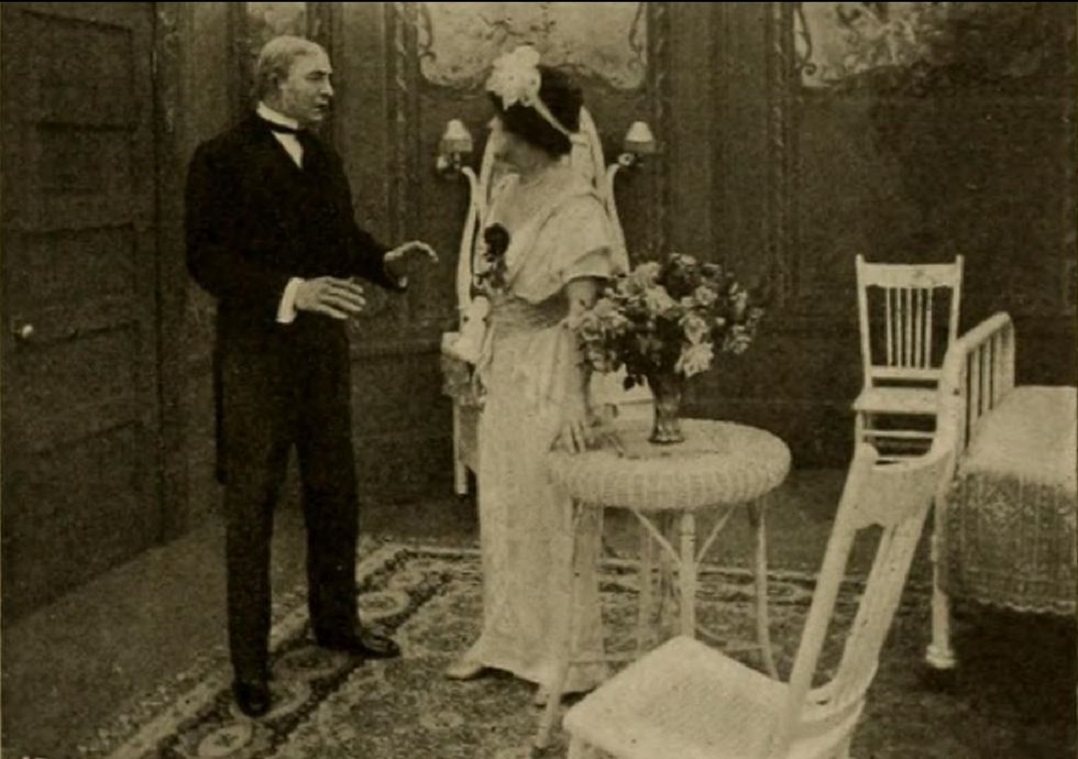
A definitive 5.3/10 rating for a film that redefined the boundaries of cult cinema. The Master Mind remains a cornerstone of transgressive art.
Stepping back into the nascent days of cinematic storytelling, one occasionally stumbles upon a gem that, despite its age, still gleams with a compelling narrative and a surprising depth of character. Such is the case with 'The Master Mind,' a 1914 silent film that, even a century later, manages to captivate with its intricate plotting and potent exploration of justice, or rather, its brutal perversion. Directed with a keen eye for dramatic tension, this early work stands as a testament to the power of visual storytelling, proving that spectacle wasn't always necessary for profound engagement.
The premise, at its core, is a timeless one: a man wronged, seeking retribution. Yet, 'The Master Mind' elevates this familiar trope into something far more sophisticated. Here, we encounter a defense attorney, a man presumably dedicated to the tenets of law and fairness, whose world is shattered by a profound injustice. He fails to secure the acquittal of an innocent young man, a failure that doesn't just sting, but fundamentally reshapes his moral compass. The film doesn't just present this as a simple loss; it portrays it as a catalytic event, a crucible in which his former self is incinerated, replaced by an obsessive, calculating persona. This transformation is central to the film's enduring appeal, offering a psychological study often absent in films of this era.
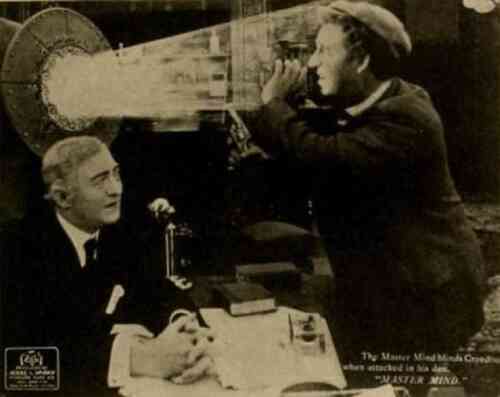
What follows is not a simple, hot-headed act of revenge, but a meticulously constructed, almost theatrical, campaign against the prosecutor responsible for the initial injustice. This isn't a mere punch in the face; it’s a dismantling, piece by agonizing piece, of the prosecutor's life. The complexity of this scheme, concocted by the embittered attorney, is truly the film's beating heart. It speaks volumes about the creative ambition of writers David Daniel Cohen and Clara Beranger, who dared to weave such an elaborate tapestry of deception and consequence in an era when cinema was still finding its voice. Their screenplay avoids simplistic morality, instead delving into the murky waters where justice and vengeance become indistinguishable, at least in the mind of the aggrieved.
Monroe Salisbury, in the titular role of the 'Master Mind,' delivers a performance that transcends the limitations of silent cinema. His portrayal is a masterclass in nuanced expression, conveying a spectrum of emotions – from initial despair to cold, calculating resolve – primarily through his eyes and subtle body language. One can discern the internal struggle, the burning resentment, and the chilling intellect behind his character's actions. It’s a performance that holds its own against the more theatrical styles prevalent at the time, offering a glimpse into the potential for psychological realism that early actors could achieve. Salisbury doesn't just play a character; he embodies a fractured soul driven by an unyielding purpose. His presence alone is a compelling reason to seek out this cinematic artifact.
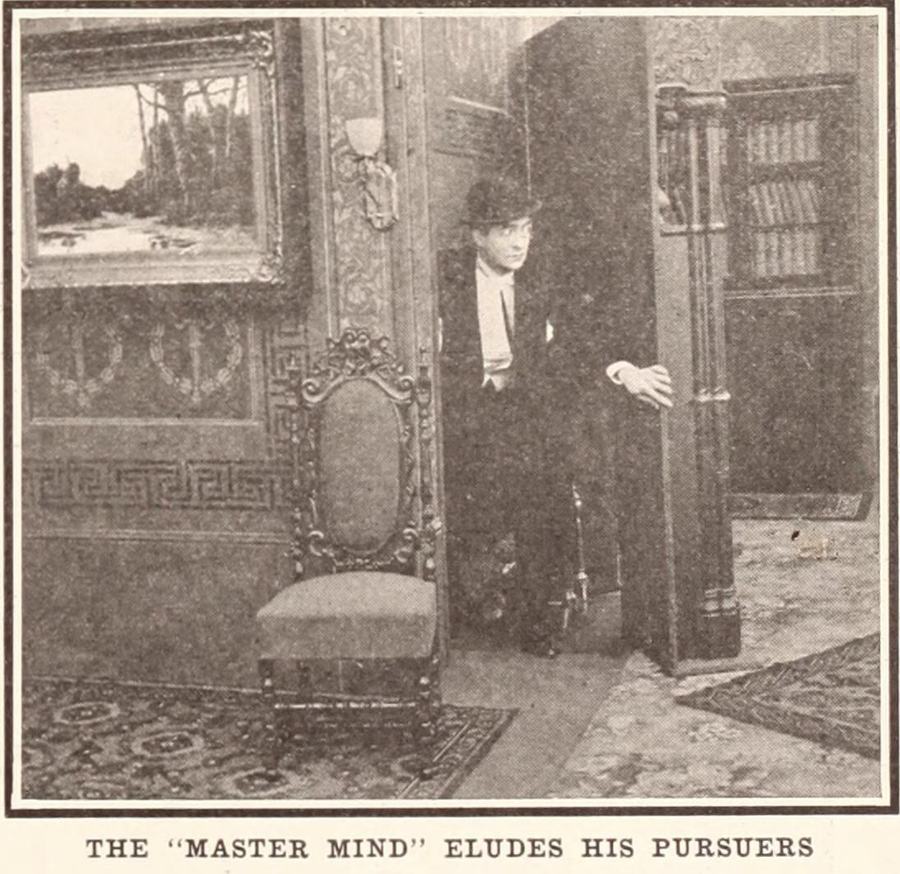
The supporting cast, including William Elmer, Baby La Reno, Edmund Breese, Harry Fisher, and Mabel Van Buren, provides solid anchors to Salisbury’s central performance. Each actor contributes to the unfolding drama, their reactions and interactions serving to amplify the stakes and the emotional weight of the attorney's elaborate plot. The film excels in building an atmosphere of simmering tension, where every interaction feels laden with unspoken motives and impending revelations. The meticulous planning of the revenge scheme is not just a plot device; it's a character in itself, influencing every scene and every character's destiny.
The thematic concerns of 'The Master Mind' resonate powerfully. It forces us to confront uncomfortable questions about the nature of justice, the fallibility of legal systems, and the thin line separating righteous indignation from corrosive obsession. Is the attorney a villain for his actions, or a tragic figure driven to extremes by a profound injustice? The film deliberately leaves room for interpretation, inviting viewers to grapple with the moral ambiguities inherent in the narrative. This complexity sets it apart from many contemporary melodramas, aligning it more closely with the psychological depth found in literary works like those that inspired A Study in Scarlet, where intricate plots serve as a canvas for exploring the human psyche.
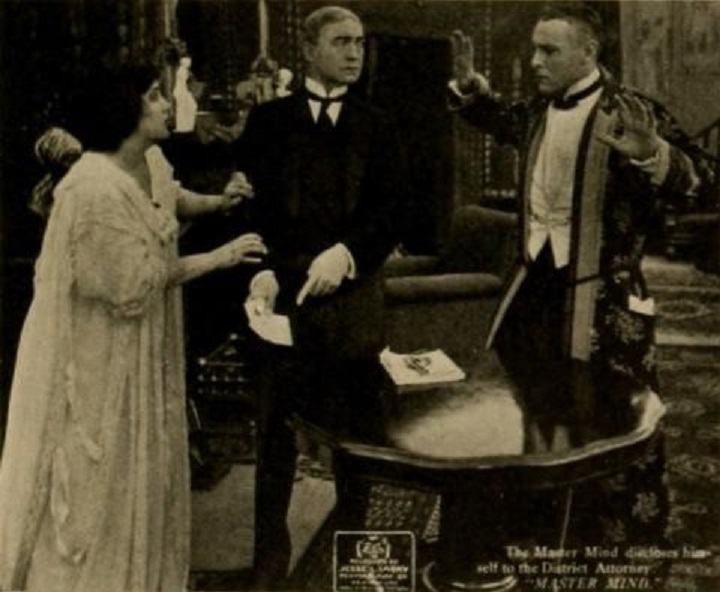
One might assume that a silent film, particularly one over a century old, would struggle to convey such intricate themes without dialogue. Yet, 'The Master Mind' thrives on its visual language. Cinematography, though rudimentary by today's standards, is employed effectively to establish mood and guide the viewer's eye. The use of close-ups on Salisbury's face, for instance, allows the audience to directly access his character's inner turmoil and intellectual machinations. Intertitles are used judiciously, providing essential exposition without overwhelming the visual narrative, a balance that films like The Child of Paris also navigated with grace, allowing the emotional performances to carry much of the weight.
The pacing of the film is deliberate, building suspense gradually rather than relying on rapid cuts or explosive action. This allows the audience to fully absorb the implications of each step in the attorney's revenge plan. It's a testament to the directorial craft that the tension remains palpable throughout, a skill that even modern thrillers sometimes struggle to maintain. Comparing it to other thrillers of the era, such as The Million Dollar Mystery, one notes a shared dedication to intricate plotting, but 'The Master Mind' often feels more grounded in psychological realism, focusing on the *why* as much as the *what*.
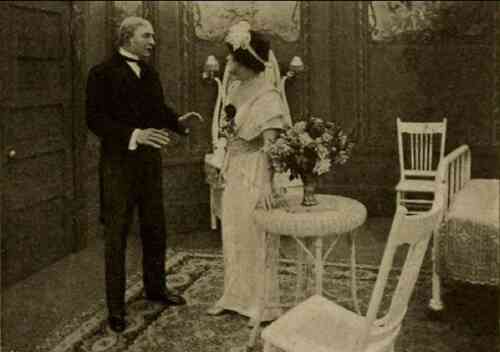
The film's exploration of revenge, while dark, isn't necessarily a glorification. Instead, it serves as a cautionary tale about the destructive power of obsession, even when born from a perceived righteous cause. The attorney, in his quest for retribution, sacrifices his own peace and perhaps his moral standing, becoming a mirror image of the very system he despises. This moral ambiguity is one of its most compelling features, allowing it to transcend simple good-versus-evil narratives. It prompts reflection on whether true justice can ever be achieved through personal vengeance, echoing the complex moral quandaries found in films like Ten Nights in a Barroom, albeit with a dramatically different subject matter.
The narrative construction, credited to David Daniel Cohen and Clara Beranger, is remarkably sophisticated for its time. They manage to juggle multiple layers of deception and revelation, keeping the audience guessing without resorting to cheap tricks. The gradual unveiling of the attorney's scheme is handled with a narrative precision that speaks to their understanding of dramatic structure. This thoughtful approach to storytelling is a hallmark of quality cinema, regardless of its vintage. It demonstrates a commitment to engaging the audience intellectually, not just emotionally.
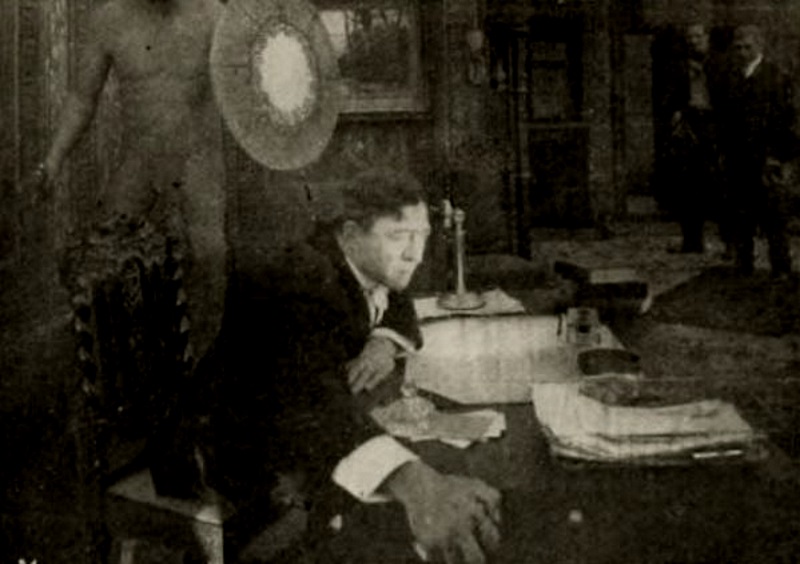
Watching 'The Master Mind' today is not just an exercise in historical appreciation; it's a genuinely engaging experience. It reminds us that the fundamental elements of compelling storytelling – strong characters, a gripping plot, and resonant themes – have always been at the heart of cinema. It stands shoulder to shoulder with other ambitious productions of its era, like Home, Sweet Home, in its capacity to evoke powerful emotions, though through a starkly different lens. While Behind the Scenes might offer a glimpse into the mechanics of performance, 'The Master Mind' delves into the internal mechanics of a mind pushed to its limits.
The film's enduring relevance lies in its unflinching portrayal of the human capacity for both profound suffering and intricate malevolence. It's a psychological drama dressed in the garb of a legal thriller, and its central figure, the 'Master Mind,' is a character who lingers in the memory long after the credits roll. For those interested in the evolution of narrative cinema, or simply in a good, old-fashioned tale of revenge meticulously executed, 'The Master Mind' is an essential viewing experience. It's a powerful reminder that even in the silent era, filmmakers were crafting complex, morally challenging stories that continue to provoke and entertain. Its influence can be subtly traced through subsequent legal dramas and revenge thrillers, demonstrating that the foundations of these genres were laid with considerable skill and foresight.
The film's ability to maintain suspense without audible dialogue is particularly noteworthy. Every gesture, every intertitle, every shift in a character's gaze is carefully orchestrated to convey information and build tension. It's a masterclass in visual communication, a skill that sometimes feels lost in the modern era of constant auditory stimulation. The performances, especially Salisbury's, are highly physical, yet never over-the-top, striking a delicate balance between dramatic expression and believable human emotion. This restraint, combined with the intricate plot, ensures that 'The Master Mind' remains more than just a historical curiosity; it's a genuinely compelling piece of cinema that continues to engage and challenge its audience.
Ultimately, 'The Master Mind' offers a fascinating window into early 20th-century filmmaking, showcasing a sophisticated approach to storytelling that belies its age. It’s a film that asks profound questions about justice, morality, and the human cost of vengeance, questions that remain just as pertinent today. Its intricate plot, compelling performances, and masterful use of silent film techniques make it a valuable piece of cinematic history and a thoroughly enjoyable watch for anyone with an appreciation for the art of storytelling. It stands as a testament to the creative ambitions of its time, proving that even without synchronized sound, the power of a well-told story, driven by complex characters, could resonate deeply and leave a lasting impression. From the psychological depth to the deliberate narrative pacing, this film offers a rich experience that continues to reward attentive viewing, securing its place as a silent film triumph.

IMDb —
1931
Community
Log in to comment.