DbcultAccessing Vault...
6/10
Senior Film Conservator
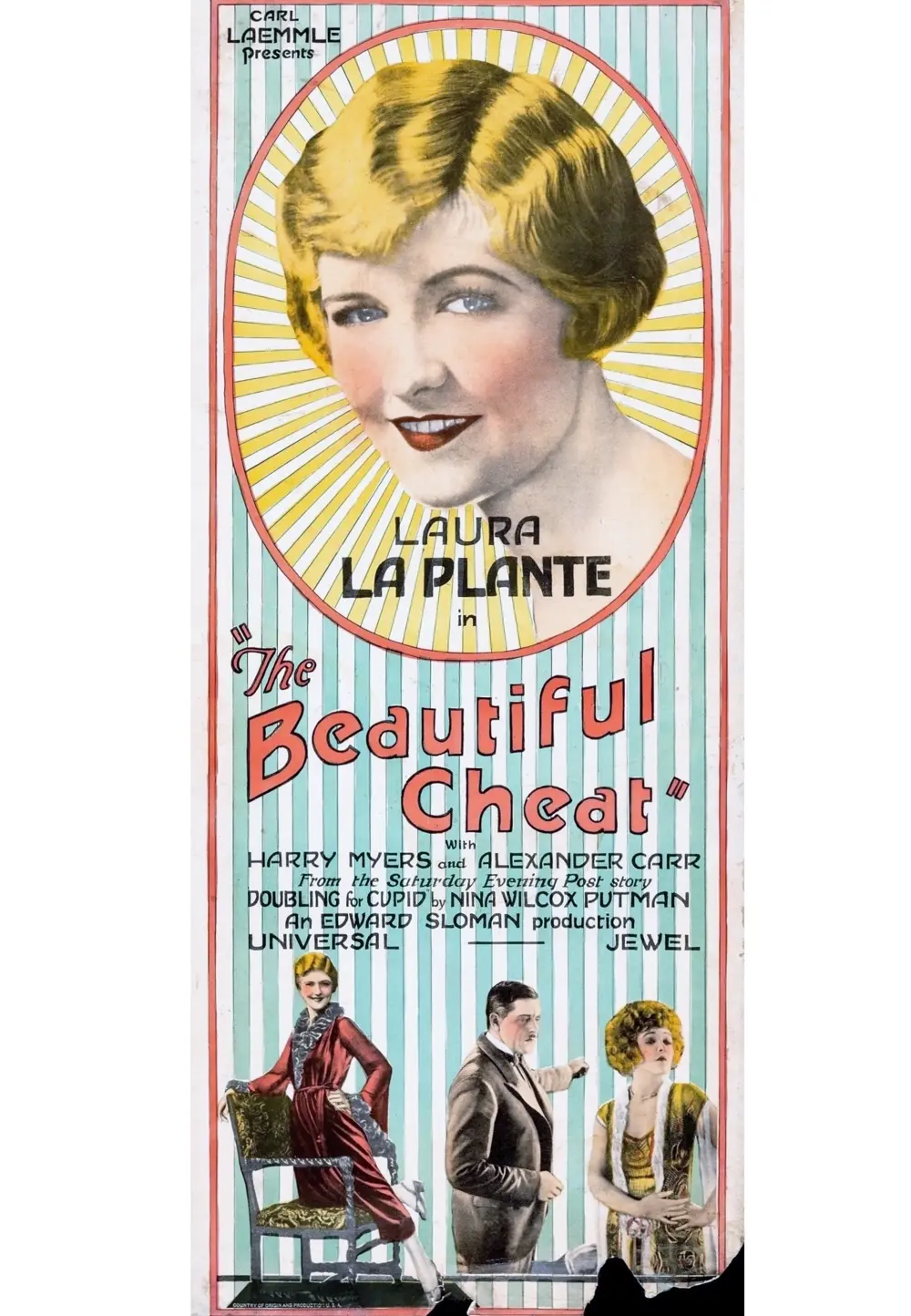
A definitive 6/10 rating for a film that redefined the boundaries of cult cinema. The Beautiful Cheat remains a cornerstone of transgressive art.
Is The Beautiful Cheat worth watching today? Short answer: yes, but with significant caveats. This early silent comedy will undoubtedly charm those with a deep appreciation for the era's unique storytelling and a generous tolerance for narrative contrivances, but it will likely frustrate viewers accustomed to modern cinematic realism and tightly woven plots.
This film is best for silent film enthusiasts, historians of early Hollywood, and those curious about the roots of the screwball comedy genre. It is decidedly NOT for audiences seeking fast-paced action, gritty realism, or intricate character development.
Edward H. Griffith's 1926 silent feature, The Beautiful Cheat, unfolds a narrative that feels both quaintly dated and remarkably prescient. At its core, the film is a comedic exploration of manufactured identity and the power of public relations, a theme that resonates even more strongly in our image-obsessed modern age. The plot, as audacious as it is simple, centers on a motion picture producer who, in a stroke of genius (or madness), decides to invent a star from whole cloth.
Enter Jimmy Austin, the press agent tasked with this monumental feat of fabrication. His chosen raw material? Mary Callahan, a seemingly ordinary shop girl. The transformation is swift and theatrical: Mary is whisked away to Europe, not for a vacation, but for an intensive rebranding exercise. She returns as 'Maritza Callahansky,' a Russian actress of dubious origins, complete with a fabricated claim to the crown jewels. It’s a bold premise, one that immediately sets a tone of lighthearted satire.
The film’s central conceit—the creation of a celebrity persona from nothing—is its most compelling element. It’s a direct commentary on the nascent Hollywood machine, a self-aware nod to the illusion and artifice inherent in the burgeoning film industry. The idea that a simple shop girl could, with enough publicity and an exotic backstory, become a star, speaks volumes about the era's fascination with glamour and the aspirational power of cinema.
The story escalates with a party, a classic comedic device, held in a Long Island mansion. The twist here is that the mansion is not Maritza’s, but rather an illicitly borrowed venue. The rightful owners, upon their untimely return, discover their home overrun by strangers. This scene, ripe with potential for chaos and comedic misunderstanding, is where the film truly leans into its farcical tendencies. The tension builds, threatening to expose Maritza’s entire charade.
However, the resolution, while convenient for the plot, is arguably the film’s most significant narrative stumble. The discovery that the mansion owners are, in fact, the parents of one of the extras in Maritza's company feels less like a clever twist and more like a desperate narrative bailout. This sudden familial connection not only dismisses charges of housebreaking but miraculously leads to the owners financing Maritza's film career. It’s a plot device so saccharine it risks dissolving any prior investment the audience might have made in the story’s more grounded (if still farcical) elements.
“The film’s most glaring weakness is its deeply convenient resolution, a narrative deus ex machina that feels both charmingly naive and utterly unearned.”
Despite this, the film’s journey from shop girl to star, culminating in Maritza’s marriage to Austin, remains a fascinating snapshot of early 20th-century media manipulation. It’s a testament to its era's naiveté, perhaps, or its audience's willingness to suspend disbelief to an almost absurd degree. The film’s ability to present such an outlandish scheme with a straight face, only to resolve it with an even more outlandish coincidence, is part of its peculiar charm.
In the silent era, the burden of storytelling often fell squarely on the actors' expressive faces and exaggerated gestures. Louise Gibney, as Mary Callahan/Maritza Callahansky, rises to this challenge with a performance that is both endearing and surprisingly nuanced. Her portrayal of Mary, the unassuming shop girl, is marked by a quiet sincerity, a subtle vulnerability that makes her transformation into the grand 'Maritza' all the more striking.
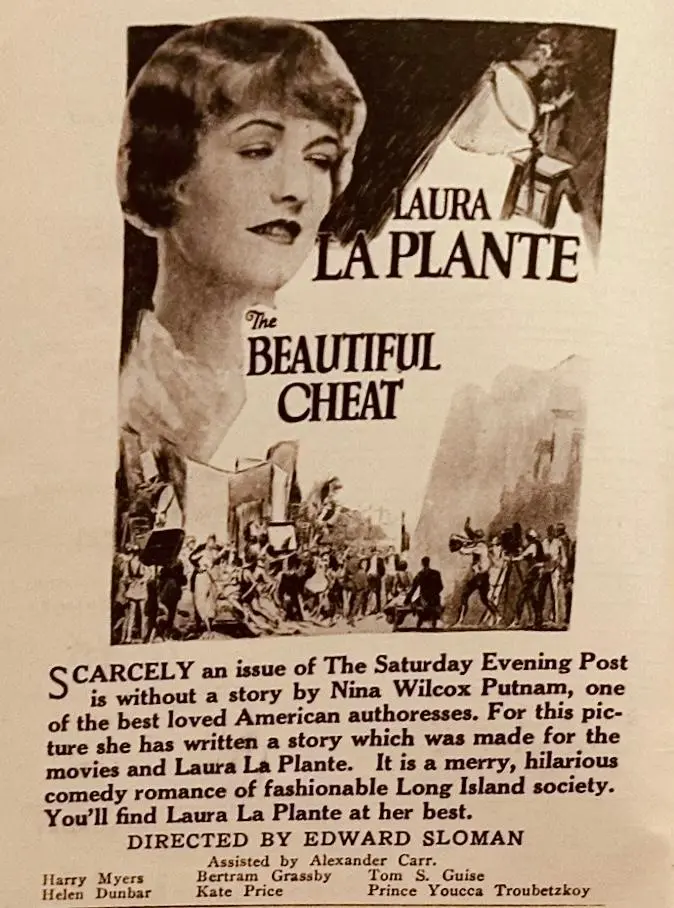
Gibney’s transition from hesitant ingenue to confident, if still slightly bewildered, Russian actress is commendable. She manages to convey Maritza’s assumed elegance without losing the underlying warmth of Mary. There’s a particular scene where Maritza, despite her opulent surroundings, still exhibits a touch of her former self, a slight awkwardness that humanizes the elaborate facade. This dual portrayal is crucial, as it provides the comedic engine for much of the film.
Bertram Grassby, as the cunning press agent Jimmy Austin, provides a strong counterpoint. His performance is full of energetic bravado, embodying the slick, fast-talking nature of his profession. He’s the architect of the deception, and Grassby plays him with a charming rogue quality that makes his questionable ethics forgivable. His interactions with Gibney are key to establishing the film’s romantic comedy elements, even if their eventual marriage feels predetermined rather than organically developed.
It’s also worth noting the presence of a very young Janet Gaynor in a minor role. While her screen time is limited, her inherent charisma is already palpable. Even in a small capacity, Gaynor’s ability to project a certain vivacity is clear, hinting at the star she would soon become. Her brief appearance serves as a delightful Easter egg for those familiar with her later, more prominent work in films like Seventh Heaven or Sunrise: A Song of Two Humans.
The supporting cast, though largely playing archetypal roles, contributes effectively to the film’s comedic ensemble. Kate Price as the housekeeper, for instance, provides moments of broad physical comedy and exasperation that are typical of silent-era supporting players. Their collective efforts create a bustling, often chaotic atmosphere that perfectly suits the film’s farcical tone. The performances, while not groundbreaking, are certainly effective in conveying the story without dialogue, relying heavily on expressive pantomime and clear emotional beats.
Edward H. Griffith's direction of The Beautiful Cheat is competent, if not revolutionary, for its time. He manages to keep the convoluted plot moving forward with a steady hand, utilizing the visual language of silent cinema to good effect. The film relies heavily on clear staging and well-placed intertitles to convey exposition and comedic timing, a common practice in the era.
The cinematography, while not groundbreaking, effectively contrasts Mary’s humble origins with Maritza’s manufactured grandeur. Shots of Mary in her simple shop attire are often framed to emphasize her ordinary nature, while Maritza’s grand entrance, complete with furs and jewels, is captured with a more opulent lens. This visual dichotomy is crucial for the audience to grasp the scale of the deception. The party scene, in particular, is well-staged, capturing the bustling energy and potential for mishap that such a gathering entails.
Griffith employs a straightforward, classical Hollywood style, focusing on clear sightlines and easy-to-follow action. There are no flashy camera movements or experimental techniques, which might disappoint those looking for the artistic flourishes of contemporaries like F.W. Murnau in The Last Laugh. Instead, the direction serves the story, prioritizing clarity and comedic impact over stylistic innovation. This approach makes the film accessible, even if it doesn't leave a lasting visual imprint.
One could argue that the film's visual humor could have been pushed further. While the performances carry much of the comedic weight, there are moments where a more imaginative use of visual gags or montage could have amplified the farce. However, given the constraints and conventions of 1926 filmmaking, Griffith delivers a solid, workmanlike effort that successfully translates the script’s comedic intentions to the screen.
The pacing of The Beautiful Cheat is, like many silent films, a product of its time. It builds its narrative at a deliberate, often unhurried pace, allowing scenes to play out with extended pantomime and frequent intertitles. Modern viewers accustomed to rapid-fire editing and constant narrative propulsion might find it somewhat slow. However, for those willing to adjust their expectations, this slower rhythm allows for a greater appreciation of the actors' craft and the nuances of silent storytelling.
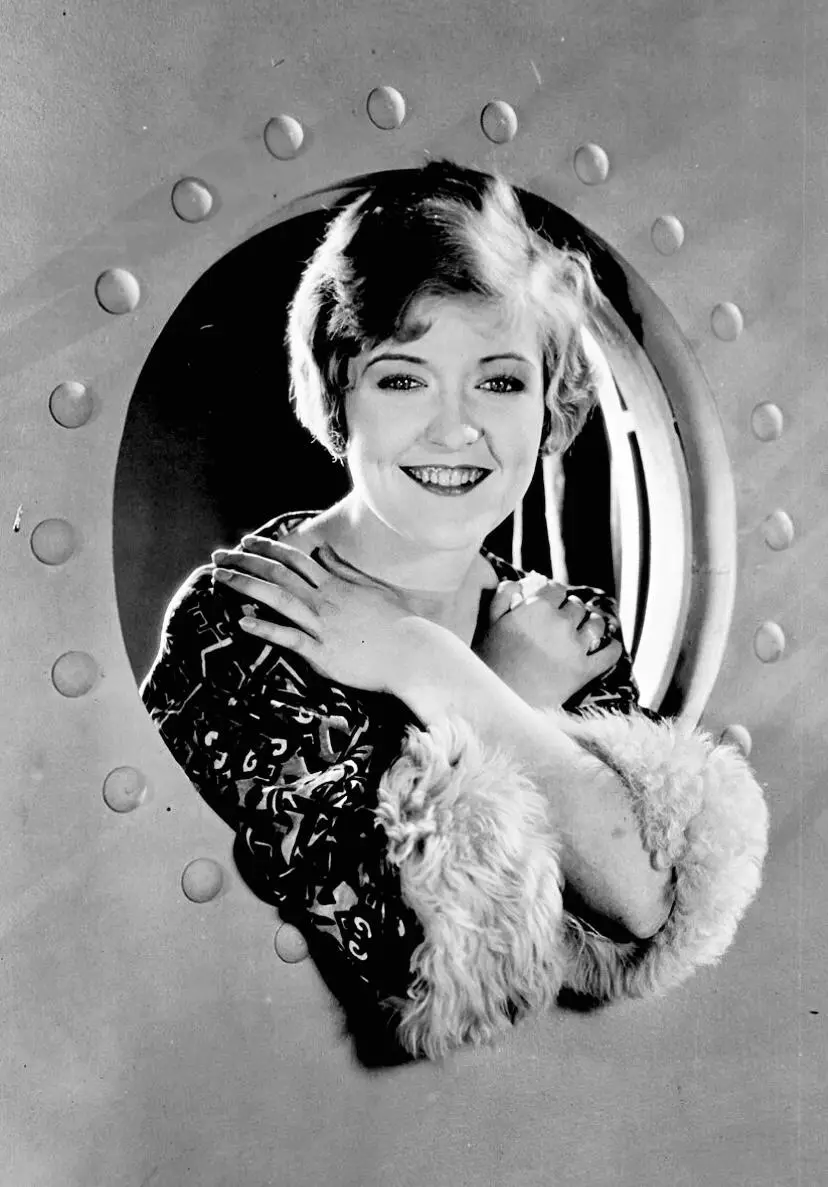
The tone is consistently lighthearted and farcical. Even when the characters face potential legal trouble, the film never veers into genuine suspense or drama. It’s clear from the outset that this is a comedy of errors, designed to entertain with its absurdity rather than to provoke deep thought. This commitment to a comedic tone is one of the film’s strengths; it never tries to be something it's not.
Its enduring appeal lies in its surprisingly relevant themes. The film's core idea—the construction of identity through media, the blurring of lines between reality and illusion—feels incredibly contemporary. While the methods are antiquated, the underlying commentary on celebrity culture and public perception is timeless. It's an accidental precursor to reality television and influencer culture, long before those concepts even existed.
There's also a certain charm in its innocence. The film's world, where a simple twist of fate can turn a housebreaking into a film deal, feels almost utopian in its optimism. It's a fantasy of easy success, a reflection of the aspirational spirit of the Roaring Twenties. This dreamlike quality, coupled with its comedic intent, makes it an interesting historical artifact beyond its entertainment value.
Yes, for silent film enthusiasts and those interested in early Hollywood's self-referential narratives. It offers a fascinating glimpse into a particular brand of farcical comedy. It is a solid example of a genre that was popular in the 1920s.
However, it’s not for everyone. If you struggle with the conventions of silent cinema—the reliance on intertitles, the exaggerated acting styles, the often slower pace—then The Beautiful Cheat might not be the best entry point. It requires a certain level of patience and historical appreciation.
For those who do venture in, it offers a unique blend of historical curiosity and light entertainment. It’s a film that, despite its flaws and dated elements, manages to maintain a certain endearing quality. It works. But it’s flawed.
The Beautiful Cheat is a fascinating, if imperfect, relic from the silent era. It offers a delightful glimpse into the nascent stages of Hollywood's self-mythologizing, wrapped in a charmingly audacious comedic premise. Louise Gibney's performance is the undeniable highlight, carrying the film with an infectious enthusiasm that makes the grand deception surprisingly believable within its own context.
While its narrative convenience in the final act is a significant flaw, undermining much of the comedic tension built earlier, the film's enduring appeal lies in its historical value and its surprisingly relevant commentary on the manufactured nature of celebrity. It’s not a masterpiece, nor is it a forgotten classic that demands immediate rediscovery. Instead, it occupies a comfortable space as a solid, entertaining silent comedy that offers more than just superficial laughs.
For those with an appreciation for silent cinema, The Beautiful Cheat is absolutely worth seeking out. It's a pleasant diversion, a window into a bygone era of filmmaking, and a testament to the enduring power of a good, old-fashioned con. It’s a film that reminds us that even nearly a century ago, the allure of a well-crafted illusion was as potent as it is today. Go in with the right expectations, and you'll find a quirky, enjoyable piece of cinematic history.
IMDb —
1925
Community
Log in to comment.