DbcultAccessing Vault...
6.6/10
Senior Film Conservator
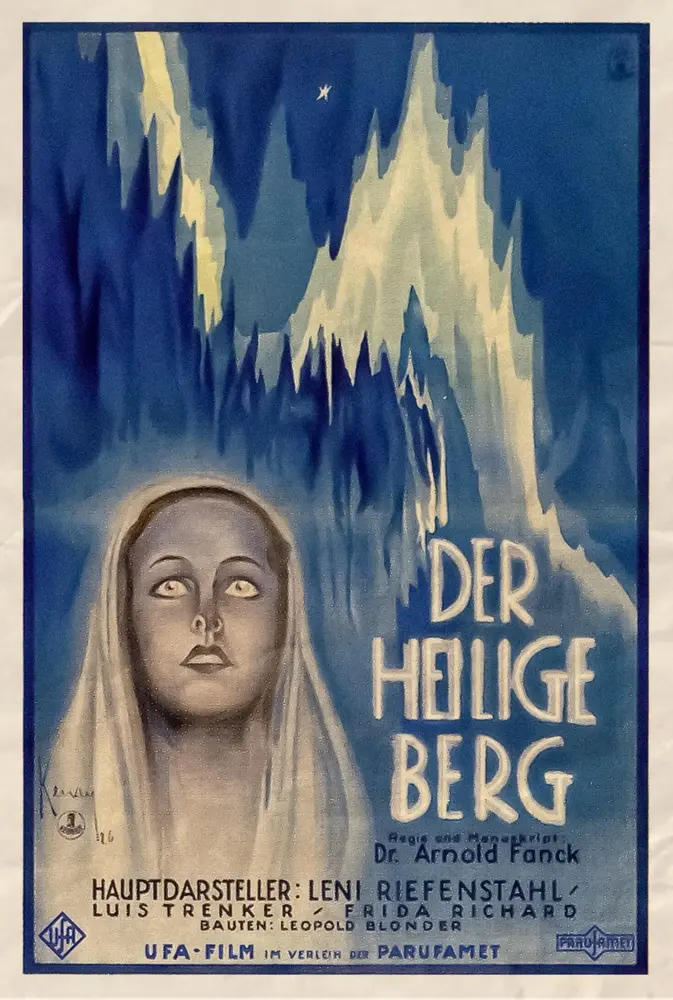
A definitive 6.6/10 rating for a film that redefined the boundaries of cult cinema. The Holy Mountain remains a cornerstone of transgressive art.
Is The Holy Mountain worth watching today? Short answer: Yes, but only if you are willing to trade narrative complexity for some of the most staggering visual compositions in silent film history.
This film is for the patient cinephile who treats the screen like a gallery wall and the historian interested in the birth of the 'Bergfilm' genre. It is emphatically not for those who require a plot that moves faster than a retreating glacier or viewers who find high-key melodrama exhausting.
1) This film works because it treats nature not as a backdrop, but as a primary antagonist and a spiritual mirror, using groundbreaking cinematography that still shames modern green-screen efforts.
2) This film fails because the central conflict relies on a 'misunderstanding' trope so thin it threatens to evaporate in the mountain air, making the characters feel like puppets of the plot rather than autonomous humans.
3) You should watch it if you want to see the exact moment where the cult of physical beauty and the majesty of the natural world merged into a cinematic language that would define an entire era of European filmmaking.
Arnold Fanck was not just a director; he was a geologist and a fanatic. In The Holy Mountain, his obsession with the peaks of the Dolomites and the Engadin is palpable in every frame. Unlike the studio-bound dramas of its era, such as The Marriage Lie, Fanck’s work is defined by its authenticity. When you see Hannes Schneider clinging to a sheer rock face, there are no wires. The danger is real. The cold is visible in the actors' breath.
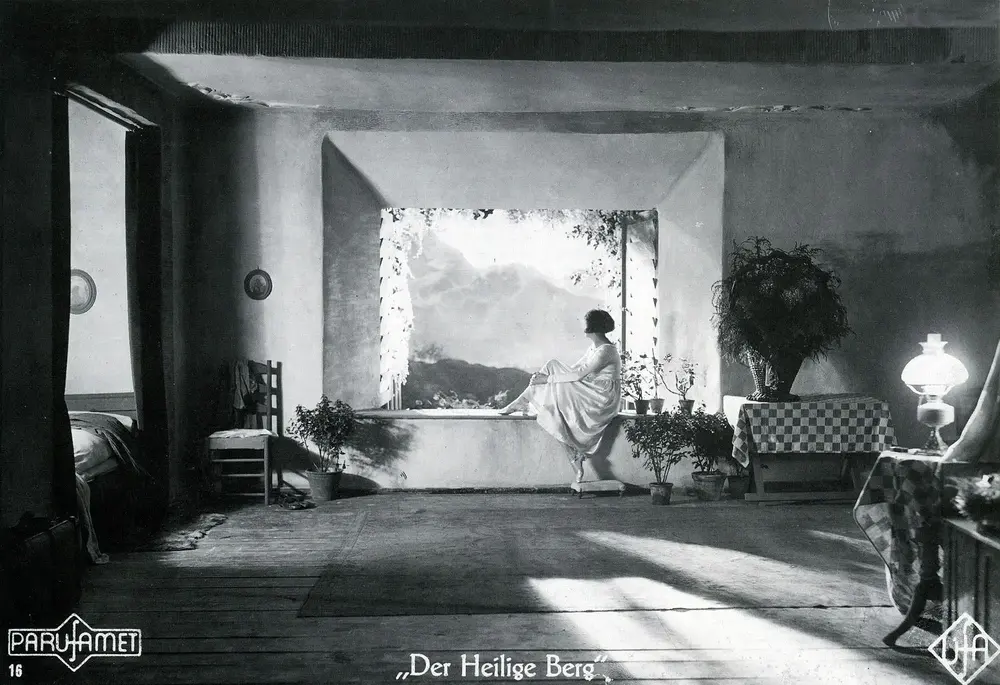
The cinematography by Sepp Allgeier and Helmar Lerski is nothing short of revolutionary. They captured the luminescence of snow and the jagged geometry of ice caves with a clarity that feels modern. Take, for instance, the sequence where Diotima dances by the sea. The way the light catches the spray of the waves creates a rhythmic, almost hypnotic texture. It’s a stark contrast to the more grounded, social realism found in films like Khleb.
The film’s reliance on 'nature as spectacle' is its greatest strength. The mountains are presented as holy, indifferent, and lethal. This isn't the cozy, romanticized nature of The Waybacks. This is a landscape that demands sacrifice. The use of long shots to dwarf the human figures against the monolithic peaks emphasizes the insignificance of their romantic squabbles in the face of geological time.
Long before her name became synonymous with political propaganda, Leni Riefenstahl was a dancer and an actress of immense physical capability. In The Holy Mountain, she portrays Diotima with an intensity that borders on the religious. Her movements are meant to bridge the gap between the fluid ocean and the static mountain. It’s a performance of the body more than the face. While some might find her expressions exaggerated compared to the subtle acting in Family Life, her performance fits the epic scale of Fanck’s vision.

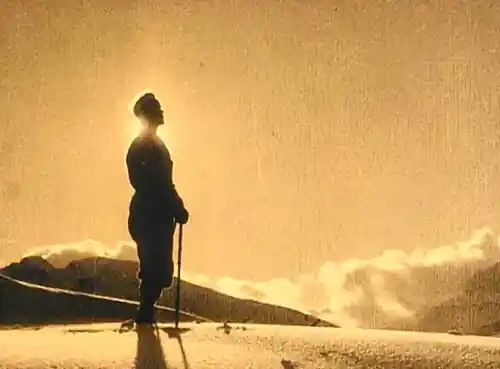
There is a specific scene where Diotima stands atop a peak, silhouetted against the sky, that encapsulates the film's ethos. It’s about the human form reaching for the divine. This obsession with physical perfection and endurance is a recurring theme in German cinema of this period, often leaning into a proto-fascist aesthetic that remains uncomfortable to watch today. However, stripped of that context, the sheer athleticism on display is undeniable. Riefenstahl didn't just act; she climbed, she danced on rocks, and she endured the elements alongside the crew.
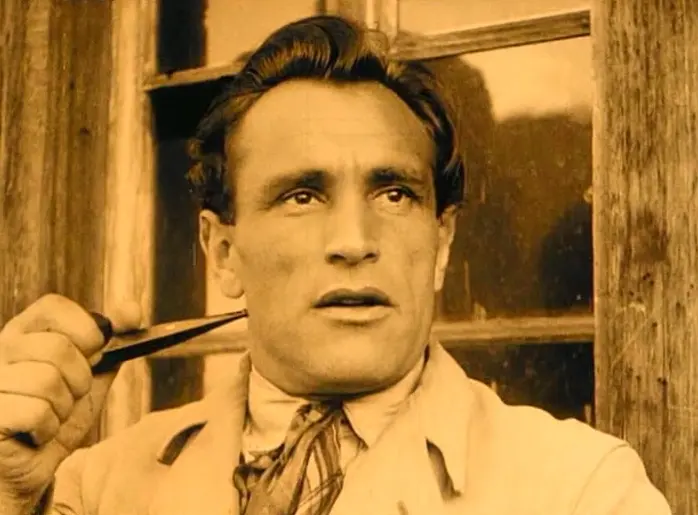
The male leads, Hannes Schneider and Luis Trenker, bring a rugged, stoic energy that balances Riefenstahl’s ethereal presence. They represent the 'mountain man' archetype—men of few words and many muscles. Their chemistry is built on mutual respect for the climb, which makes the eventual fracture of their friendship over a perceived betrayal all the more jarring. It’s a masculine melodrama that feels more visceral than the drawing-room conflicts of Brigadier Gerard.
If the film has a glaring weakness, it is the script. Arnold Fanck was a master of the camera but a novice of the heart. The plot hinges on Karl seeing Vigo with Diotima and immediately assuming the worst. There is no dialogue to clarify, no attempt at rational thought. It is a purely emotional, almost primal reaction. While this works to drive the characters into the dangerous 'North Wall' for the climax, it feels scripted rather than organic.
Compare this to the narrative tension in The Unbeliever, where ideological conflicts drive the plot. In The Holy Mountain, the conflict is purely a device to get the characters back onto the ice. The melodrama is dialled up to eleven. Karl’s descent into madness is signaled by frantic editing and close-ups of his anguished face, which stands in sharp contrast to the serene beauty of the environment. It’s a clash of styles that doesn’t always land.
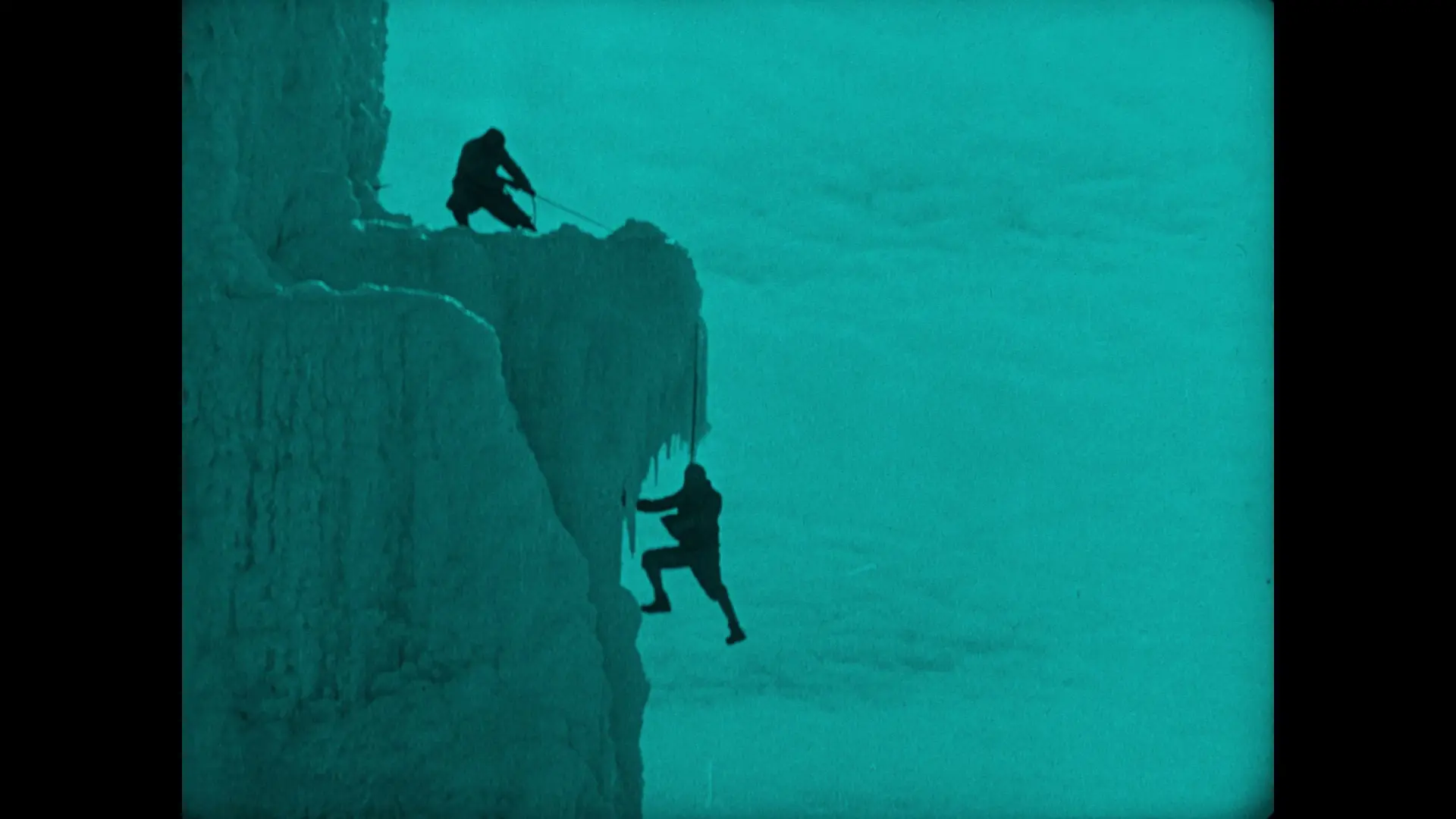
However, the film finds its footing again in the final act. The nighttime rescue mission is a masterclass in tension. The use of torches in the darkness, the flickering light against the snow, and the sheer verticality of the set-pieces create a sense of dread that few films of the 1920s could match. It’s here that the thin plot is forgiven, as the sheer spectacle of the struggle for survival takes over. It’s as harrowing as the aerial tension in Out of the Clouds, but with a more grounded, earthy terror.
Yes, The Holy Mountain is worth watching because it represents a peak of technical achievement in the silent era. If you can appreciate the film as a visual poem rather than a psychological thriller, you will find it rewarding. It is a foundational text for the mountain film genre and a testament to the lengths filmmakers would go to before the advent of digital effects. It’s a raw, beautiful, and deeply flawed piece of art.
Pros:
- Stunning, authentic location filming that remains impressive nearly a century later.
- A powerful, physical performance by Leni Riefenstahl.
- Pioneering cinematography that pushed the boundaries of what was possible in 1926.
- A haunting, atmospheric score that complements the visuals perfectly.
Cons:
- The plot is simplistic and relies on outdated melodramatic tropes.
- The pacing can feel glacial (literally) during the middle act.
- The acting style is very 'big,' which may not appeal to modern tastes accustomed to subtlety.
We must talk about the technical side. Arnold Fanck didn't use fakes. When you see the ice cave, that is a real ice cave. The production lasted over a year because they waited for the right weather. This level of commitment is rare. It’s more intense than the production of West of Chicago or The Tenderfoot. Fanck was essentially an explorer who happened to have a camera.
The film also experiments with color tinting—blues for the night, ambers for the interiors. This adds a layer of emotional depth to the silent images. In the scene where Karl and Vigo are trapped on the ledge, the deep blue tinting makes the cold feel palpable. You feel the frostbite. It’s a sensory experience that transcends the limitations of the medium.
Even the more mundane moments, like the scenes in the village, have a painterly quality. The composition of the shots, with the mountains always looming in the background, serves as a constant reminder of the stakes. It’s a visual cohesion that you don't always see in contemporary films like Going Up or Honeymoon Hardships.
The Holy Mountain is a monolith. It sits in the history of cinema like the peaks it depicts—cold, imposing, and impossible to ignore. It is not a 'fun' movie. It is an experience. The plot is a skeleton, but the skin and muscle of the film—the visuals, the effort, the sheer scale—are magnificent. It works. But it’s flawed. It’s a film that demands your full attention and a certain level of forgiveness for its narrative shortcomings. If you give it that, it will reward you with images that stay burned into your retinas long after the credits roll. It is a testament to the power of the image over the word.
"A visual symphony that proves nature is the greatest set designer cinema has ever known, even if the human drama occasionally slips on the ice."
IMDb 5.3
1930
Community
Log in to comment.