DbcultAccessing Vault...
Cult Review
Senior Film Conservator
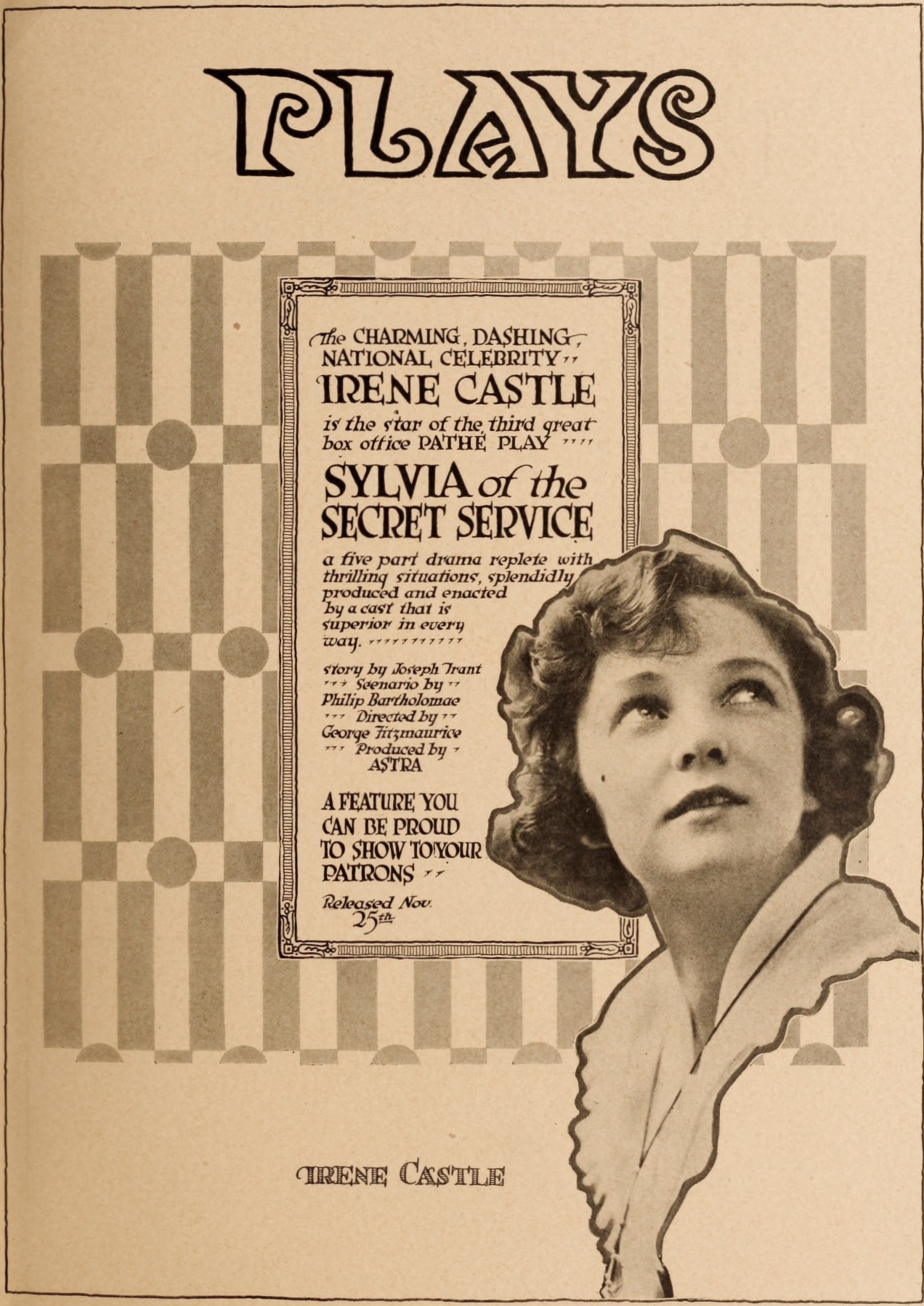
The flickering images of 1917's Sylvia of the Secret Service transport us to a pivotal moment in cinematic history, a period when the burgeoning art form was not merely entertainment but a crucial mirror reflecting the anxieties, patriotism, and nascent propaganda of a nation embroiled in the Great War. This particular silent feature, starring the incomparable Irene Castle, plunges headlong into the fraught world of wartime espionage, presenting a narrative that, while perhaps simplistic by modern standards, resonated profoundly with contemporary audiences grappling with the very real specter of enemy agents and domestic sabotage. The film's premise — a German plot to obliterate a New York City ammunition dump, thwarted by a resourceful secret agent — might seem a familiar trope now, yet in its original context, it was a potent cocktail of suspense and nationalistic fervor.
At the heart of this thrilling endeavor is Irene Castle, a name synonymous with early 20th-century American glamour and innovation. Before gracing the silver screen as Sylvia, Castle, alongside her husband Vernon, had revolutionized ballroom dancing, captivating a generation with their elegance and modern flair. Her transition to film was a natural progression for a public figure of such magnitude, and she brought to Sylvia a unique blend of sophistication and understated strength. One can almost see the echoes of her dance training in her character's movements – precise, graceful, yet imbued with an underlying sense of purpose. Sylvia isn't merely a damsel in distress; she is an active participant in her own destiny, a woman of agency in a narrative landscape often dominated by male heroes. Her portrayal undoubtedly offered a compelling counterpoint to the more overtly melodramatic female roles prevalent in many films of the era, such as those found in Her Right to Live, where the focus might lean more towards societal tribulations than direct action.
Castle's screen presence, even through the veil of silent film acting, is palpable. Her expressive eyes and subtle gestures would have been crucial in conveying the intricate emotional landscape of a spy operating under immense pressure. She embodies a quiet determination that elevates Sylvia beyond a mere plot device, transforming her into a symbol of American resilience. The writers, Philip Bartholomae and Joseph H. Trant, crafted a role that allowed Castle to leverage her public persona as a woman of refinement and courage, making her character's daring exploits all the more believable and inspiring to a war-weary audience.
No spy thriller is complete without a formidable antagonist, and Sylvia of the Secret Service delivers, featuring none other than Erich von Stroheim in a supporting role. Even in these nascent stages of his career, before he would become the legendary 'man you love to hate' and a celebrated, if controversial, director, von Stroheim's distinctive screen presence was already unmistakable. His portrayal of a German saboteur, even if brief, would have been imbued with that characteristic blend of haughty menace and precise, almost aristocratic villainy that would define his later work. He was a master of conveying malevolence through posture, gaze, and a slight curl of the lip, a skill that made him a natural fit for the 'Hun' archetype so prevalent in wartime cinema. Comparing his subtle yet impactful villainy here to the more overt, almost caricatured antagonists seen in serials like The Gray Ghost highlights the nuanced approach von Stroheim often brought, even to minor parts. His very presence on screen, even in an early film like this, lends an air of sophisticated danger to the German plot, making Sylvia's task seem all the more daunting.
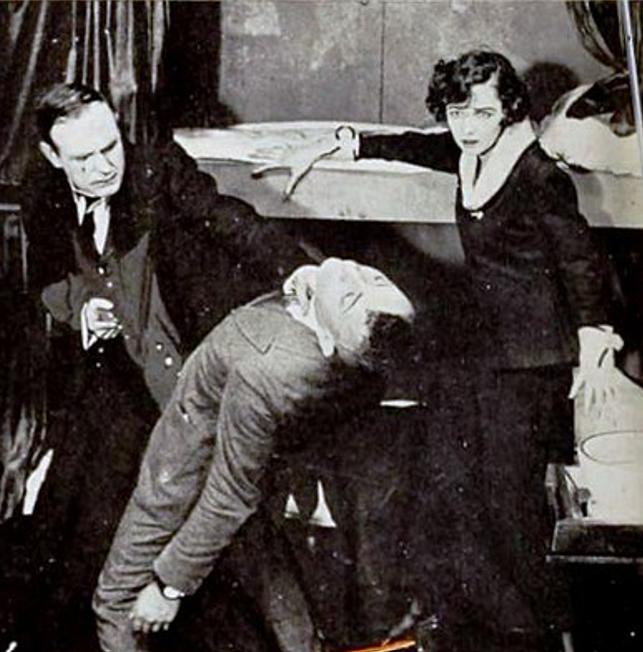
The ensemble cast, including Elliott Dexter, Suzanne Willa, and Antonio Moreno, supports Castle admirably. Dexter, often cast as the leading man of quiet strength, would have provided a reliable presence, perhaps as Sylvia's confidant or a fellow agent. Suzanne Willa and Antonio Moreno, both established names in early cinema, would have brought their own unique flavors to the supporting roles, adding layers to the unfolding drama. The collective performances, constrained by the conventions of silent acting, would have relied heavily on broad gestures and exaggerated facial expressions, yet within these parameters, the actors undoubtedly strove to create compelling characters that propelled the narrative forward with urgency.
The construction of a spy thriller in 1917 was a delicate art. Without the benefit of synchronized sound, filmmakers relied on visual storytelling, dynamic editing, and compelling intertitles to build tension and convey crucial plot points. One can imagine the film employing classic suspense techniques: cross-cutting between the saboteurs meticulously setting their explosives and Sylvia racing against time, perhaps infiltrating their lair or deciphering a coded message. The ticking clock would have been an invisible but omnipresent force, driving the narrative towards its inevitable climax. Such an approach echoes the narrative urgency seen in other contemporary thrillers, where imminent danger is a primary motivator, much like the frantic race against time depicted in Telegramtyvene.
The plot, simple on the surface, would have been enriched by visual details – shadowy figures lurking in dimly lit alleyways, clandestine meetings in opulent drawing rooms, and the industrial backdrop of the ammunition dump itself. The directors, presumably working under tight production schedules common for the era, would have focused on clear visual storytelling, ensuring that every gesture, every prop, and every camera angle contributed to the narrative's forward momentum. The stakes were high, not just for the characters, but for the American public, for whom the threat of German espionage was a very real concern. Films like Sylvia of the Secret Service served not only to entertain but also to reassure, portraying American ingenuity and courage as ultimately triumphant.
The cinematography of the period, while not as sophisticated as later decades, still possessed a raw charm and effectiveness. Lighting would have been employed to create stark contrasts between good and evil, light and shadow, highlighting the moral clarity that wartime narratives often demanded. Close-ups on Castle's face would have emphasized her determination and intelligence, while wider shots would have established the urban landscape, transforming New York City into both a stage for heroism and a potential target for destruction. The visual composition, though perhaps less complex than the intricate frames of a film like The Soul of Satan, would have been designed for maximum impact and clarity, essential for an audience accustomed to theatrical performances rather than the nuances of cinematic realism.
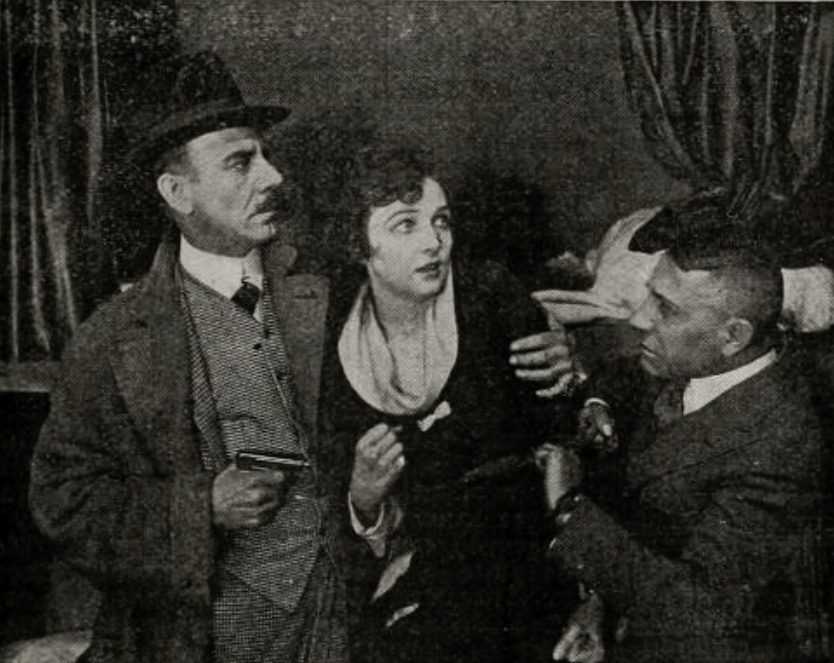
Thematic resonance in Sylvia of the Secret Service is undeniable. Patriotism, loyalty, and the defense of the homeland are central pillars. Sylvia's unwavering commitment to her mission embodies the spirit of national unity and defiance against external threats. The film taps into the collective anxieties of a nation at war, offering a cathartic experience through the triumph of good over evil. It's a testament to the power of early cinema to shape public sentiment and reinforce national identity during a period of profound global upheaval. This sense of national duty and the individual's role in it can be seen across various genres of the era, from serious dramas to lighthearted comedies like It's No Laughing Matter, albeit through different lenses.
Placing Sylvia of the Secret Service within the broader context of early spy thrillers and action films reveals its unique contributions and commonalities. While films like On the Trail of the Spider Gang might have focused on more traditional criminal elements, Sylvia elevates the stakes to international conflict. The portrayal of a female secret agent, while not entirely unprecedented, was certainly less common than male counterparts. This aspect alone makes Sylvia a noteworthy entry, showcasing a proactive female protagonist at a time when women's roles in society were undergoing significant shifts. The film contrasts with something like Der Ruf der Liebe, which likely explored more romantic or dramatic themes, by firmly planting its flag in the realm of high-stakes, direct action. Even comparing it to more fantastical adventure narratives like The Last Egyptian, Sylvia grounds its thrills in contemporary geopolitical realities, making the danger feel immediate and tangible.
The narrative's focus on a specific, geographically identifiable threat – the New York City ammunition dump – would have enhanced its realism for audiences. This specificity grounds the espionage in a way that generalized 'evil plots' might not. The meticulousness of the German saboteurs, even if depicted with broad strokes, would have served to heighten the urgency of Sylvia's mission. The success of such a film lay in its ability to convince audiences of the real and present danger, making Sylvia's eventual triumph all the more satisfying. This sense of immediate peril and the necessity of a swift resolution connects it to the urgent narratives found in films such as Dødsklippen, where characters face direct, life-threatening challenges.
As a relic from the silent era, Sylvia of the Secret Service offers invaluable insights into the filmmaking techniques, cultural attitudes, and propaganda efforts of World War I America. It stands as a testament to the ingenuity of early filmmakers who, despite technological limitations, managed to craft engaging and impactful stories. The film's reliance on visual storytelling, the evocative power of intertitles, and the magnetic performances of its stars like Irene Castle and the nascent Erich von Stroheim, all contribute to its historical significance. It is a snapshot of a time when cinema was rapidly evolving, finding its voice, and discovering its immense power to both entertain and influence. When we consider the diverse range of narratives from this period, from the more comedic explorations of human foibles in The Clown to the profound emotional journeys in The Immortal Flame, Sylvia's contribution to the spy genre remains distinct.
The preservation of such films is paramount, allowing modern audiences to connect with the cinematic past and understand the roots of genres we now take for granted. Sylvia of the Secret Service, with its blend of star power, wartime intrigue, and nascent cinematic techniques, remains a fascinating artifact. It reminds us that even in the absence of spoken dialogue, the drama of human conflict, the thrill of espionage, and the enduring spirit of heroism could be conveyed with profound effect, captivating audiences and shaping the very trajectory of popular entertainment. The film, like a hidden message itself, reveals much about the era it emerged from, offering silent but powerful commentary on a world in flux. Much like the intricate web of relationships explored in The Family Cupboard, Sylvia's plot, though externally focused, reflects the internal tensions and societal structures of its time.
Ultimately, revisiting Sylvia of the Secret Service is more than just an exercise in historical appreciation; it's an opportunity to witness the foundations of modern genre filmmaking. It's a chance to appreciate Irene Castle's often-overlooked acting prowess and to catch a glimpse of Erich von Stroheim's early, potent screen presence. It's a reminder of how simple narratives, when imbued with compelling performances and the urgent context of their time, can transcend their limitations and continue to resonate. The film, even in its quietude, speaks volumes about a pivotal moment in both world history and cinematic evolution, its legacy subtly influencing the thrillers and spy narratives that would follow for decades to come. It’s a testament to the enduring power of a well-told story, regardless of the technological constraints of its birth, standing as a cinematic echo of a world caught in the throes of unprecedented conflict, much like the challenging circumstances faced by characters in films such as Blind Man's Holiday or The Wager, where personal stakes intertwine with broader struggles.
IMDb 4
1916
Community
Log in to comment.