DbcultAccessing Vault...
6.2/10
Senior Film Conservator
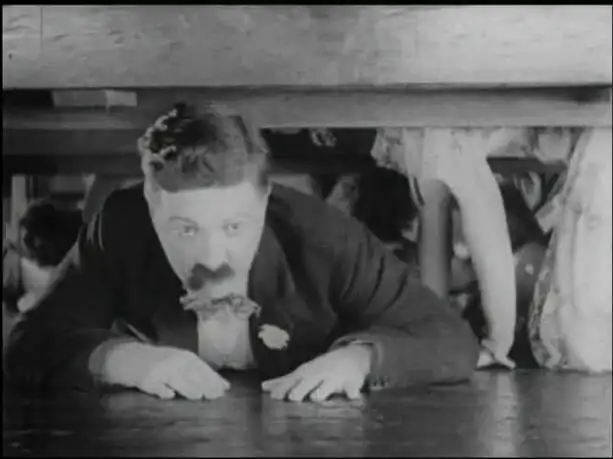
A definitive 6.2/10 rating for a film that redefined the boundaries of cult cinema. The Best Man remains a cornerstone of transgressive art.
If you have ever been to a wedding where the ring bearer lost the jewelry or the groom’s brother had one too many drinks, you might find The Best Man (1928) strangely therapeutic. It is a movie for anyone who enjoys watching well-dressed people fail miserably at basic tasks. 💒
Is it worth your time today? Honestly, only if you have a soft spot for the specific kind of chaos that only 1920s slapstick can provide. If you hate physical comedy or silent films, this will probably feel like a fever dream you didn't ask for.
Billy Bevan stars as the titular best man, and his performance is less about acting and more about surviving the sets. He has this look in his eyes—a sort of frantic, wide-eyed panic—that feels very relatable if you've ever been late to an important event.
One might argue that the film’s narrative structure is essentially just a series of excuses for Bevan to fall over. It doesn't really have a plot so much as a momentum of errors.
The mustache on Bevan’s face deserves its own billing in the credits. It is so large and stationary that it almost looks like a piece of costume jewelry glued to his upper lip. 🥸
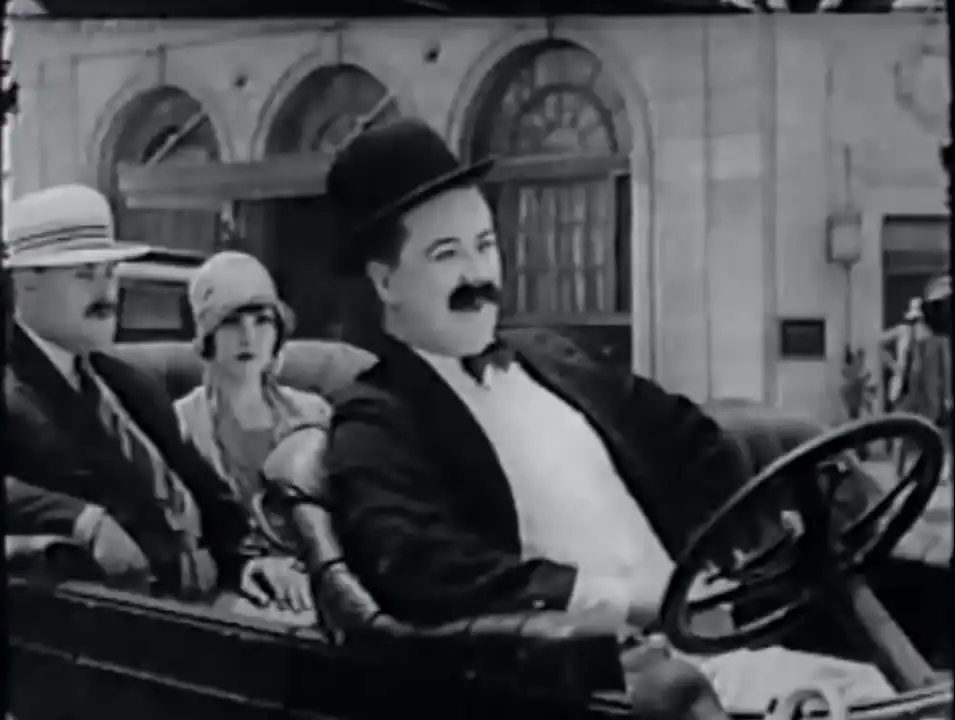
I noticed a very strange edit about five minutes in where a character seems to teleport across the room. It’s the kind of technical glitch that reminds you how experimental and rough filmmaking still was in 1928.
The pacing is quite relentless, which is both a blessing and a curse. It never gives you enough time to realize that the jokes are mostly the same three gags repeated in different outfits.
There is a moment involving a tuxedo that feels genuinely painful to watch. You can almost feel the starch in the collar scratching the actor's neck as he tumbles through a doorway.
The chemistry between the bride and groom is almost non-existent. They mostly just stand there looking vaguely annoyed while the world collapses around them.
Compared to something like The Paleface, the physical stunts here feel a bit more grounded and perhaps a bit more dangerous. There is a lack of polish that makes the falls feel heavier.
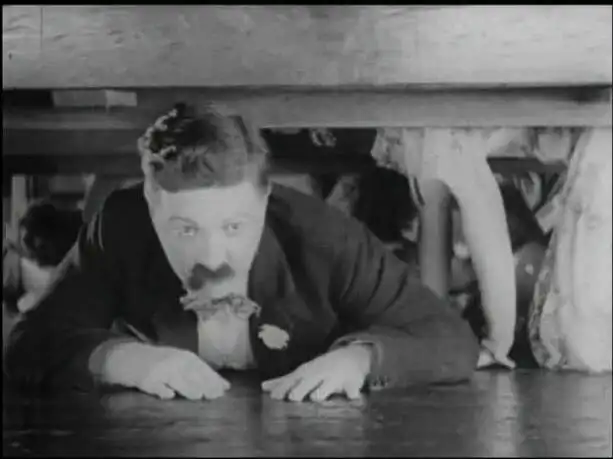
It is perhaps possible that the director, Harry Edwards, was trying to comment on the absurdity of social rituals. Or, more likely, he just thought it was funny to see a man get hit with a cake. 🎂
The set design is interestingly flimsy. You can see the walls shake whenever a door is slammed, which adds a layer of unintended surrealism to the whole affair.
I found myself focusing on the background extras during the wedding scene. Half of them look like they are genuinely confused about where they are supposed to stand.
Some of the dialogue cards are surprisingly wordy for a movie that is 90% falling. It feels like the writers were trying to add a layer of wit that the visual comedy didn't actually need.
The film doesn't quite reach the heights of Nearly Married in terms of situational irony. It stays firmly in the realm of the pratfall.
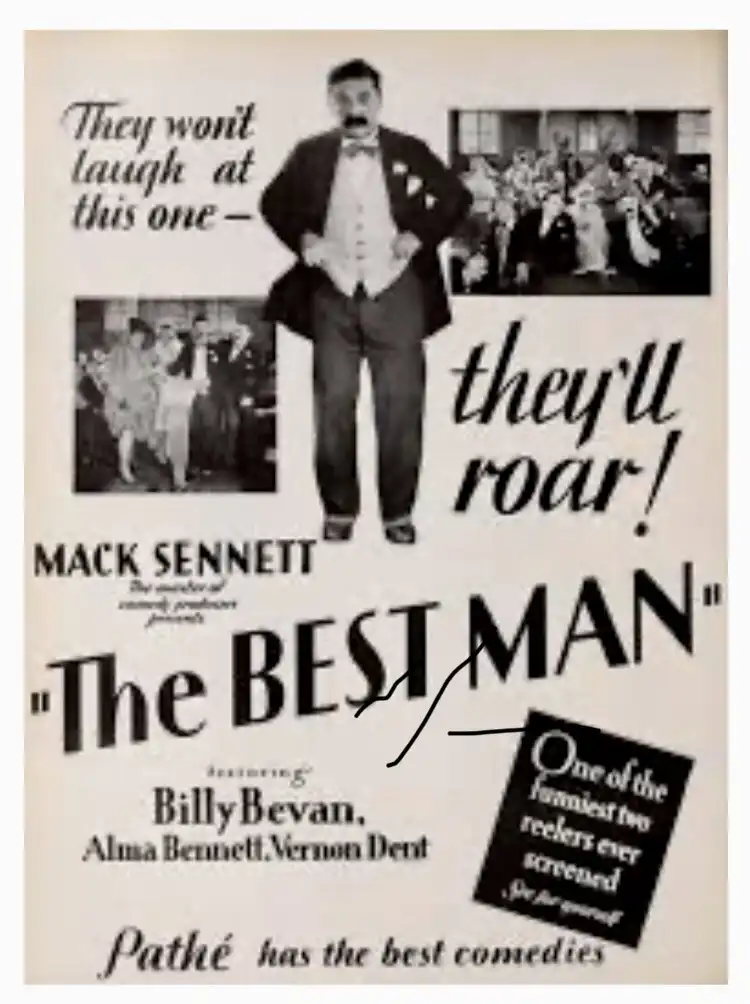
There is a scene with a car that goes on about thirty seconds too long. The silence of the film makes the lack of a punchline feel even more awkward as the scene drags on.
One reaction shot of Andy Clyde lingers for an eternity. He just stares into the middle distance while chaos happens behind him, and it becomes unintentionally hilarious.
The costumes are oddly bulky. Everyone looks like they are wearing three layers of wool, which makes the high-speed chases look clunky and difficult.
I suspect that many modern viewers will find the ending a bit abrupt. It just sort of... stops, as if the camera ran out of film or the actors simply got too tired to keep falling down. 🎬
Ultimately, it’s a tiny slice of cinematic history that doesn't demand much from you. It’s a clumsy, loud, silent experience that reminds us that weddings have been stressful since the dawn of time.
If you’re looking for a deep scholarly experience, you might be disappointed. But if you want to see a man with a giant mustache lose a fight with a staircase, you’ve found your movie.
IMDb 6.4
1922
Community
Log in to comment.