DbcultAccessing Vault...
Cult Review
Senior Film Conservator
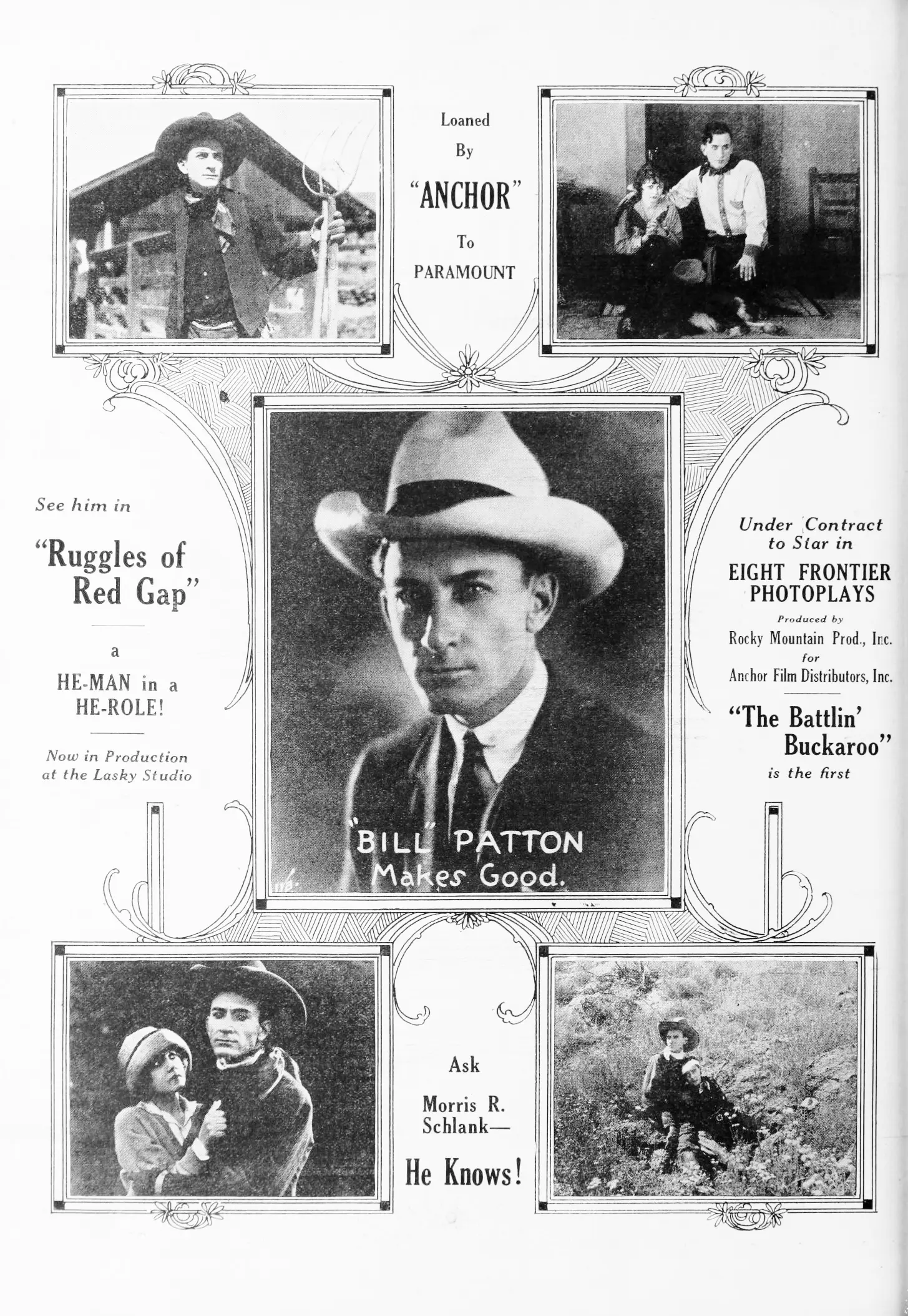
Ah, the silent era Western. There's a certain primal energy to these films, a rugged simplicity that often belies complex narratives and surprisingly nuanced performances. 'Battlin' Buckaroo,' a celluloid relic from an age when horses were still the primary mode of transportation and villains wore their dastardly intentions like a second skin, delivers precisely this blend of straightforward action and underlying moral quandaries. It's a film that, despite its age, manages to gallop through its runtime with a surprising amount of vigor, offering a quintessential tale of good versus evil set against the dusty, sun-baked canvas of the American West. For those of us who appreciate the foundational narratives of cinema, this particular ride into the past is more than just a historical curiosity; it's a testament to the enduring power of classic storytelling.
At its heart, 'Battlin' Buckaroo' is a story of betrayal and redemption, a narrative as old as the hills themselves, yet rendered here with a particular charm that speaks to its era. We're introduced to Judd Strivers, a ranch owner whose prosperity is as vast as the Palos Verdes Rancho itself, but whose discernment, alas, proves less expansive. His daughter, Mary, is the classic Western heroine – spirited, beautiful, and caught between two very different men. On one side, there's Buck Carson, the ranch manager, whose persistent courtship of Mary is met with polite but firm rejection. On the other, the honorable cowboy Jack Merrill, to whom Mary has pledged her heart. This romantic triangle, however, is merely the surface ripple of a far deeper current of malfeasance. Carson, it turns out, is not just a suitor; he's the nefarious mastermind behind a brutal cattle rustling operation, systematically draining the very ranch he's employed to manage. The film expertly builds this tension, allowing the audience to witness Carson's duplicity unfold, creating a stark contrast between his public persona and his clandestine villainy. The pacing, typical of the era, might feel deliberate to modern viewers accustomed to rapid-fire editing, but it allows for a gradual immersion into the characters' predicaments, building suspense through lingering shots and expressive performances rather than quick cuts.
The plot thickens considerably when Carson escalates his villainy, resorting to kidnapping Mary. This act serves a dual purpose: it removes his romantic rival from the equation, at least temporarily, and provides him with leverage. But Carson is no mere thug; he's a schemer. He doesn't just abduct Mary; he then returns to Judd Strivers with a poisoned narrative, skillfully framing Jack Merrill as not only the rustler responsible for the ranch's losses but also the perpetrator of Mary's disappearance. This twist is crucial, transforming Jack from a beloved hero into a hunted outcast, and forcing the audience to grapple with the injustice of the situation. It's a classic setup for the wronged hero to clear his name, a trope that resonated deeply with audiences then, and continues to find new life in contemporary storytelling. The film, in its silent eloquence, manages to convey the emotional turmoil of Judd's confusion, Mary's terror, and Jack's righteous indignation, all without a single spoken word, relying instead on the power of visual narrative and the actors' emotive capacities. It’s a testament to how effectively these early filmmakers understood the language of cinema. One might even draw a thematic parallel to the wrongful accusations found in 'Under Suspicion' (Under Suspicion), where characters grapple with the devastating impact of misplaced trust and manufactured evidence, though 'Battlin' Buckaroo' keeps its focus firmly on the Western landscape and its unique brand of frontier justice.
Fred Hank, as the titular 'Battlin' Buckaroo' (presumably Jack Merrill, though the title’s ambiguity adds a layer of rugged charm), embodies the stoic, resolute cowboy archetype with convincing authenticity. His performance relies heavily on physical presence and exaggerated facial expressions – a necessity in silent film – yet he manages to convey a depth of character that transcends mere caricature. You feel his frustration, his determination, and his unwavering moral compass. He is the embodiment of frontier justice, a man who, when wronged, will ride through hell and high water to set things right. Bill Patton, often a staple in these early Westerns, brings a seasoned gravitas to his role, likely as Judd Strivers, the beleaguered ranch owner. His portrayal of a man grappling with betrayal and the potential loss of his daughter is palpable, his silent anguish powerfully communicated through his posture and the subtle shifts in his gaze. It's a performance that grounds the more melodramatic elements of the plot in a relatable human experience. The way he wavers between trusting Carson and doubting Jack is a quiet, effective study in paternal vulnerability.
Peggy O'Day, as Mary, injects a much-needed dose of spirited resilience into the proceedings. Her character is not merely a damsel in distress; she possesses an inner strength that shines through her predicament. Her reactions to Carson's advances, her terror during the kidnapping, and her ultimate resolve are all rendered with a sincerity that elevates her beyond a simple plot device. In a genre often dominated by male figures, O'Day ensures Mary is a character with agency, even when circumstances conspire against her. And then there's Harry Woods, who, as Buck Carson, delivers a truly memorable villain. Woods understands the assignment perfectly, portraying Carson with a sinister charm that makes his betrayal all the more impactful. His smirks, his calculating glances, and his moments of overt cruelty are wonderfully theatrical, yet never fully descend into parody. He is the kind of antagonist you love to hate, a man whose cunning is matched only by his depravity. His performance is a masterclass in silent film villainy, ensuring that the audience is fully invested in his eventual downfall. The interplay between these actors, despite the lack of dialogue, creates a vibrant tapestry of human emotion, drawing the viewer into their struggle with surprising efficacy. The clear delineation of good and evil, while straightforward, is executed with such conviction that it becomes compelling, a hallmark of the genre's enduring appeal.
The cinematography of 'Battlin' Buckaroo,' while perhaps rudimentary by today's standards, is effective in establishing the expansive and often unforgiving landscape of the American West. The wide shots of horsemen galloping across open plains, the dusty ranch settings, and the dramatic vistas all contribute to the film's immersive quality. These weren't just backdrops; they were characters in themselves, shaping the lives and destinies of those who inhabited them. The stark contrast between the vast, untamed wilderness and the intimate human dramas unfolding within it is beautifully captured. The use of natural light, the grainy texture of the film stock, and the occasionally rough-hewn editing all add to an authentic, unvarnished feel that modern blockbusters often strive to replicate with CGI, but rarely achieve with the same raw honesty. There's a tangible sense of place, a feeling that you're truly witnessing events unfold in a specific, lived-in environment. This commitment to location shooting, rather than relying on studio sets, lends the film an undeniable credibility and visual grandeur that remains impressive. One can see echoes of this commitment to capturing the essence of a locale in films like 'The Sea Wolf' (The Sea Wolf), where the environment itself becomes a formidable force shaping human drama, albeit in a vastly different setting.
Beyond the broad strokes of landscape, the film also employs close-ups to great effect, allowing the audience to intimately connect with the characters' emotions. A furrowed brow, a tear streaking down a cheek, a sneer of triumph – these silent cues were paramount to conveying narrative and character development. The visual storytelling is remarkably clear, even without intertitles, which are used sparingly but effectively to provide crucial exposition or dialogue. The action sequences, particularly the horse chases and the climactic confrontations, are choreographed with a dynamic energy that keeps the viewer engaged. While not as polished as later Westerns, they possess a raw, visceral quality that speaks to the practicalities of filmmaking in that era. The dust, the sweat, the sheer effort of the riders – it all comes through, making the stakes feel genuinely high. This kind of physical storytelling, where the body language and spatial relationships of characters convey so much, is a lost art that 'Battlin' Buckaroo' showcases admirably. It reminds us that cinema, at its core, is a visual medium, and these early pioneers were masters of that craft. The directness of its visual narrative, much like the clear-cut good and evil in 'The Dawn of Freedom' (The Dawn of Freedom), allows for an immediate and visceral understanding of the story's core conflicts.
'Battlin' Buckaroo' is more than just a simple action flick; it's a rich tapestry woven with enduring themes that continue to resonate. The most prominent, of course, is the eternal struggle between good and evil. Jack Merrill embodies the quintessential hero – honorable, courageous, and unwavering in his pursuit of justice. Buck Carson, conversely, is the embodiment of deceit and avarice, a character driven by selfish desires. This clear moral dichotomy, while perhaps simplistic by modern standards, was a powerful draw for audiences of the time, offering a comforting sense of order in a rapidly changing world. It's a narrative framework that provides a clear moral compass, allowing viewers to easily identify with the protagonist's plight and root for his ultimate triumph. The film also explores themes of loyalty and betrayal, particularly through Judd Strivers' initial misjudgment of Jack. The ease with which Carson manipulates Judd speaks to the vulnerability of even the most well-intentioned individuals when confronted with calculated deception. This exploration of trust, and its shattering, adds a layer of emotional complexity to the otherwise straightforward plot. The film, in its own way, acts as a cautionary tale about appearances and the importance of looking beyond the surface. It's a reminder that not all that glitters is gold, and sometimes the wolf wears the sheepdog's collar.
The concept of frontier justice is another powerful theme at play. In a world where law enforcement might be distant or ineffective, individuals often had to take matters into their own hands. Jack Merrill's quest to clear his name and rescue Mary is not just a personal vendetta; it's an act of restoring balance to a disrupted community. This self-reliance, this rugged individualism, is a cornerstone of the Western mythos, and 'Battlin' Buckaroo' embraces it wholeheartedly. The film celebrates the strength of character required to stand up for what is right, even when the odds are stacked against you. Furthermore, the film subtly touches upon the value of land and livelihood, with the cattle rustling representing not just theft, but an attack on the very foundation of the ranching community. The struggle to protect one's property and way of life is a deeply ingrained American narrative, and this film taps into that cultural wellspring. It speaks to the hard work, the dedication, and the inherent risks involved in carving out a living from the land. This sense of battling for one's very existence, for the integrity of one's home and family, gives the film a weight that transcends its simple genre trappings. It's a testament to the enduring power of these foundational stories that they continue to captivate, offering insights into human nature and societal values that remain relevant, even a century later. Much like the struggle for survival and identity depicted in 'The Old Nest' (The Old Nest), 'Battlin' Buckaroo' uses its setting to amplify the personal stakes of its characters.
Watching 'Battlin' Buckaroo' today is not just an exercise in entertainment; it's an archaeological dig into the nascent stages of cinematic art. It offers a fascinating window into how narratives were constructed, how emotions were conveyed, and how audiences were engaged before the advent of synchronized sound. The reliance on orchestral scores (often performed live during screenings), intertitles, and the actors' expressive physicality speaks to a different kind of immersive experience. It forces the viewer to actively participate in the storytelling, filling in the blanks with their own imagination. This active engagement is a unique pleasure of silent film, a quality that makes films like 'The Queen of Sheba' (The Queen of Sheba) or 'Mr. Opp' (Mr. Opp) such compelling historical artifacts. The film's influence, while perhaps not as globally recognized as some of its contemporaries, is undeniable within the Western genre. It contributed to the establishment of tropes and character archetypes that would be revisited and refined for decades to come. The noble cowboy, the scheming villain, the imperiled heroine – these were not just roles; they were foundational elements of an emerging mythology. The film, therefore, stands as a significant, if often overlooked, piece of cinematic history, a stepping stone in the evolution of one of America's most iconic film genres. Its narrative simplicity allows for a clear understanding of these foundational elements, making it an excellent example for studying the roots of the Western.
Moreover, 'Battlin' Buckaroo' serves as a reminder of the sheer volume of cinematic output during the silent era. Filmmakers were experimenting constantly, churning out stories at an astonishing pace, much like the prolific output seen in European cinema with films such as 'De røvede Kanontegninger' (De røvede Kanontegninger). Each film, regardless of its individual critical acclaim, contributed to the collective knowledge base of cinematic language. These were the laboratories where the grammar of film was being invented, frame by frame. The technical limitations of the time, far from being hindrances, often spurred creative solutions, leading to innovative approaches to storytelling. The way 'Battlin' Buckaroo' uses spatial relationships and character blocking to convey power dynamics, for instance, is a subtle yet sophisticated technique. It's a film that, despite its age, still possesses a certain timeless quality, a raw energy that transcends the technological advancements that have followed. For those interested in the genesis of popular cinema, or simply in a good old-fashioned tale of frontier justice, 'Battlin' Buckaroo' offers a compelling and insightful journey back to the roots of American storytelling. It's a film that proves that even without dialogue, a powerful story, well told, can resonate across generations, leaving an indelible mark on the landscape of cinematic history. It's a valuable piece for understanding the trajectory of the Western, showing how early filmmakers established the genre's enduring appeal through clear narratives and compelling visual action.
In conclusion, 'Battlin' Buckaroo' may not be a household name today, but it represents a vital thread in the rich tapestry of early American cinema. It's a film that, through its compelling narrative, spirited performances, and evocative visuals, captures the essence of the silent Western. It's a testament to the enduring appeal of clear-cut morality tales, where heroes are genuinely heroic and villains receive their just deserts. For anyone with an interest in film history, the Western genre, or simply a desire to experience storytelling in its purest, most foundational form, 'Battlin' Buckaroo' is a ride well worth taking. It’s a reminder that sometimes, the most profound stories are told not with booming soundtracks and elaborate special effects, but with the stark beauty of a wide-open landscape, the determined gaze of a hero, and the chilling sneer of a villain. It’s a piece of history that continues to speak, silently but eloquently, about the values and struggles of a bygone era. Its legacy, though perhaps understated, is firmly etched into the bedrock of cinematic tradition, influencing countless films that followed, and reminding us of the foundational power of visual narrative. Much like an old photograph, it captures a moment in time, revealing the artistry and ingenuity of its creators. The sheer dedication to craft, even in these early, often quickly produced features, is something to be admired, providing a foundation upon which the entire edifice of modern cinema would eventually be built.
IMDb —
1919
Community
Log in to comment.