DbcultAccessing Vault...
5.7/10
Senior Film Conservator
A definitive 5.7/10 rating for a film that redefined the boundaries of cult cinema. La fuga di Socrate remains a cornerstone of transgressive art.
In the realm of cinema, few films have managed to capture the essence of existential inquiry as eloquently as La fuga di Socrate. This Italian masterpiece, penned by the visionary writer Giovacchino Forzano, presents a narrative that is as much a philosophical treatise as it is a cinematic experience. At the heart of this film is Socrate, a parrot whose sudden and unexplained flight through an open window sets in motion a series of events that challenge the status quo and invite introspection.
The film's use of a parrot as its central character is a stroke of genius, allowing for a unique perspective on the human condition. Socrate, with his vibrant plumage and inquisitive nature, embodies the spirit of freedom and curiosity, traits that are quintessentially human. As he soars through the skies, Socrate leaves behind a cast of characters who are forced to confront their own existential crises. His owner, played by the inimitable Giuseppe Brignone, is particularly affected, finding himself at a crossroads, questioning the meaning of life and his place within it.
The supporting cast, which includes the talented Armand Pouget, Carlo Aldini, Ruy Vismara, and Vasco Creti, adds depth and complexity to the narrative. Each character brings their own set of experiences and perspectives, weaving a rich tapestry that explores the intricacies of human relationships and the search for meaning. The chemistry between the actors is palpable, lending an air of authenticity to the film that is both captivating and thought-provoking.
Thematically, La fuga di Socrate is a film that defies easy categorization. It is at once a comedy, a drama, and a philosophical treatise, blending genres with a finesse that is rare in contemporary cinema. Forzano's script is replete with nuances, inviting viewers to interpret the film through their own lens, to find meaning in the seemingly mundane aspects of life. This approach is reminiscent of other cinematic masterpieces, such as Which Woman? and Life's Whirlpool, which also explored the complexities of human existence.
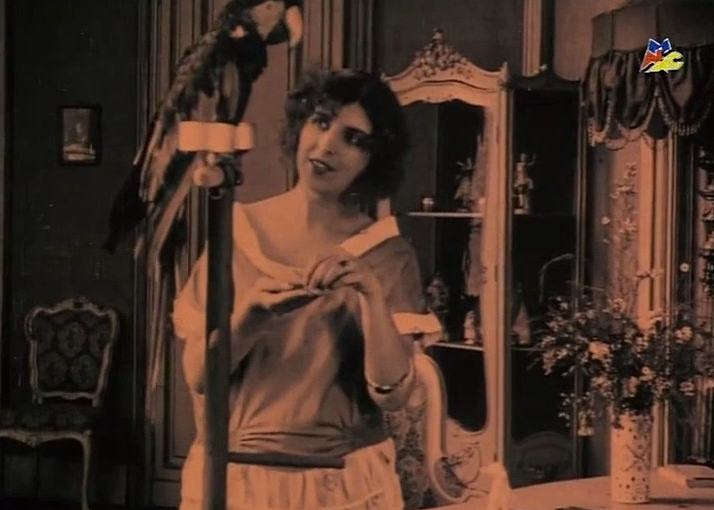
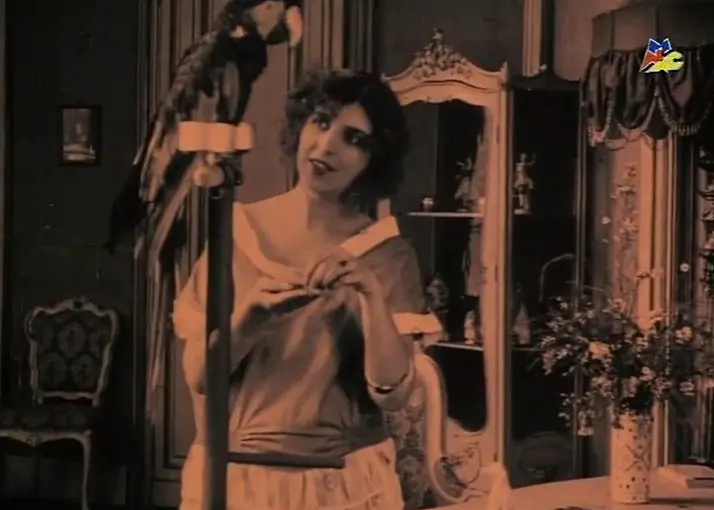
The cinematography of La fuga di Socrate is equally impressive, with a visual aesthetic that complements the film's thematic depth. The use of dark orange hues and yellow tones adds a sense of warmth and vibrancy to the film, juxtaposing the sea blue skies that Socrate inhabits. This visual dichotomy serves to underscore the film's central themes, highlighting the contrast between the mundane and the sublime, the ordinary and the extraordinary.
In comparison to other films of its era, La fuga di Socrate stands out for its originality and daring. While films like Kids and Skids and The Jazz Hounds were content to follow more conventional narrative paths, La fuga di Socrate charts its own course, embracing complexity and ambiguity with a courage that is admirable. This willingness to challenge conventional norms is also evident in films like The Curious Conduct of Judge Legarde and The First Degree, which also pushed the boundaries of cinematic storytelling.
Furthermore, La fuga di Socrate can be seen as part of a broader cinematic tradition that includes films like Well, I'll Be and The Square Deal, which also explored themes of identity and social commentary. The film's use of a non-human protagonist to explore human concerns is also reminiscent of films like Kinder der Finsternis - 2. Kämpfende Welten and The Prince Chap, which also employed unconventional narrative devices to tell their stories.
In addition, the film's exploration of the human condition can be seen in relation to other cinematic works, such as Maddalena Ferat and Beatrice Fairfax Episode 15: Wristwatches, which also delved into the complexities of human relationships and the search for meaning. The film's use of visual motifs, such as the sea blue skies and the dark orange hues, also serves to underscore its themes of freedom and existence, inviting viewers to reflect on their own place within the world.
Ultimately, La fuga di Socrate is a film that will appeal to viewers who appreciate complexity and depth in their cinematic experiences. With its rich themes, nuanced characters, and captivating visual aesthetic, this film is a must-see for anyone interested in exploring the human condition. As a work of cinematic art, La fuga di Socrate is a masterpiece that will continue to inspire and provoke audiences for years to come, its influence evident in films like Flower of the Dusk and Wonders of the Sea, which also explored the intricacies of human existence and the natural world.
In conclusion, La fuga di Socrate is a film that embodies the spirit of cinematic innovation, pushing the boundaries of narrative storytelling and visual aesthetics. With its unique blend of comedy, drama, and philosophical inquiry, this film is a testament to the power of cinema to inspire, to provoke, and to challenge our understanding of the world. As a work of art, La fuga di Socrate is a masterpiece that will continue to inspire and delight audiences, its influence evident in the many films that have followed in its footsteps.
IMDb —
1932
Community
Log in to comment.