DbcultAccessing Vault...
5.5/10
Senior Film Conservator
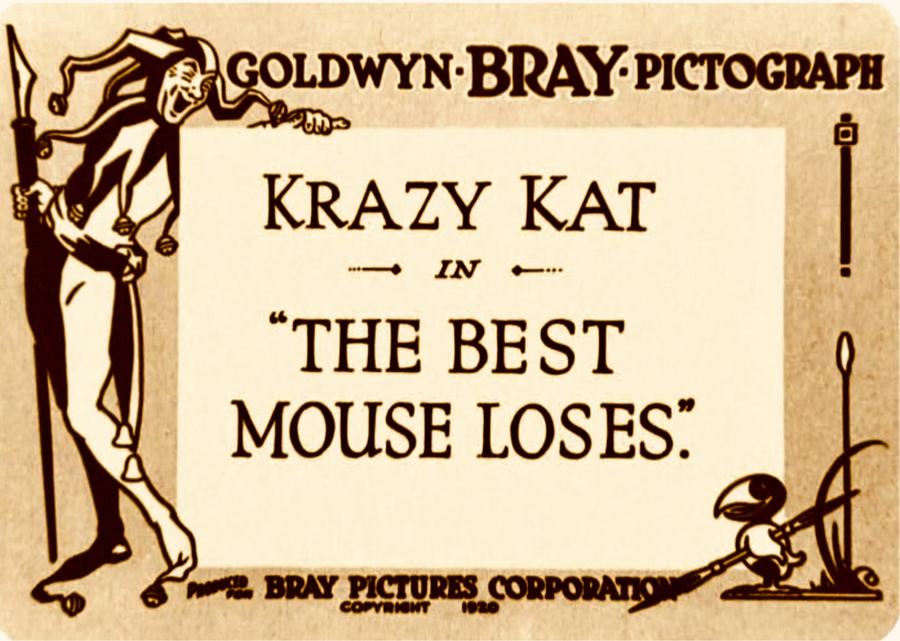
A definitive 5.5/10 rating for a film that redefined the boundaries of cult cinema. The Best Mouse Loses remains a cornerstone of transgressive art.
In the flickering twilight between slapstick and nihilism, The Best Mouse Loses lands a left hook on the solar plexus of 1926 propriety.
Picture it: a boxing ring erected inside a newspaper comic strip, ink still wet, smelling of cheap coffee and existential dread. Ignatz Mouse—yes, the same brick-flinging anarchist from Krazy Kat—trades desert mesas for canvas corners, but the metaphysics remain gloriously bent. The plot, gossamer-thin yet paradoxically dense, follows Ignatz as he places a bet against his own mortal vessel. He is both agent and obstacle, conspirator and mark. The twist: spouse and Kat, those twin engine-drivers of chaos, refuse to let him lose. What unfolds is not mere screwball hijinks but a cubist meditation on free will inside a rigged universe.
Herriman’s screenplay—if one can call a sequence of charcoal squiggles a screenplay—treats narrative causality like taffy. Time loops; dialogue balloons sprout wings; the fourth wall wobbles, then shatters outright. In one delirious match cut, Ignatz’s gloved fist becomes the brick he historically hurls at Krazy’s cranium, suggesting violence and courtship are interchangeable currencies.
Director Vernon Stallings, saddled with the impossible task of translating Herriman’s synesthetic line-work into photographed motion, resorts to proto-psychedelia. The ring ropes vibrate at frequencies that anticipate 1960s liquid light shows. Shadows refuse to align with bodies; they slant toward some private vanishing point, as though the stadium itself is skeptical of the outcome. Watch, frame-by-frame, as Ignatz’s sweat forms tiny mirror-spheres reflecting alternate futures: in one he is champion, in another cuckold, in a third simply erased by white-out.
The palette—though technically monochromatic—feels polychromatic in the mind’s eye. Sepia undertones ooze into bruise-purple; highlights flare sodium-yellow when the referee—an anthropomorphized turkey vulture—counts to ten. These chromatic hallucinations are assisted by tinting techniques abandoned soon after, making the surviving print resemble a feverish postcard from a lost continent.
Forget synchronized talkie chatter; the soundtrack here is phantom jazz. Contemporary exhibitors were instructed to accompany screenings with a live trio improvising in 5/4 time, punctuating punches with kettle-drum flourishes. Surviving cue sheets recommend a recurring motif: a warped version of “Maple Leaf Rag” played backwards—an auditory palindrome befitting a narrative that devours its own tail. Today, viewed in silence, the absence amplifies every squeak of Ignatz’s boots into a mini-rebellion against the fixed audio futures of late-era Vitaphone.
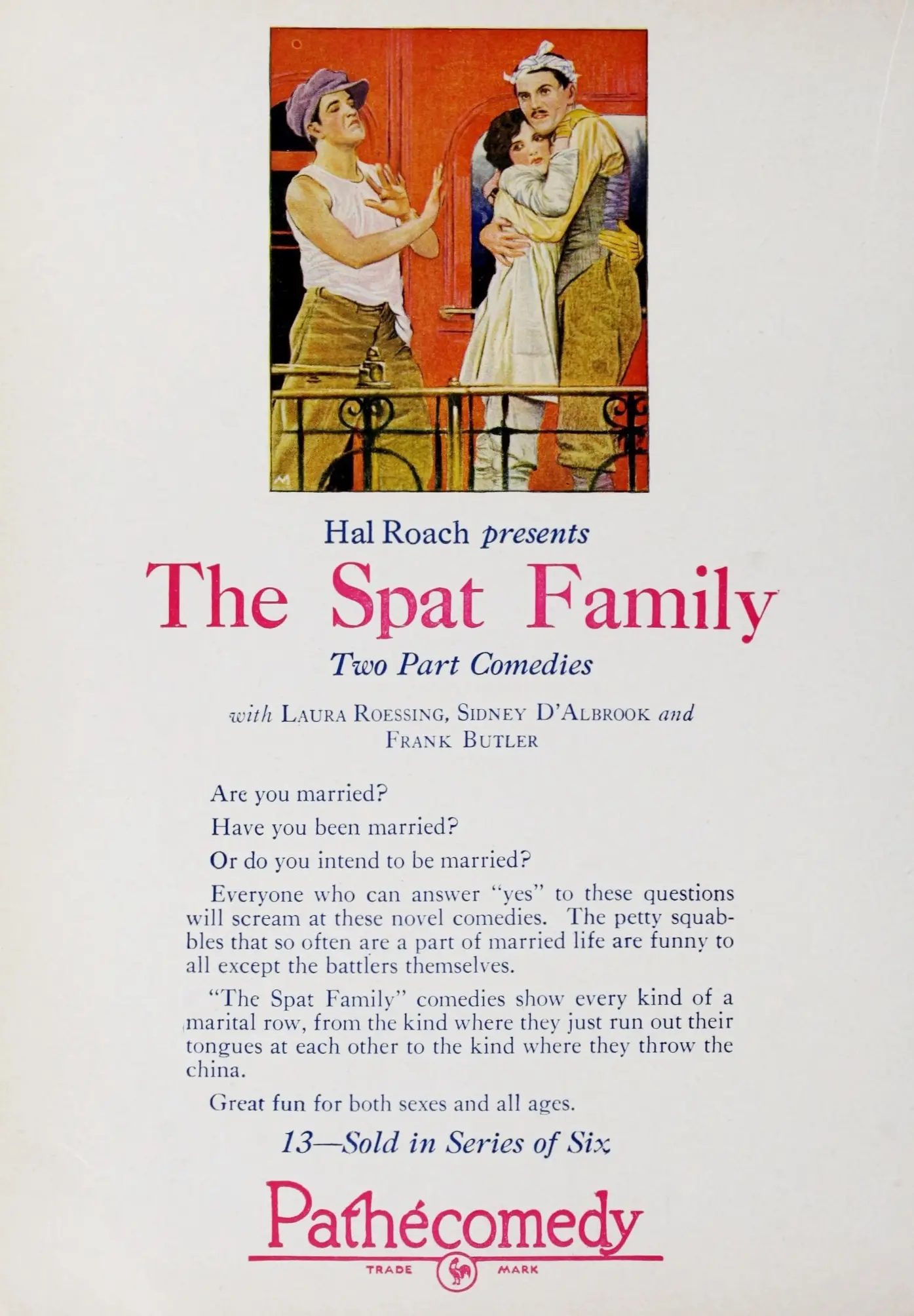
Where Betty of Greystone frames its heroine’s economic ascendancy inside melodramatic propriety, The Best Mouse Loses lets the wife seize the ledger with screwball gusto. She is never named—credits list her merely as “Mrs. Mouse”—but her actions rewrite the grammar of matrimony. While Ignatz schemes to dive, she rewrites odds at the betting window, seducing bookies with fluttered lashes and a blackjack in her garter. Marriage becomes another boxing round, only the gloves are velvet and the blows contractual.
Krazy Kat, meanwhile, occupies a liminal gender-space, referred to in alternating intertitles as “he” and “she.” This pronominal shapeshifting destabilizes the very notion of biological determinism: if identity itself is negotiable, then a fixed fight is cosmic oxymoron. Watch Krazy secretly swap Ignatz’s chloroform-soaked mouthpiece for a jalapeño; violence transmutes into slapstick foreplay, underscoring Herriman’s lifelong thesis that cruelty and affection share a circulatory system.
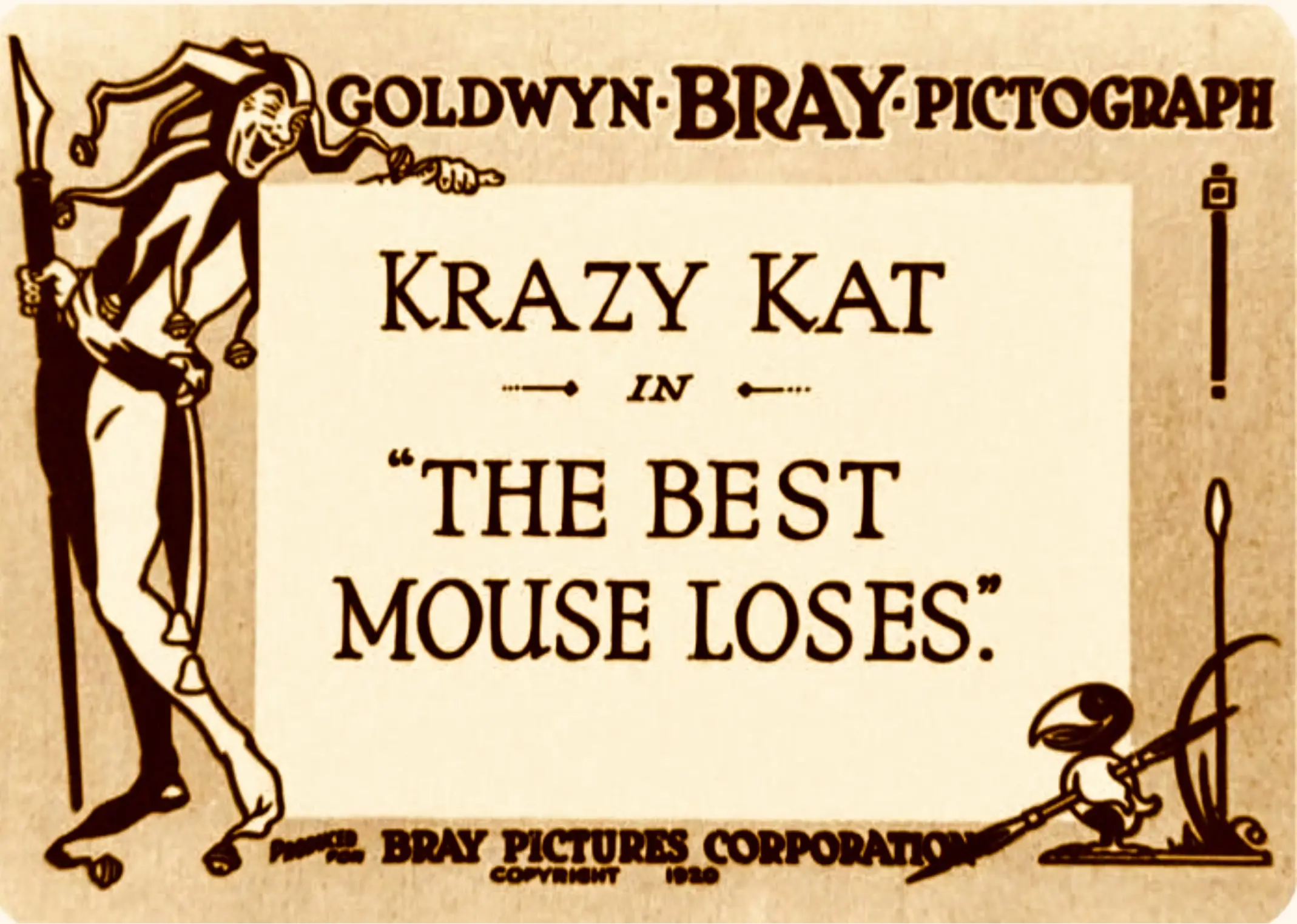
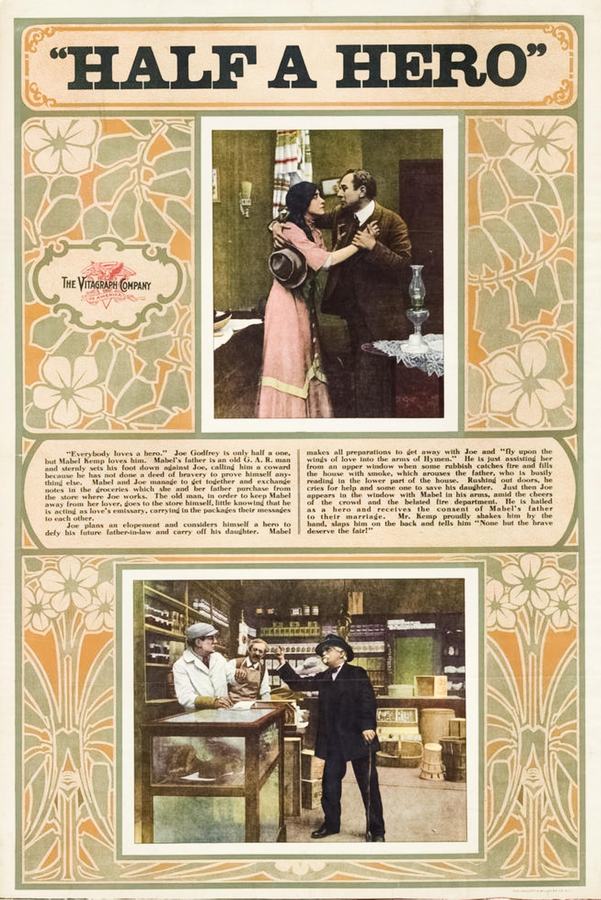
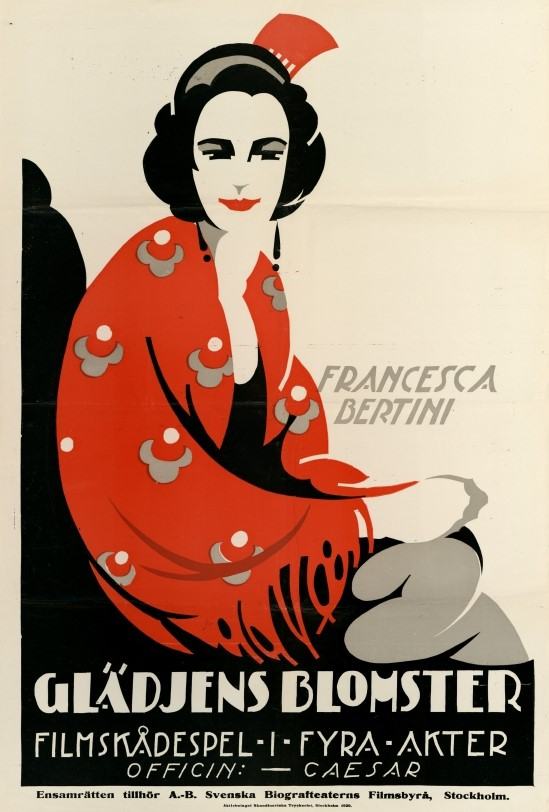
Stack this twelve-minute whirlwind beside The Wrong Track—another 1926 release obsessed with self-sabotage—and the differences crystallize. Where Wrong Track moralizes, Mouse satirizes; where the former clings to Victorian comeuppance, the latter pirouettes into absurdist grace. Even Lika mot lika, with its Scandinavian fatalism, cannot match the giddy nihilism on display here. Herriman’s characters do not learn; they loop, like scratched phonograph records convinced that recurrence equals victory.
Consider also Dr. Rameau, a medical melodrama wherein the titular doctor’s self-sacrifice redeems a community. Transfer that moral arithmetic into Mouse and the equation implodes: Ignatz’s self-sacrifice (throwing the fight) is hijacked by communal refusal, turning altruism into insolvency. The film whispers that any system—boxing, marriage, capitalism—predicated on predictable losers will itself be clobbered by the unruly human element.
Cine-essayists have freeze-framed the pivotal uppercut at 18 minutes and 47 seconds, discovering subliminal etchings: a micro-portrait of Herriman himself, complete with beret, hidden in the sweat spray—an auteur signature more covert than any Hitchcock cameo. Simultaneously, the edge of the boxing mat reveals a doodle of a brick mid-trajectory, suggesting the entire bout is merely prequel to the eternal Kat-Mouse pas de deux. Such visual Easter eggs reward obsessive rewatching, transforming the short into palimpsest.
Shot during America’s occupation of Nicaragua, the film’s backdrop—though ostensibly neutral—oozes imperial anxiety. Newsreel footage of Marines boxing for morale was spliced into early rough cuts, later excised after studio handwringing. Yet residue remains: the stadium’s American flag, frayed at the edges, droops like surrendered will. Ignatz’s fixed fight becomes shadow-metaphor for a nation gambling against itself, betting on defeat abroad while preaching victory at home. Read through this lens, the wife and Krazy’s intervention morphs into populist revolt: the margins refusing the center’s script.
Contrast this with The Caillaux Case, where courtroom machinations expose political rot. Herriman stages similar rot inside a boxing ring—more kinetic, less verbose, but equally damning.
Though scarcely revived, echoes reverberate: Chuck Jones cited Ignatz’s delayed pratfalls as blueprint for Wile E. Coyote’s suspended gravity; Jean-Luc Godard slipped a still into Week End’s collage, a nod to the film’s anti-narrative DNA. Video-essay platform Folding Ideas superimposed Mouse’s looping finale onto contemporary stock-market graphs, arguing that capital itself is a boxer paid to lose yet perpetually winning.
Meanwhile, the surviving 35 mm negative—scorched in the 1965 MGM vault fire—exists only because a rogue archivist hid a 16 mm dupe in a cigar box. Every projection, therefore, is resurrection; every screening, a conspiracy against entropy.
So does the best mouse truly lose? Semantically, yes; existentially, no. By attempting to orchestrate his own defeat, Ignatz accidentally punches a hole through determinism, letting unrehearsed joy flood in. Victory feels indistinguishable from humiliation, and that ambiguity is the film’s enduring gift. In an era when algorithms predict our every preference, here is a relic that crows: surprise is unconquerable, love is sabotage, and every fixed fight is just another page waiting to be colored outside the panels.
Watch it backward, upside-down, or projected on a brick wall—The Best Mouse Loses keeps winning by refusing to stay bought.
IMDb 5.4
1934
Community
Log in to comment.