DbcultAccessing Vault...
5.4/10
Senior Film Conservator
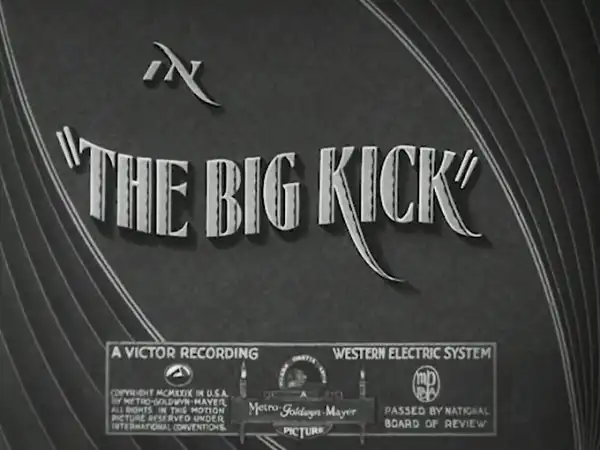
A definitive 5.4/10 rating for a film that redefined the boundaries of cult cinema. The Big Kick remains a cornerstone of transgressive art.
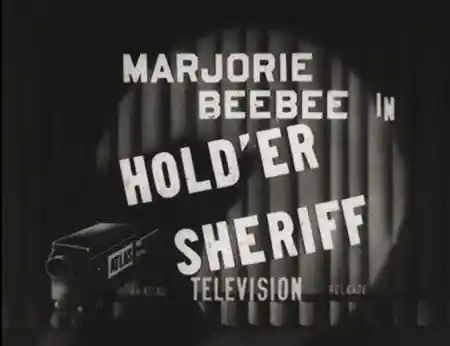
If you have twenty minutes to spare and you don't mind a lead actor who moves like he is trapped in a dream, you should watch this. It is a weird little slice of 1930s comedy that feels like it’s still trying to figure out how sound works.
People who love fast-talking comedies will probably hate this. Harry Langdon is the star, and his whole thing is being agonizingly slow at everything he does.
The story is about bootleggers and revenuers. It is a classic setup for that era, but the setting is just a dusty gas station in the middle of nowhere.
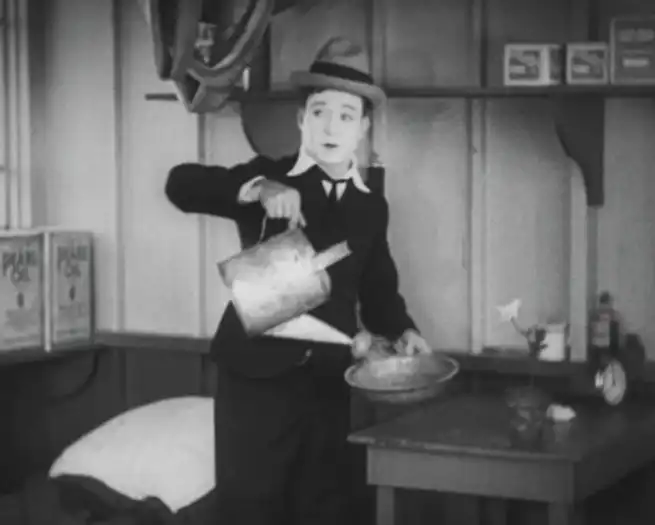
Harry plays the guy running the station. He has this very blank, baby-like face that makes him look like he has no idea where he is or why there are people shooting at him.
I noticed early on that the gas pumps look incredibly flimsy. They look like they would fall over if a stiff breeze hit them, yet Harry handles them like they are made of glass.
His girlfriend in the movie is played by Judith Barrett. She is actually really good and has a lot of energy, which is a big contrast to Harry’s mopiness.
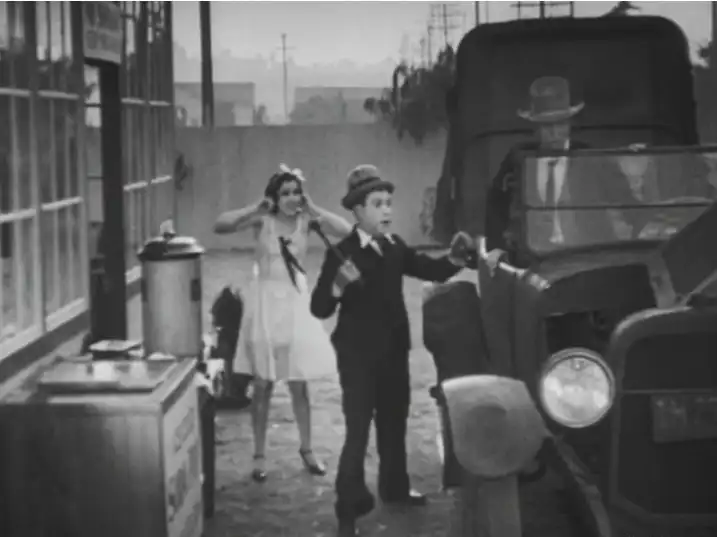
She has to do most of the heavy lifting emotionally. Harry just sort of blinks and wanders around while the plot happens to him.
There is a lot of waiting in this movie. You wait for Harry to react, you wait for the bootleggers to show up, and you wait for the guns to finally go off.
When the shootout finally starts, it is total chaos. But it’s a very quiet kind of chaos because the sound recording back then was so thin.
The T-men—the government agents—are chasing these bootleggers who have been on the run for years. You’d think they would be more professional, but they mostly just hide behind things and look worried.
One of the gang members has a hat that seems way too small for his head. I kept looking at his hat instead of the gun he was holding.
It is funny how these old shorts didn't feel the need to explain much. They just throw you into the gas station and expect you to know that bootlegging is a dangerous business.
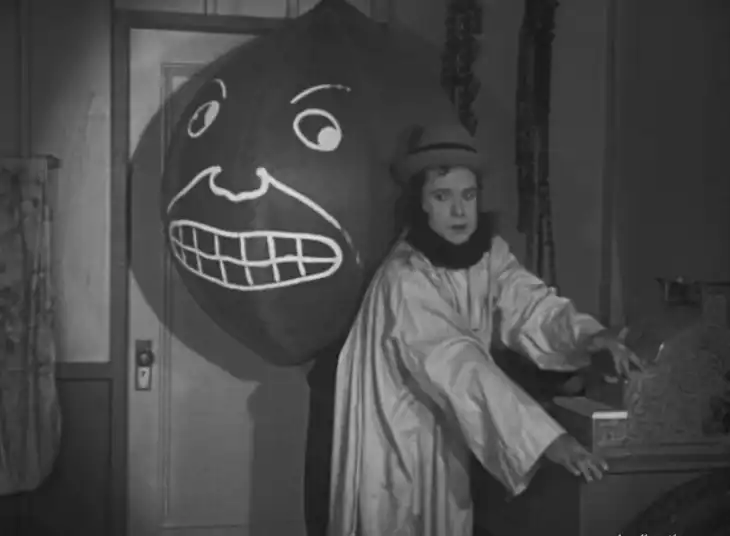
If you’ve seen Dodging Trouble, you know the vibe of these early talkie shorts. They have this awkward air where nobody is quite sure when to stop talking.
Harry’s comedy is all about the pause. He will look at a gun, look at the camera, look back at the gun, and then maybe move his hand an inch.
It can be frustrating if you’re in a hurry. But if you’re in the right mood, his slow-wittedness is almost hypnotic to watch.
The shootout itself is messy. It doesn’t feel choreographed like a modern movie; it feels like a bunch of guys just running around a yard.
There is a moment where Harry gets poked or nudged and he does this little dance that feels like it belongs in a silent film. It probably did.
I think the writer, H.M. Walker, was trying to bridge the gap between the silent era and the new sound era. It doesn't always work, but it’s interesting to see the attempt.
The supporting cast is full of faces you’ve seen in a hundred other things from this time. Edgar Kennedy shows up, and he is always a treat even if he’s just being grumpy in the background.
Kennedy has that famous "slow burn" where he gets frustrated. It pairs perfectly with Langdon’s complete lack of urgency.
There is a scene with a car that feels like it goes on about thirty seconds too long. You can hear the engine idling, and it just fills the space in a way that feels uncomfortable.
I wonder if the actors were waiting for a cue that never came. Or maybe they just liked the sound of the car.
It reminds me a bit of the pacing in Call of the Cuckoo, where the environment is almost a character itself. Here, the gas station is just a backdrop for Harry to be confused in.
When Harry finally gets "spurred into action," it isn't what you'd call heroic. It’s more like a series of accidental victories.
He trips his way into being helpful. It is the kind of humor where you laugh because it’s so stupid, not because it’s clever.
I liked the way the dirt kicked up during the shootout. It felt real, unlike the clean studio sets you see in later films.
The ending comes up pretty fast. One minute there is a gunfight, and the next, it’s just over and everyone is fine I guess.
It doesn't have a big grand conclusion. It just sort of stops because they ran out of film or time.
Is it a great film? Probably not. It is a bit of a relic.
But it captures a specific moment in time when movies were loud and messy and nobody knew the rules yet. Harry Langdon is a unique taste, and this is a good place to see why he was both loved and found annoying.
I’d say give it a watch if you like seeing how comedy evolved. Just don’t expect it to move at a normal human speed 🐢.
It’s a bit like watching a slow-motion car crash where nobody actually gets hurt. You just watch the chaos unfold at a snail's pace.
IMDb 6.3
1933
Community
Log in to comment.