Set in Jerusalem during the Third Crusade, it describes how the wise Jewish merchant Nathan, the enlightened sultan Saladin and the (initially anonymous) Templar bridge their gaps between Judaism, Islam and Christianity..
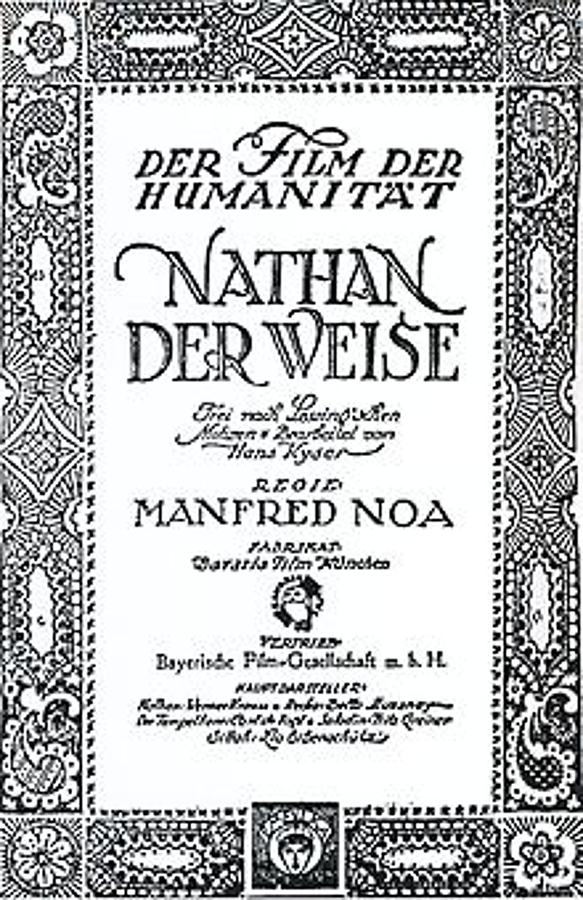
The first miracle of this 1922 canvas is that it feels scraped rather than filmed—grain dancing like minaret dust across every frame, as though the celluloid itself doubts the parable it carries. Director Manfred Noa, armed with a pittance of a budget and a warehouse in Munich’s Grünwald suburb, recreates twelfth-cen...

Comparing the cinematic DNA and archive impact of two defining moments in cult history.
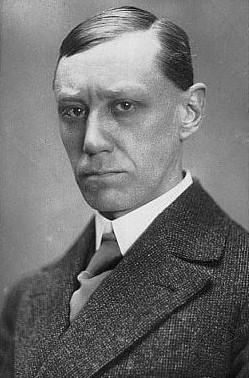
Manfred Noa
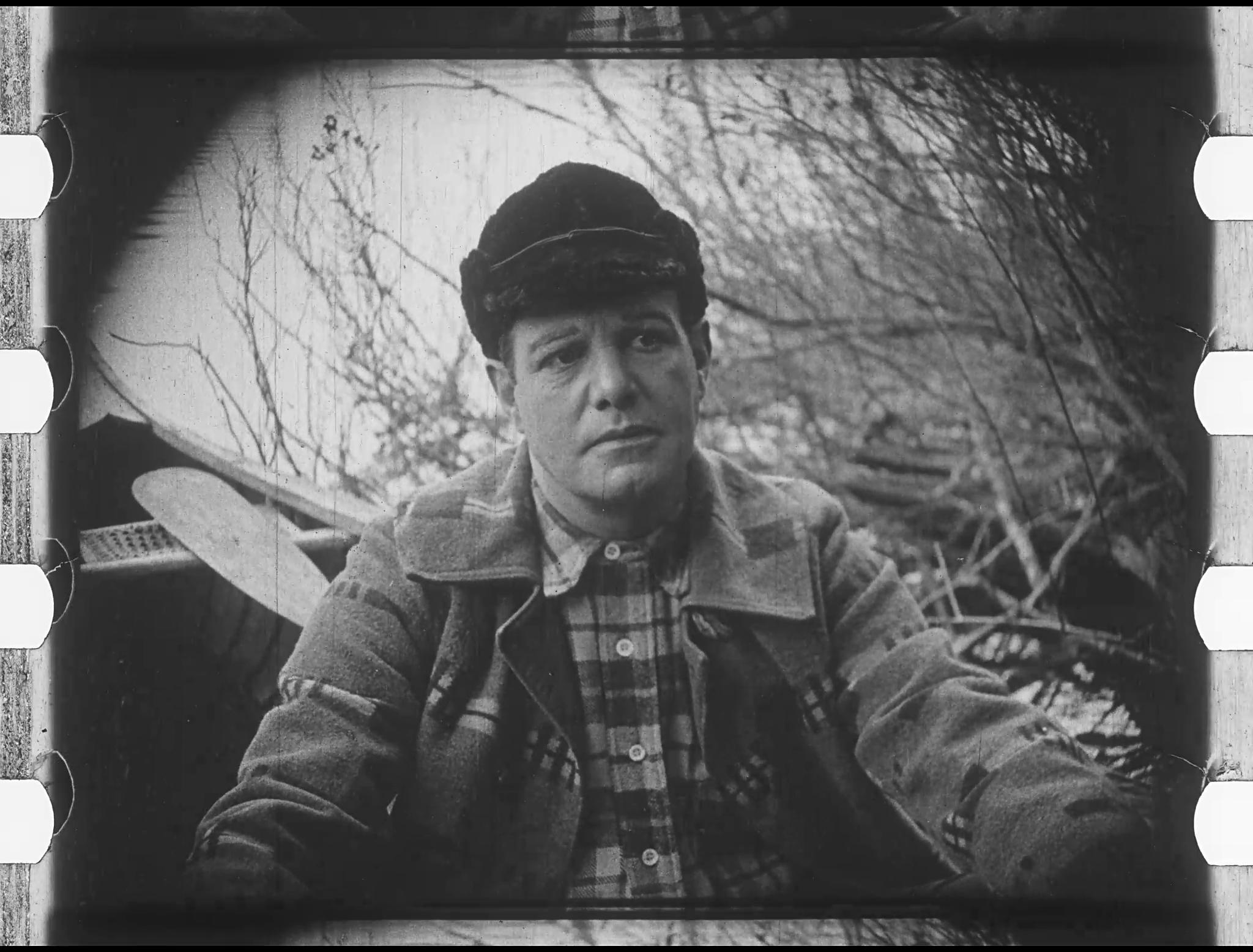
Edgar Jones
Community
Log in to comment.
" The first miracle of this 1922 canvas is that it feels scraped rather than filmed—grain dancing like minaret dust across every frame, as though the celluloid itself doubts the parable it carries. Director Manfred Noa, armed with a pittance of a budget and a warehouse in Munich’s Grünwald suburb, recreates twelfth-century Jerusalem through sheer chiaroscuro conviction: cardboard ramparts become limestone when side-lit by arcs of carbon-arc glare, while plywood minarets stretch into vertiginous ..."
Gotthold Ephraim Lessing, Hans Kyser
Germany