DbcultAccessing Vault...
7.2/10
Senior Film Conservator
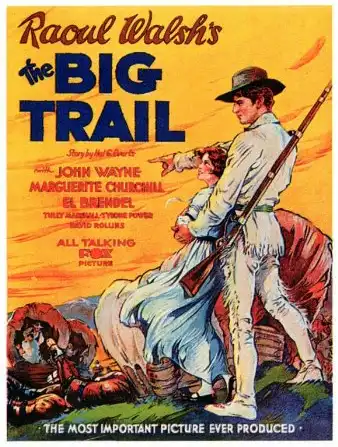
A definitive 7.2/10 rating for a film that redefined the boundaries of cult cinema. The Big Trail remains a cornerstone of transgressive art.
Alright, so if you’re thinking of watching The Big Trail today, you gotta manage those expectations right from the jump. This is a 1930 film. We’re talking Eternal Love era. It's for folks who dig old movies, who get a kick out of seeing how things were done way back when, or maybe just really, really love early John Wayne. If you need snappy dialogue and quick cuts, you’ll probably find yourself a bit bored. But for a certain kind of viewer, it’s absolutely worth the slow, bumpy ride. 🤠
It’s all about Breck Coleman, played by a ridiculously young John Wayne. He’s leading this *massive* wagon train. And when I say massive, I mean it. Not like, CGI massive. Like, they actually gathered a whole bunch of wagons and extras and filmed them. It’s impressive, even now. The sheer scale of it, the commitment.
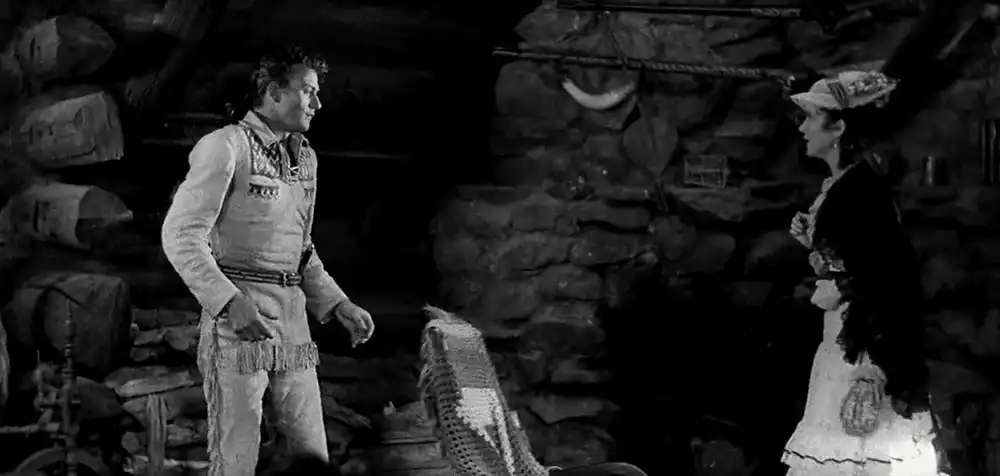
The movie doesn't waste much time with deep character stuff. It sets up Breck, a good guy, and then off they go. The journey *is* the story. You see wagons getting stuck in rivers, oxen struggling through mud. It feels so tactile. Like you can almost feel the grit. That one scene where they're trying to cross the river, and the currents are just tearing at the wagons. You actually worry for them. It’s not just pretend danger.
Wayne, in his first big starring role, is still figuring it out. He’s got that stoic thing down already, but sometimes his delivery feels a little… wooden? You can see him trying to embody the frontier hero, and sometimes it lands, other times it’s like he’s practicing. He’s got this honest earnestness, though, which helps.
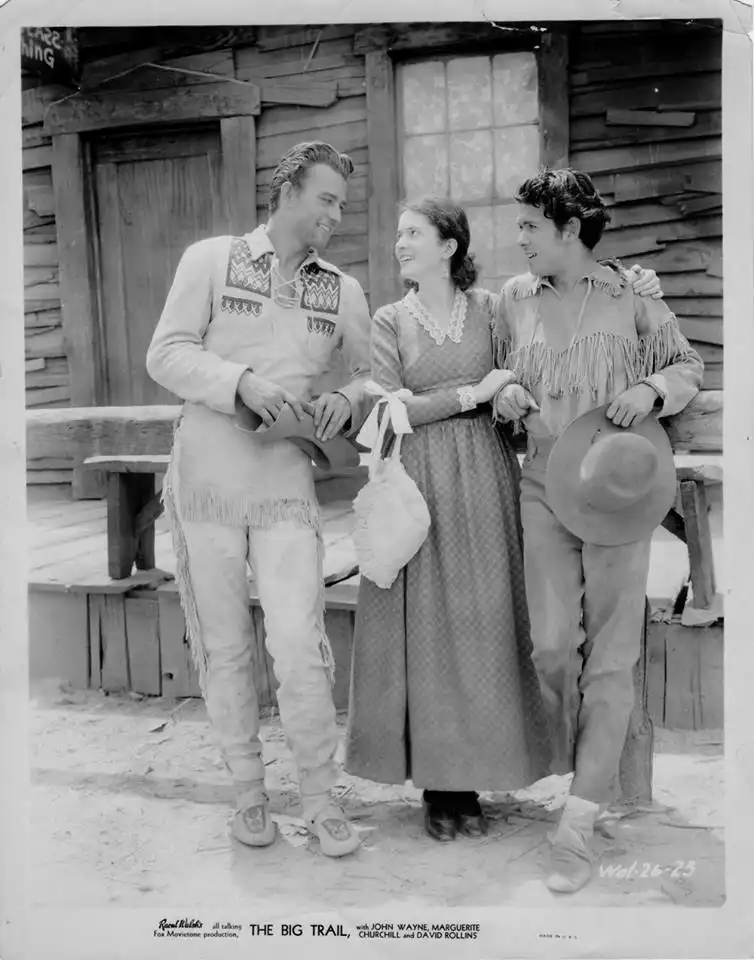
The sound design is a trip. Sometimes it’s clear, other times it’s muddled. You really get that early talkie vibe, where everyone has to project just right or the boom mic misses it. There’s a scene where a guy is whispering, and it’s almost impossible to catch what he says. Then suddenly, a wagon wheel squeaks, and it’s *loud*. The Vortex from a couple years prior, had its own sound challenges too. It’s just how it was.
The villains are pretty straightforward. Just some sneakin' back-stabbing types. They pop up, cause trouble, and then Breck deals with them. No complex motivations here. It's all about moving the wagon train forward. The film has a clear purpose. Don’t get distracted.
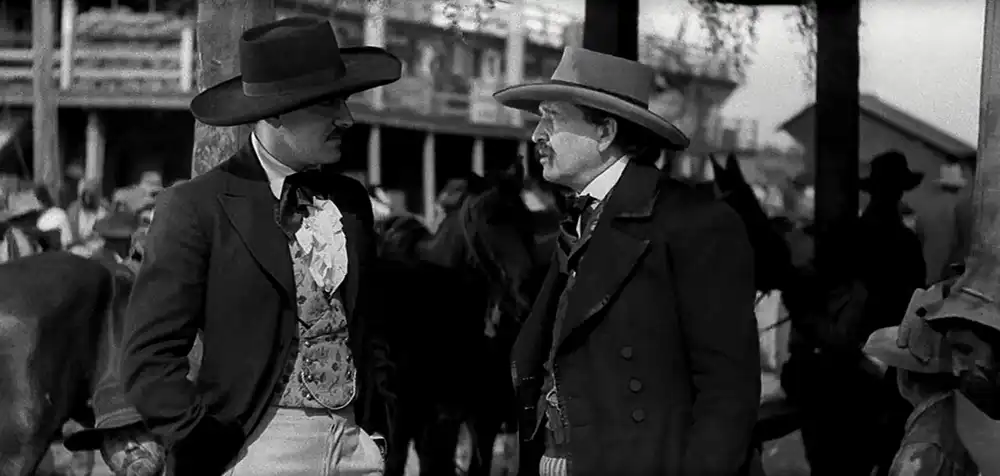
And the cinematography! For 1930, some of those wide shots of the wagons snaking across the plains, or through canyons… really stunning. They used both 35mm and a wider Grandeur format, and you can feel the ambition to show the vastness of the West. You can almost smell the dust kickin' up.
There are these small moments, too. Like, one settler just sits down, totally defeated, looking out at the endless horizon. No dialogue. Just the image. It tells you everything about the toll of this trip. Or the way a child just stares blankly from a wagon. These little, unplanned-feeling glimpses of human exhaustion.
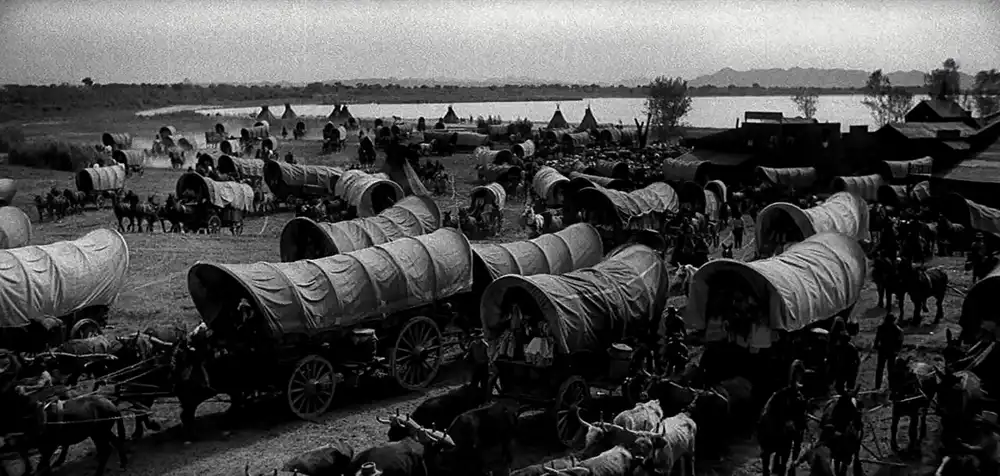
The pacing, oh boy. It’s a commitment. There are stretches where it feels like you're just watching people walk. For a long time. It can feel a bit like Riders of the Plains but with more dialogue. Not in a bad way, necessarily, but it’s definitely not for the impatient. It forces you to slow down, to think about the actual grind of such a journey. Modern audiences might find it dragging, for sure.
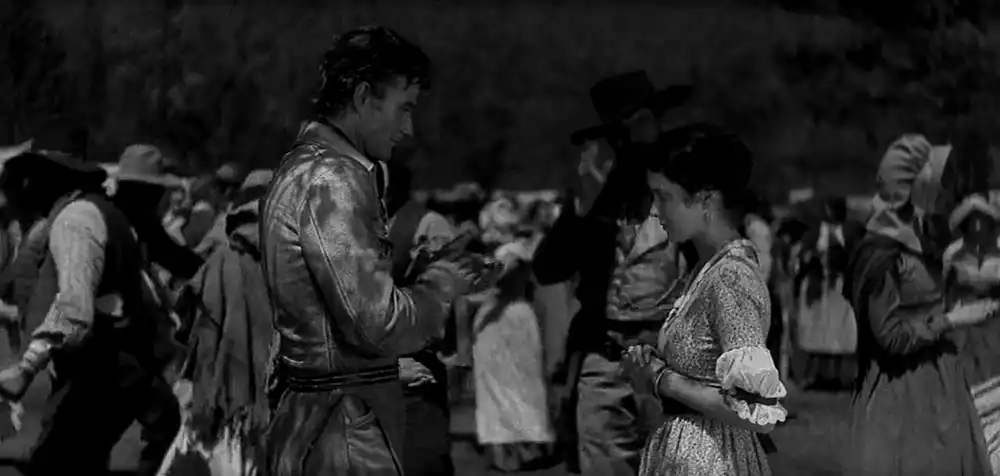
Marguerite Churchill, as Ruth, is pretty great. She's not just a damsel in distress. She’s got spunk, she helps out, she makes decisions. A strong female lead for the time, which is always nice to see. Her banter with Wayne feels natural, even if some of the romantic beats feel a tad forced. Like, *bam*, they like each other now.
I remember one scene where a wagon gets completely tipped over in a river. The water just rushing. It felt so real, the panic. The sheer physical effort to right it. No big speeches, just people pulling and straining. That's where the movie really shines, in those raw, almost documentary-style moments of struggle.
It’s not perfect. Some of the comic relief, especially with El Brendel, feels a bit dated and goes on a little too long. You can almost feel the director thinking, "Okay, we need a laugh here." But then it snaps back to the harsh reality of the trail. The film has a simple message about perseverance, you know?
So, yeah. The Big Trail. It's a foundational piece of Western cinema. A bit clunky, a bit slow, but it has this undeniable power in its scope and its honesty about the toughness of the frontier. It’s not just a movie; it’s an experience in what cinema *was*.
IMDb —
1916
Community
Log in to comment.