DbcultAccessing Vault...
6.4/10
Senior Film Conservator
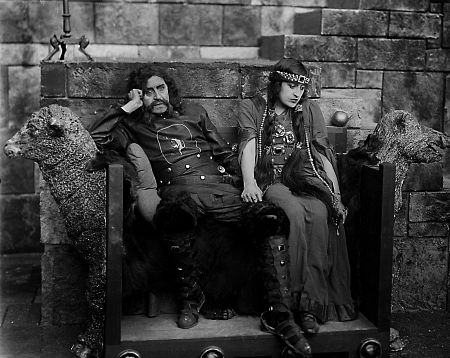
A definitive 6.4/10 rating for a film that redefined the boundaries of cult cinema. Macbeth remains a cornerstone of transgressive art.
To watch this 1916 Macbeth is to step through a rip in the celluloid continuum and land inside a chiaroscuro fever dream where daggers hum lullabies of damnation. Produced while Europe still trembled from Verdun’s artillery, the picture transposes Shakespeare’s lean, pitiless tragedy to the grammar of silent cinema: no spoken pentameter, only the staccato flicker of iris-ins, double exposures, and intertitles slashed like wounds across the screen. Yet within those constraints, co-directors Herbert Beerbohm Tree and John Emerson, aided by scenarist Anita Loos, distill the play’s marrow—ambition curdling into sin, sin calcifying into madness—into visuals so stark they seem etched with a hot needle.
Shot largely on cramped indoor sets plastered with faux-stone, the film compensates for spatial stinginess with tonal opulence. Cinematographer George W. Hill bathes every frame in bruised charcoal and bone-white, a palette borrowed from Flemish vanitas paintings. When Macbeth hallucinates a levitating dagger, the prop is double-exposed so that its tip quivers like a compass needle seeking moral north—and finding none. Later, the march of Birnam Wood is rendered through a simple but eerie device: branches tied to soldiers’ helmets, bobbing in stop-motion cadence, so the forest appears to shuffle on human legs. Expressionism before German studios had minted the term.
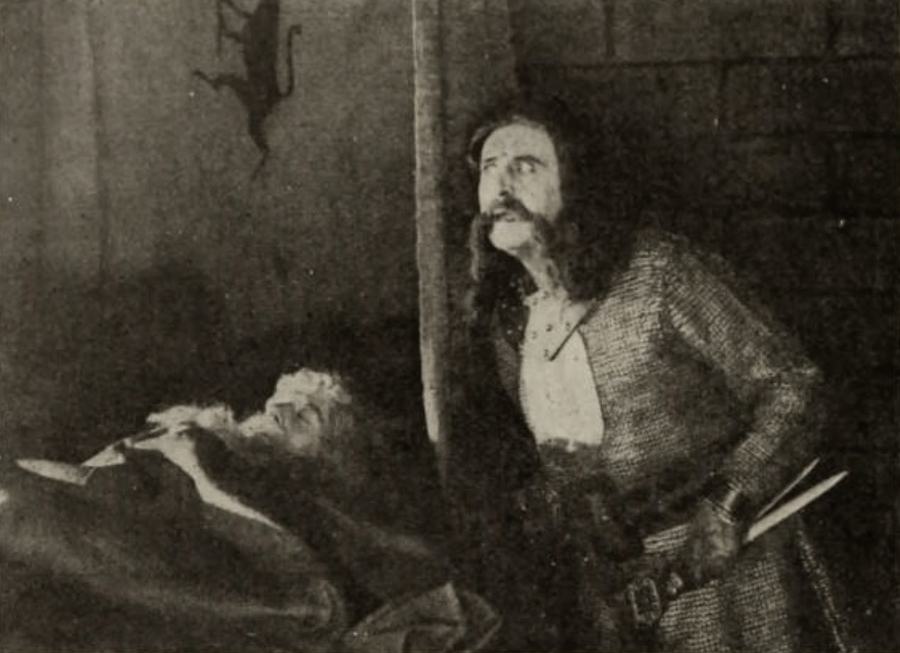
Francis Carpenter’s Macbeth carries the stunned gaze of a man who has peeked behind the cosmic curtain and discovered only rot. He underplays the early reels, allowing micro-tics—a twitching gauntlet, a blink held half a second too long—to foreshadow the coming spiritual landslide. By contrast, Thelma Burns’s Lady Macbeth arrives fully coiled, her eyes twin furnaces. In the sleep-walking scene she doesn’t claw the air; instead she lets her arms drift like floating oars, voiceless recrimination made flesh. The restraint is more unsettling than any theatrical raving.
Then there is Erich von Stroheim as Banquo’s assassin—technically a bit part expanded here to malignant scene-stealer. Clad in a leather greatcoat that squeaks like a rat, he slinks across corridors with predatory patience. One suspects Stroheim brought his own brass knuckles to set; his grin could teach Satan thrift.
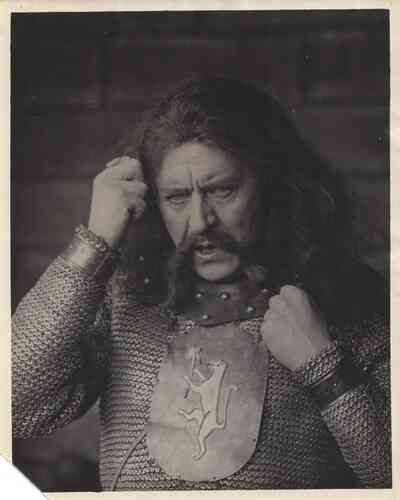
Loos, soon to become Hollywood’s highest-paid scenarist, hacks Shakespeare’s text into haiku-like stabs: "The wine of life is drawn, and only lees remain." Each card appears against black velvet, the lettering white-hot as cauterized skin. Surplus monologue is jettisoned; imagery does the oratory. The result feels less like a Classics Illustrated digest and more like a pulp fever pamphlet you might buy from a trench-coated stranger.
Original 1916 screenings were accompanied by a score cobbled from Grieg’s In the Hall of the Mountain King and Mendelssohn’s Fingal’s Cave, stitched so brazenly that publishers later threatened litigation. Contemporary restorations often commission new compositions; I recommend the 2021 Kino version with a prepared-piano soundscape that clacks like castle drawbridges. Either way, the absence of spoken verse forces the viewer to inhabit the text’s negative space, hearing iambic echoes between the flickers.
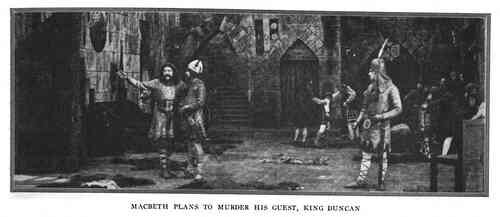
Context matters. Released mere months after Griffith’s Birth of a Nation smuggled racism into epic storytelling, this Macbeth offers a bracing moral counterweight: it indicts white male appetite, not celebrates it. Its scale is chamber rather than cyclorama, closer in DNA to Danish gloom-fests like The Doom of Darkness than to Victor Fleming pageantry. And though Russian avant-garde collages were experimenting with montage, this production clings to tableau staging, trusting the iris to do the cutting.
Loos and Emerson quietly gender-swap several witches’ roles, turning hags into crones played by male character actors, a proto-drag that amplifies the uncanny. Lady Macduff (a luminous Olga Grey) is given an expanded death scene shot from toddler-height POV, forcing the audience to cower beneath table legs as raiders loom. The film recognizes, decades early, that violence against women is not merely thematic garnish—it is the engine that drives cycles of revenge.
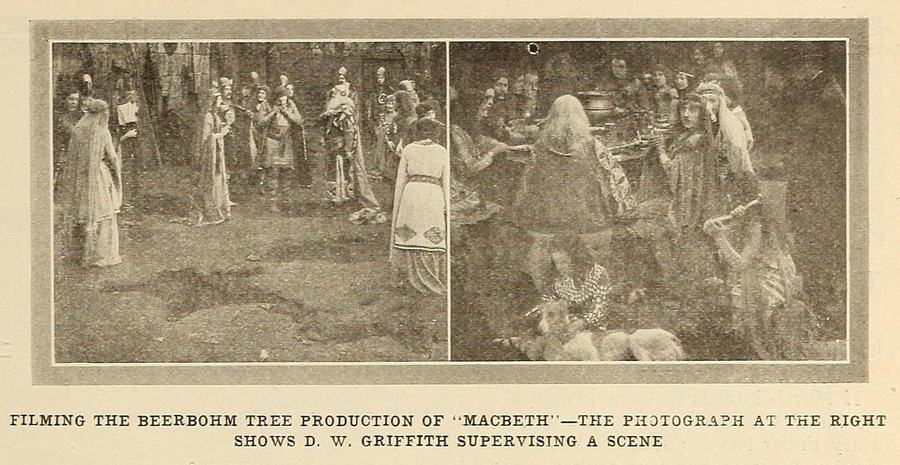
Let us not wax hagiographic. The battle of Dunsinane resembles a community-theater picnic, extras hesitating before clanking prop swords. A jump-cut reveals Macbeth’s severed head already rotting—continuity gore that elicits unintended snickers. And at 72 minutes, psychological transitions feel compressed; Lady Macbeth’s descent from viper to somnambulist happens in the space of a single intertitle. Yet these blemishes enhance the film’s patina of archaic urgency, like cracked frescoes that still radiate piety.
Scholars routinely cite earlier Shakespeare silents, but this Macbeth anticipated noir lighting, horror tonalities, even the slasher trope of the unstoppable killer. Polanski watched it as a film-school reel; Welner, cinematographer of Citizen Kane, studied its ceilinged shadows to craft Xanadu’s cavernous gloom. In the age of comic-book antiheroes, the film’s unabashed portrait of conscience shredded by hubris feels eerily contemporary.
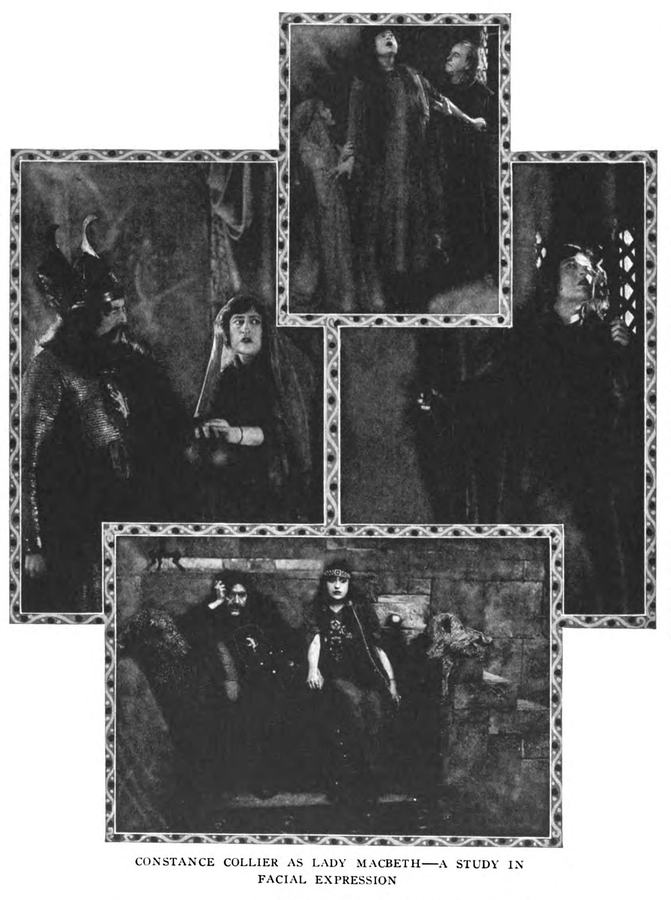
The best surviving elements reside at MoMA, but a 4K scan circulates via Kino Classics paired with a scholarly commentary that unpacks Loos’s subversive edits. Host a candle-lit screening; serve peated Scotch and shortbread stained with raspberry coulis—blood on biscuit. Encourage guests to quote their favorite lines on cards; silence the room when the dagger floats, so the only sound is the projector’s moth-wing flutter.
Great art both mirrors and distorts; this Macbeth does both while daring you to look away—and failing, every time, you stare harder. It reminds us that ambition is a blade with no handle: the longer you grip it, the deeper it carves your palm. A century on, its shadows lengthen, proof that some nightmares refuse to die, tomorrow, and tomorrow, and tomorrow.
IMDb 4.7
1929
Community
Log in to comment.