DbcultAccessing Vault...
7.2/10
Senior Film Conservator
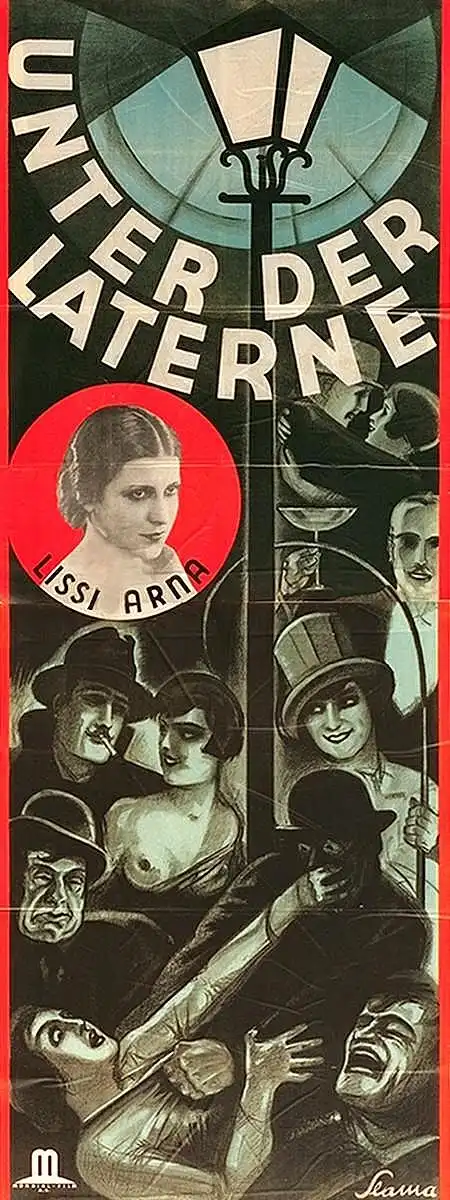
A definitive 7.2/10 rating for a film that redefined the boundaries of cult cinema. Unter der Laterne remains a cornerstone of transgressive art.
Gerhard Lamprecht's 1928 silent film, 'Unter der Laterne,' presents a curious case for modern audiences. Is it worth watching today? For serious cinephiles, particularly those with an interest in Weimar cinema or the evolution of narrative film, absolutely. It offers a tangible connection to a specific moment in cinematic history, showcasing a particular style of storytelling and performance that feels both alien and familiar. However, for casual viewers accustomed to the rapid pacing and overt emotional cues of contemporary cinema, 'Unter der Laterne' will likely prove a challenging, and at times, frustrating experience. Its deliberate rhythms and the heightened, often theatrical, silent acting style demand patience and a willingness to engage with a different kind of cinematic language. Those seeking a fast-paced plot or deep psychological realism might find themselves checking their watch.
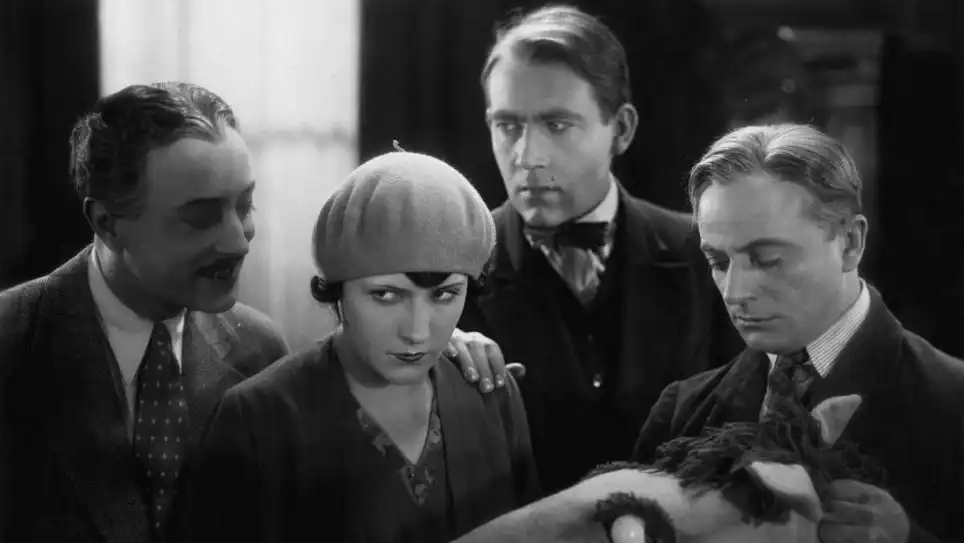
The film opens with Else (Eva Speyer) being unceremoniously locked out of her home by her authoritarian father, a scene rendered with stark, almost brutal efficiency. The visual of the heavy door slamming shut, leaving Else stranded in the night, immediately establishes her vulnerability. She finds refuge with her boyfriend, Hans (Mathias Wieman), a modest, earnest young man. Their initial scenes together are marked by a quiet intimacy, a sense of two young people trying to build a life together against the odds. The arrival of Hans's roommate, Max (Max Maximilian), introduces the central conflict. Max, initially a jovial, somewhat boisterous presence, soon develops feelings for Else, creating a subtle but palpable tension in their shared living space.
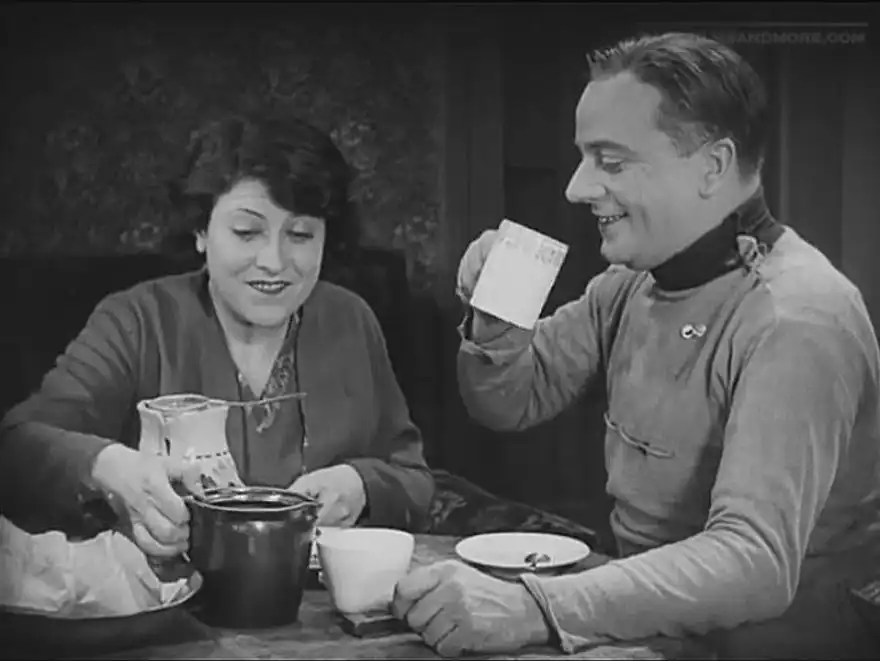
Lamprecht handles the burgeoning love triangle with surprising restraint for a silent melodrama. There are no grand declarations or overt confrontations early on. Instead, the emotional shifts are conveyed through lingering glances, averted eyes, and body language. A particularly effective moment involves Max watching Else from across the room as she helps Hans mend a shirt. His gaze, initially friendly, subtly shifts to one of longing, a transformation Eva Speyer's Else seems to register with a slight, almost imperceptible hesitation in her movements. This understated approach to character development is one of the film's quiet strengths.
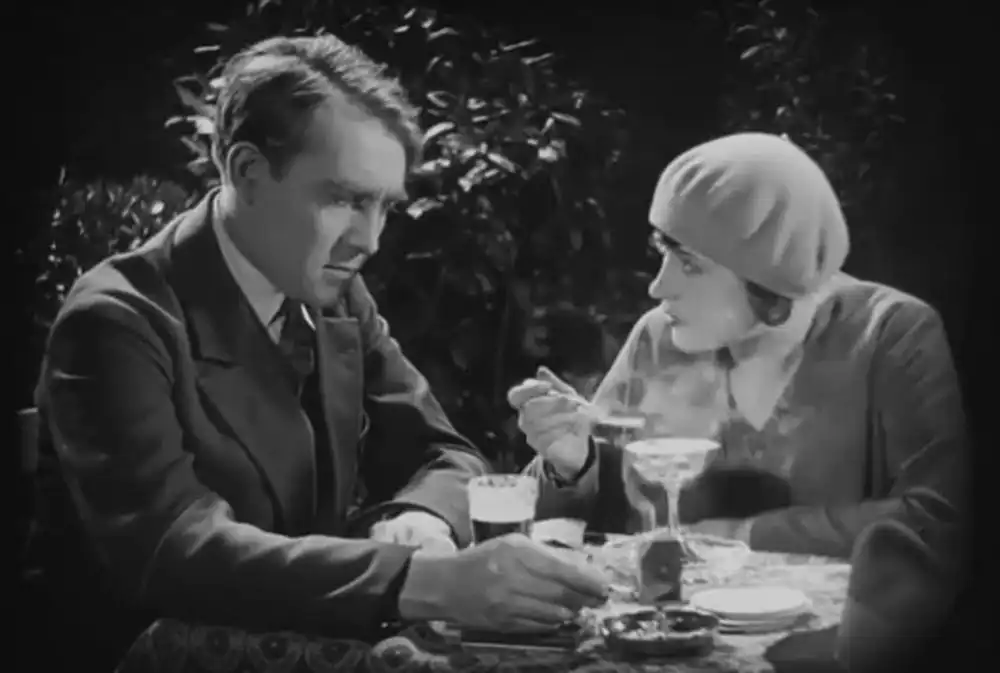
Eva Speyer as Else carries much of the film's emotional weight. Her portrayal is a delicate balance of vulnerability and resilience. In the early scenes, her wide, expressive eyes convey a deep sadness and fear, particularly when she first arrives at Hans's door. As the film progresses, she imbues Else with a growing sense of self-possession. Her smiles, initially hesitant, become more genuine, hinting at a character slowly finding her footing. Her performance avoids the broad, almost pantomimic gestures sometimes associated with silent film, opting instead for a more naturalistic, albeit still heightened, style.
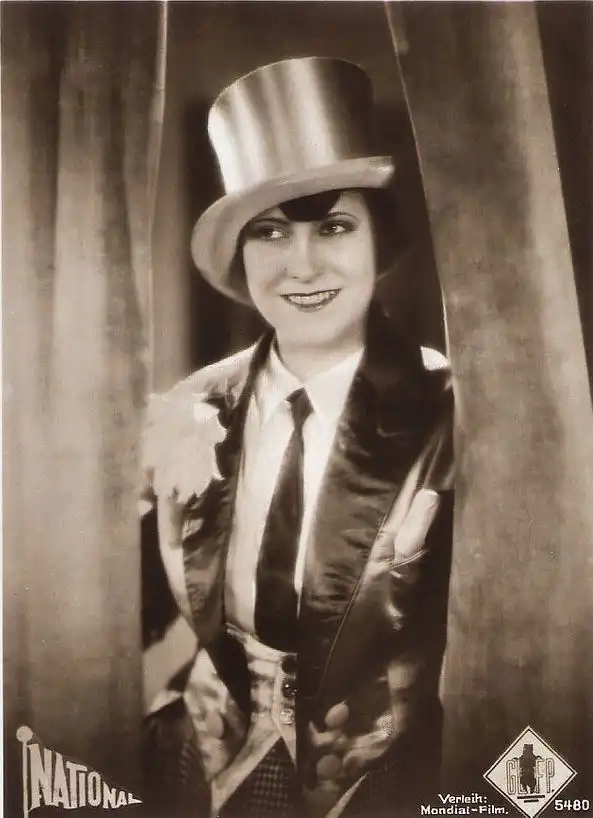
Mathias Wieman's Hans is the picture of earnest decency. He’s often the quiet observer, his concern for Else evident in his furrowed brow and protective stance. Max Maximilian’s Max, on the other hand, is the more outwardly emotional of the two men. His initial boisterousness gives way to a more conflicted tenderness as his feelings for Else deepen. A specific detail that stands out is Max’s habit of nervously adjusting his tie whenever he's trying to impress Else or grappling with his emotions. It’s a small, human gesture that grounds his character.
The supporting cast, particularly Sybill Morel as Else's landlady, adds texture to the urban backdrop. Morel's character, though minor, exudes a weary kindness that feels authentic, a welcome contrast to the more dramatic arcs of the main trio.
The film's pacing is undoubtedly deliberate, a characteristic of many silent films, but here it occasionally borders on sluggishness. The domestic scenes, while rich in visual detail and character interaction, sometimes overstay their welcome. There are sequences, particularly in the middle act, where reaction shots linger a beat too long, or mundane tasks are shown with an exhaustive attention to detail that doesn't always serve the narrative momentum. This can make the film feel longer than its runtime, particularly for those unfamiliar with the rhythm of silent cinema.
The most significant tonal shift occurs in the film's final act, as the romantic entanglement gives way to a shared professional venture in the music hall. This transition, while narratively stated, feels somewhat abrupt. One moment, Max is struggling with his unrequited feelings; the next, all three are harmoniously planning a stage act. The resolution of the love triangle, with the trio agreeing to remain friends, is presented with a surprising lack of explicit emotional processing. It’s a pragmatic, almost business-like conclusion to what had been a simmering emotional conflict. The final scenes in the music hall, while offering a glimpse into Weimar-era entertainment, lack the dramatic tension established earlier, feeling more like an epilogue than a fully integrated part of the story.
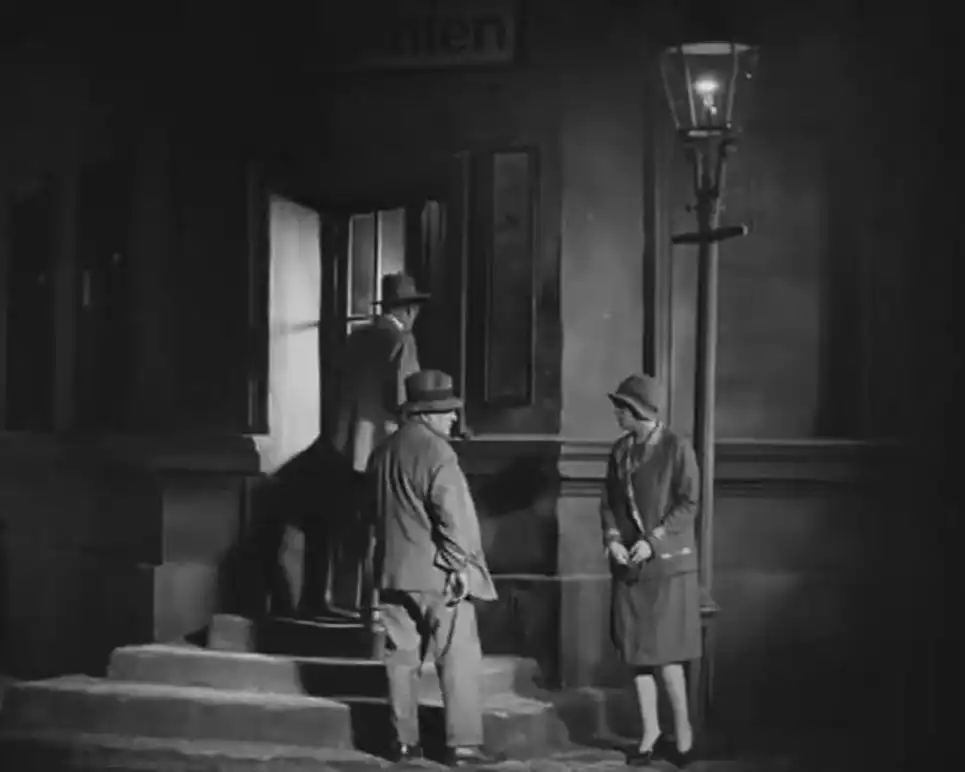
Lamprecht's visual style is largely naturalistic for the period, avoiding the overt expressionism seen in some contemporary German films. The sets for Hans and Max's apartment feel lived-in and authentic, reflecting their modest means. The lighting, while functional, occasionally uses shadows to great effect, particularly in the early street scenes after Else is locked out, emphasizing her isolation. The titular 'laterne' (lantern or streetlamp) often appears as a backdrop in these moments, a silent witness to urban struggles and fleeting connections.
The film excels in its depiction of Berlin's urban environment. Crowd scenes are handled with a documentary-like realism, capturing the hustle and bustle of city life. There are numerous shots of busy streets, markets, and tenement buildings that lend the film a strong sense of place. This commitment to depicting the everyday world, even amidst the melodrama, is one of Lamprecht's enduring strengths as a director, a trait visible also in Vragi. For instance, in one scene set in a busy market, a background extra, a woman haggling over produce, is so absorbed in her transaction that she almost bumps into Else, a small, unscripted moment that adds a layer of genuine chaos to the frame, highlighting the indifference of the city to individual plights.
'Unter der Laterne' is a film that rewards patience and a historical perspective. It offers a valuable window into silent-era German cinema, showcasing Lamprecht's understated approach to melodrama and his keen eye for urban realism. The performances, particularly from Eva Speyer, are nuanced for the period, avoiding caricature. However, its deliberate pacing and a somewhat convenient, almost anti-climactic resolution to its central conflict mean it struggles to resonate with the immediate emotional impact of more celebrated silent films. It’s a film for the dedicated enthusiast, a piece of cinematic history worth studying for its craft and context, rather than a universally compelling watch for today's casual audience. It's a flickering light from the past, illuminating its own time more brightly than it ignites the present.
IMDb —
1933
Community
Log in to comment.