DbcultAccessing Vault...
6.6/10
Senior Film Conservator
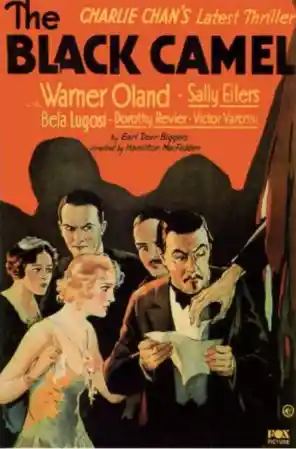
A definitive 6.6/10 rating for a film that redefined the boundaries of cult cinema. The Black Camel remains a cornerstone of transgressive art.
Okay, so if you're the kind of person who loves to settle in with an old detective movie, especially those classic Charlie Chan adventures, then The Black Camel is absolutely worth seeking out. It’s got that cool, vintage vibe. But, if you’re looking for fast-paced modern thrills or really need every single plot point tied up with a neat bow, this might feel a little… well, old to you. It's a particular flavor, for sure. 🕵️♂️
Right from the start, you're dropped into this glamorous but kinda seedy Hollywood-in-Hawaii setting. Think palm trees and shady secrets. The whole thing kicks off with a movie star, Shelah Fane (played by Dorothy Revier), getting stabbed in her beach house. She had a lot of secrets, as movie stars often do in these films.
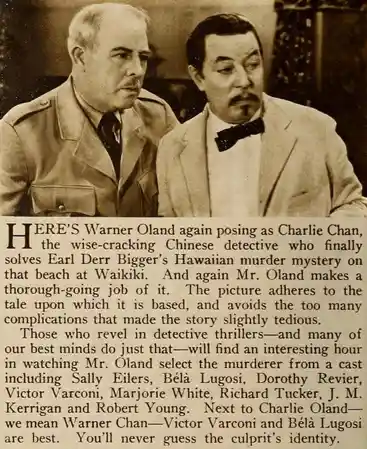
Warner Oland as Charlie Chan is just… classic. He has this way of delivering his little aphorisms, sometimes a bit broken, that just makes you lean in. He doesn't rush anything. One scene, he’s just sitting there, taking it all in, observing everyone. You can almost feel him processing things.
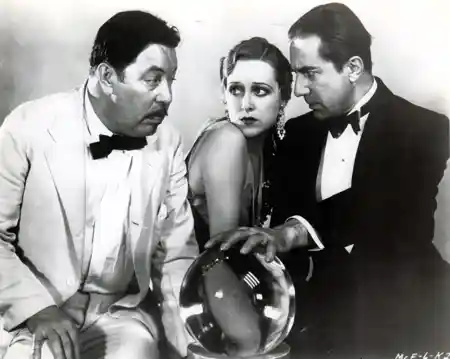
Then there’s Bela Lugosi, who shows up as a psychic named Tarneverro. He’s only in a few scenes, but he makes them count. He’s got that intense stare, you know? He feels a little out of place in a good way, like he stepped in from a different movie, which actually adds to the mystery. His performance is very, very, *very* particular.
The plot, as these things go, gets pretty tangled. It's not just the current murder. They keep bringing up this older unsolved case, another actor who died years ago. You’re left wondering how these things connect. It’s all a bit hazy at first, and that’s part of the fun.
I really liked the Hawaiian setting. It's not just a backdrop; it feels like it's part of the mood. All these scenes by the ocean, but there’s this undercurrent of something dark. The way the light hits things, especially in some of the indoor scenes, gives it a kind of quiet tension. Like a storm brewing, but very slowly.
There's this one moment where Chan is interviewing a suspect, and the person just keeps rambling. Chan doesn't interrupt. He just listens, completely unreadable. That patience is something you don't always see. It makes him feel very wise, not just smart.
The dialogue is a little stilted sometimes, which is typical for early talkies. You get some lines that feel like they belong on a stage. But it also gives it charm, you know? It’s not trying to be modern. It's just doing its own thing.
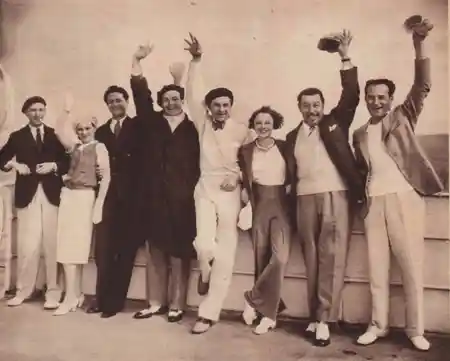
One detail that sticks with me is the way they handle the seance scene with Lugosi's character. It’s not flashy, more spooky by suggestion. You can almost feel the chill in the room, even though it’s clearly shot on a soundstage. The shadows are working overtime there. 👻
And the sheer number of characters involved in this thing is kind of wild. Everyone seems to have a secret, or at least they're acting like they do. It’s a bit hard to keep track of everyone at times. But that’s what Charlie Chan is for, right?
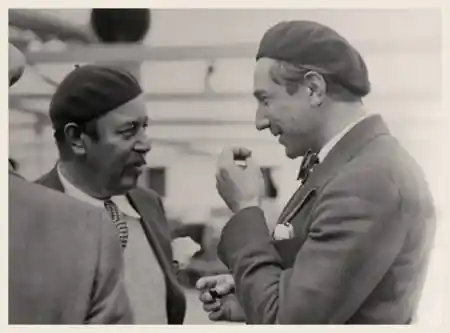
Ultimately, it’s a neat little time capsule. It's not groundbreaking cinema by today's standards, but for a 1931 film, it holds up pretty well as a solid mystery. It’s a bit like watching a play where the camera just happens to be there.
If you've got a soft spot for these old mysteries, or just want to see Warner Oland and Bela Lugosi sharing a screen, give The Black Camel a shot. It's a slow burn, but there’s a quiet satisfaction in seeing Chan put all the pieces together.

IMDb 4.7
1933
Community
Log in to comment.