DbcultAccessing Vault...
Cult Review
Senior Film Conservator
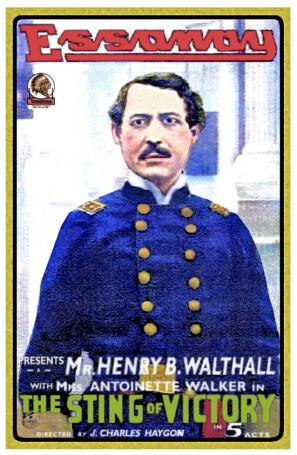
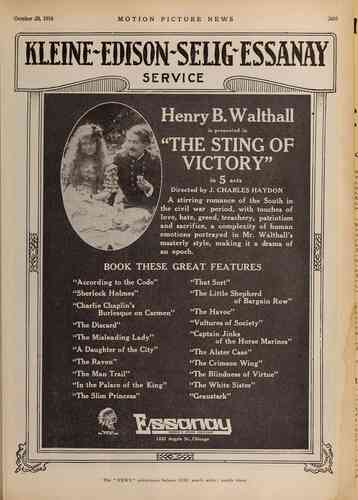
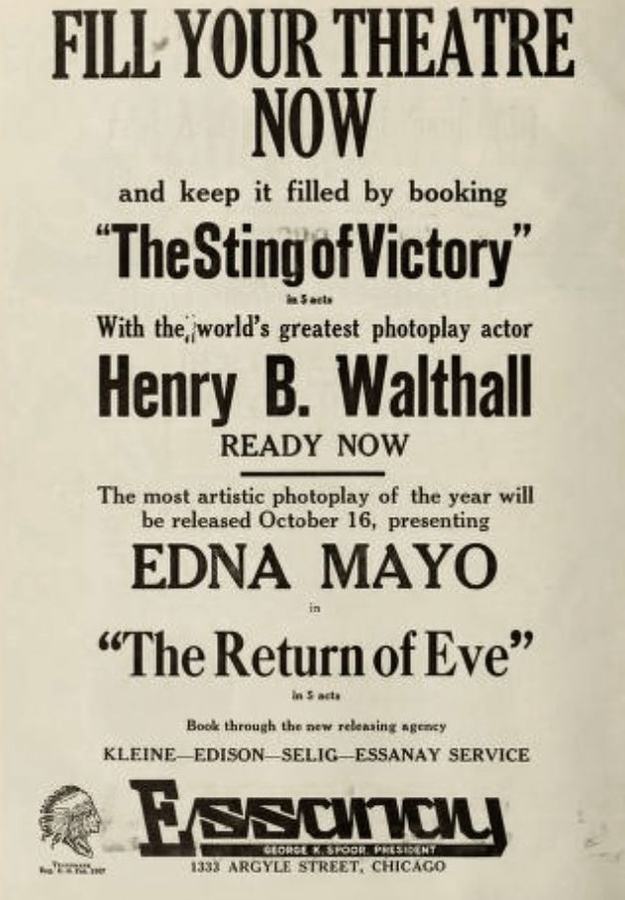
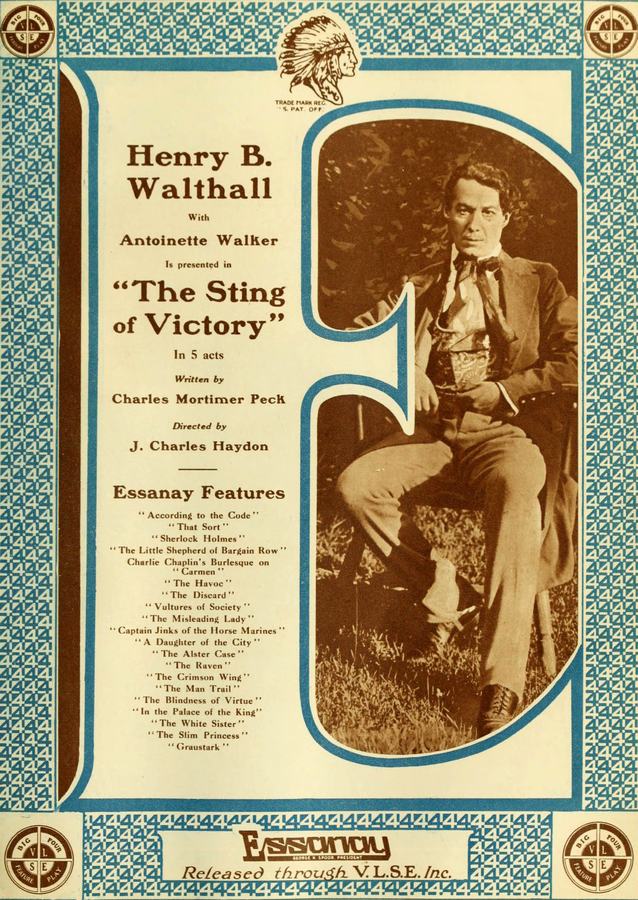
Charles Mortimer Peck’s The Sting of Victory lands like grapeshot in the memory: a 1915 one-reel marvel that distills the entire Civil War into the trembling iris of one Southern family and somehow—without spoken word—makes the silence scream. I revisited a mint 35 mm print at the Eye Filmmuseum, piano thundering behind me, and staggered out feeling someone had stitched a battle flag to my ribcage. The film is technically a one-act condensation of a never-produced four-act play, yet its compression is its genius; every tableau glows with the phosphorescence of rot, every intertitle drips irony the hue of dark orange molasses.
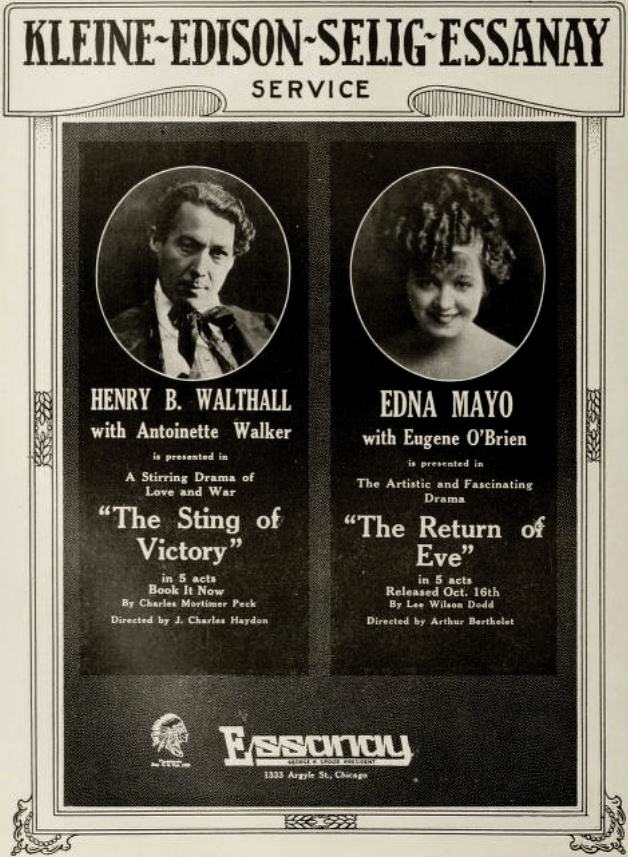
Director of photography John Lorenz lenses the Whiting estate as though it were already a daguerreotype curling at the edges: Spanish moss chokes the crane shots, moonlight spills across lacquered floorboards like split breast-milk, and when David—played by the magisterial Richardson Cotton—frees his slaves, the emancipation papers flutter in a wind that sounds (yes, sounds) like a collective exhalation of centuries. Cotton’s physiognomy is all rectitude: cheekbones sharp enough to inscribe justice, eyes a perpetual dusk. Contrast him with Jack Dale’s Walker, whose reckless grin seems carved by Bowie knife; their fraternal schism needs no subtitle, only the distance between their silhouettes on opposite riverbanks.
While men reload muskets, the women weaponize etiquette. Laura Frankenfield’s Edith brandishes disdain like a parasol tipped with steel; when she rejects Thomas Commerford’s reptilian Spicer, the camera dollies until her face fills the aperture—an ivory moon eclipsing the guttering sun of masculine ego. Peck’s screenplay savvily links chattel slavery to debt peonage: once the field hands vanish, the plantation survives on promissory notes signed in the trembling ink of daughters. Spicer’s desire to graft his progeny onto noble stock literalizes Reconstruction’s merger of old blood with new money, a transaction more pornographic than any bedroom scene the Hays Office later feared.
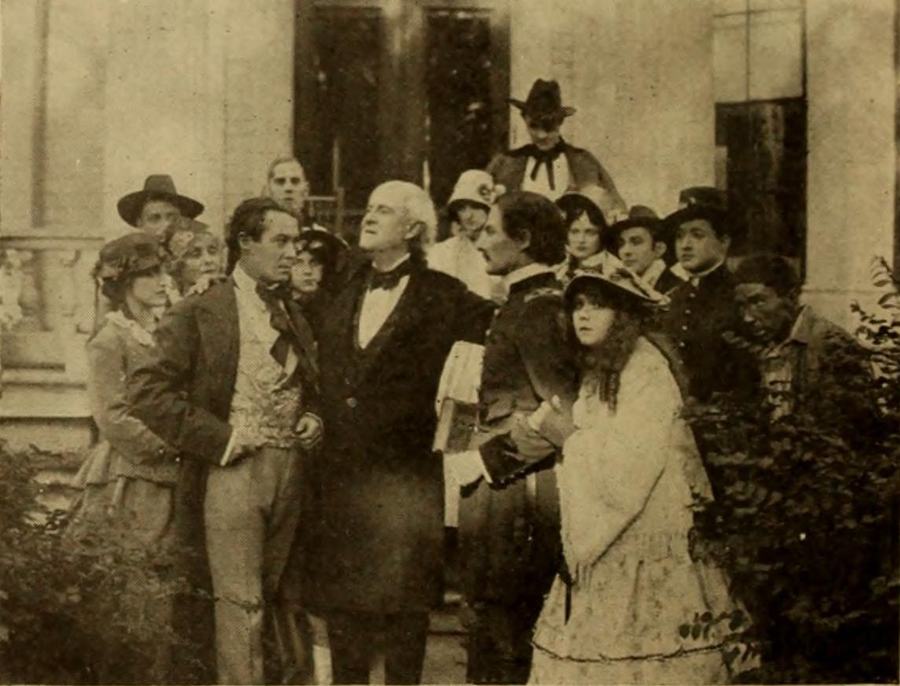
The court-martial sequence—shot in a single cavernous parlor—unfurls like a Baroque painting: candle-smoke halos, brass buttons catching stray glints, shadows that crawl up wainscoting like Union pickets. David must sentence his brother, and Cotton lets his jaw tremble for a full three seconds before the cut; the stillness is more harrowing than any bayonet charge. When Rufus (Bond Turner, delivering the film’s most transfixing close-up) confesses, the camera tilts downward to the former slave’s manacled wrists, revealing scar tissue that forms topographical maps of antebellum cruelty. The revelation should absolve, yet Peck denies catharsis; instead, David’s victory tastes of dark orange rust because the community’s racialized gaze remains unshaken.
Ah, Ruth Tyler—Anne Leigh incarnates her as a belle whose crinoline rustles like Confederate banknotes. She first appears in a peach orchard, petals snowing upon her hair, a muse too allegorical to survive the grime of internecine war. Later, when she recoils from David’s Union blues and collapses into Walker’s tattered grays, the chromatic symbolism is blunt yet devastating: sea blue trampled beneath sun-yellow nostalgia. Their final clinch occurs amid the scorched columns of the family portico; the pair eclipse David in foreground shadow, turning him into a living cenotaph. The sting is not merely romantic but historiographic—progress rejected for the seductive narcotic of defeated romance.
Cinephiles tracking Civil War iconography will recall The Heart of Maryland with its lantern-jawed heroics, yet that film clings to sectional reconciliation clichés. Conversely, The Sting of Victory anticipates the moral lacerations of The Curse of Greed, where familial bonds buckle under capital. Meanwhile, the gendered economy of shame rhymes with Her Own Way, though Ruth’s agency is cruelly tethered to the erotic whims of men. Even the Expressionist chiaroscuro of The Bells finds precedent here in the flicker of tapers across David’s iron cheekbones.
Henry B. Walthall cameos as a battle-scarred major, eyes haunted by Antietam cornfields; his brief gait across the frame injects Griffithian gravitas without derailing the film’s tighter economy. Ellis Paul’s Jack Spencer dies off-screen, yet his epistolary ghost haunts Edith’s rejection—the returned ring becomes a Möbius strip of recrimination. Most astonishing is Antoinette Walker as the Whiting matriarch; she registers heartbreak by allowing her lace fan to collapse one rib at a time, a visual metronome of diminishing pride.
Peck and editor Charles Mortimer Peck (pulling double duty) splice battle montage with household intimacy through match-cuts of clasped hands: Union soldiers stacking rifles dissolve into Edith wringing a dishcloth until her knuckles blanch. The temporal leap from 1864 to Reconstruction occurs via a fade-to-black that lingers for twelve frames—just long enough for the viewer to inhale the dust of four years. Not since When Rome Ruled have ellipses felt so cavernous.
The Eye Filmmuseum commissioned a new score by Ekaterina Levental, weaving banjo pizzicatos into a Mahlerian funeral march. When Ruth betrays David, the strings hold a dissonant ninth until the sound seems to curdle; you taste the note like dark orange marmalade gone rancid. Contemporary viewers will note eerie parallels to today’s polarized polities—families cleaved by ideology, public shaming as spectator sport, the hollow pageantry of moral victory.
For decades the negative sat mislabeled as In the Python’s Den in a Jacksonville vault; only a misfiled continuity script saved it from vinegar syndrome. Digital 4K scanning reveals cigarette burns where 1915 projectionists censored Spicer’s blood spatter, yet those scars only augment the film’s frail mortality. Watching it today is to witness history’s uncanny ventriloquism: the war between brothers, the war between principles, the war between love and honor—all fought on a rectangle of flammable celluloid.
Great art should not merely entertain; it should scar. The Sting of Victory leaves a wound shaped like a laurel—thorny, green with rot, and oozing gold. Seek it at any archive screening; let the yellow piano chords rain upon you, let the sea-blue tint of defeat flood your retinas. When Ruth’s lips brush Walker’s uniform, you will feel the film suture itself to your skin, and you will carry that sting long after the houselights rise.
IMDb 6.2
1934
Community
Log in to comment.