DbcultAccessing Vault...
Cult Review
Senior Film Conservator
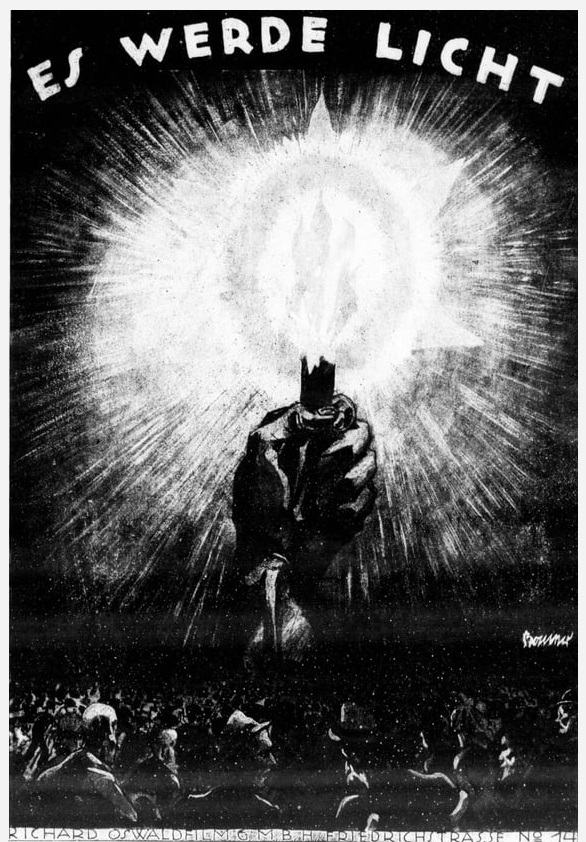
Stepping back into the annals of cinematic history, we often encounter films that, despite their age, resonate with an astonishing contemporary urgency. Es werde Licht! 4. Teil: Sündige Mütter (Let There Be Light! Part 4: Sinful Mothers) is precisely such a film. Directed by the visionary duo Ewald André Dupont and Richard Oswald, this 1918 German silent film is far more than a mere historical curiosity; it is a raw, unflinching, and profoundly empathetic examination of a subject that, even today, sparks fervent debate and deep personal anguish: unwanted pregnancies and the desperate choices women are forced to make in their wake.
The film’s very title, “Sinful Mothers,” immediately signals its provocative intent, challenging the moralistic judgments of its era while simultaneously acknowledging the societal labels thrust upon women. It’s a title that simultaneously condemns and questions, setting the stage for a narrative that refuses easy answers or simplistic villainy. Instead, it delves into the intricate web of circumstances, vulnerabilities, and societal pressures that lead individuals down paths fraught with peril and despair.
At its core, Sündige Mütter is a social drama of immense power, a narrative tapestry woven with threads of human frailty, societal hypocrisy, and the often-tragic consequences of passion untempered by caution or foresight. The plot, centered around the grim realities of unwanted pregnancies resulting from unprotected sexual intercourse, unfolds with a stark realism that must have been utterly shocking for audiences of its time. It doesn't shy away from depicting the emotional torment, the physical dangers, and the moral dilemmas faced by its characters, particularly the women who bear the brunt of society's condemnation.
The directorial hand of Dupont and Oswald is evident throughout, guiding the narrative with a blend of dramatic intensity and a surprising degree of nuance. They avoid didacticism, choosing instead to present a series of compelling human stories that allow the audience to grapple with the moral complexities themselves. Their camera serves as an empathetic observer, capturing the subtle shifts in expression, the unspoken anxieties, and the profound despair that define the characters’ struggles. This approach, especially in the silent era, required an extraordinary reliance on visual storytelling and the expressive capabilities of the cast.
And what a cast it is! The ensemble assembled for Sündige Mütter is a veritable who’s who of German silent cinema, each performer contributing layers of depth to this weighty drama. Kathe Oswald, in a role that likely demanded immense emotional fortitude, delivers a performance that is both heartbreaking and resilient. Her portrayal of a woman wrestling with the consequences of her choices is imbued with a quiet dignity, even amidst profound suffering. Emilia Unda, a stalwart of the era, brings a formidable presence, her expressions conveying volumes without a single spoken word. Kissa von Sievers, Alfred Abel, and Kurt Vespermann each inhabit their roles with a conviction that elevates the material beyond mere melodrama, transforming it into a poignant human document.
One cannot discuss the performances without singling out the legendary Conrad Veidt. Even in these early works, Veidt’s magnetic screen presence and his capacity for conveying intricate psychological states are apparent. Whether in moments of quiet contemplation or bursts of desperate emotion, Veidt commands attention, his eyes often betraying a turmoil that words could scarcely articulate. Reinhold Schünzel, another notable figure, adds further gravitas to the proceedings, his characterizations always memorable. The collective strength of this cast ensures that the film’s powerful themes are communicated with maximum impact, transcending the limitations of the silent medium.
The film’s exploration of abortion, a topic still taboo in many circles even today, is handled with a remarkable degree of sensitivity and, crucially, without sensationalism. It presents abortion not as a moral failing in itself, but as a desperate symptom of larger societal issues: a lack of education, limited options for women, and the harsh judgment meted out to those who deviate from prescribed norms. In this regard, Sündige Mütter stands as a powerful precursor to later films that would dare to tackle similar subjects, offering a window into the historical struggle for reproductive autonomy and the enduring societal pressures surrounding female sexuality.
Comparing this film to others of its period reveals its audacious nature. While many films, such as When Love Is King or The Triumph of Venus, focused on romantic escapism or idealized narratives, Sündige Mütter grounded itself firmly in the grittier realities of everyday life. It shares a thematic kinship with other social problem films of the era, such as those that might have addressed poverty or labor issues, but its focus on female bodily autonomy was particularly groundbreaking. One might draw parallels to the psychological depths explored in films like Sumerki zhenskoy dushi (Twilight of a Woman's Soul), which also delved into the complex inner lives of women facing societal constraints, though perhaps without the direct focus on reproductive choices.
The screenplay, penned by Dupont and Oswald, demonstrates a keen understanding of narrative structure and character development. Despite the absence of spoken dialogue, the story unfolds with a clarity that is both compelling and emotionally resonant. The use of intertitles is judicious, serving to advance the plot or provide necessary context without overwhelming the visual storytelling. This balance is crucial in silent cinema, and the writers here display a masterful command of the form, ensuring that the emotional arc of the characters remains central to the audience's experience.
The film's impact extends beyond its immediate narrative. It serves as a potent historical document, offering insight into the social anxieties and moral debates that characterized Germany in the aftermath of World War I. The societal upheaval of the period undoubtedly contributed to a willingness to confront previously unspeakable topics on screen. Films like Sündige Mütter were not just entertainment; they were cultural dialogues, reflections of a society grappling with rapid change and evolving moral codes. They pushed boundaries, forcing audiences to confront uncomfortable truths.
While some silent films might feel dated to modern viewers, the raw emotional power and the timeless relevance of its themes ensure that Es werde Licht! 4. Teil: Sündige Mütter retains its grip. The film's message about the personal toll of societal judgment and the desperate measures individuals resort to when faced with impossible choices is as piercing today as it was over a century ago. It reminds us that while medical advancements and social attitudes have shifted, the fundamental human experience of vulnerability, consequence, and the search for agency remains constant.
The aesthetic choices made by the filmmakers are also worthy of note. While early cinema often relied on static shots, Dupont and Oswald employ a dynamic visual language that keeps the viewer engaged. Their use of close-ups to emphasize emotional states, and broader shots to establish the oppressive environments in which the characters find themselves, speaks to a sophisticated understanding of cinematic grammar. The lighting, too, plays a crucial role, often casting characters in shadows that mirror their internal turmoil or highlighting their moments of stark realization.
Consider its place alongside other films that tackled societal ills. While The Vital Question might have explored other contemporary anxieties, Sündige Mütter zeroes in on a particularly intimate and gendered struggle. It doesn't offer easy solutions, nor does it preach; instead, it lays bare the brutal realities, inviting empathy rather than condemnation. This approach sets it apart from more overtly moralizing films that might have sought to simply warn against 'sinful' behavior.
The film's legacy is significant. It belongs to a category of silent films that dared to be controversial, using the nascent power of cinema to provoke thought and stimulate public discourse. It stands as a testament to the early German film industry's willingness to experiment with challenging subject matter and sophisticated storytelling. For anyone interested in the evolution of social realism in cinema, or the representation of women's issues on screen, Sündige Mütter is an indispensable viewing experience. It's a reminder that cinema, from its earliest days, has been a potent tool for confronting uncomfortable truths and reflecting the complex tapestry of human existence.
The emotional weight carried by the actors, particularly the women, is palpable. Kathe Oswald, as one of the central figures, navigates a treacherous emotional landscape with incredible grace and power. Her performance avoids histrionics, opting instead for a portrayal rooted in genuine human suffering and quiet defiance. This nuanced approach helps to humanize the character, making her struggles universally relatable, even across the vast expanse of time and cultural differences. The film doesn't present its 'sinful mothers' as caricatures, but as complex individuals caught in tragic circumstances.
What is particularly striking about Sündige Mütter is its refusal to shy away from the harsh realities of illegal abortions, which were often performed in unsanitary conditions, leading to severe complications or death. The film hints at these dangers, creating a sense of dread and desperation that underscores the impossible choices faced by its characters. It’s a chilling reminder of a time when women had few safe options, and society offered little support or understanding. This unflinching honesty is a hallmark of the film's enduring power.
In a broader context, one could see Es werde Licht! 4. Teil: Sündige Mütter as part of a nascent movement in cinema to explore the darker, less glamorous facets of human existence. It's a stark contrast to the often idealized romantic narratives or adventure tales that dominated the screen. This film, much like a dramatic newsreel, aimed to educate and provoke, urging its audience to look beyond the surface and consider the systemic issues at play. Its courage in tackling such a contentious issue with sensitivity and realism truly sets it apart.
The film challenges viewers to confront their own biases and preconceptions about morality, responsibility, and the role of women in society. It doesn't offer easy answers or simple villains, but rather a complex portrayal of individuals caught in a web of social expectations and personal desires. The reverberations of its themes are still felt today, making it a powerful and relevant piece of cinematic art that continues to spark conversation and reflection. It’s a testament to the enduring power of film to not just entertain, but to enlighten and challenge.
Ultimately, Es werde Licht! 4. Teil: Sündige Mütter stands as a crucial artifact of cinematic history, a bold and compassionate work that refused to avert its gaze from the uncomfortable truths of its time. It’s a film that demands to be seen, not just for its historical significance, but for its profound humanism and its timeless exploration of choices, consequences, and the unyielding complexities of life. It reminds us that light can indeed be shed on even the darkest corners of human experience, fostering understanding where judgment once resided.
IMDb 6.9
1936
Community
Log in to comment.