DbcultAccessing Vault...
Cult Review
Senior Film Conservator
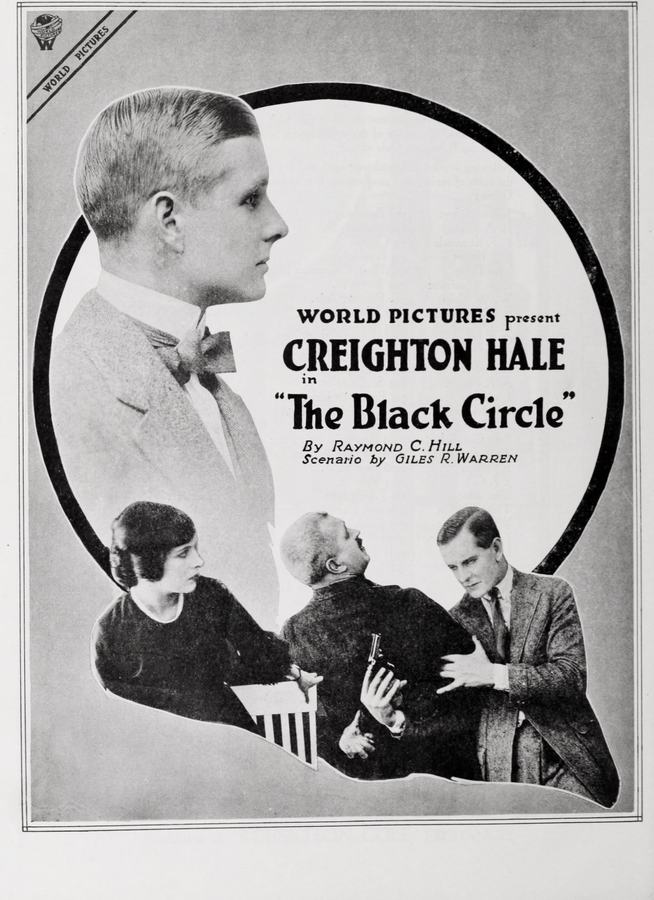
Stepping back into the nascent days of cinematic storytelling, 'The Black Circle' (1920) emerges not merely as an artifact of a bygone era, but as a surprisingly robust and prescient piece of filmmaking. It’s a work that, despite its silent origins, speaks volumes about the enduring allure of justice, the tenacity of truth, and the insidious nature of corruption that can fester even in the most ostensibly tranquil corners of American life. This isn't just a film; it's a window into the societal anxieties and moral compass of a generation grappling with the aftermath of war and the burgeoning complexities of a modernizing nation. The narrative, rich with intrigue and moral conviction, unfolds with a deliberate pace that allows its themes to marinate, inviting the audience to become active participants in its unraveling mystery.
Our journey begins in the bustling, ink-stained newsrooms of New York, a vibrant backdrop where ambition and idealism often clash with the pragmatic demands of a burgeoning media industry. Andrew MacTavish Ferguson and Lucy Baird, two reporters with a shared passion for unearthing stories, find their professional lives irrevocably altered by a seemingly innocuous trade of assignments. This seemingly minor decision precipitates a chain of events that will redefine their careers and personal destinies. Andrew’s incisive pen, wielded under Lucy’s byline, crafts an article that, with an almost prophetic irony, critiques the very political faction financially underpinning their publication. The ensuing fallout is swift and brutal: both are summarily dismissed, their metropolitan dreams abruptly curtailed. This initial setup, a poignant commentary on journalistic integrity versus corporate subservience, resonates with a surprising contemporaneity, demonstrating that the ethical dilemmas faced by the press are hardly new.
Their forced exodus from the urban sprawl leads them to Bradford, a Southern town that, on the surface, promises a simpler existence. Yet, beneath its genteel facade, Bradford harbors a deep-seated rot. Lucy's father, Daniel, a man of unwavering principles and an aspiring sheriff, offers them a lifeline – positions at his local newspaper. It’s a move that transforms their personal setback into a professional opportunity, allowing them to channel their journalistic instincts into a fight for local justice. This transition from big-city anonymity to small-town immersion is a classic narrative device, seen in countless tales of redemption and re-evaluation, where the protagonists are forced to confront the stark realities of community life and its inherent challenges.
The duo quickly discovers that Bradford’s tranquility is a carefully constructed illusion. Their investigative efforts swiftly unearth a sinister organization, the 'Black Riders,' a gang of liquor smugglers whose illicit activities extend far beyond mere bootlegging. These shadowy figures are revealed to be responsible for the brutal deaths of two local reformers, painting a chilling picture of a community held hostage by fear and corruption. This revelation injects a palpable sense of danger into the narrative, elevating the stakes from a simple journalistic endeavor to a perilous crusade for truth and justice. The 'black circles' – ominous symbols of impending doom – begin to appear, delivered to Daniel and Andrew, transforming their quest into a deeply personal battle for survival. The film masterfully uses these visual motifs to convey a sense of dread, a testament to the power of silent cinema to communicate profound fear through simple, yet effective, imagery.
The escalating threats are not confined to cryptic warnings. Daniel’s home and office are ransacked, his character mercilessly attacked in a smear campaign designed to undermine his credibility and derail his sheriff's bid. These acts of intimidation, while brutal, only steel Daniel's resolve, showcasing a protagonist whose moral compass remains unswayed by adversity. His unwavering commitment to justice, even in the face of grave personal risk, forms the moral backbone of the film. The election itself becomes a dramatic battleground, not just for political office, but for the soul of Bradford. Daniel's eventual victory is a triumph of integrity over deceit, a moment of catharsis that, for a fleeting instant, suggests that justice might indeed prevail.
Yet, the fight is far from over. The Black Riders, desperate and cornered, resort to a drastic measure: the abduction of Andrew. This act of desperation ignites Daniel’s final, decisive move, leading to the dramatic arrest of the gang. The subsequent interrogation brings forth a startling confession from the previous sheriff, Jacob Ackerman, who, now exposed as a member of the criminal enterprise, points a finger at the true mastermind: prosecuting attorney Philip Parker. This twist, a classic reveal of the 'man behind the curtain,' is executed with precision, highlighting the insidious nature of corruption that can infiltrate the very institutions designed to uphold the law. It’s a narrative turn that echoes the thematic complexity found in films like The Last Sentence, which also delves into the moral ambiguities within the legal system, questioning who truly serves justice.
The arrival of Andrew’s Aunt Janet provides the crucial, final piece of the puzzle. Her recognition of Parker as the former president of a notoriously fraudulent mining company solidifies his villainy, exposing him not just as a local criminal, but as a man with a history of deception and avarice. Aunt Janet, with her shrewd observations and worldly wisdom, serves as a deus ex machina, providing the external validation needed to dismantle Parker’s carefully constructed facade. Her presence also introduces a touch of familial warmth and pragmatic counsel, ultimately nudging Andrew and Lucy towards a marital union, a hopeful resolution to their shared ordeal. This blend of thrilling investigation and personal blossoming gives the film a well-rounded feel, transcending mere genre conventions.
The performances in 'The Black Circle' are, by necessity, broad yet nuanced. Creighton Hale, as Andrew, embodies the earnest, intrepid reporter, his expressions conveying a potent mix of journalistic zeal and burgeoning romantic affection. Eva Gordon’s Lucy is equally compelling, a woman of intelligence and courage who stands as Andrew’s equal in their pursuit of truth. Their dynamic is a refreshing portrayal of partnership, far removed from the more passive female roles often seen in early cinema. The supporting cast, including Clarette Clare, Edwin Denison, and Adolph Milar, delivers performances that, while constrained by the conventions of silent acting, effectively communicate their characters' motivations and emotions. The villainous turn by John Davidson as Parker is particularly chilling, his subtle shifts in demeanor betraying the sinister intellect beneath a respectable veneer.
Director Giles Warren, working from a script co-written with Raymond C. Hill, demonstrates a keen understanding of visual storytelling. The pacing, though deliberate by modern standards, is consistently engaging, building suspense through well-composed shots and effective use of intertitles. The film manages to maintain a taut atmosphere, particularly during the scenes involving the Black Riders’ threats and the ransacking of Daniel’s property. The use of shadows and light to convey menace and mystery is particularly noteworthy, a hallmark of early cinematic craftsmanship that relies heavily on visual cues to evoke emotional responses. While not as overtly adventurous as serials like Pauline, 'The Black Circle' still manages to deliver its thrills through a more grounded, yet equally effective, narrative of danger and discovery.
'The Black Circle' is, at its heart, a powerful ode to journalistic integrity. Andrew and Lucy’s initial firing sets the stage for a narrative that champions the press as a vital watchdog, capable of exposing corruption and holding power accountable, even when faced with significant personal and professional risks. The film’s exploration of small-town corruption is particularly potent, suggesting that evil is not confined to urban metropolises but can permeate any community, especially when left unchecked by vigilant citizens and a free press. Daniel’s unwavering commitment to his community, even under duress, further reinforces the idea that moral courage can inspire significant change.
The film also subtly touches upon the evolving role of women in society. Lucy Baird is not merely a damsel in distress; she is an active participant in the investigation, a capable journalist whose intellect and bravery are instrumental to the plot’s progression. Her character, alongside Aunt Janet’s shrewdness, presents a nuanced view of female agency that, while perhaps not revolutionary, certainly pushes against some of the more restrictive portrayals common in the era. This progressive element, though understated, adds another layer of depth to a film that could otherwise be seen as a straightforward crime thriller. The thematic resonance of battling hidden evils, much like the societal critique found in films such as Hypocrites, showcases a cinematic tradition of using narrative to comment on broader social issues.
In its entirety, 'The Black Circle' stands as a compelling testament to the power of early cinema. It’s a film that, despite the technological limitations of its time, manages to weave a complex tapestry of crime, courage, and romance. Its intricate plot, well-developed characters, and strong moral core ensure its enduring appeal. For enthusiasts of silent film, or indeed anyone interested in the evolution of the mystery genre, this picture offers a fascinating glimpse into the foundations of narrative filmmaking. It's a reminder that compelling stories, told with conviction and creativity, transcend the boundaries of sound and time. The film’s ability to evoke genuine tension and provide satisfying resolutions, without relying on dialogue, speaks volumes about the universal language of visual storytelling. It’s a narrative that, even a century later, continues to resonate, demonstrating that the fight for justice and the pursuit of truth are timeless human endeavors.
While it might lack the grand spectacle of some contemporary productions, its strength lies in its meticulous plotting and character development. The film’s exploration of the hidden dangers within seemingly idyllic settings, and the courage required to confront them, remains profoundly relevant. It reminds us that the black circles of corruption can appear anywhere, and it is through the vigilance of individuals like Andrew, Lucy, and Daniel that such shadows are ultimately dispelled. Its legacy is not just in its historical value, but in its timeless depiction of the struggle between light and darkness, a struggle that continues to captivate audiences across generations and technological divides.
IMDb 7.2
1930
Community
Log in to comment.