DbcultAccessing Vault...
Cult Review
Senior Film Conservator
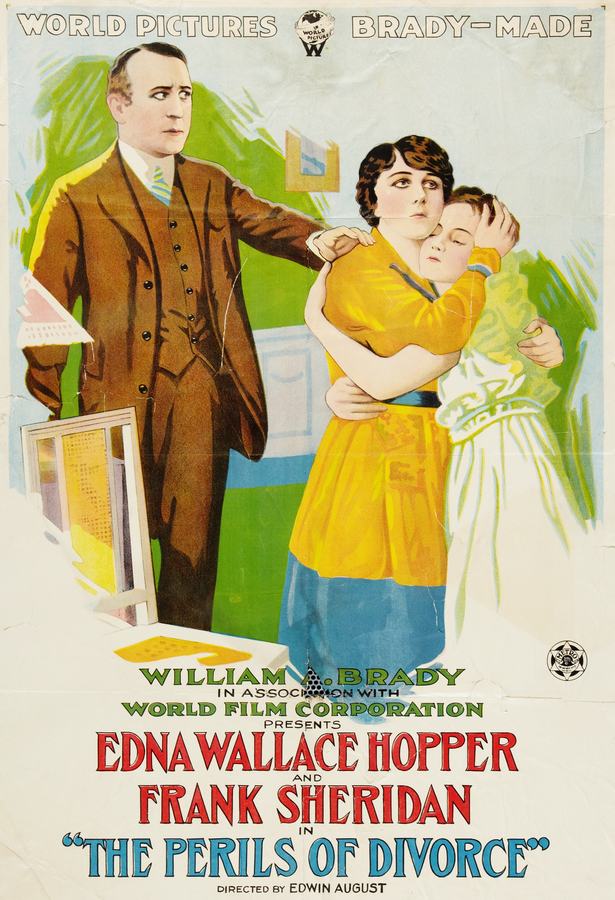
The flickering shadows of early cinema often served as a potent mirror to the societal anxieties and moral quandaries of their time. Among these cinematic reflections, The Perils of Divorce, a 1917 silent drama, emerges as a particularly poignant and incisive examination of marital fragility, the destructive force of jealousy, and the arduous path to redemption. Directed with a keen eye for human frailty and written with a palpable understanding of emotional turmoil by Maie B. Havey and Rachel Crothers, this film transcends its period trappings to deliver a narrative that, despite its century-old vintage, resonates with an almost unsettling contemporary relevance. It's a testament to the enduring nature of human emotion and the timeless appeal of a well-spun tale of love lost and found, of betrayal and eventual forgiveness.
At its core, The Perils of Divorce paints a vivid, if tragic, portrait of a seemingly robust marriage, that of Constance and John Graham. Their union, a May-December romance, had already faced the skeptical gazes of a society often quick to judge unconventional pairings. Yet, for a few years, they had defied the cynics, building a life that appeared to be a bastion of contentment. John, portrayed with a certain earnest naiveté by Alec B. Francis, embodies the well-meaning patriarch, perhaps a little too trusting, a little too easily swayed. Constance, brought to life with understated grace by Zoe Gregory, is the picture of domestic virtue, a woman whose world revolves around her husband and their daughter, Geraldine.
However, the serenity of their existence is but a prelude to an escalating storm, stirred by the malevolent presence of Alice Lorraine. Macey Harlam, in her portrayal of Alice, crafts a character of chilling composure and ruthless determination. Alice is not merely a jilted lover; she is a force of nature, driven by a potent cocktail of unrequited affection and vengeful spite. Her singular objective is to dismantle the happiness she believes was unjustly denied to her. The film meticulously details her cunning, her calculated steps to sow discord, and her insidious ability to exploit John's vulnerabilities. This narrative thread, focusing on the external threat to a couple's bond, finds echoes in other dramas of the era, such as The Man of Shame, which often explored how external pressures and moral failings could corrode personal relationships.
Alice's strategy is a masterpiece of psychological manipulation. She doesn't resort to overt confrontation but rather to subtle, corrosive insinuation. Her target is John's trust in Constance, and her weapon is a fabricated affair with Mason Tegars. The film, through its visual storytelling, communicates the creeping doubt and suspicion that Alice expertly cultivates in John's mind. It's a slow burn of emotional poisoning, culminating in a devastating accusation. The ease with which John succumbs to Alice’s deception, despite years of apparent marital bliss, serves as a stark commentary on the inherent fragility of trust, particularly when confronted with a determined, vindictive force. This aspect of the narrative highlights the societal anxieties surrounding fidelity and the destructive power of gossip and deceit, themes also explored in films like A Soul Enslaved, where characters often grapple with the consequences of reputation and moral compromise.
The immediate aftermath of John's decision to divorce Constance is swift and brutal, particularly for Constance. In the early 20th century, divorce, especially for women, often carried a severe social stigma and economic ruin. Constance's descent into the world of a Chinatown cabaret dancer is depicted with a stark realism that underscores the precarious position of women stripped of their marital and social protections. Zoe Gregory conveys Constance's heartbreak and resilience without resorting to melodrama, making her struggle profoundly empathetic. Her plight is not merely personal; it is emblematic of the broader societal injustices faced by women in similar circumstances, a theme that resonates across various silent era dramas concerning women's independence and societal constraints.
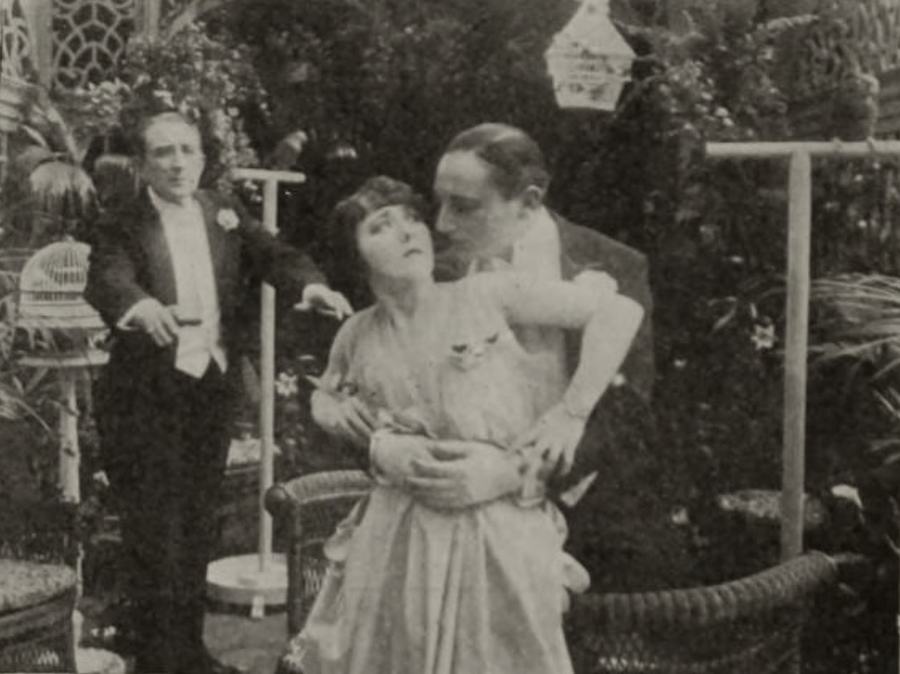
With Constance cast aside, Alice achieves her immediate goal: she marries John. Yet, the film masterfully portrays this victory as utterly hollow. Macey Harlam's Alice, having secured her 'prize,' reveals the emptiness of her triumph. Her revenge, once achieved, offers no lasting satisfaction. This is perhaps one of the film's most astute psychological observations: that malice, once unleashed, often consumes the perpetrator as much as the victim. The dramatic revelation, delivered through Alice's explanatory letter to John, is a classic narrative device, allowing the audience to witness the full scope of her cold-blooded manipulation and her subsequent departure with another man. It’s a moment designed to elicit both shock and a degree of grim satisfaction, as the villain, having completed her destructive arc, exits the stage, leaving behind a trail of devastation.
The writing by Maie B. Havey and Rachel Crothers is particularly commendable for its tight pacing and character development, especially considering the constraints of the silent film medium. They manage to convey complex motivations and emotional shifts primarily through action and expression, a true art form. The narrative doesn't dwell excessively on John's immediate regret but rather focuses on the aftermath, the broken pieces of a family. This allows the audience to feel the weight of his realization and the slow dawning of his profound error. The film, in this sense, explores the consequences of hasty judgments and the pain of irreparable decisions, themes that resonate with other moral dramas of the period like Saving the Family Name.
The true heart of the film, and its ultimate redemptive arc, lies with Geraldine, the daughter of John and Constance. Portrayed by the expressive Joan Morgan, Geraldine is not a passive victim of her parents' marital strife but an active agent of change. It is her innocent yet determined spirit that drives the narrative towards its hopeful conclusion. Children in silent films often served as moral compasses or catalysts for resolution, and Geraldine perfectly embodies this role. Her actions underscore the profound impact parental conflict has on children and their innate desire for familial wholeness. This aspect adds a layer of tender humanity to an otherwise bleak narrative, transforming it from a mere tale of woe into a story of enduring hope.
The scene where Geraldine arranges the meeting between her estranged parents is charged with emotional tension. It's a quiet, understated moment that speaks volumes. The reconciliation isn't a sudden, miraculous event but a tentative, earned reconnection, built on the foundation of shared pain and the undeniable bond of family. The film understands that some wounds, though they may heal, leave scars, and that forgiveness is often a process rather than a single act. This nuanced approach to resolution elevates the film beyond simple melodrama, making its ending feel genuinely poignant and earned. This theme of a child's pivotal role in family reconciliation can also be observed in other period pieces focusing on domestic drama and societal expectations, though perhaps with different narrative catalysts.
The strength of The Perils of Divorce lies significantly in the compelling performances of its cast, who, without the benefit of spoken dialogue, convey a rich tapestry of human emotion. Zoe Gregory, as Constance, is particularly captivating. Her transformation from contented wife to downtrodden dancer and then to a woman finding her quiet strength is conveyed through subtle shifts in posture, gaze, and gesture. She avoids the theatrical excesses sometimes associated with silent film acting, grounding Constance in a relatable vulnerability and resilience. Her eyes, in particular, become windows to her soul, reflecting both her profound sorrow and her enduring hope.
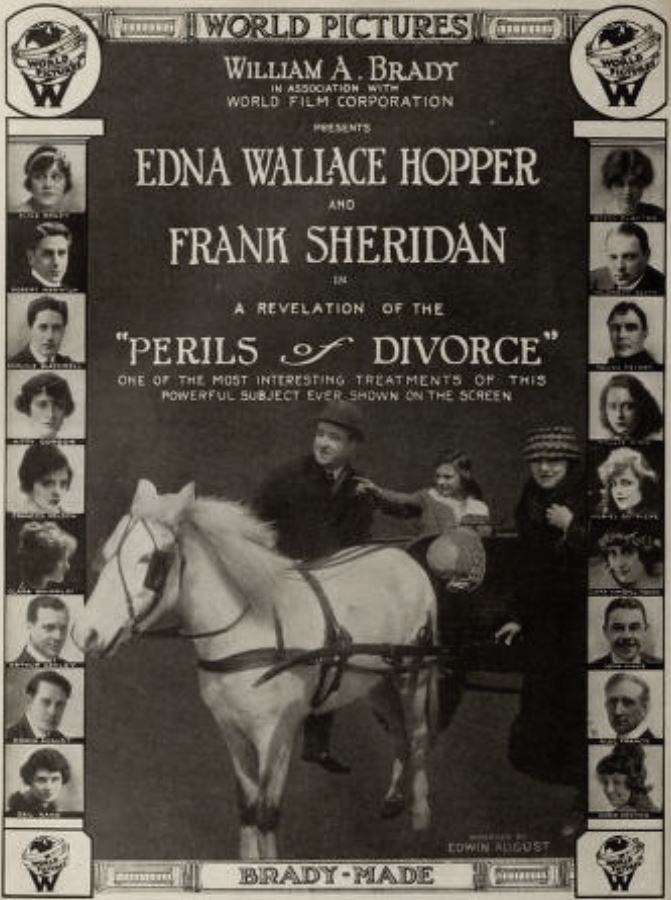
Macey Harlam's Alice Lorraine is a masterclass in villainy. Her expressions are often deceptively placid, making her moments of malicious intent all the more chilling. She doesn't need to snarl or gesticulate wildly; a sly glance, a subtle smirk, or a cold, unblinking stare is enough to communicate the depth of her vindictiveness. This restrained yet potent portrayal ensures that Alice remains a formidable and memorable antagonist. The dynamic between Gregory's quiet suffering and Harlam's icy malevolence creates a powerful dramatic tension that propels the narrative forward.
Alec B. Francis, as John Graham, effectively conveys the character's initial contentment, his susceptibility to manipulation, and his eventual remorse. His performance, while perhaps less flamboyant than Harlam's, is crucial in anchoring the film's emotional core. We witness his descent into suspicion and his slow, painful realization of his grave error, a journey that elicits both frustration and empathy from the audience. The supporting cast, including Joan Morgan as the pivotal Geraldine, Ruby Hoffman, Edna Wallace Hopper, and Frank Sheridan, all contribute solid performances that flesh out the world of the film, adding depth and credibility to the unfolding drama.
From a technical standpoint, The Perils of Divorce exemplifies the burgeoning sophistication of silent film storytelling. The cinematography, while perhaps not groundbreaking for its era, is effective in establishing mood and guiding the viewer's eye. Close-ups are used judiciously to emphasize emotional states, particularly in the scenes involving Alice's scheming and Constance's despair. The editing maintains a steady pace, allowing the drama to unfold naturally while ensuring the audience remains engaged with the escalating stakes. Intertitles are used sparingly but effectively, providing necessary exposition without bogging down the visual narrative.
The film's enduring legacy lies in its capacity to transcend the limitations of its medium and era. It tackles themes that remain perennially relevant: the vulnerability of relationships to external forces, the corrosive nature of jealousy, the devastating consequences of deceit, and the power of forgiveness and familial bonds. While the specific social context of divorce in 1917 might differ from today, the emotional landscape depicted in the film is remarkably timeless. The silent film era, often dismissed by casual viewers, produced works of profound emotional depth and narrative complexity, and The Perils of Divorce stands as a compelling example of this artistry.
In an age where cinematic escapism often prioritizes spectacle, revisiting a film like The Perils of Divorce offers a refreshing reminder of the power of character-driven storytelling. It’s a drama that asks its audience to engage not with explosions or elaborate visual effects, but with the quiet turmoil of human hearts, the intricate dance of betrayal and reconciliation. It’s a powerful narrative that reminds us that the greatest dramas often unfold within the confines of our own lives, within the delicate balance of trust and the devastating potential of its breach. For those interested in the evolution of storytelling, the social commentary embedded in early cinema, or simply a gripping human drama, The Perils of Divorce is an essential viewing experience, a true gem from the archives of film history. Its stark portrayal of human nature, both its darkest impulses and its capacity for profound love and forgiveness, ensures its place as a compelling and thought-provoking piece of cinematic heritage.
The writers, Maie B. Havey and Rachel Crothers, deserve particular commendation for crafting a narrative that, while adhering to the dramatic conventions of the time, still feels fresh and impactful. Their understanding of human psychology is evident in every turn of the plot, every character's motivation. They don't shy away from the harsh realities of their story, yet they also weave in threads of hope and the possibility of redemption. This balance is what truly elevates The Perils of Divorce from a mere period piece to a timeless exploration of the human condition. It stands as a testament to the enduring power of storytelling, capable of eliciting strong emotions and sparking contemplation, even a century after its initial release. It is a film that, much like its title suggests, delves into the profound 'perils' not just of divorce itself, but of the deceit, jealousy, and misjudgment that can lead to such a devastating outcome, ultimately reminding us of the enduring strength of familial bonds and the quiet triumph of forgiveness.
IMDb 6.4
1936
Community
Log in to comment.