DbcultAccessing Vault...
6/10
Senior Film Conservator
A definitive 6/10 rating for a film that redefined the boundaries of cult cinema. The Black Secret remains a cornerstone of transgressive art.
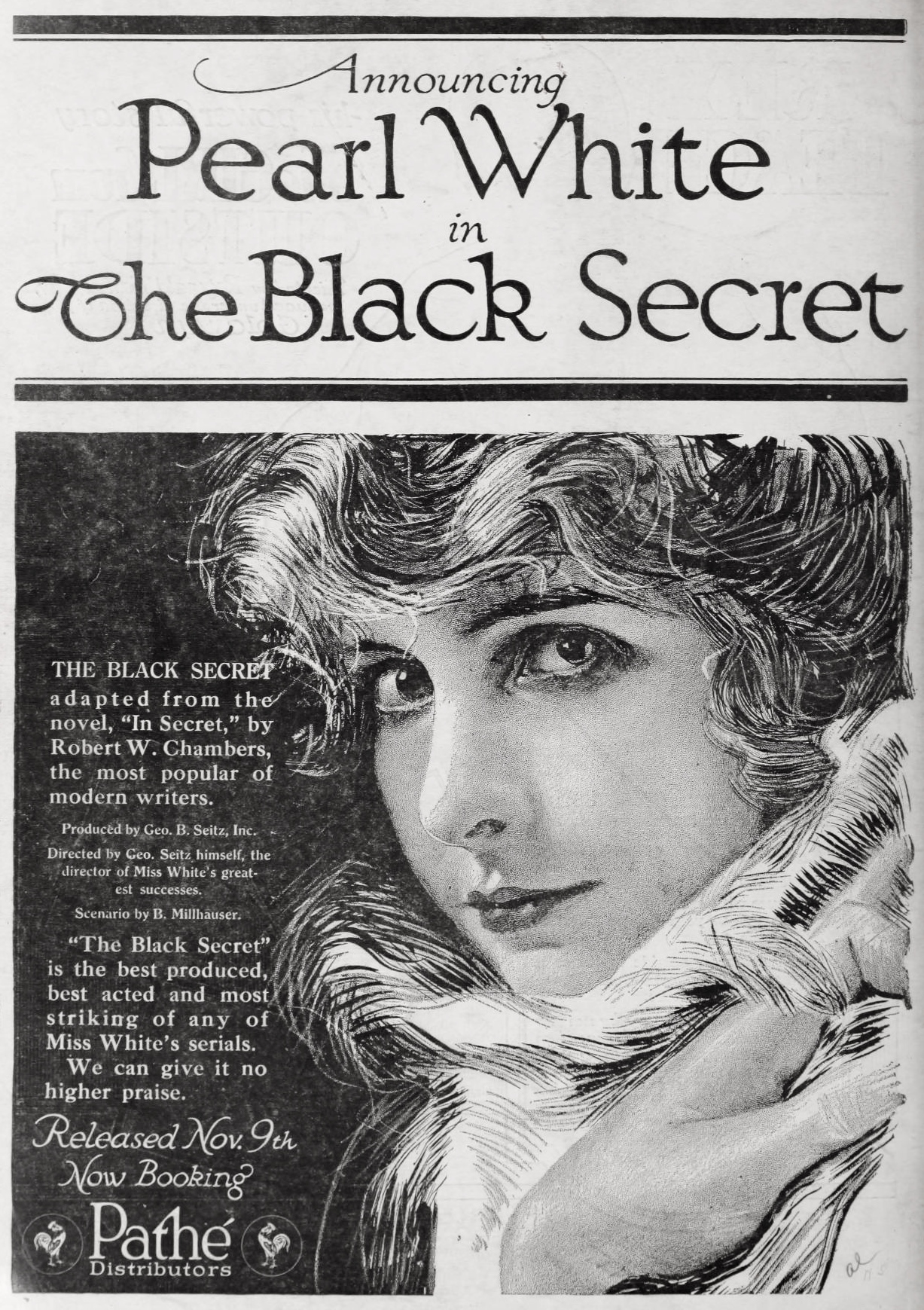
To discuss The Black Secret is to engage in a form of cinematic séances. Released in 1919 by Pathé Exchange, this fifteen-chapter serial didn't just entertain; it capitalized on the raw, bleeding nerves of a post-war America. Pearl White, the undisputed sovereign of the cliffhanger, stepped away from the more whimsical peril of her earlier work to embrace a narrative steeped in the grim realities of the Great War. Yet, the tragedy of this film is not found in its plot, but in its physical existence. We are left with mere seconds—two minutes of flickering, ghost-like imagery that serves as a tombstone for a fifteen-hour epic. This review, therefore, is an autopsy of an absence, an exploration of what it meant for a film to capture the zeitgeist and then disappear almost entirely from the human record.
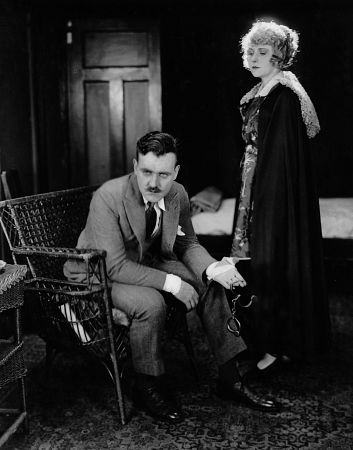
In the surviving fragments, Pearl White exhibits a physicality that was revolutionary for 1919. Unlike the delicate vulnerability seen in The Light Within, White’s Evelyn Pantard is a kinetic force. She is an agent of action, a precursor to the modern action hero who navigates the wreckage of war with a stoicism that must have resonated deeply with audiences who had just seen their brothers and sons return from the front. The collaboration between director George B. Seitz and White was a symbiotic masterclass in pacing. Seitz, who also appeared in the film alongside Henry G. Sell, understood that the serial format demanded a relentless forward momentum. In The Black Secret, this momentum was fueled by the high-stakes espionage of the German spy machine, a theme that felt far more immediate and dangerous than the domestic tensions found in The Trap.

The narrative architecture of The Black Secret was the brainchild of Bertram Millhauser and Robert W. Chambers. Chambers, often remembered for his weird fiction like The King in Yellow, brought a certain atmospheric dread to the proceedings. While The Winning Girl offered a sunny, optimistic view of the era, Chambers and Millhauser leaned into the paranoia of the 'Black Secret' itself. What was it? Historical records suggest it was a document involving Evelyn's father and a betrayal that could have altered the course of the war. This focus on deep-seated conspiracy sets it apart from the more straightforward melodrama of Wedlock or the rural simplicity of The Clodhopper. The serial was a bridge between the Victorian sensational novel and the modern political thriller.
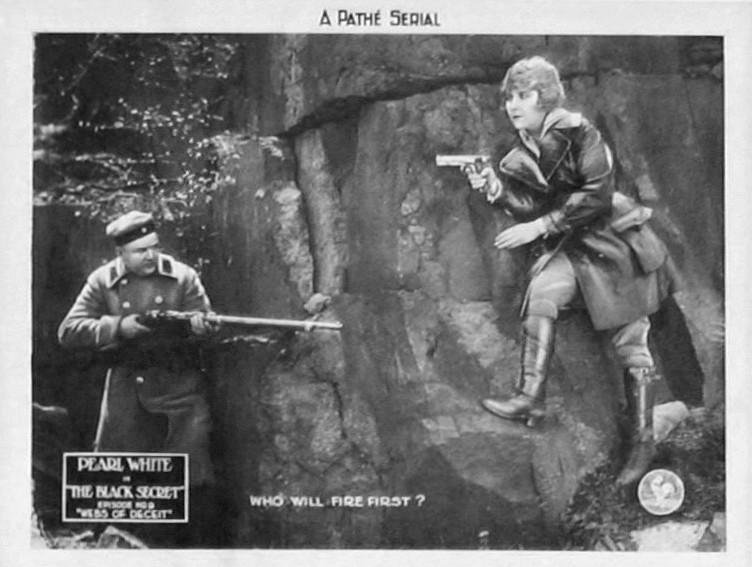
The two minutes that remain of The Black Secret are a masterclass in silent era composition. Even through the heavy grain and the 'snow' of nitrate decay, one can see the sophisticated use of depth. Unlike the static staginess of For sin Dreng, Seitz’s camera in The Black Secret feels remarkably mobile. There is a sequence—fleeting and damaged—where the play of light and shadow suggests a tension that rivals the best work in Inside the Lines. The actors, including the underrated Marjorie Milton and Wallace McCutcheon Jr., don't just 'act'; they inhabit a space that feels lived-in and precarious. McCutcheon, who had actually served in the war, likely brought a grim verisimilitude to the production that most actors of the time lacked.
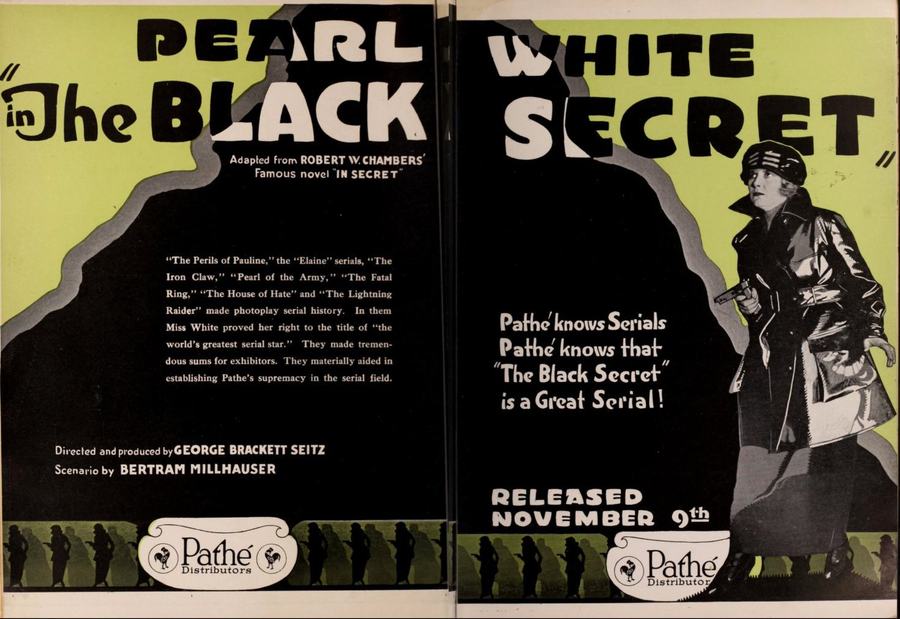
Technically, the film was a product of the Pathé Exchange's high production standards. The tinting and toning—likely lost in the surviving black-and-white fragments—would have added an emotional layer to the viewing experience. Night scenes in deep cobalt, explosions in searing amber; these were the visual cues that guided the audience's heartstrings. When we compare this to the visual restraint of The Amazing Adventure, it becomes clear that The Black Secret was designed as a sensory assault. The use of location shooting, a hallmark of Seitz’s direction, gave the film a scale that surpassed the studio-bound dramas like Silks and Satins or the romanticized history of Barbara Frietchie.
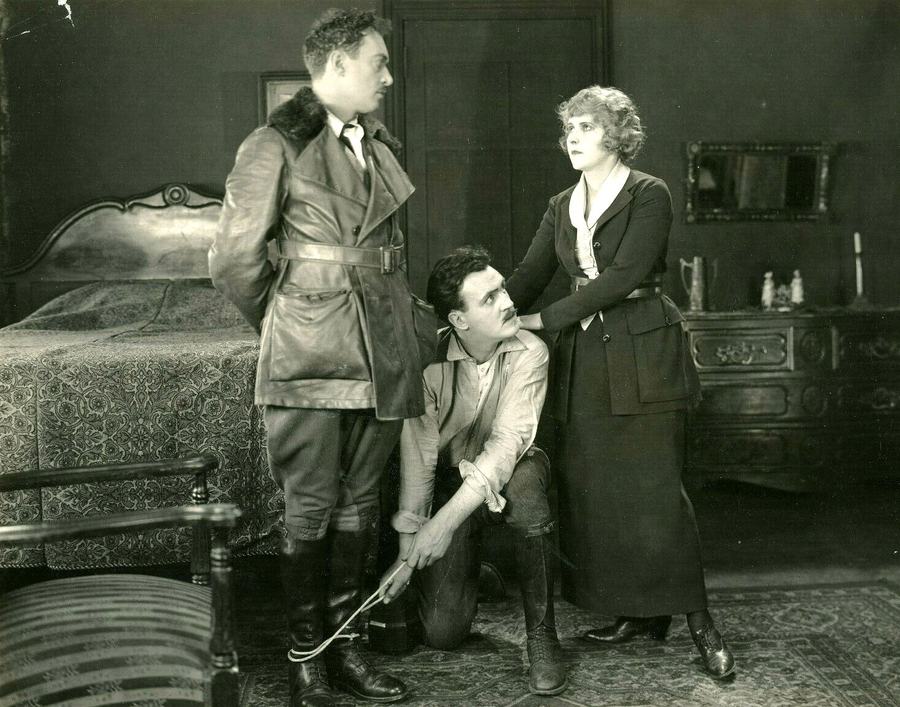
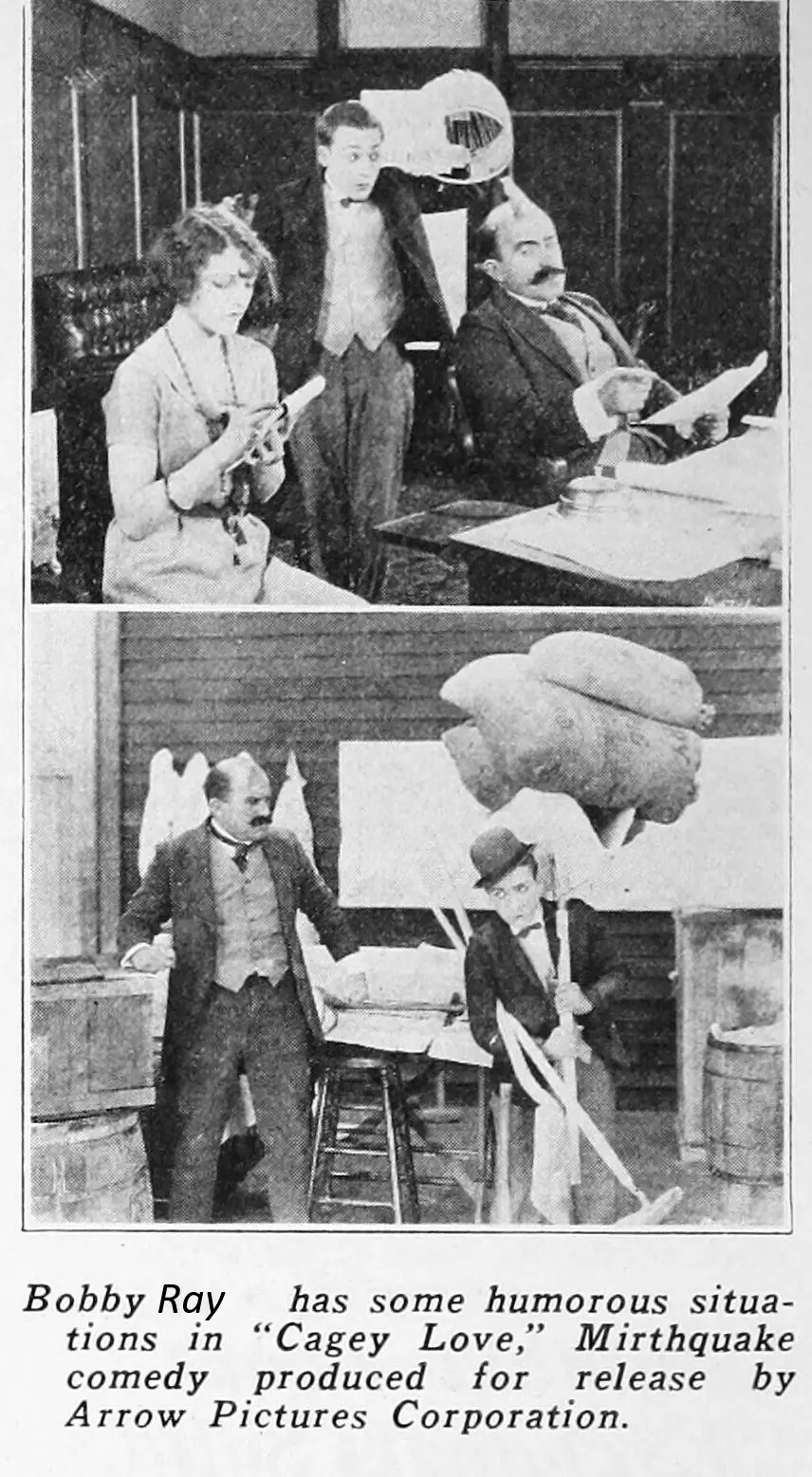
There is a profound melancholy in reviewing a film that no longer exists in its entirety. It forces the critic to look at the surrounding context—the trade reviews of 1919, the promotional stills, and the careers of those involved. Henry G. Sell, who often played the hero to White’s heroine, shows a rugged charm in the snippets we have, a stark contrast to the more polished personas found in Reggie Mixes In. The film’s disappearance is a reminder of the fragility of our cultural heritage. While films like The Adventures of Buffalo Bill survive as historical curiosities, The Black Secret was a peak example of popular art that has been swallowed by the very time it sought to document.
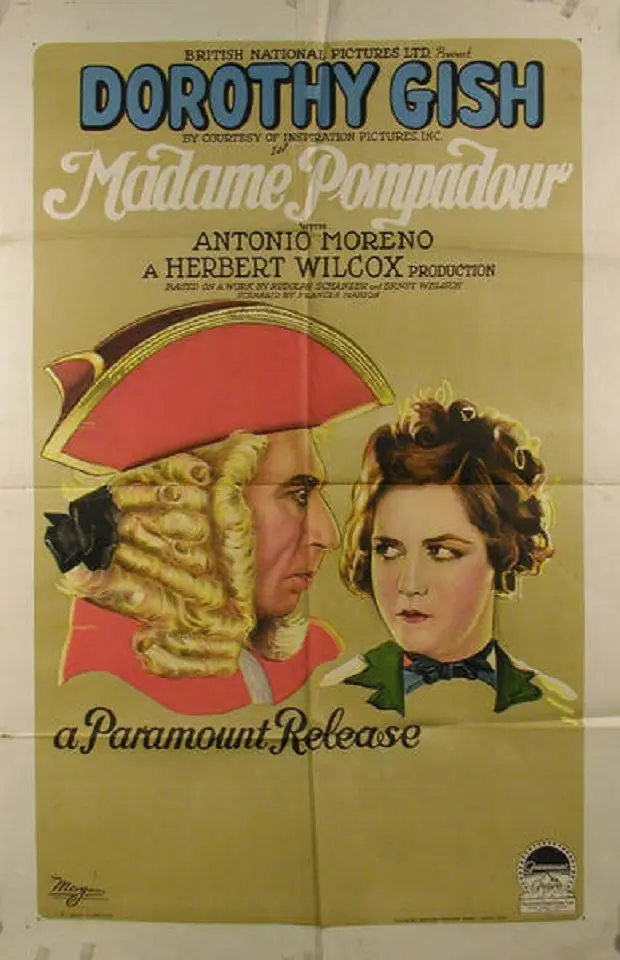
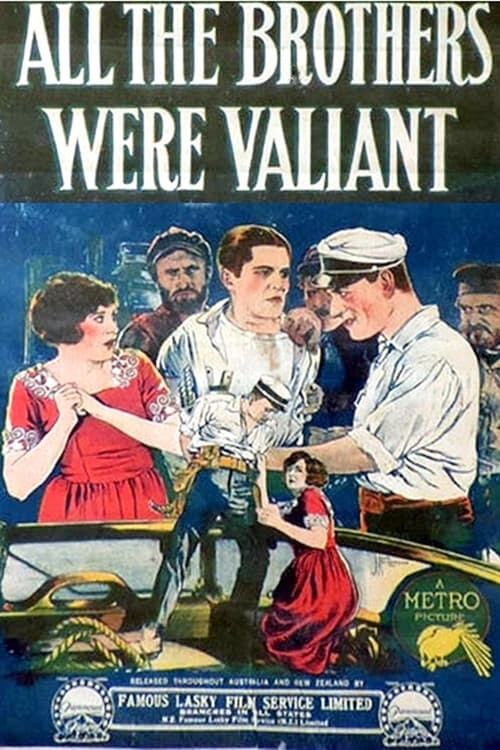
When placed alongside its contemporaries, the film's unique position becomes even more apparent. It lacked the whimsical charm of Gretna Green and the moralizing weight of The Dawn of Understanding. Instead, it shared a spiritual kinship with The Edge of the Abyss, exploring the darker corners of human motivation during times of crisis. The 'Secret' of the title was not just a plot point; it was a metaphor for the hidden traumas of the era. Pearl White’s character, Evelyn, was the vessel through which the audience could process these traumas, making her more than just a 'stunt queen'—she was a wartime icon of resilience.
Ultimately, The Black Secret represents a pivotal moment in film history where the serial evolved into a sophisticated narrative form. The fragments we possess are tantalizing because they hint at a level of craft that was often overlooked in the 'disposable' serial market. The chemistry between Sell and White, the sharp writing of Millhauser, and the ambitious direction of Seitz created something that was clearly intended to be more than just a weekly distraction. It was a reflection of a world in flux, a world that was trying to keep its own 'black secrets' buried even as it moved toward a new decade. To watch the surviving two minutes is to feel the heartbeat of 1919—a heartbeat that is faint, but unmistakably there, pulsing through the silver salts and the decaying celluloid.
We may never see the remaining 28,000 feet of film, but the legend of The Black Secret remains intact. It stands as a testament to Pearl White’s enduring power and the sheer ambition of early silent cinema. In the silence of its loss, the film speaks volumes about the era that birthed it and the medium that failed to preserve it. It is a masterpiece of the imagination, reconstructed in the minds of historians and cinephiles who refuse to let the Queen of the Serials be forgotten. Every scratch on those surviving frames is a scar of history, making the two-minute fragment not just a movie, but a relic of a lost civilization.
IMDb 5.9
1935
Community
Log in to comment.