DbcultAccessing Vault...
3.9/10
Senior Film Conservator
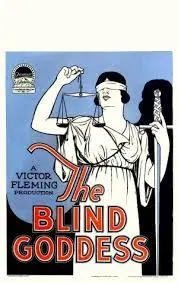
A definitive 3.9/10 rating for a film that redefined the boundaries of cult cinema. The Blind Goddess remains a cornerstone of transgressive art.
Does "The Blind Goddess" hold up in today's rapid-fire cinematic landscape? Short answer: yes, but with significant caveats that demand a particular kind of viewer. This silent-era legal drama offers a fascinating, if sometimes ponderous, look into early 20th-century morality and courtroom theatrics, making it a compelling watch for those with an appreciation for film history and nuanced character studies.
This film is undoubtedly for enthusiasts of silent cinema, legal dramas, and anyone interested in the evolution of storytelling on screen. Its deliberate pacing and reliance on visual narrative will likely deter viewers accustomed to modern, dialogue-heavy thrillers or those seeking immediate gratification. It’s a film that asks for patience and rewards attention to detail.
At its heart, "The Blind Goddess" is a searing exploration of integrity under immense pressure. Hugh Dillon, portrayed with earnest conviction, steps into the public prosecutor's office brimming with a youthful, almost naive, belief in absolute justice. The film wastes no time in shattering this idealism, thrusting him into a situation where his professional oath clashes directly with his deepest personal affections. It’s a classic setup, yet the film handles it with a surprising amount of gravitas for its era.
The film works because of its unflinching commitment to this central moral quandary. It doesn't shy away from the agonizing choices faced by its protagonist. The narrative builds tension not through explosions or chase sequences, but through the unbearable weight of Hugh’s internal conflict, a testament to the power of character-driven drama.
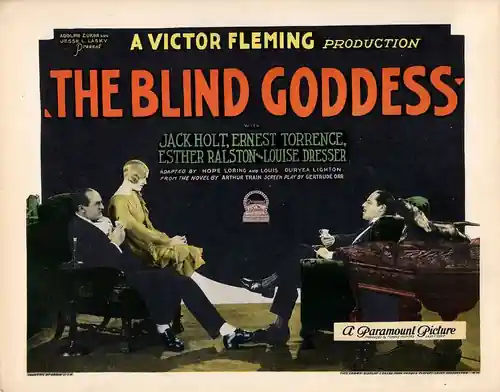
This film fails because its pacing, while deliberate, can feel glacial by contemporary standards. The silent film conventions, particularly the reliance on intertitles for exposition and emotional beats, occasionally break the immersive flow, demanding a mental adjustment that some viewers might find challenging.
You should watch it if you cherish the historical context of cinema, enjoy melodramatic narratives that hinge on ethical dilemmas, and are willing to engage with the unique storytelling rhythm of the silent era. It offers a window into the societal values and legal complexities of its time.
The narrative of "The Blind Goddess" is a carefully constructed edifice of ethical compromise. Hugh Dillon's journey from an eager, idealistic lawyer to a man grappling with a profound conflict of interest is the film's driving force. The title itself, a nod to Lady Justice and her traditional blindfold, perfectly encapsulates the core theme: can justice truly be blind when the personal stakes are so devastatingly high?
When Hugh finds himself in a position where prosecuting a case could implicate Moria Evans, the woman he loves, the film transcends a simple legal drama. It becomes a psychological study of a man torn between the unwavering tenets of his profession and the very human impulse to protect those he holds dear. This isn't just about winning a case; it's about the soul-crushing burden of making an impossible choice.
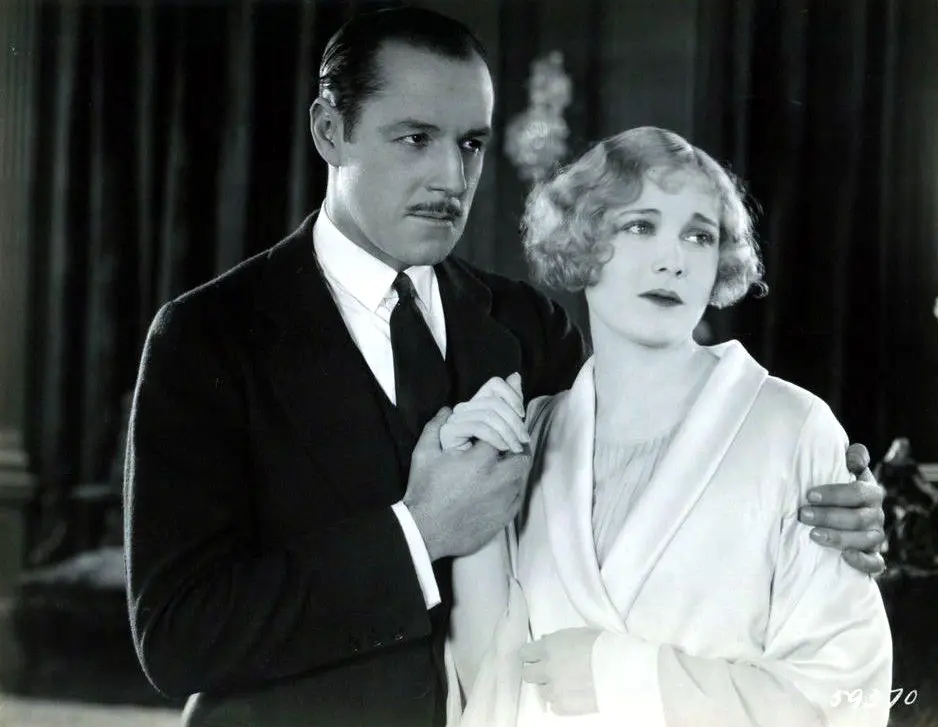
The writers, Louis D. Lighton, Hope Loring, Gertrude Orr, and Arthur Chesney Train, craft a scenario that feels genuinely high-stakes. They understand that the most potent drama often arises not from external threats, but from internal strife. Hugh's agonizing internal debates, though conveyed through expressions and intertitles, are palpable, drawing the audience into his moral labyrinth.
One particularly effective aspect is how the film illustrates the societal pressures on a public figure. Hugh's career, his reputation, and his very future are on the line. The potential for scandal and public disgrace adds another layer to his dilemma, making his choice not just personal, but profoundly public. This external pressure amplifies the internal conflict, creating a powerful, resonant narrative that still feels relevant today.
The film doesn't offer easy answers. It forces both Hugh and the audience to confront the messy, often contradictory nature of justice when it intersects with human emotion. It’s a bold stance for a film of its period, suggesting that the path of duty is rarely clean or uncomplicated.
The success of any silent film hinges largely on the expressive capabilities of its cast, and "The Blind Goddess" is no exception. The ensemble, led by Esther Ralston and Ward Crane, delivers performances that navigate the fine line between melodramatic necessity and genuine emotional depth. They speak volumes without uttering a single word, a skill that feels almost lost in modern cinema.
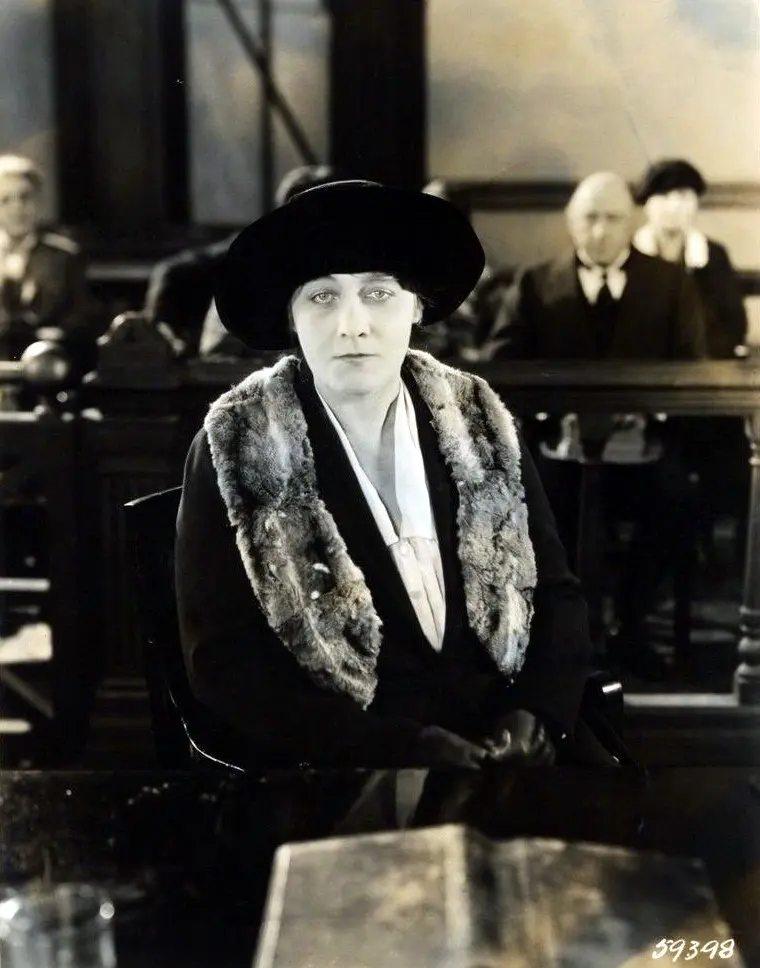
Ward Crane, as Hugh Dillon, carries the emotional weight of the film with a commendable stoicism that occasionally breaks into raw anguish. His transformation from bright-eyed idealist to a man burdened by an impossible choice is conveyed through subtle shifts in posture, the tightening of his jaw, and the haunted look in his eyes. There's a particularly poignant scene where he sits alone in his office, head in hands, a silent tableau of despair that speaks louder than any monologue could.
Esther Ralston, playing Moria Evans, brings a delicate vulnerability to her role. She embodies the innocent caught in a web of circumstance, her wide, expressive eyes conveying fear, love, and quiet desperation. Her chemistry with Crane, though understated, is believable, grounding their relationship in a tender affection that makes Hugh’s dilemma all the more agonizing. Her silent pleas are heart-wrenching, making her a sympathetic figure despite the narrative's focus on Hugh.
Perhaps the most surprising observation comes from the supporting cast, particularly Ernest Torrence. Often typecast in more overtly villainous or comedic roles, here he brings a nuanced authority that adds significant weight to the courtroom scenes. His presence, even in a silent capacity, commands attention and lends credibility to the legal proceedings, preventing them from devolving into mere spectacle. Louise Dresser, too, excels in her role, providing a gravitas that anchors the more emotional moments. The ensemble works together to create a believable, if heightened, world.
These actors master the art of conveying complex emotions through facial expressions and body language, a skill often underestimated today. They don't just act; they emote with their entire being, demanding the audience's full interpretive engagement. It’s a style that requires patience, but rewards with a profound connection to the characters' inner lives.
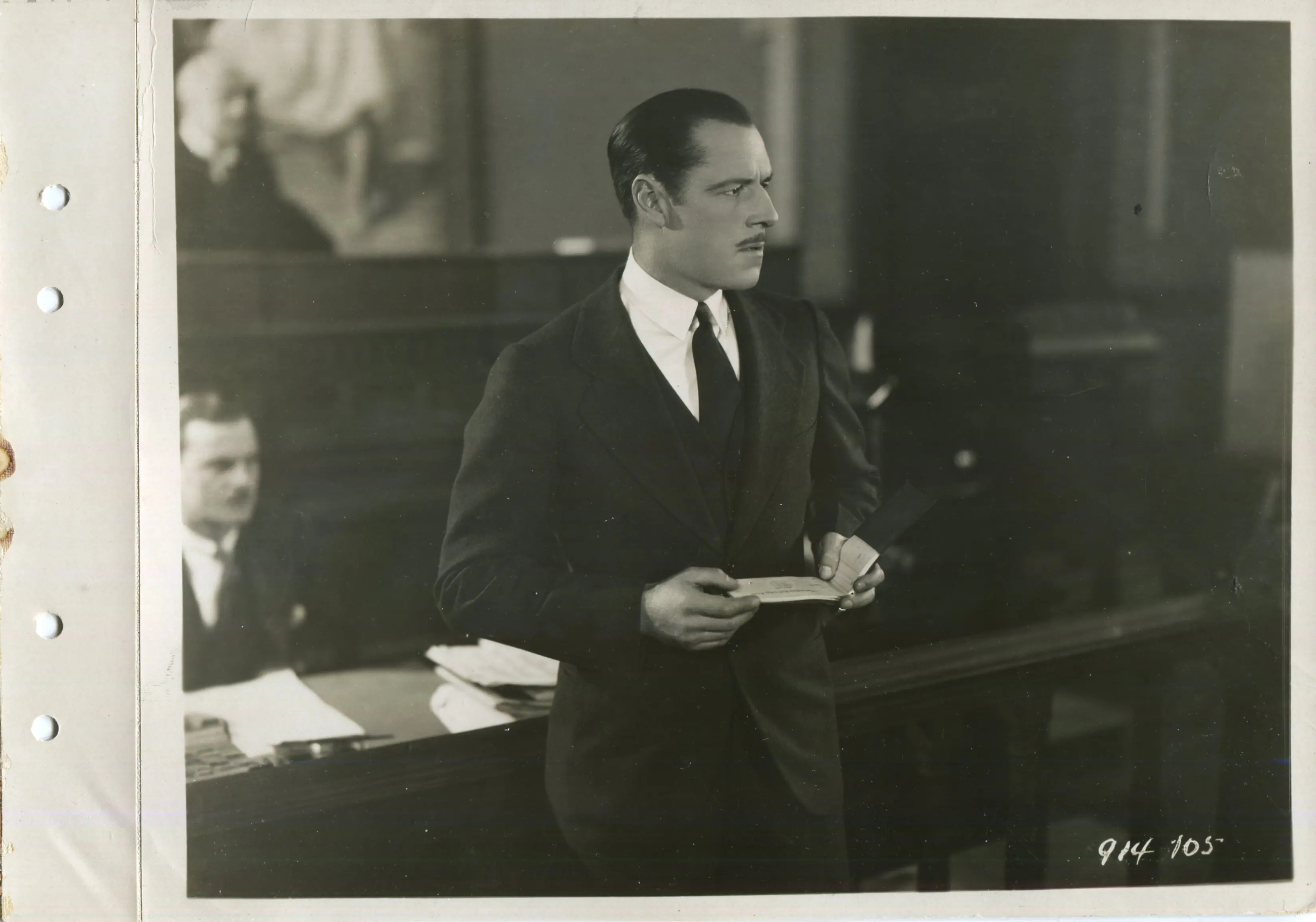
The visual language of "The Blind Goddess" is typical of its era, yet it employs effective techniques to build tension and convey its moral themes. The filmmakers understand the power of framing and lighting to enhance emotional impact, even within the technical limitations of silent cinema. The direction, while not groundbreaking, is competent and serves the story well, ensuring clarity and dramatic emphasis.
Cinematography plays a crucial role in establishing the tone. The use of stark lighting, particularly in the courtroom and Hugh's office, emphasizes the gravity of the situation. Shadows are often employed to highlight internal conflict, literally casting characters in moral darkness. For instance, close-ups on Hugh's face during key decision points are used sparingly but effectively, drawing the viewer into his turmoil. The camera doesn't just observe; it participates in the emotional journey.
Pacing is a double-edged sword here. While it contributes to the film's deliberate, thoughtful tone, it can also feel protracted. The build-up to Hugh's ultimate choice is meticulously slow, allowing the tension to simmer rather than explode. This slow burn might test modern audiences, but it's essential for the film to fully explore the weight of its ethical questions. It's a testament to a different era of storytelling, where narrative momentum was often derived from internal rather than external conflict.
The tone of the film is consistently serious and melodramatic, a hallmark of silent legal dramas. There are no moments of levity to break the tension, which can feel relentless. However, this unwavering commitment to its dramatic premise ensures that the audience remains focused on the central conflict. The filmmakers clearly aimed for a profound statement on justice and personal sacrifice, and they largely succeed in maintaining that earnest tone throughout.
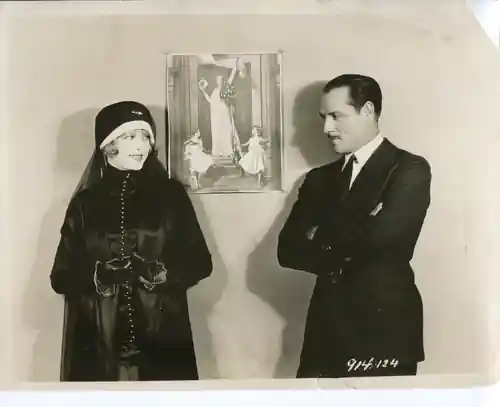
One clever visual motif is the recurring imagery of legal texts and courtrooms, often framed to feel imposing and unyielding. This visual reinforcement subtly reminds the audience of the institutional power Hugh is up against, making his individual struggle feel even more significant. It's not just a personal battle; it's a battle against an unfeeling system.
Yes, "The Blind Goddess" is absolutely worth watching today for specific audiences. It offers a unique glimpse into early legal dramas. It is a compelling example of silent-era storytelling. Fans of classic cinema will find much to appreciate. It is a valuable piece of film history. However, casual viewers might struggle with its pacing. It demands patience and an open mind.
"The Blind Goddess" is a compelling, if challenging, piece of silent cinema that resonates with themes of moral integrity and personal sacrifice. It works. But it’s flawed. While its pacing and silent film conventions may require an adjustment for modern viewers, the film's powerful central dilemma and the earnest performances from its cast make it a worthwhile watch for those willing to engage with its particular rhythm.
It's not a film that will appeal to everyone, nor should it. Its value lies in its historical context and its unwavering commitment to a difficult, human story. I believe it's a shame that many excellent silent films like this one remain largely undiscovered by general audiences, as they offer profound insights into the foundational elements of cinematic storytelling. If you have a penchant for the classics and a tolerance for melodrama, give "The Blind Goddess" your attention. You might just find yourself captivated by its quiet power and the timeless struggle at its core.
IMDb 5.6
1929
Community
Log in to comment.