DbcultAccessing Vault...
6.2/10
Senior Film Conservator
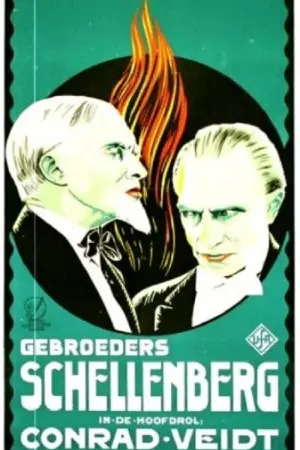
A definitive 6.2/10 rating for a film that redefined the boundaries of cult cinema. Two Brothers remains a cornerstone of transgressive art.
Does 'Two Brothers' stand the test of time, or is it merely a relic of a bygone era? Short answer: yes, but with significant caveats that demand a specific kind of viewer. This 1929 German silent drama is absolutely worth watching for cinephiles and historians keen on early narrative cinema and the social commentary prevalent in Weimar Republic films, but it will likely test the patience of those accustomed to modern pacing and storytelling conventions.
It's a film for those who appreciate the foundational elements of cinematic storytelling, character-driven melodrama, and a stark portrayal of socio-economic divides. It is not for viewers seeking fast-paced action, complex dialogue, or polished, contemporary production values. Approach it as a historical document with artistic merit, and you'll find it rewarding.
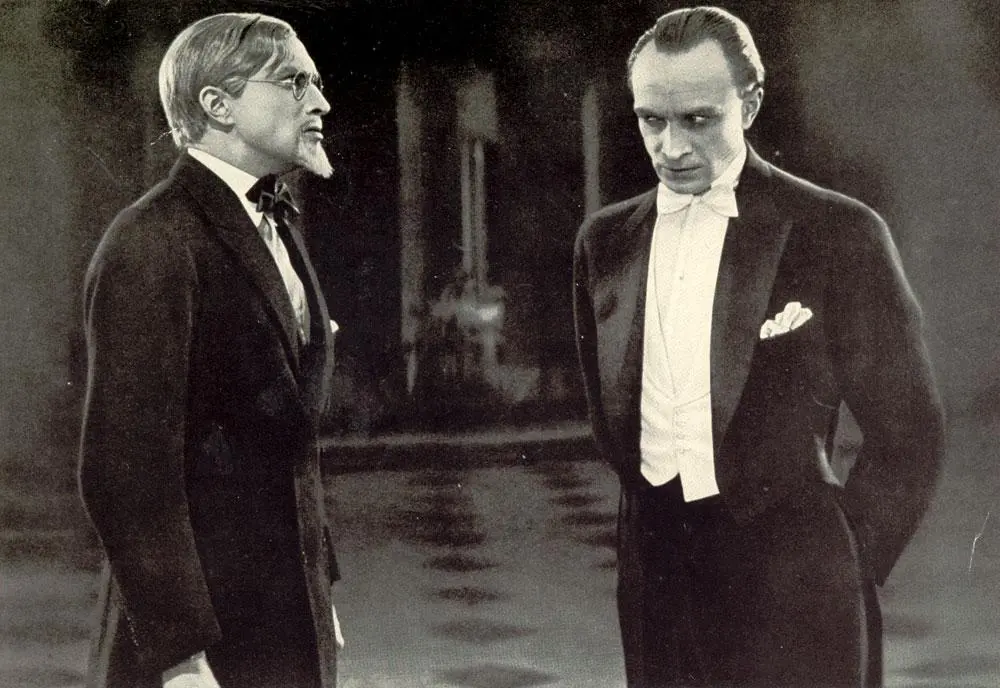
Karl Grune's 'Two Brothers,' a late-era silent film from 1929, arrives at a curious juncture in cinematic history. On the cusp of the sound era, it represents a culmination of silent storytelling techniques while simultaneously hinting at the narrative complexities that would soon dominate the screen. Co-written by Bernhard Kellermann, Karl Grune himself, and Willy Haas, the film attempts a grand narrative sweep, contrasting the fortunes and philosophies of its titular siblings in a post-industrial landscape.
The premise is deceptively simple: an industrial accident forces Wenzel (Bruno Kastner) and Michael (Erich Kaiser-Titz) to forge new lives. Wenzel, the more pragmatic, perhaps cynical, brother, dives into the speculative world of the stock market, finding rapid, if morally ambiguous, success. Michael, conversely, embodies a more altruistic spirit, dedicating his efforts to building a communal settlement for the displaced and unemployed. This initial setup promises a rich exploration of capitalism versus socialism, individual ambition versus collective good, themes that were profoundly relevant in Germany at the time and remain so today. However, the film pivots, perhaps controversially, on Wenzel's personal choices, specifically his entanglement with a femme fatale figure, Lil Dagover's character, whose presence introduces a tragic romantic element that ultimately derails the more compelling socio-economic narrative.
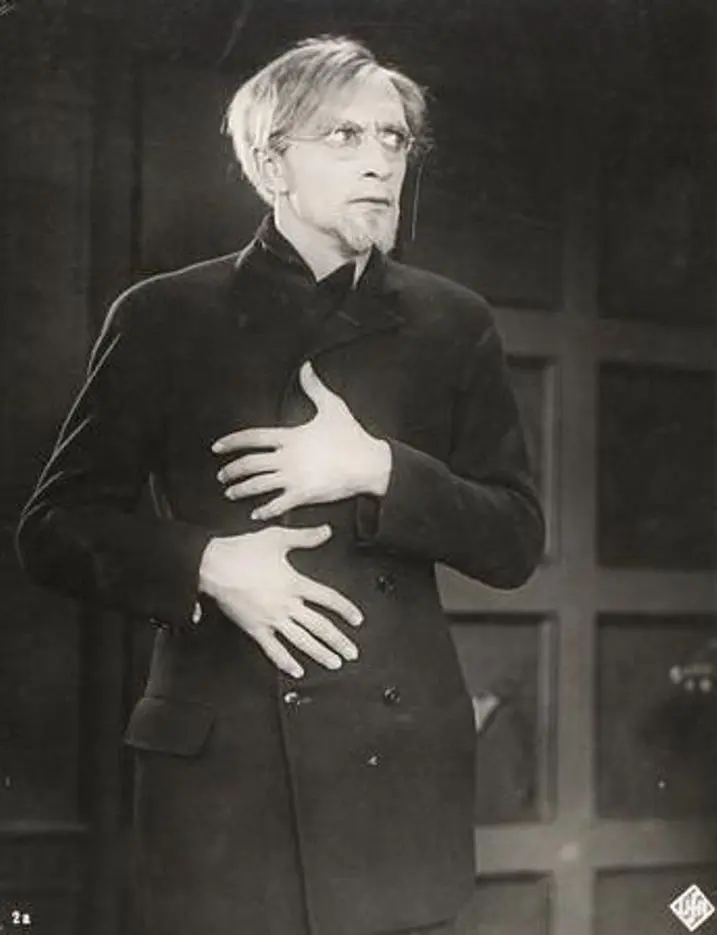
The performances in 'Two Brothers' are, as expected for the period, broad and expressive, relying heavily on gestural language and facial cues to convey emotion. Bruno Kastner as Wenzel carries the weight of the film's central tragedy. His portrayal is initially one of confident, almost arrogant, ambition. He conveys Wenzel's rise with a certain swagger, a man who believes he can conquer any challenge. However, as his personal life unravels, Kastner expertly shifts to a more tormented, desperate figure. One particularly striking moment sees him, after a pivotal financial loss, staring blankly, his once-sharp eyes now hollow, perfectly illustrating the internal collapse of his character.
Erich Kaiser-Titz, as the idealistic Michael, offers a stark contrast. His performance is imbued with a quiet dignity and unwavering resolve. Michael's scenes, often depicting him working tirelessly among the poor, constructing homes, or leading discussions, are less dramatic but possess a profound sincerity. He is the moral compass, the steady hand, and Kaiser-Titz ensures that this integrity shines through, even when the narrative pulls focus towards Wenzel's more sensational troubles. His gestures are less flamboyant, more grounded, reflecting his character's practical, community-focused nature. This dichotomy is the film's greatest strength; the actors embody their respective ideologies with conviction.
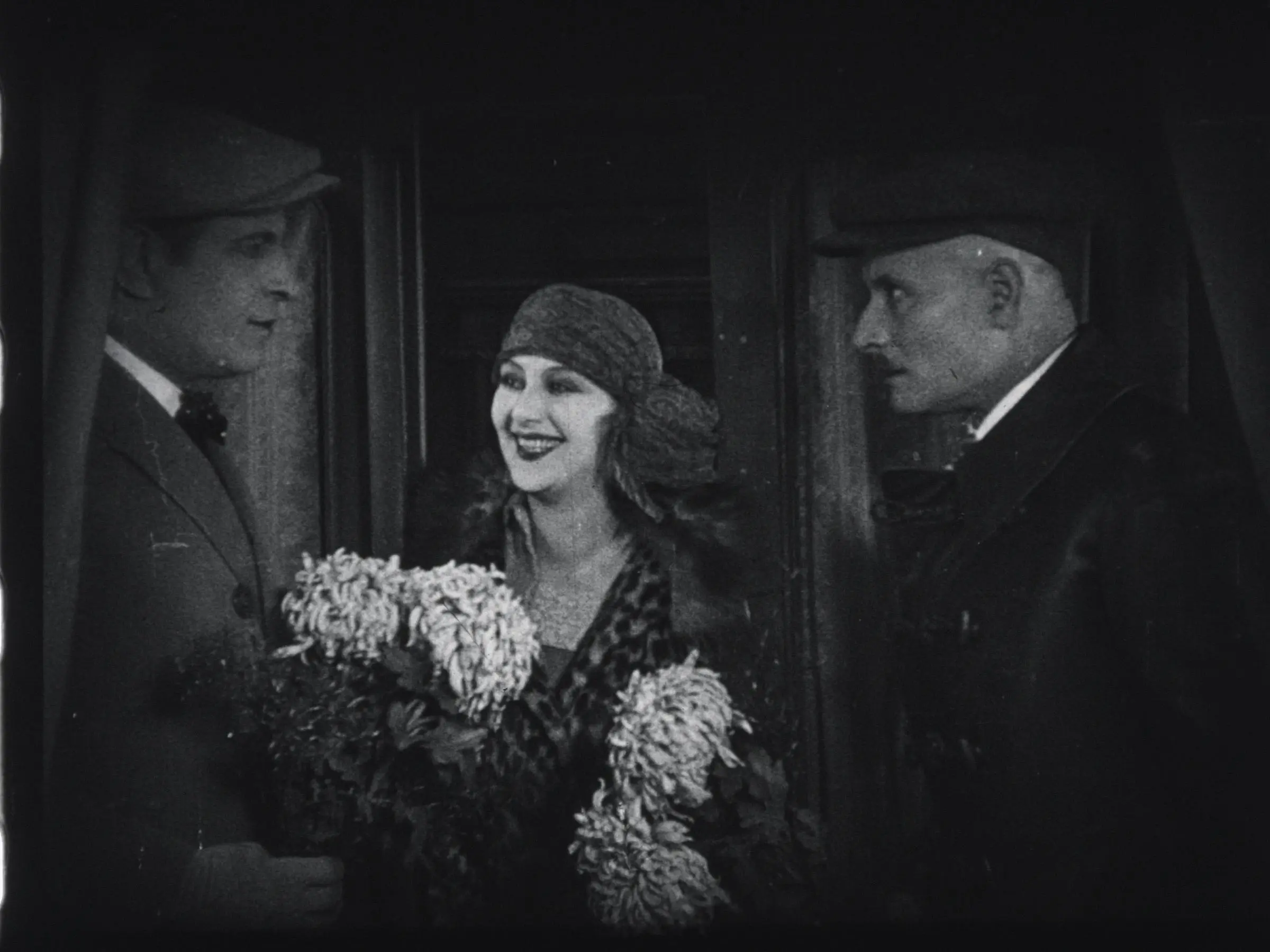
Lil Dagover, a prominent star of German cinema, is cast as the catalyst for Wenzel's downfall. Her role, while critical to the plot, feels somewhat underwritten. She embodies the classic silent film 'other woman' archetype – alluring, mysterious, and ultimately destructive. Dagover's presence is undeniably captivating, her eyes conveying a subtle danger, but the film doesn't delve deeply enough into her motivations beyond her apparent greed and manipulative tendencies. This makes her character feel more like a plot device than a fully realized individual, a missed opportunity to add psychological complexity to the tragedy. Compared to more nuanced portrayals of femme fatales in films like Les Vampires, Dagover's character, while visually compelling, lacks the same intricate depth.
Karl Grune's direction in 'Two Brothers' is competent, if not groundbreaking. He employs many of the established techniques of silent era filmmaking, relying on intertitles to convey dialogue and exposition, and using close-ups to emphasize emotional beats. The framing often highlights the stark contrast between the brothers' environments: the bustling, opulent, yet ultimately cold interiors of Wenzel's financial world versus the open, communal, but often spartan landscapes of Michael's settlement. There’s a particular shot of Wenzel, dwarfed by the towering columns of the stock exchange, that powerfully conveys his isolation within his own ambition.
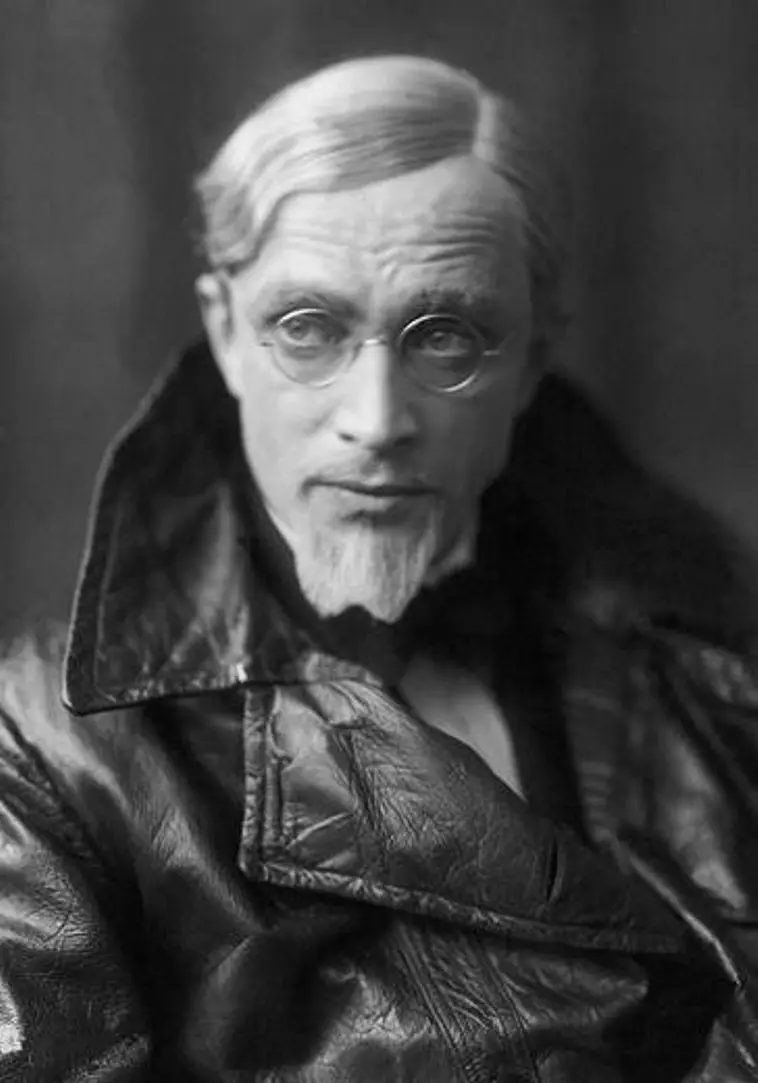
The cinematography, while not reaching the dizzying heights of Expressionistic masterpieces like The Cabinet of Dr. Caligari, effectively utilizes light and shadow to enhance the film's mood. The initial factory explosion sequence, for example, is rendered with a chaotic energy, using quick cuts and a sense of visual upheaval that sets a dramatic tone. Later, the lighting in Wenzel's moments of despair becomes noticeably darker, more claustrophobic, mirroring his internal state. Conversely, Michael's settlement is often bathed in a more natural, open light, symbolizing hope and clarity. It works. But it’s flawed.
“The film’s visual language, while traditional, is consistently effective in drawing a clear line between the brothers’ philosophical and material worlds.”
The pacing of 'Two Brothers' is perhaps its most challenging aspect for a contemporary audience. It adheres to the slower, more deliberate rhythm of silent cinema, where scenes unfold with a patient, almost theatrical, cadence. This allows for moments of quiet observation and emotional immersion, but it can also feel drawn out, particularly in the film's middle section where Wenzel's romantic woes take center stage. There are extended sequences of interaction that, while visually clear, could have been condensed without losing narrative impact.
The tone is overtly melodramatic, a hallmark of the era. The highs are ecstatic, the lows are devastating, and emotions are worn plainly on the characters' sleeves. This isn't a criticism, merely an observation of its stylistic allegiance. The tragedy is presented with earnest sincerity, aiming for a grand, almost operatic emotional arc. While some might find this excessive, it undeniably contributes to the film's powerful, if heavy-handed, moral messaging.
The thematic resonance, however, is where 'Two Brothers' truly shines. It grapples with profound questions about social responsibility, the corrupting influence of wealth, and the destructive power of personal choices. Michael's commitment to building a better world for the downtrodden stands as a powerful counterpoint to Wenzel's self-serving pursuit of riches. The film argues, quite forcefully, that true fulfillment lies not in material gain, but in contributing to the common good. This social commentary, set against the backdrop of the Weimar Republic's tumultuous economic landscape, makes the film particularly compelling for those interested in the historical context of German cinema. It's a surprisingly sharp critique of unchecked capitalism, wrapped in a family drama.
'Two Brothers' is a film that truly demands a specific audience. It's not an easy watch, nor is it a forgotten masterpiece waiting to be universally rediscovered. Instead, it serves as a fascinating and often powerful document of its time, a silent drama that grapples with themes of greed, altruism, and the devastating consequences of moral compromise. Its strengths lie in its earnest performances, its stark social commentary, and its ability to craft an emotionally resonant tragedy, even if that tragedy occasionally relies on familiar tropes.
While its pacing and melodramatic tendencies might deter some, those willing to immerse themselves in the conventions of late silent cinema will find a rewarding experience. It's a film that asks important questions, even if its answers are delivered with the heavy hand of its era. For fans of German cinema history, or anyone curious about the nuanced storytelling that existed before the advent of sound, 'Two Brothers' is more than just a curiosity; it's a valuable, if imperfect, piece of cinematic heritage that still has something to say about the human condition and the choices we make.
IMDb 5.5
1932
Community
Log in to comment.