DbcultAccessing Vault...
Cult Review
Senior Film Conservator
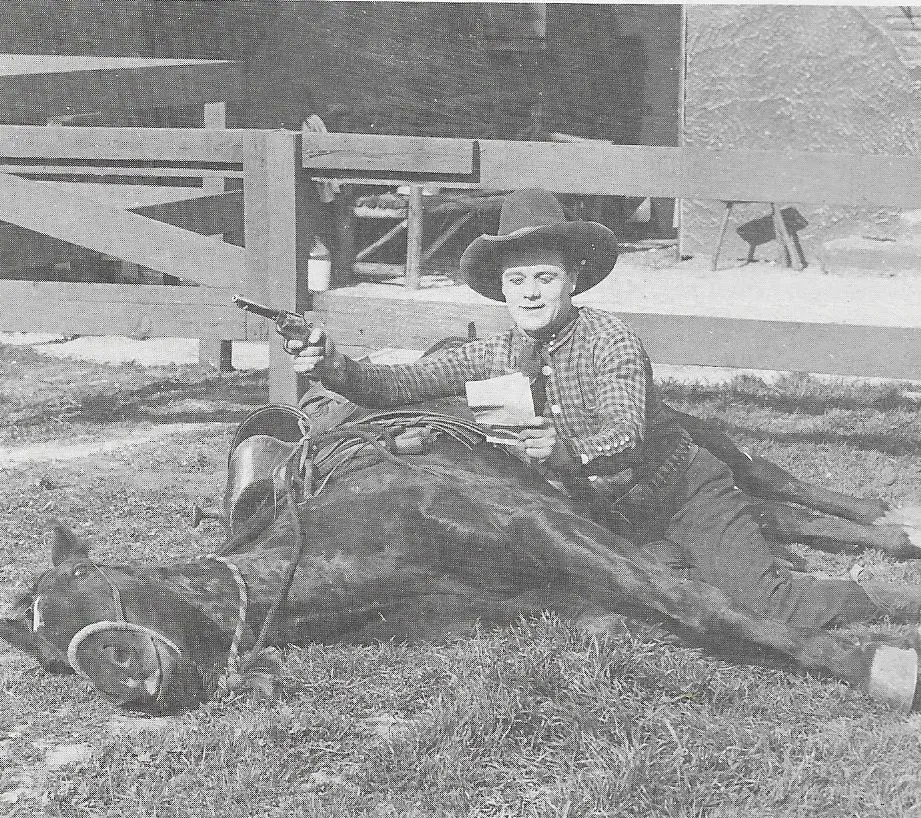
Is West of Arizona a hidden gem of the silent era that demands modern rediscovery? Short answer: No, it is a sturdy, predictable horse opera that excels in physical stunts but lacks narrative soul. It is a film specifically for historians of the genre and fans of early 20th-century stunt work, but it is certainly not for those who require psychological depth or complex subplots.
The film exists as a testament to a time when the Western was the bread and butter of the American film industry. It doesn't try to reinvent the wheel. It simply tries to keep the wheel turning. For a modern viewer, the appeal lies not in the 'what' of the story, but the 'how' of the execution.
1) This film works because Pete Morrison possesses a grounded, unpretentious screen presence that makes the stakes feel tactile rather than theatrical.
2) This film fails because the script by Barr Cross and Victor Roberts adheres so strictly to the 'damsel in distress' formula that it borders on parody by the second act.
3) You should watch it if you want to see the literal foundation of the Western genre before it became bloated with self-importance and high-budget artifice.
If you are looking for a casual Friday night movie, the answer is a firm no. However, if you are studying the evolution of the action hero, this film is essential. It provides a direct link between the raw athleticism of early cinema and the choreographed spectacles of today. The pacing is brisk, the stunts are real, and the lack of CGI creates a sense of danger that modern films often struggle to replicate.
Pete Morrison was never an 'actor' in the sense of the high-drama performers found in The Eternal Magdalene. He was a presence. In West of Arizona, his movements are economical. Every draw of his pistol and every mount of his horse feels practiced and authentic.
There is a specific scene mid-way through the film where Morrison has to navigate a rocky incline while being pursued. The camera stays wide. There are no cuts to hide a stunt double. This transparency in filmmaking is something we have lost. It makes the character feel like a part of the dirt and the sagebrush, rather than a visitor in a studio set.
Compare this to the more stylized performances in A Crooked Romance. While that film plays with the nuances of character, West of Arizona is content to let the action define the man. It’s a brutal, simple approach. And in its own way, it works.
It is a common trope of the era, but the horse, Lightning, genuinely outshines several of the human cast members. The 'animal star' was a massive draw in the 1920s, as seen in films like My Dog, Pal. In West of Arizona, the horse isn't just transport; he is a narrative device.
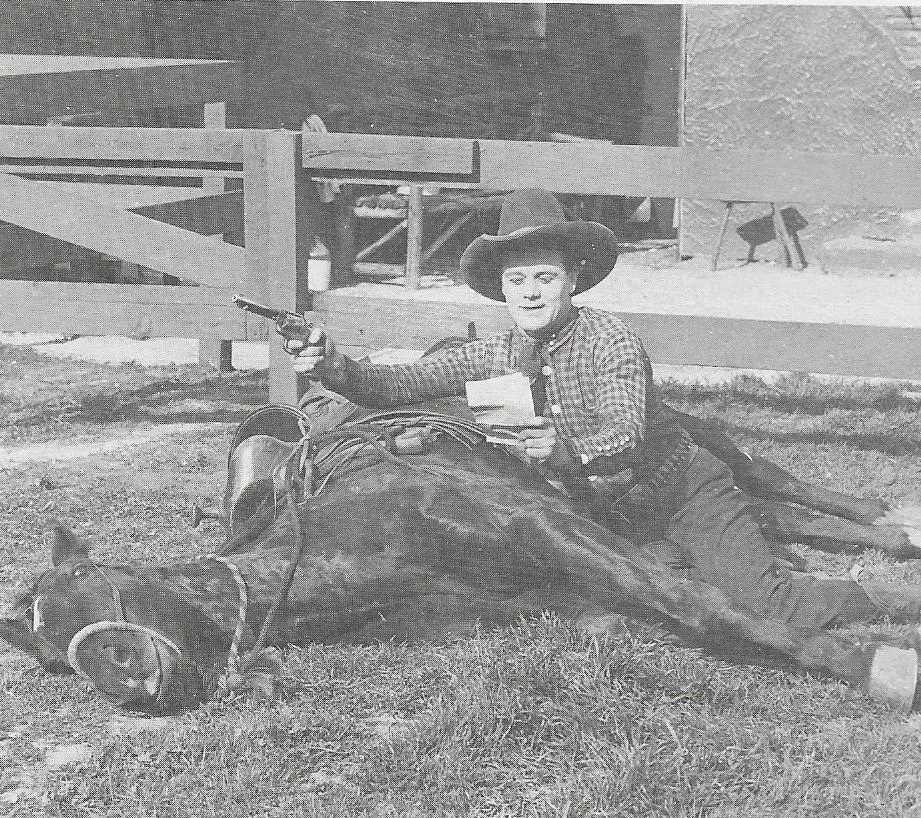
There is a sequence where Lightning must alert the hero to an ambush. The way the horse is framed—often in medium shots that allow us to see his 'reactions'—is a fascinating look at early editing techniques. The editors use Kuleshov-style cutting to make us believe the horse is contemplating the danger. It’s manipulative, but it’s effective filmmaking.
The bond between Morrison and Lightning provides the only real emotional core of the film. While the romance with Betty Goodwin feels tacked on by the studio, the partnership with the horse feels earned. It’s a silent dialogue that carries more weight than any intertitle could.
Barr Cross and Victor Roberts don't go for the avant-garde. You won't find the dreamlike sequences of The Dream Cheater here. Instead, the cinematography is utilitarian. It captures the vastness of the Arizona landscape with a starkness that feels almost documentary-like.
The use of natural light is particularly striking. In the outdoor sequences, the harsh sun creates deep shadows that add a naturalistic noir quality to the film. This is a stark contrast to the soft-focus romanticism found in Evangeline. Here, the world looks like it would actually hurt to live in.
The pacing is surprisingly modern. The film doesn't linger on scenery for the sake of it. Every shot is designed to move the plot toward the next confrontation. While this prevents any real thematic depth, it ensures that the film never becomes a chore to sit through.
When looking at West of Arizona alongside Flashing Steeds, you see the blueprint of the 'B-Western' being finalized. These films were the precursors to the television procedurals of the 50s. They were reliable. You knew exactly what you were getting when you paid your nickel.
However, this reliability is also its greatest weakness. Unlike Das Eskimobaby, which offers a bizarre and unique cultural perspective, or A Small Town Idol, which parodies the very industry it exists within, West of Arizona has no interest in being 'different'. It wants to be exactly what it is. It is a film without an identity crisis.
Pros:
Cons:
West of Arizona is a functional piece of cinematic history. It isn't art in the way Sans famille is art. It is a product. But it is a well-made product. It understands its audience and delivers exactly what it promised: a hero, a horse, and a dusty road to justice.
"A film that doesn't aim for the stars, but hits its target on the ground with practiced precision."
While it may not linger in your mind long after the credits crawl, it provides a fascinating look at the skeletal structure of the American Western. It is raw. It is dusty. It is honest. But it is flawed. If you can forgive its narrative simplicity, you will find a film that is surprisingly easy to watch, even a century later.
IMDb —
1931
Community
Log in to comment.