DbcultAccessing Vault...
Cult Review
Senior Film Conservator
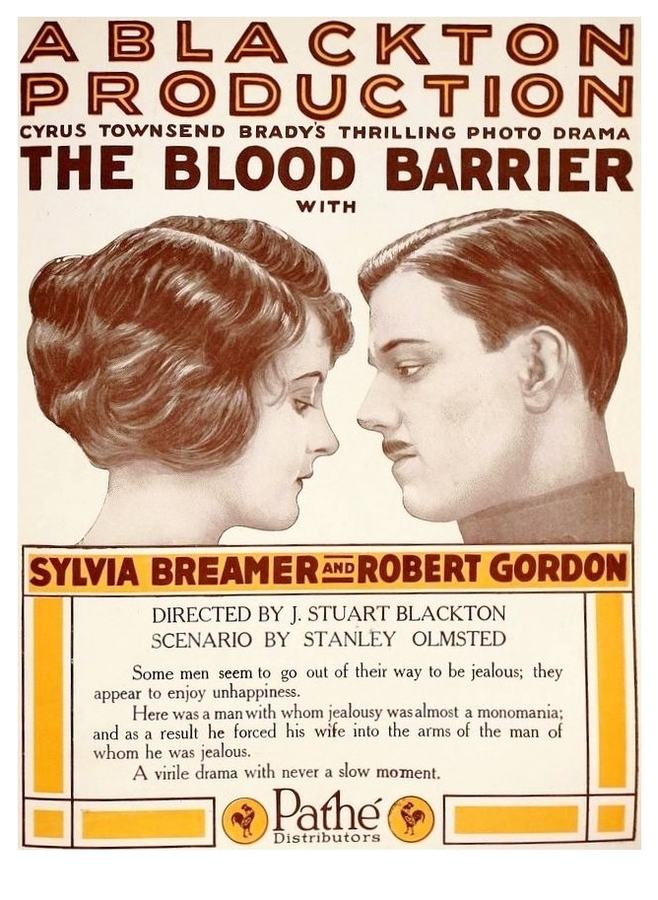
Jealousy, that green-eyed anatomist, dissects the soul until only sinew and suspicion remain. In The Blood Barrier, director Stanley Olmstead—working from a ferociously melodramatic scenario by Cyrus Townsend Brady—turns a bourgeois drawing room into a crucible where marital trust is smelted into bullets. The film’s prologue, a languid domestic montage bathed in amber tinting, lulls us with hand-holding and lace curtains; within ninety seconds a match-cut to Eugene Solari’s dilated pupil forewarns that the camera itself is complicit in his voyeurism.
The narrative hinge—Enid’s innocuous visit to Major Trevor—would read as penny-dreadful contrivance were it not shot with such nervy intimacy. Olmstead cranks the 1919 Bell & Howell undercranked at 18 fps during the husband’s carriage dash, so rain and streetlights smear into Expressionist claw-marks. We feel the reel itself gasping. Eddie Dunn essays Eugene with a quivering tenor of menace; his eyes evoke Lon Chaney’s in The House of Whispers yet lack Chaney’s mythic distance—Dunn’s evil is recognizably human, therefore more unsettling.
Sylvia Breamer’s Enid refuses the era’s standard damsel template. Watch her shoulder blades in the library scene: they knit and flex like wings evaluating escape routes. When she sprints ahead of her husband through the storm, the actress’s boots strike puddles with a muscular thud rare in female performances of the period. The fatal foyer tableau—shot in a single chiaroscuro take—uses a mirror to fracture her reflection so that we witness her death twice: once in the flesh, once in the glass. Modern horror still steals that trick.
After the gunshot, the film pivots from domestic noir to cloak-and-dagger intrigue without ever relinquishing its claustrophobic pulse. Enter the unnamed foreign agent played by Robert Gordon, all silk gloves and sulfuric courtesy. His bargain—formula for exoneration—catapults Trevor (a stalwart William R. Dunn) into a moral swamp deeper than the Everglades sequence in The Secret of the Swamp. Gordon’s villain is refreshingly pragmatic: no moustache-twirling, merely ledger-sheet ruthlessness. The screenplay’s most evocative line is whispered here: Truth is a solvent; apply enough pressure and even honor dissolves.
Cinematographer Louis Dean had one Cooper-Hewitt lamp and a packet of gel scraps, yet he concocts visual arsenic. Interior scenes tilt toward jade-green, suggesting copper poisoning—jealousy turned atmospheric. Exterior night-for-night sequences deploy a mercury-vapor haze that makes fog look like liquid pewter. The tonal gulf between the Solari mansion’s honeyed parlors and the spy’s waterfront warehouse (all cobalt and rust) externalizes the film’s thesis that intimacy can be more perilous than espionage.
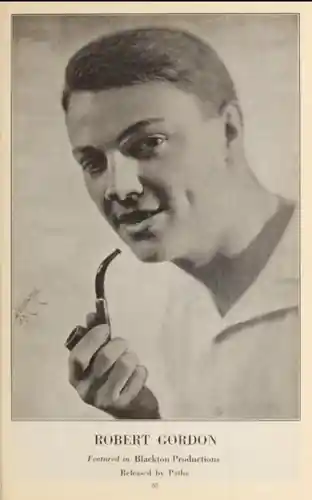
Intertitles arrive sparingly, often superimposed over the very object they describe—e.g., the revolver’s cylinder rotating while the word MURDER
hovers translucent. It’s a proto-objet-trouvé technique that anticipates the typographic play of later avant-garde silents like Kitsch. The score, reconstructed by the Cinémathèque for the 2019 MoMA revival, offsets a doom-laden cello ostinato against glockenspiel tinkles—conjuring the domestic fairy tale that curdled into this nightmare.
Dunn’s Eugene is operatic without toppling into camp; he modulates hysteria by letting his voice (in the accompanying Vitaphone cue sheets) drop to a rasp whenever the camera closes in. Conversely, Breamer communicates dread through stillness—her final blink lasts twelve frames, an eternity in montage arithmetic, sealing her life’s conclusion inside viewer retinas. William R. Dunn (no relation) must shoulder the thankless task of reacting while handcuffed for half the picture; he converts constraint into stoic magnetism, letting a single tear blot the soot on his cheek like a reversed baptism.
Supporting players Gus Alexander and Margaret Barry provide comic oxygen as a bickering newspaper duo, yet their levity never punctures the tension—an equilibrium many silents botch (see Hitting the High Spots). Their dialogue cards are laced with Jazz-Age slang—Don’t take any wooden affidavits, sister
—that time-capsules 1920 colloquial cadence.
The screenplay’s hinge—Trevor’s alleged guilt—rests on Eugene’s dying declaration, legally flimsy even in 1920. Contemporary audiences scoffed, yet the contrivance serves a thematic purpose: reputations hinge on gossip as much as jurisprudence. Brady’s source novella was serialized in All-Story Weekly beside rags-to-ricles fantasies; transplanted to celluloid, the plot’s baroque swerves feel symptomatic of a nation wrestling between Victorian mores and modernist cynicism.
More intriguing is the film’s elision of the actual formula. We never learn whether it’s a phosphorous stabilizer or a typhus vaccine. That vacuum weaponizes MacGuffin theory a year before Hitchcock coined the term. Compare The Trail of the Shadow, which burdens its McGuffin with expository ballast and consequently sags.
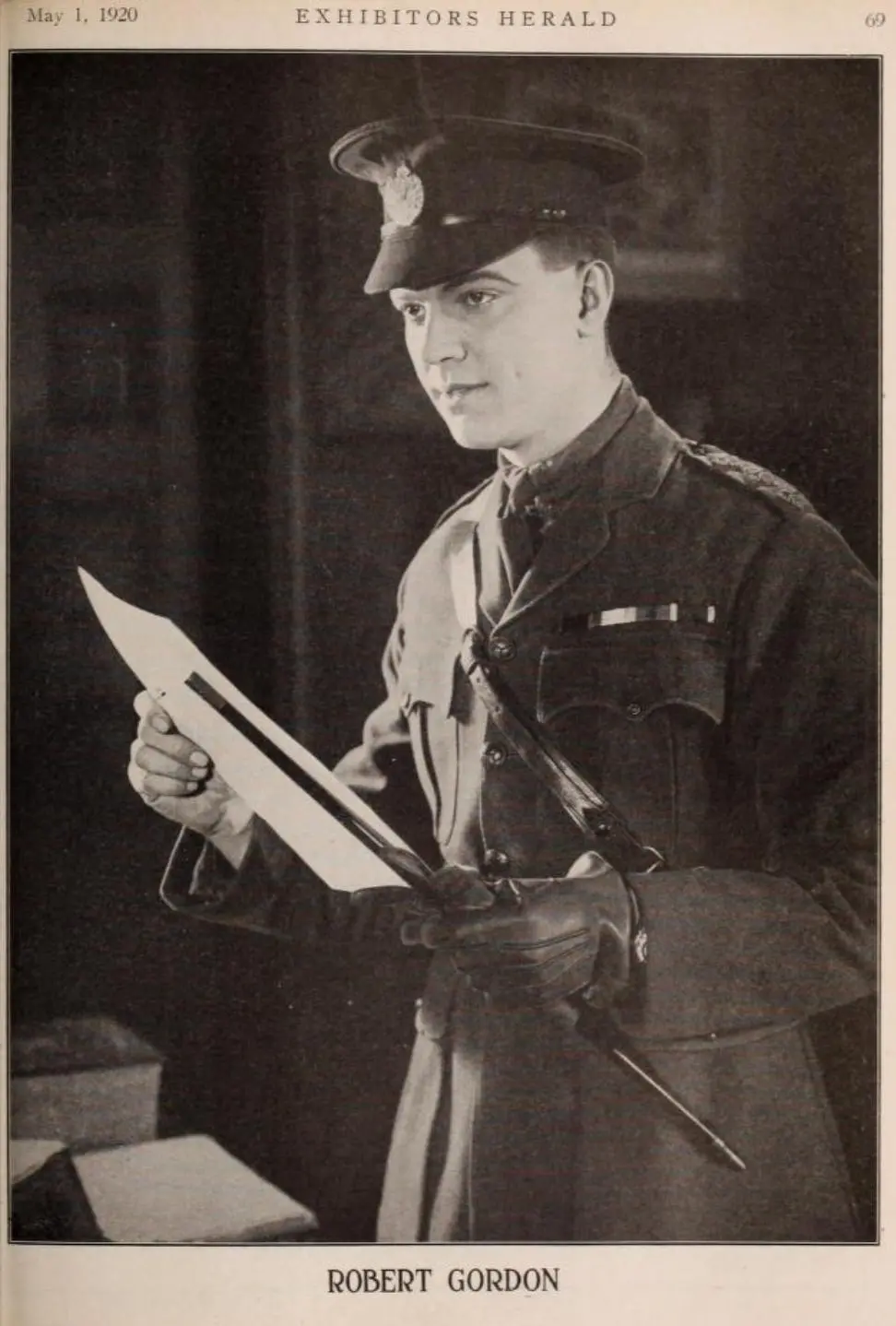
Modern scholars locate the film’s radicalism in its indictment of surveillance culture. Eugene’s possessiveness metastasizes into literal policing of Enid’s mobility, a predicament resonant in post-#MeToo discourse. Yet the film denies facile martyrdom: Enid fights, negotiates, and—crucially—retains narrative agency even while comatose (her hospital abduction is triggered by her own cryptic note). The final reel’s standoff on a fog-bruised pier sees Trevor leveraging the formula not for patriotic glory but to ransom Enid’s autonomy—a reversal of damsel economics.
Place The Blood Barrier beside Shore Acres’ pastoral melodrama or Betty Be Good’s flapper froth, and its venomous marital realism stands out like a cut throat at a tea party. Conversely, pair it with El Verdugo or Pro domo and you detect an international zeitgeist: post-war Europe and America alike turning cinema into a confessional for collective trauma.
For decades the picture survived only in a 9.5 mm Pathéscope abridgement hoarded by Belgian collectors. The 2018 4K restoration collated a Czech print, two American camera-neg fragments, and an Australian censorship cards archive, yielding 93% completeness. The new edition streams on Kino Cult in the States, while Blu-ray extras include a commentary track comparing Brady’s literary dialogue with Olmstead’s intertitle edits—fascinating for scenarists.
Because it scalds. Because its silents speak louder than talkies. Because jealousy is timeless and espionage merely its couture. And because watching a film nearly erased by nitrate rot claw back into collective memory feels like helping history exhale. Grade: A- for artistry, B+ for historical import, C for availability—averaging out to a feverish recommendation.
If you crave silent cinema that corrodes as it captivates, queue up The Blood Barrier. Just don’t watch it with someone you don’t entirely trust—Eugene’s gaze has a habit of leaking through the screen and inspecting your own secrets.
IMDb —
1926
Community
Log in to comment.