DbcultAccessing Vault...
Cult Review
Senior Film Conservator
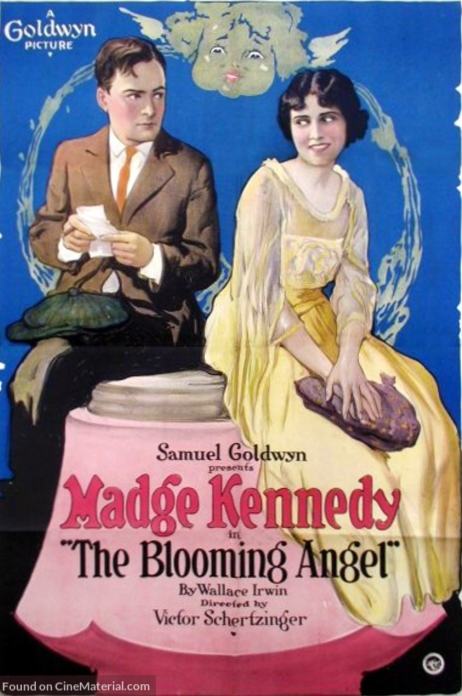
Picture 1923: bobbed hair clings to napes like damp petals, saxophones bleed through the speakeasy walls, and ambition arrives in zinc tubes. Wallace Irwin’s screenplay uncorks a fable equal parts mascara and moral panic, letting Madge Kennedy’s Floss pirouette across the screen with the reckless grace of a lit firecracker.
Director William A. Seiter shoots the opening dismissal from college like a fashion-plate gag: mortarboards airborne, professors’ beards quivering in horror at Floss’s latest prank. The moment is brisk, diagram-sharp—a promise that propriety will be perpetually pink-slipped.
Enter Chester Framm—Arthur Housman’s wide-eyed dreamer whose rhetoric soars but whose purse strings droop. Their marriage feels less a vow than a vaudeville turn: rice becomes ticker-tape, and the honeymoon suite is a drafty walk-up overlooking an alley of clattering ash-cans.
Need, that great muse, sparks the birth of “Angel Bloom,” a blushing cream whipped up in a chipped enamel bowl on a two-burner stove. Irwin refuses lab-coat realism; instead we get close-ups of Floss’s wrist hypnotically circling, the mixture swirling like liquid sunrise. Cinema becomes chemist, and we believe.
But invention craves spectacle. Floss rents an elephant—because why whisper through a megaphone when you can trumpet from atop a tusker? The beast, painted in Angel Bloom’s carnation hue, lumbers down Main Street while Chester speechifies, arms windmilling like a carnival barker drunk on syllables.
Catastrophe strikes in comedic slow-motion: the elephant folds like a deflated blimp, the crowd gasps, flash-pans smoke, and Carlotta—Vera Lewis’s deliciously spiteful rival—pounces with accusations. Here the film pivots from frothy romp to courtroom lampoon, anticipating Sturges’s social satires by a decade.
The trial sequences glow with proto-screwball voltage. Witnesses contradict, the judge nods off, and a stray goat somehow enters testimony. Just as the gavel prepares to pound, the window frame fills with the resurrected elephant’s crinkled grin—an absurdist benediction. Acquittal arrives not via jurisprudence but via pachyderm pageantry.
Publicity detonates. Cash registers chime like cathedral bells; Chester’s elocution is now backed by syndicated ads; Floss trades cotton housedresses for beaded chemises. Yet the film flirts with melancholy: the camera lingers on a half-empty jar of Angel Bloom, its rosy residue congealing—success, like cream, sours if neglected.
Kennedy carries the picture with silent-era semaphore: eyebrows arch like question marks, shoulders shrug whole paragraphs. Compare her flapper bravado to Margery Wilson’s demure turn in Seventeen, or the stoic heroines of Tess of the Storm Country, and you’ll spot the evolutionary leap toward a woman who manufactures her own plot.
Cinematographer Frank Urson bathes night scenes in pools of mercury-white, letting shadows swallow corners whole—an expressionist whisper amid the farce. Note the shot of Chester rehearsing atop the elephant’s howdah: moonlight slices his profile, the city’s incandescent grid flickers below, ambition and absurdity fused in one silhouette.
Comparative lenses help calibrate the film’s timbre. The frontier brutality of The Great Cattle War feels galaxies away; likewise, the maritime fatalism in Dead Men Tell No Tales offers a dirge where The Blooming Angel opts for Charleston. Yet all three share DNA: the American obsession of rebranding failure into fortune.
The elephant, often dismissed as gimmick, operates as walking metaphor: lumbering potential that collapses under gaudy expectation, only to rise when the crowd stops staring and starts believing. Silent-era viewers, fresh from post-war disillusionment, craved exactly that resurrection narrative.
Some prints survive only in mutilated 16mm, their pink tint turned bruise-magenta. Even so, the slapstick retains atomic snap: a custard-pie symphony minus the pie, replaced by jars of hope slathered on gray hide. Restorationists hint at 4K scans from a Czech nitrate; should that surface, expect a TikTok tsunami of GIF-ready wonder.
Irwin’s intertitles deserve sing-along status: “She dreamed rouge-deep and dollar-bright.” Each card arrives hand-lettered, filigreed with doodled cherubs winking at the audience—meta before meta was marketable. They remind us that text itself can pirouette.
Arthur Housman, often typecast as soused sidekick (e.g. The Long Chance), here flexes earnest chops. His oratorical cadence—conveyed through posture and iris-widens—anticipates the razzle-dazzle of Elmer Blanford in The Man Who Woke Up, but with Willy Loman undertones.
Gender scholars could feast on Floss’s capitalist alchemy: she weaponizes domestic labor (the mixing bowl) and feminine-coded aesthetics (complexion cream) to storm male-dominated industry. The elephant ride? A literalization of seizing the means of spectacle. Yet the film refuses didacticism; its grin is too sly, its Charleston too swift.
Soundtracks for modern repertory screenings vary—jazz quartets, synth duos, even beat-boxers. I’ve witnessed a score built solely from typewriter clacks and sampled ivory trills; the elephant’s recovery synced to a crescendo of pneumatic stamps, audience erupting as though at a playoff goal.
Box-office lore claims the picture recouped five times its 60-grand budget, spawning Angel Bloom knock-offs sold at Woolworth’s. Imagine: housewives dabbing cheeks while humming the foxtrot, convinced prosperity could be massaged into pores—a pop-culture ancestor to today’s influencer serums.
Faults? A third-act sprint resolves too tidily; the couple’s moral arc never bruises. Yet that blemish mirrors its cosmetic subject: the cream pledges instant flawlessness, and the narrative obliges. In an age of Ponzi schemes and perpetual rebranding, the film’s candor about hustle feels almost documentary.
Seiter would later refine his social farce in Show People and Sons of the Desert, but here he’s the kid set loose in the candy shop of American myth, cramming mouthfuls and grinning through sugar-crusted teeth. The result is a celluloid soufflé that still rises.
So seek it however you can—bootlegged Vimeo, 16mm society screening, or that rumored 4K. Let its pink elephant swagger across your retina, and when the beast collapses, remember: resurrection rarely arrives on cue, but publicity—ah, that can be painted on thick as hope.
IMDb —
1916
Community
Log in to comment.