DbcultAccessing Vault...
Cult Review
Senior Film Conservator

In an era captivated by moral quandaries and the seismic shifts of industrial society, "The Quality of Faith" emerges not merely as a narrative, but as a profound societal mirror, reflecting the intricate dance between spiritual conviction and the harsh realities of human existence. This cinematic endeavor, a poignant exploration of a clergyman's arduous journey, peels back the veneer of polite society to expose the raw nerves of class struggle, personal disillusionment, and eventual, hard-won redemption. It is a testament to the enduring human spirit, an unflinching look at the cost of genuine empathy, and a powerful argument for a faith forged in the crucible of suffering rather than the comfort of dogma.
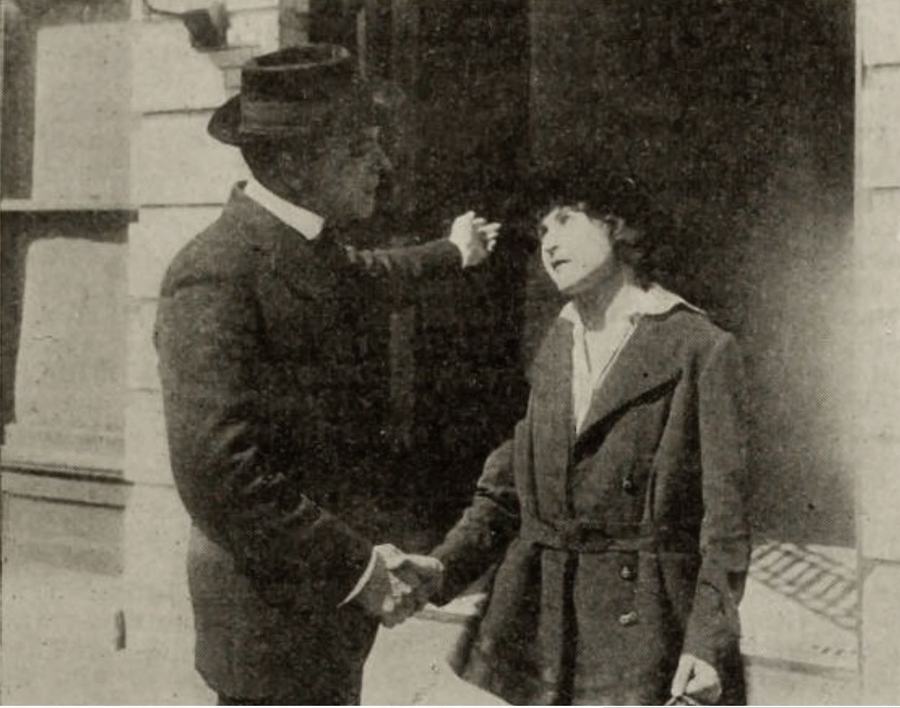
At the heart of this compelling drama stands Albert Richards, a young pastor whose initial portrayal is one of earnest, if somewhat naive, spiritual leadership. He presides over a fashionable and wealthy congregation, a setting that, while ostensibly devout, subtly underscores the chasm between spiritual ideals and worldly opulence. His early entanglement with Louise Alford, the daughter of the formidable mill-owner John Alford, serves as a crucial early narrative thread. Louise, depicted as a creature of vanity and fleeting pleasures, embodies the very superficiality that Albert, in his innocent zeal, fails to fully discern. Her affections for him are but a passing fancy, a dalliance born of momentary caprice rather than profound connection. The eventual jilting, a pivotal moment of emotional rupture, becomes less a personal tragedy for Albert and more a profound spiritual awakening. It strips away the illusion of a comfortable, pre-ordained life, forcing him to confront the hollowness of a love not rooted in genuine substance. This personal slight, though painful, inadvertently liberates him, redirecting his gaze from the gilded cages of the privileged to the grimy realities of the marginalized.

Parallel to Albert's romantic disillusionment, a darker, more pervasive conflict brews within the industrial heartland of the city: the mills owned by John Alford. Here, the struggle between capital and labor manifests in stark, human terms. Baker, a character rendered with a nuanced blend of peaceable disposition and fiery indignation, emerges as the reluctant leader of the mill workers. His election to head the delegation petitioning Alford against increasing their already grueling hours is a poignant symbol of the workers' desperate plea for basic human dignity. The categorical denial of this petition by Alford, a man whose wealth is inextricably linked to the exploitation of his workforce, ignites the powder keg of social unrest. This narrative thread resonates deeply with other films of the era that dared to expose the raw wounds of industrial capitalism, such as The Turmoil, which similarly delved into the moral compromises and human cost of unchecked industrial expansion. The film, in its portrayal of these events, doesn't merely present a historical backdrop; it posits a moral challenge, questioning the very fabric of a society that allows such disparity to fester.

Albert's subsequent journey into the city's underbelly marks the true genesis of his transformation. His calling to minister to a factory girl, horrifically injured in Alford's plant, is a gut-wrenching moment. The grief-stricken father's stark account of the prevailing conditions within the factory is not merely information; it is a spiritual assault, shattering Albert's sheltered worldview. This incident, rather than pushing him towards a purely theological response, ignites a fervent desire for direct investigation. He descends into the tragic squalor and privation that define the lives of the working class, witnessing firsthand the systemic injustices that fuel their suffering. These scenes confirm his resolve, shifting his focus from abstract sermons to tangible action on behalf of the unfortunates. This shift is not without personal peril, as evidenced by his encounter with Marna. Finding her in combat with a brutal bully, Albert's intervention is an act of pure, unadulterated compassion, devoid of any ecclesiastical pretense. He learns of Marna's plight – ill-health forcing her from factory work into a life of shame for mere subsistence. Her story, a microcosm of the broader societal failures, resonates with a profound authenticity that the polished sermons of his church could never convey. Through his encouragement and efforts, Marna finds refuge in the Salvation Army, a sanctuary that symbolizes not just physical safety but a reclamation of dignity. Her journey, paralleling Albert's, underscores the film's powerful message: true faith is found in active compassion, not passive observance.
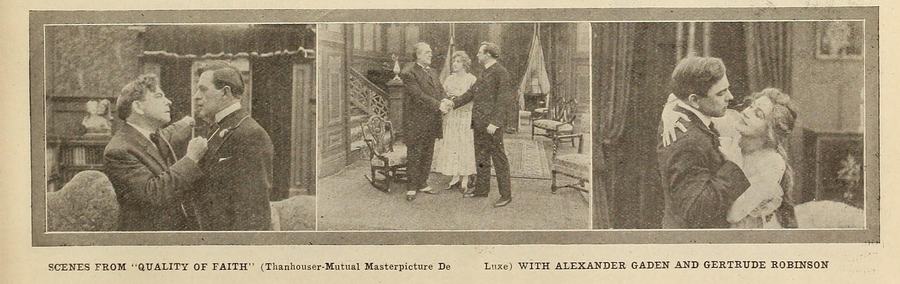
As the clouds of labor strife gather menacingly over the factory horizon, Albert's active interest in the workmen's cause solidifies his break with the powerful Alford family. His moral compass, now finely tuned to the cries of injustice, clashes irrevocably with the self-serving interests of his former benefactors. This principled stand costs him dearly: he is dismissed from his church, cast out from the very institution he once served with unwavering dedication. This expulsion marks the beginning of his descent into a profound spiritual crisis. Under the influence of an atheist, Albert falls into a period of debauchery, a stark contrast to his earlier piety. His literary endeavors, perhaps a new avenue for his awakened conscience, also fail, compounding his sense of failure and disillusionment. This trajectory, from righteous indignation to moral decay, is a harrowing depiction of the psychological toll exacted by social activism and personal betrayal. It echoes the stark realities of how easily individuals can be broken by the very systems they seek to challenge. While Louise, oblivious to the profound shifts occurring around her, marries Guy Carlton, Albert grapples with the wreckage of his former life, a poignant reminder of the divergent paths forged by superficiality and genuine conviction.
In the depths of Albert's despair, when all seems lost and his moral compass shattered, it is Marna who emerges as the unwavering light. Her love and faith, forged in the crucible of her own suffering and Albert's compassionate intervention, remain the two abiding constants. This is not the fleeting, self-serving affection of Louise, but a deep, resilient devotion born of shared experience and profound gratitude. Marna's presence during Albert's darkest hours is a powerful thematic anchor, illustrating that true faith and love are often found not in grand pronouncements or societal approval, but in the quiet, steadfast commitment of one human being to another. Her enduring belief in Albert, even when he has lost faith in himself, is the ultimate testament to the film's title. This profound connection is what ultimately allows Albert to touch the bottom of the pit and, paradoxically, begin his ascent. His eventual success as a writer is not merely a professional triumph; it is a spiritual rebirth, a testament to his resilience and the redemptive power of Marna's unwavering support. This narrative arc, where a fallen protagonist finds salvation through an unexpected source, is a classic trope, yet here it is rendered with a fresh, raw sincerity that elevates it beyond mere convention.
With renewed popularity and a solidified sense of self, Albert faces his ultimate test: the return of Louise. Wearied by her marriage to Carlton, she attempts to ensnare Albert once more with her familiar wiles. However, the Albert who stands before her is not the impressionable young pastor she once knew. He is a man forged in fire, tempered by suffering, and anchored by a genuine, profound love. He proves himself strong, resisting her allure, a powerful symbol of his completed transformation. His reward is not societal acclaim or material wealth, but the enduring love and devotion of Marna – a love far more precious and authentic than any fleeting pleasure Louise could offer. This resolution brilliantly contrasts the superficiality of high society with the profound depth of a connection born of shared adversity and mutual respect. The film's conclusion brings a sense of poetic justice to the industrial narrative as well. John Alford, the mill owner whose greed ignited so much strife and tragedy, succumbs to heart failure. This natural, yet dramatically poignant, end occurs just before Baker, hardened by two years of unjust imprisonment, arrives to enact his vengeful retribution. This twist of fate prevents further violence, allowing for a more nuanced reflection on justice – a justice delivered not by the hand of man, but by the relentless march of time and consequence. The resolution leaves us with a powerful message: true justice often manifests in unexpected ways, and true love, like true faith, is a resilient force, capable of enduring the darkest trials.
"The Quality of Faith" masterfully weaves together several complex themes, creating a rich tapestry of human experience. The central theme of 'faith' is explored in its multitudinous forms: the conventional religious faith of the church, the misplaced faith in superficial romance, the lost faith in humanity, and ultimately, the rediscovered faith in oneself and in genuine human connection. Albert's journey is a powerful allegory for the evolving nature of spirituality in a rapidly modernizing world, suggesting that true spiritual awakening often lies beyond the confines of organized religion, in the messy, demanding work of social justice and personal empathy. The film's unflinching portrayal of industrial strife and class disparity aligns it with other socially conscious dramas of its time, such as The Crisis or Within Our Gates, which similarly sought to expose societal ills and advocate for a more equitable world. The legal injustices suffered by Baker, culminating in his two-year imprisonment, resonate with the critical examinations of the legal system found in films like According to Law or The Scales of Justice, highlighting how often the scales are tipped against the working class. The film's powerful character arcs, particularly that of Albert and Marna, are a testament to the transformative power of compassion and resilience. It reminds us that redemption is often found in the most unexpected places and through the most unexpected connections. The narrative, though rooted in a specific historical context, possesses a timeless quality, its exploration of wealth, poverty, love, and spiritual authenticity remaining profoundly relevant even today.
In conclusion, "The Quality of Faith" transcends its plot synopsis to become a deeply humanist work. It's a searing indictment of moral complacency, a celebration of the underdog, and a tender ode to the kind of love that truly endures. The performances, particularly those conveying the complex inner turmoil of Albert Richards and the quiet strength of Marna, ground the narrative in a palpable emotional reality. It is a film that challenges its audience to look beyond surface appearances, to question established norms, and to seek a more profound, active form of empathy and justice in their own lives. Its enduring power lies not just in its dramatic twists and turns, but in its unwavering belief in the human capacity for growth, redemption, and the ultimate triumph of a love that is truly tested and found to be of the highest quality. It's a cinematic journey that leaves an indelible mark, prompting reflection on what it truly means to live a life of principle and compassion in a world often defined by their absence.

IMDb —
1925
Community
Log in to comment.