DbcultAccessing Vault...
Cult Review
Senior Film Conservator
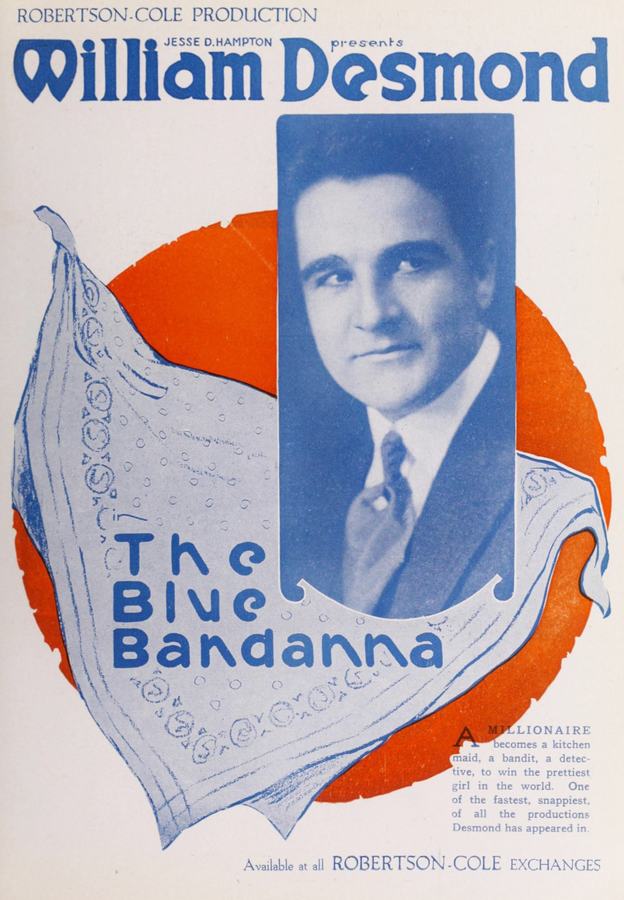
Ah, the silent era! A time when storytelling relied purely on the visual poetry of movement, the stark drama of expression, and the rhythmic cadence of intertitles. It was an epoch of grand gestures and palpable emotions, where the absence of spoken dialogue paradoxically amplified the narrative's power. Among the myriad cinematic offerings from this fascinating period, a particular Western gem, The Blue Bandanna, emerges as a compelling blend of frontier adventure, romantic intrigue, and a surprisingly intricate mystery. Released when cinema was still finding its voice, this film, penned by Eugene B. Lewis, offers a captivating glimpse into the nascent stages of narrative complexity on screen, demonstrating how effectively a story could be conveyed without a single word uttered by its characters.
Our journey begins not in the dusty plains, but in the steel canyons of New York, where Jerry Jerome, portrayed with a charming blend of urban sophistication and underlying restlessness by William Desmond, is a Wall Street broker whose life has become a casualty of its own relentless pace. The doctor's orders are unequivocal: escape the strain, seek the restorative embrace of the West. This initial premise, a classic trope of the era, immediately sets up a fascinating fish-out-of-water scenario, allowing the audience to anticipate the cultural clashes and personal growth that inevitably follow such a dramatic relocation. Desmond, a prolific actor of the silent screen, brings a nuanced vulnerability to Jerry, making his transformation from a suit-clad financial wizard to a rugged ranch hand believable and endearing. His initial reluctance, quickly overshadowed by a burgeoning sense of adventure and a burgeoning heart, is subtly conveyed through his expressive eyes and body language.
Upon arriving at the ranch of Jim Yancy, Jerry's prescribed cure takes an unexpected turn. The vastness of the landscape is not the only thing that captures his attention; Yancy's daughter, Ruth, played by the luminous Jean Acker, becomes the true magnet of his new existence. Acker, known for her captivating screen presence in films like The House of Tears, imbues Ruth with a spirited independence and a genuine warmth that makes her an irresistible force. Jerry's decision to forgo his privileged status and accept the humble role of a farmhouse maid, simply to remain near Ruth, is a testament to the potent power of love at first sight. This romantic conceit, while perhaps quaint by today's standards, was a perfectly acceptable and often celebrated narrative device in early cinema, highlighting the hero's willingness to sacrifice comfort for affection. It's a delightful inversion of expectations, presenting a man of means willingly embracing servitude, not for necessity, but for devotion.
Just as Jerry settles into his new life and the tender shoots of romance begin to blossom, a sinister element intrudes upon the tranquil Western landscape. A series of audacious stagecoach robberies begins to plague the region, each perpetrated by a masked individual whose distinctive blue bandanna becomes a chilling signature. The silent film's ability to create tension through visual cues is expertly employed here, with the recurring image of the masked bandit becoming a symbol of fear and uncertainty. The immediate suspicion falls upon Jerry, the enigmatic newcomer, a classic narrative misdirection that keeps the audience guessing. His urban origins and unfamiliarity with frontier life make him an easy target for local prejudice and suspicion, a theme that resonates even today, echoing the 'stranger in town' trope seen in countless Westerns, from the legendary Davy Crockett to later, more nuanced explorations of outsider status.
The narrative, crafted by Eugene B. Lewis, a writer adept at weaving suspense into his stories, tightens its grip when Jerry stumbles upon a crucial piece of evidence: a blue bandanna, identical to the bandit's, hidden in Yancy's barn. This discovery propels Jerry from a mere suspect into an active investigator, fueled by a desire to clear his name and protect Ruth. His amateur sleuthing uncovers a far more complex and tragic truth: Jim Yancy, portrayed with a weighty gravitas by Russell Simpson, is not merely an innocent rancher, but an ex-convict, coerced into aiding the robberies by a shadowy blackmailer. Simpson, a veteran character actor, brings a profound sense of weary resignation to Yancy, making his predicament deeply sympathetic. The revelation of Yancy's past adds layers of moral ambiguity to the story, transforming a simple robbery plot into a poignant drama of redemption and coercion. This theme of a hidden past resurfacing to haunt the present is a powerful one, explored in various forms across cinematic history, from the dramatic revelations in The Moral Code to the intense psychological pressures depicted in La verdad.
In a daring move that underscores his growing courage and devotion, Jerry decides to turn the tables on the real culprits. He dons the blue bandanna himself, adopting the bandit's ominous guise, not to commit a crime, but to preempt one. His intention is to warn the stagecoach driver of an impending robbery, a noble act of deception designed to protect the innocent and expose the guilty. This bold gambit, however, backfires spectacularly. The sheriff, still convinced of Jerry's culpability, arrests him. The irony is palpable: the hero, in his attempt to embody justice, is ensnared by its very mechanisms. Frank Lanning and Dick La Reno, in their supporting roles, contribute to the film's authentic Western flavor, their performances grounding the narrative in a believable frontier community.
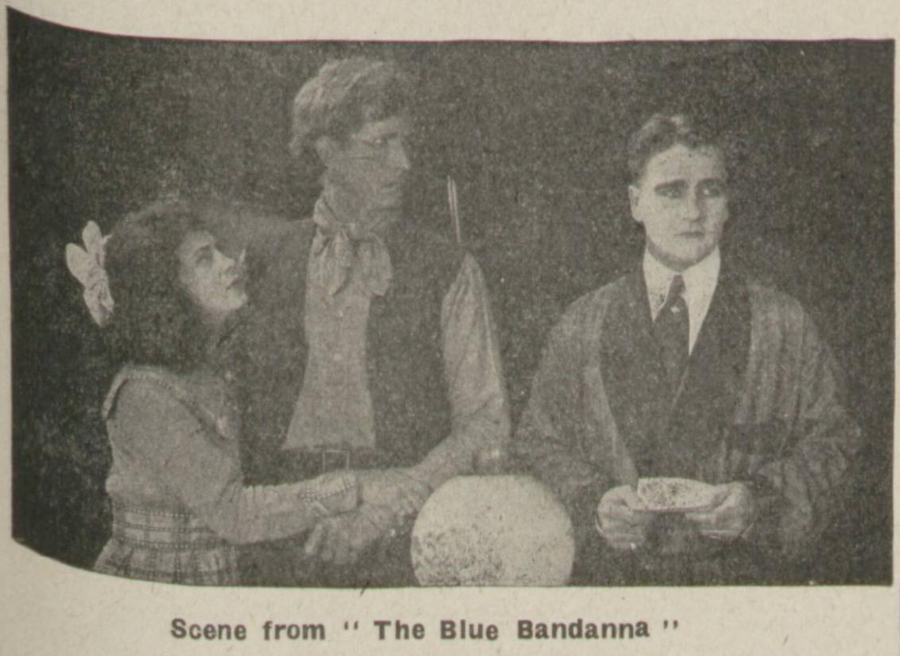
Jerry's subsequent plea to the sheriff, convincing him to grant a temporary release so he can pursue the true thief, is a testament to his burgeoning conviction and the undeniable charisma of William Desmond's portrayal. It's a classic setup for a climactic pursuit, a race against time to bring the real villain to justice. The silent film excels in these moments of heightened drama, relying on rapid editing, dynamic camera angles (for its time), and the actors' intense expressions to convey urgency and peril. The audience is kept on the edge of their seats, anticipating the inevitable confrontation that will unravel the truth and restore order to the beleaguered community.
The narrative crescendos in a tense confrontation where Yancy, in a tragic twist of fate, accidentally shoots his former partner, Ben Cowan. Cowan's dying confession, revealing himself as the true stagecoach robber and Yancy's blackmailer, brings a definitive resolution to the mystery. This moment of accidental justice, while perhaps a convenient plot device, serves to neatly tie up the loose ends and provide a clear path to resolution. It absolves Yancy of his forced complicity and fully vindicates Jerry, cementing his status as the unlikely hero of the tale. The raw emotion conveyed by the actors during this sequence, particularly Russell Simpson's portrayal of Yancy's anguish and relief, is a powerful reminder of the silent screen's capacity for profound human drama. The theme of redemption, often a cornerstone of Western narratives, is beautifully realized here, granting Yancy a measure of peace after a life shadowed by past mistakes.
With the villain exposed and justice served, the film returns to its romantic core. Jerry and Ruth, their love forged in the crucible of danger and deceit, finally marry. Their decision to return to New York symbolizes a full circle, a journey from urban malaise to frontier adventure, culminating in a union that bridges both worlds. It's a satisfying conclusion, affirming the power of love to transcend social divides and geographical distances. The closing scenes, though silent, undoubtedly brim with the quiet joy and hopeful anticipation of a future together, leaving the audience with a sense of contentment and the enduring charm of a classic Hollywood ending.
The Blue Bandanna, while perhaps not as widely known as some of its contemporaries, stands as a testament to the robust storytelling prevalent in early 20th-century cinema. Eugene B. Lewis's screenplay, with its well-paced plot and clear character motivations, demonstrates a keen understanding of audience engagement. The direction, characteristic of the period, relies on clear compositions, expressive acting, and the judicious use of intertitles to guide the narrative. The cinematography, even in its relative simplicity compared to later eras, effectively captures the vastness of the Western landscape, contrasting it with the intimate drama unfolding within its confines. The use of natural light and rugged sets adds to the film's authenticity, transporting viewers to a bygone era of cowboys, stagecoaches, and frontier justice.
The performances are uniformly strong, with William Desmond anchoring the film with his charismatic presence. His ability to convey a wide range of emotions without dialogue – from initial urban ennui to romantic ardor, then to determined heroism – is truly commendable. Jean Acker's Ruth is not merely a damsel in distress but a woman of spirit, her reactions and expressions providing a vital emotional counterpoint to Jerry's adventures. Russell Simpson's portrayal of Yancy is particularly memorable, adding a layer of tragic depth that elevates the film beyond a simple good-versus-evil narrative. The supporting cast, including Frank Lanning and Dick La Reno, contributes significantly to the overall texture of the film, creating a believable community within which the drama unfolds. Their presence, though sometimes brief, grounds the more sensational aspects of the plot in a sense of lived reality.
Comparing The Blue Bandanna to other films of its time reveals its unique position. While it shares the Western setting with films like Davy Crockett, its focus on a central mystery and a protagonist's internal transformation sets it apart from more straightforward frontier adventures. It possesses a narrative sophistication that hints at the evolving complexity of cinematic storytelling, moving beyond mere spectacle to explore themes of identity, justice, and the moral ambiguities of the human condition. The film's blend of romance and suspense, while common, is executed with a particular charm that allows it to stand shoulder-to-shoulder with other engaging narratives of the era, such as the dramatic intricacies of The Vixen or the heartfelt sentiments of Little Miss Nobody. Its ability to maintain tension and engage the audience without the benefit of sound is a powerful reminder of the ingenuity of silent filmmakers.
In an era where cinema was still a relatively young art form, The Blue Bandanna effectively showcases the potential for intricate plotting and character development. It’s a compelling example of how silent films, far from being simplistic, often employed sophisticated visual language and nuanced performances to convey complex narratives. The film's lasting appeal lies not just in its historical significance, but in its ability to tell a timeless story of love, deceit, and the pursuit of justice. It reminds us that even without spoken words, the power of human emotion and compelling storytelling can transcend the confines of time and technology, offering a resonant experience to audiences then and now. The journey of Jerry Jerome, from a city-weary broker to a Western hero, and his romance with Ruth, remains a charming and engaging cinematic experience, a testament to the enduring magic of the silent screen. This film, like many from its period such as Midnatssjælen or Peterburgskiye trushchobi, captures a unique moment in filmmaking history, where the raw potential of the medium was being explored with boundless creativity and passion. It’s a vibrant piece of cinematic heritage, richly deserving of its place in the annals of early American cinema.
IMDb —
1923
Community
Log in to comment.