DbcultAccessing Vault...
Cult Review
Senior Film Conservator
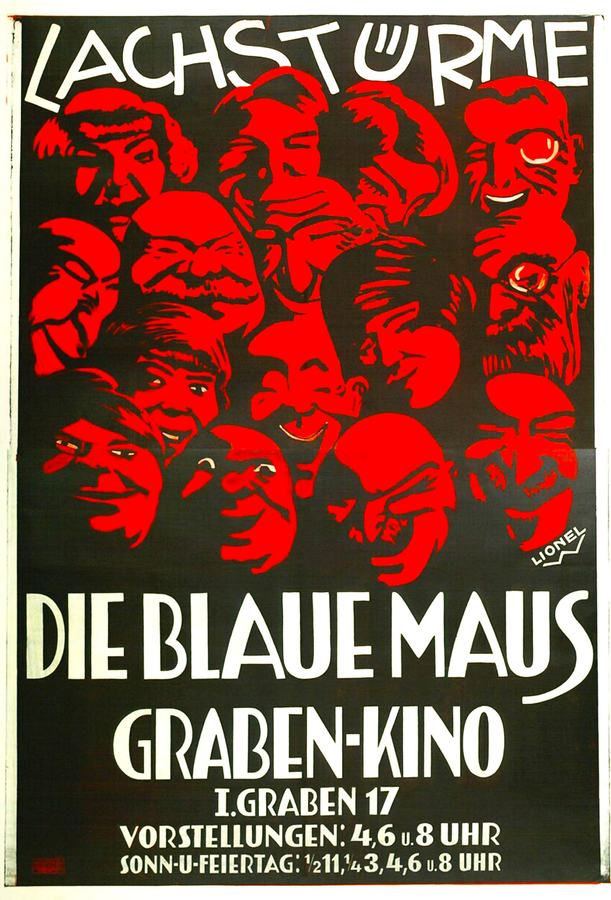
The Blue Mouse—technically Die blaue Maus on its 1913 Berlin premiere poster—scampered into cinemas long before Lubitsch had polished the continental sex-farce to a gleaming razor. Yet here, co-writers Alexander Engel and Julius Horst brandish the same weaponized innuendo, only wrapped in Weimar chiaroscuro and a champagne-bubble score that vanished with the nitrate. What survives is a 42-minute whirl of mistaken addresses, counterfeit wives, and a dowry that functions like a loaded slot machine: keep feeding ambition, maybe the jackpot spills.
Madge Lessing’s Dolly is a kinetic sculpture in bugle-beads and mischief; every eyelash flicker is a contract killer aimed at patriarchal pretense. She never winks at the camera, yet you feel the audience of 1913 leaning forward, smelling her Mitsouko-style rebel musk. Opposite her, Heinrich Peer’s Teddie is less a lovesick clerk than a spreadsheet Svengali, calculating risk with the cold sweat of someone who’s skimmed the company actuarial tables and knows precisely how much infidelity costs per annum.
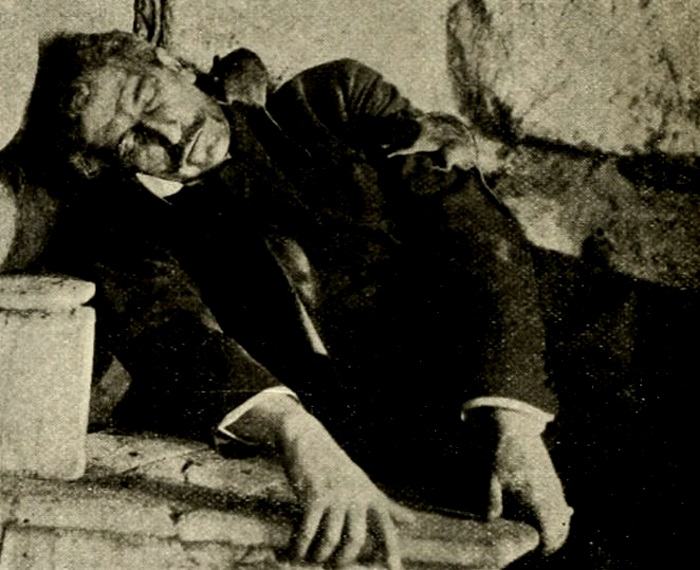
Engel and Horst structure the narrative like a concatenation of insurance riders: each clause—matrimony, promotion, public reputation—seems benign until the fine print detonates. Notice how the first reel spends an eternity on bureaucratic corridors: desks, rubber stamps, pneumatic tubes whooshing policies into oblivion. The camera rarely moves; it frames characters through doorways so that authority is literally architectural. Once Dolly steps into Teddie’s life, the same rigid frames tilt, mirroring moral slippage. By the final act, rooms explode into baroque clutter—ottomans overturned, curtains flung open—mirroring a ledger nobody can balance.
And then, the auction: a Brechtian carnival where household trinkets become confessional booths. The band plays a can-can; prospective buyers sip lukewarm punch while the Blue Mouse’s creditors snicker behind fans. It’s German silent cinema at its most sardonic—consumerism devouring its own icon before the paint has dried.
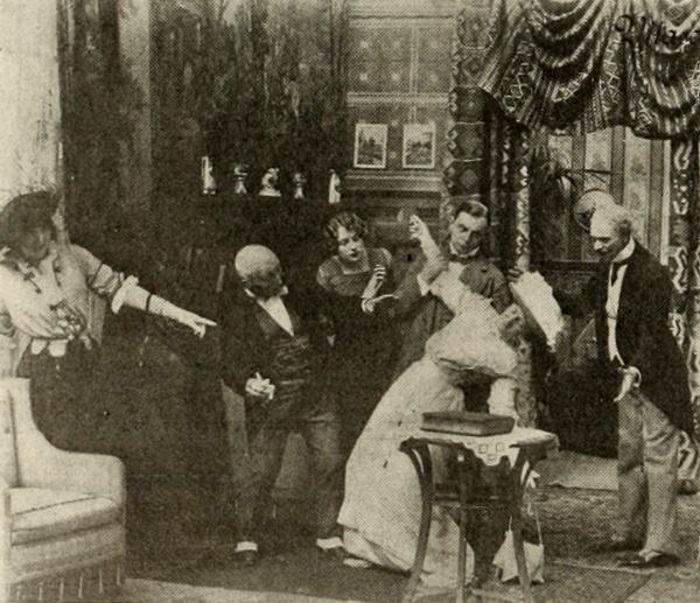
Lessing owns every frame not through vamp excess but through calibrated absence: she withholds sincerity until the instant it wounds. Watch her eyes when Bock squeezes her hand—two seconds of blankness, then a smile that arrives like a stiletto. The gesture is smaller than a Louise Brooks eyebrow arch, yet you sense the entire hierarchy of Weimar gender politics capsizing.
Peer, by contrast, externalizes panic; his Adam’s apple becomes a metronome counting down disgrace. In the penultimate scene, when both women confront him in the townhouse, his body folds inward like a deflated bourse, epitomizing the petite-bourgeois terror of scandal more than any intertitle could articulate.
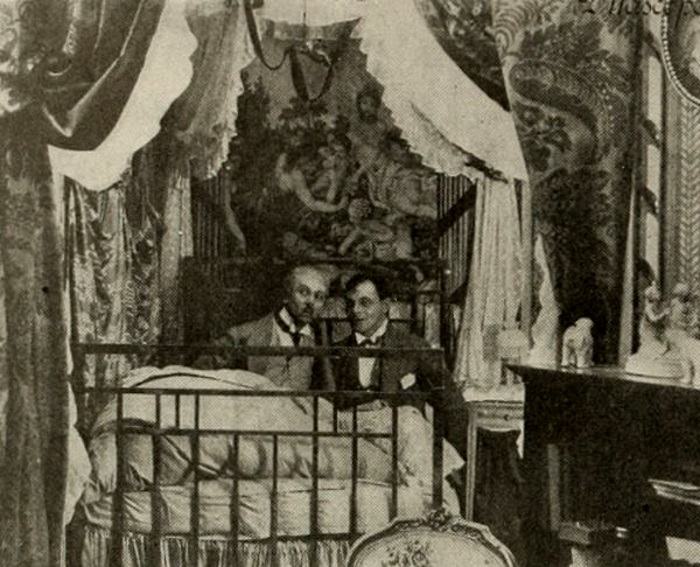
Restoration footage (Deutsche Kinemathek, 2018) reveals tinting strategies that turn each reel into mood synopses: office scenes swim in cold petrol blue; Dolly’s boudoir glows amethyst; the outdoor driving sequences pulse with citrine, like champagne held to sunlight. The restored contrast ratio sharpens shadows to obsidian, letting candlelight flicker with the color code #EAB308, a recurring visual pun on the film’s title. These hues are more than ornament; they forecast character arcs the way gold edging foreshadows sunrise.
Beneath the froth lies a scalding thesis: matrimony has become just another speculative instrument. Clara’s dowry is pegged to Teddie’s promotion the way a stock option vests; Dolly’s body is leased like a time-share; Bock’s libido is the invisible hand reallocating desks. The film refuses to moralize—nobody is punished in a courtroom or struck by providential lightning. Instead, the market absorbs the deception, re-prices the commodity, and moves on. The final intertitle, often missing from circulated prints, reportedly reads: “The company balance, like love, balances only if no one inspects too closely.” A century later, post-2008 audiences may hear that line and wince.
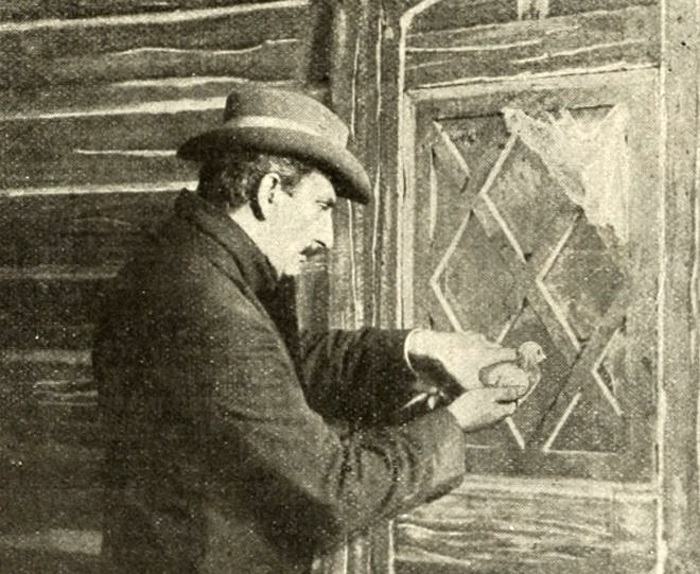
Released the same year as the propaganda fresco The Independence of Romania and the biblical tableau From the Manger to the Cross, The Blue Mouse feels heretically secular. Where those epics trade in national destiny and sacred guilt, this film whispers: destiny is merely middle-management vanity, and guilt has a price—£200, to be exact. Its DNA resurfaces later in Lubitsch’s The Oyster Princess and Wilder’s One, Two, Three, but the mouse stays leaner, meaner, blissfully unencumbered by redemption arcs.
At 42 minutes, the picture clips along like a commuter rail, yet it lingers in the mind the way a fleeting citrus perfume haunts an elevator. Contemporary streamers, drunk on eight-episode arcs, could learn brevity from Engel’s ruthless scene surgery: exposition delivered via a single dissolve; climax detonated in a doorway; epilogue whispered through an auctioneer’s gavel. The result is a film that feels simultaneously antique and Tik-Tok terse.
The Blue Mouse is a miniature masterpiece of pre-Weimar cynicism, a film that knows every ledger hides a love letter and every love letter is negotiable. Seek the 2018 restoration, project it on the largest screen you can commandeer, and let its amber shadows remind you that the most dangerous cons are those we underwrite ourselves.
— Cinephile noir since the nitrate days

IMDb 6
1919
Community
Log in to comment.