DbcultAccessing Vault...
Cult Review
Senior Film Conservator
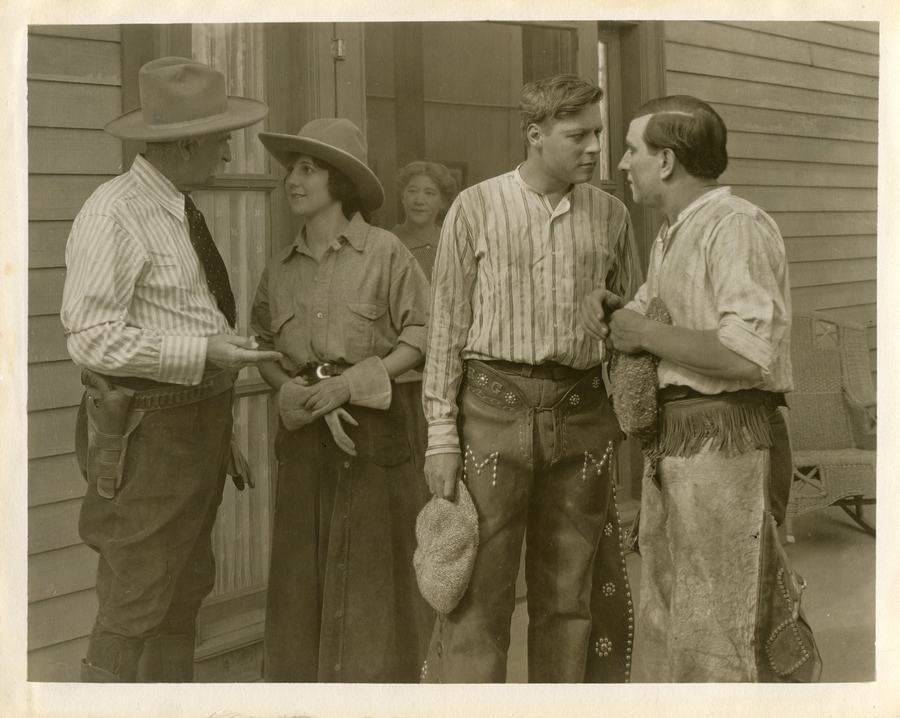
Imagine, if you can, the nickelodeon curtains parting in 1917 to reveal not another cardboard saloon but a gilded ballroom where chandeliers drip like frozen cognac—only to yank that splendor out from under our loafers and hurl us hooves-first into alkali dust. Under Handicap is that cinematic switchblade: a film whose very title taunts its protagonist, Greek Conniston, with the aristocratic insult of having to earn oxygen. Director Fred J. Balshofer, never one to flirt with subtlety when a thunderclap will do, opens on a yacht-rock soirée so opulent you can almost taste the illegal champagne, then smash-cuts to a westbound rattler where the heir apparent is handed a pickaxe instead of a silver spoon. The tonal whiplash is intentional; it is the American myth compressed—idle wealth scalded by frontier necessity.
Criterion-channel cinephiles often treat silent Westerns as relics relegated to the barnstormer circuit—fun, yes, but schematic. Yet Under Handicap refuses to stay in that nostalgic corral. Its DNA splices danger-trail peril with boardroom melodrama, anticipating the corporate skullduggery we’d later savor in The Serpent or the class-comeuppance comedy of The Marriage of Kitty. But unlike those urbane parlor games, this story wagers its thrills on a titanic clash between hydraulic concrete and human treachery.
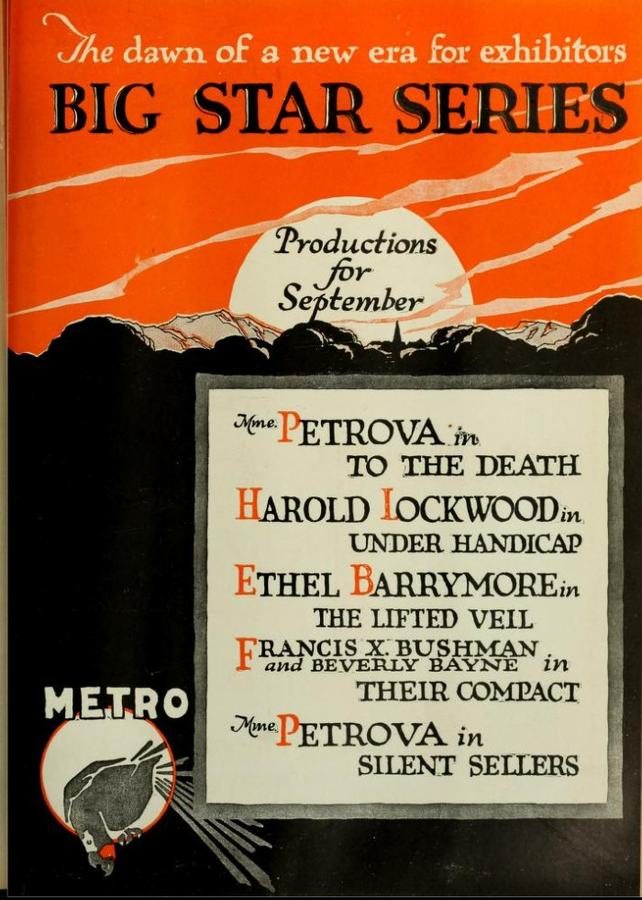
Harold Lockwood, matinee idol whose life would be cut cruelly short by influenza the following year, plays Greek Conniston with the insouciant twinkle of a man who has never browsed a price tag. Watch the way his shoulders inhabit a tuxedo—loose, almost bored—then compare that to the stiffened sinews beneath sweaty chambray once he’s roped into ranch work. Lockwood’s physical vocabulary evolves without the aid of spoken syllable; eyebrows that once arched in pampered amusement now tighten into surveyor squints, measuring terrain like a man calculating interest on humiliation.
Opposite him, Ann Little’s Argyl Crawford radiates flinty magnetism. She is no school-marmish archetype waiting to be rescued; her first close-up—wind-whipped hair across a sunburnt clavicle—could ignite nitrate. Argyl’s agency is the film’s stealth revolution: she chooses Greek not when he brandishes daddy’s wallet but when he withstands a dust-choked stampede to save a foal. The courtship is courtly yet feral, like a tango performed on a fault line.
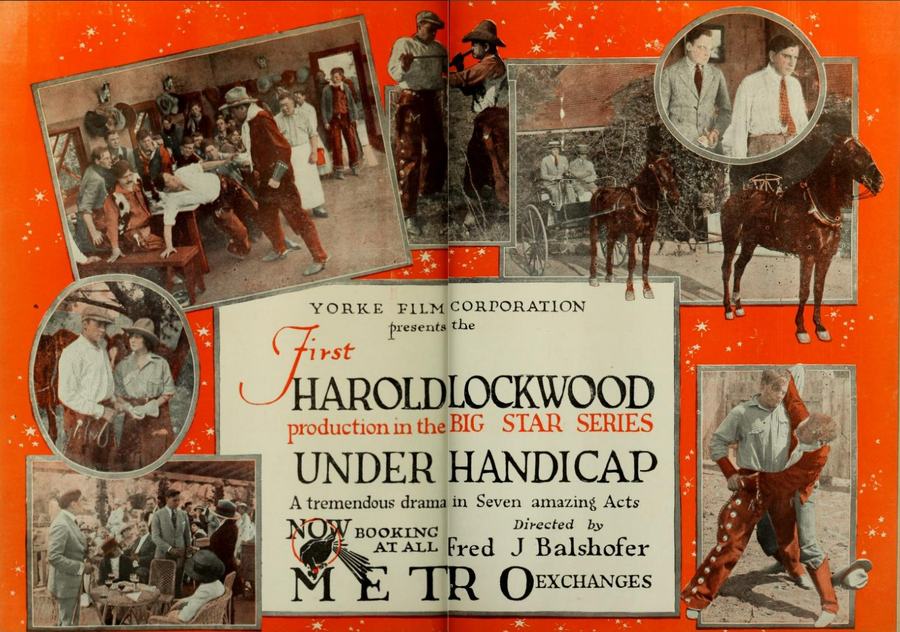
Roger Hapgood, essayed by James Young Deer (one of the earliest Native American directors, here moonlighting as an actor), supplies the narrative’s moral counterweight. Where Greek transforms, Roger calcifies—an urbane Iago seduced by stock-option silver. His betrayal stings precisely because the screenplay gifts him sardonic charm; you half-root for his oily gambits until the fuse hiss of sabotage reminds you that progress, like dams, is only as strong as its weakest conscience.
In 1917 America, irrigation dams were secular cathedrals—promises that Manifest Destiny could be engineered retroactively. The fictional Crawford dam shoulders that national delusion: a thousand tons of concrete tasked with turning desert into Eden. Cinematographer William H. Tuers captures its construction in vertiginous long shots where men scurry like ants on a colossal altar. Each frame throbs with the era’s Tesla-coil faith in technology, yet the film slyly interrogates that faith. When corporate goons purchase Bat Truxton’s loyalty, the dam’s foundation becomes a ledger where ethics are written in disappearing ink.
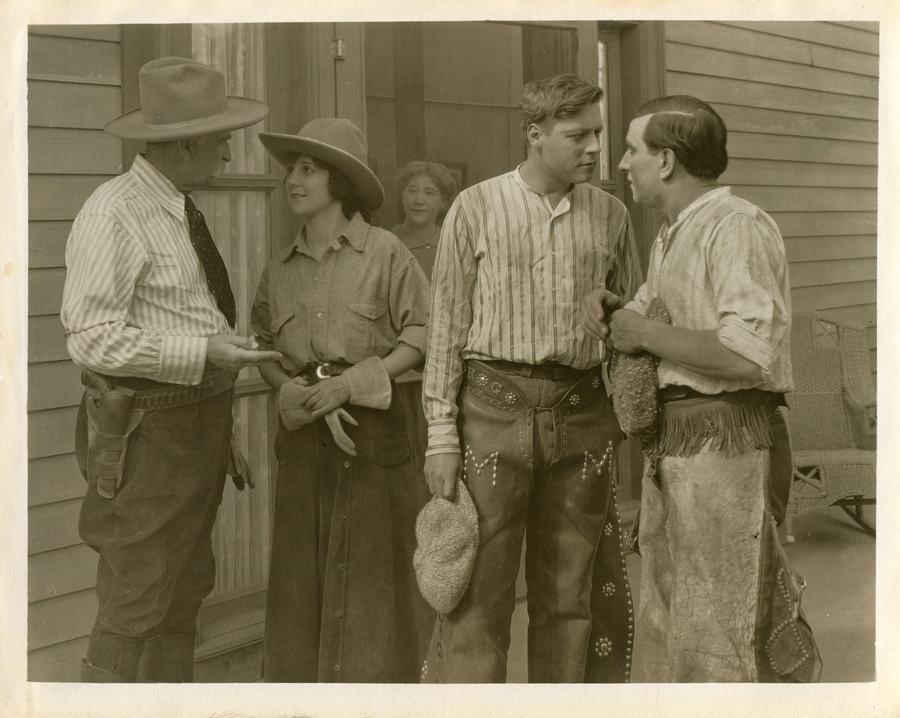
The detonation sequence—an inferno of dust geysers and splintered timber—rivals the pyrotechnic climaxes of modern disaster porn. But Balshofer lingers not on spectacle alone; he cuts to Greek’s mud-streaked face, eyes reflecting both crater and conviction. Here the film whispers its most subversive credo: rebirth is inseparable from ruin. The valley’s future is literally poured, bucket by back-breaking bucket, from the debris of privilege.
Richard V. Spencer’s intertitles crackle with dime-novel pungency: “The desert wind carries the stink of graft.” Each card arrives hand-in-hand with a visual echo—say, a close-up of vultures circling the dam site—so that text and image perform a duet rather than a lecture. Meanwhile, tinting strategies semaphore mood: amber for ballroom decadence, cobalt night-for-night when Greek sabotages the saboteurs, and a bruised sepia for the post-blast wasteland. Modern viewers conditioned to Technicolor rainbows may scoff, but these chromatic pulses function like emotional synapses firing across a century’s divide.
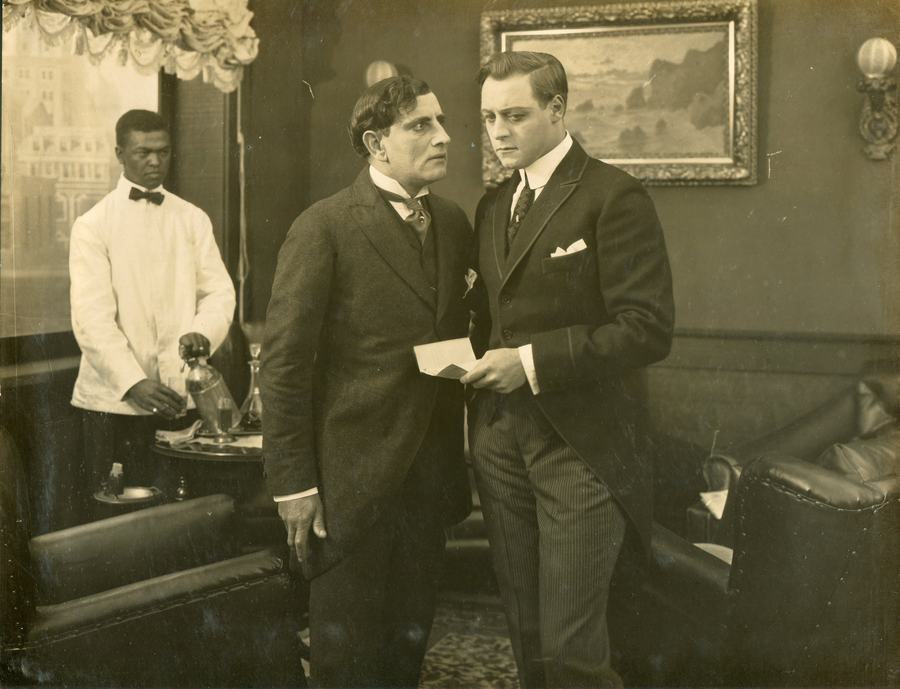
Note also the film’s chiaroscuro duel during the fistfight between Greek and Brayley. Shadows stretch across the barn’s straw like spilled ink, bodies flicker between visibility and void—a ballet of negative space that anticipates the noir grammar of the ’40s. Silent cinema, unfettered by dialogue’s exposition, often achieved such visual metaphors first; Under Handicap is a masterclass in saying power without uttering it.
While contemporaries like Nina, the Flower Girl traded in fragile femininity, Argyl wields a rifle as naturally as a riding crop. She initiates the courtship—inviting Greek to a branding campfire with the offhand dare, “Let’s see if your hands know more than champagne flutes.” The line, delivered via intertitle, lands like a gauntlet. Later, when corporate thugs attempt to kidnap her as leverage, she engineers her own escape by setting their horses loose, a maneuver that pivots the plot and saves Greek’s life. In doing so the film quietly reframes the Western’s gender ledger: woman not as reward but as co-architect of Manifest Destiny.
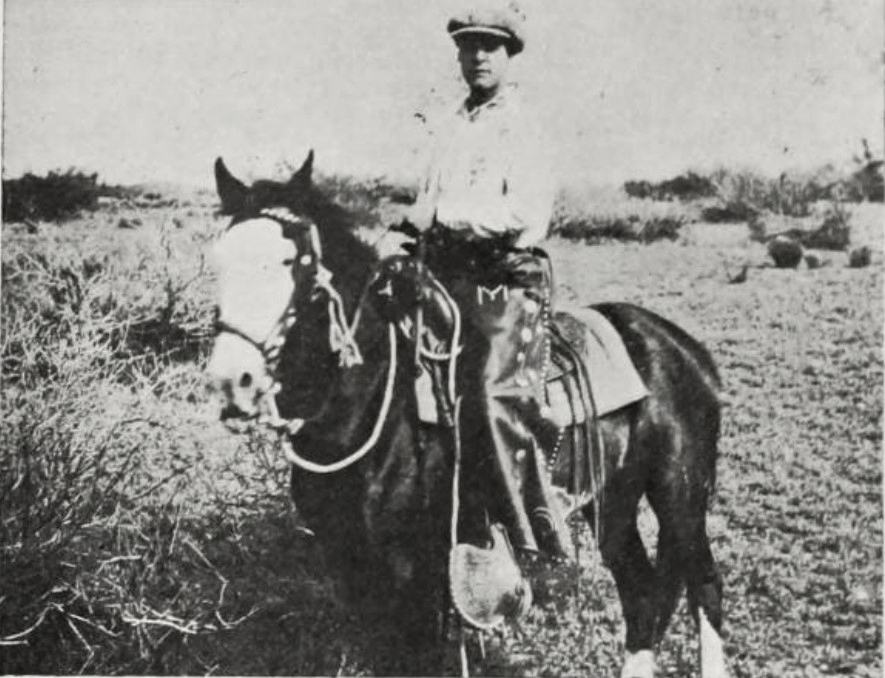
Surviving prints are scattered and, infuriatingly, often projected without musical accompaniment—an omission akin to serving filet mignon sans seasoning. Recent restorations (UCLA’s 2018 2K scan) have commissioned new scores: a Copland-esque suite for chamber orchestra that underlines the agrarian optimism, plus percussive interpolations evoking clanging rail spikes. If you catch a museum screening, insist on these versions; silence should be a dialectical choice, not a curatorial oversight.
As of this writing, no major streamer hosts Under Handicap—a cultural felony. Your best bets: specialty Blu-ray labels (Grapevine, Kino Lorber) periodically bundle it in silent-Western box sets; eBay auctions for 16mm educational prints (expect vinegar-syndrome checks); or the Library of Congress’ Mostly Lost workshop where missing reels occasionally surface. Pro-tip: follow the hashtag #UnderHandicap on film-tech forums; collectors trade 4K phone-captures from rare archival screenings.
Place Under Handicap beside At the Front with the Allies and you see two Americas: one drunk on trench-war propaganda, the other re-imagining its own topography. Pair it with Going Straight and the thematic rhymes are uncanny—both heroes seeking moral restitution through manual labor, both narratives skeptical of inherited capital. Yet where Builders of Castles mythologizes domesticity, Under Handicap dynamites it, arguing that home is something you engineer, plank by concrete plank.
Because we, too, live in an age of inherited plutocracy and ecological brinkmanship; because dams still break—physically and morally—when profit trumps stewardship. Under Handicap is both artifact and alarm, a rip-roaring yarn that dares to suggest redemption demands blisters, not bailouts. It deserves restoration, midnight screenings, and a seat at the table where we debate what kind of ancestors we want to become. Go find it, project it, argue over it. The desert wind still carries the stink of graft—but also the scent of possibility.
IMDb —
1920
Community
Log in to comment.