DbcultAccessing Vault...
5.8/10
Senior Film Conservator
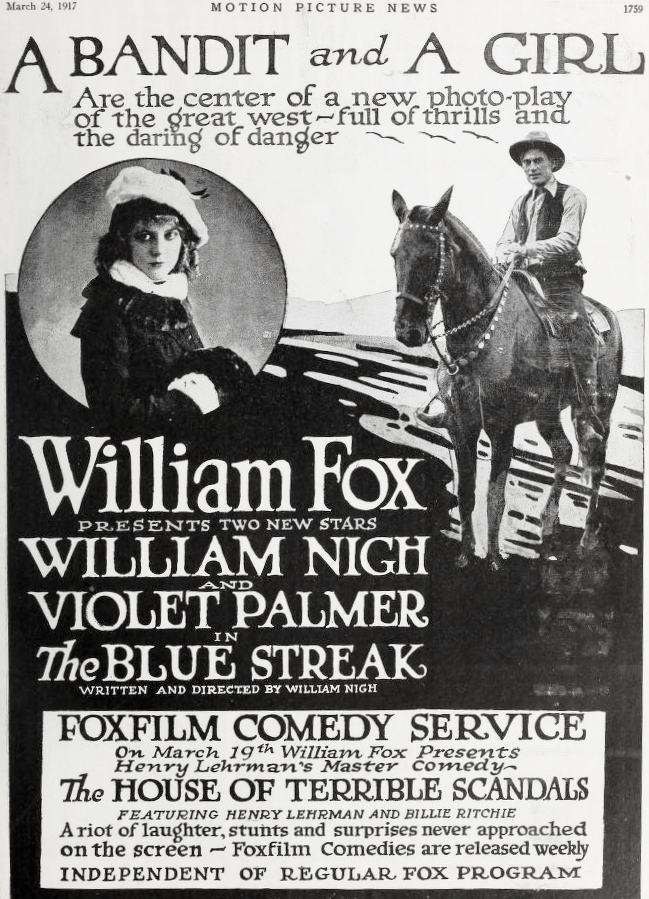
A definitive 5.8/10 rating for a film that redefined the boundaries of cult cinema. The Blue Streak remains a cornerstone of transgressive art.
In the nascent years of cinema, when storytelling was an art of grand gestures and expressive silences, a film like William Nigh's 'The Blue Streak' emerged as a potent distillation of the American frontier mythos. Released in 1917, this silent Western isn't merely a relic of a bygone era; it's a vibrant tapestry woven with threads of personal transformation, misguided heroism, and the raw, untamed spirit of a nation still finding its cinematic voice. To approach 'The Blue Streak' is to engage with a narrative that, while perhaps simplistic by contemporary standards, pulsates with an earnest dramatic energy, reflecting the moral complexities and adventurous spirit that defined early 20th-century entertainment.
At its heart, 'The Blue Streak' is a compelling character study, charting the radical evolution of a protagonist who shuns a life of inherited opulence for the untamed freedom of the West. Our titular hero, initially an unnamed millionaire's son, embodies the classic archetype of the privileged youth seeking purpose beyond his gilded cage. This initial phase of his journey, though largely implied, sets the stage for his dramatic rebirth. Driven from the comforts of his home, he doesn't merely relocate; he reinvents himself, honing a remarkable agility and speed—both on foot and horseback—that earns him the legendary moniker 'The Blue Streak.' This transformation is not just physical; it's a spiritual awakening, a shedding of societal constraints in favor of a self-forged identity. It's a narrative arc that resonates with themes explored in other tales of societal rejection and personal reinvention, perhaps echoing the dramatic shifts seen in characters from films like The Crime and the Criminal, where individuals are thrust into new circumstances that redefine their moral compass.
Tom Cameron's portrayal of 'The Blue Streak' is central to this narrative's success. In the absence of dialogue, Cameron relies heavily on physical presence and exaggerated expressions, a common but effective technique in silent cinema. He imbues the Streak with a restless energy, a blend of youthful impulsiveness and burgeoning moral conviction. His quick draw and equestrian prowess are not just plot devices; they are extensions of his reformed character, symbols of his newfound competence and self-reliance. This focus on action and physical skill as markers of character is a cornerstone of the Western genre, a tradition that 'The Blue Streak' embraces with gusto.
The narrative truly ignites when the Streak arrives in Sterling, a town that serves as a microcosm of frontier life, complete with its own set of rules and unwritten codes. His entry into the saloon, the quintessential meeting place of the era, immediately plunges him into a volatile situation. He witnesses what he perceives as a coerced marriage between 'The Fledgling,' the saloon proprietor's daughter, and a nefarious gambler. This moment is pivotal, showcasing the Streak's inherent, albeit sometimes misguided, sense of justice. With a dramatic flourish, he intervenes, covering all present with his revolver, a bold act of 'rescue' that, ironically, leads to his own abduction of the girl. This sequence highlights a fascinating paradox: the hero, in his haste to right a perceived wrong, becomes an abductor himself. It's a testament to the film's willingness to explore the blurred lines between heroism and lawlessness that often characterized the frontier.
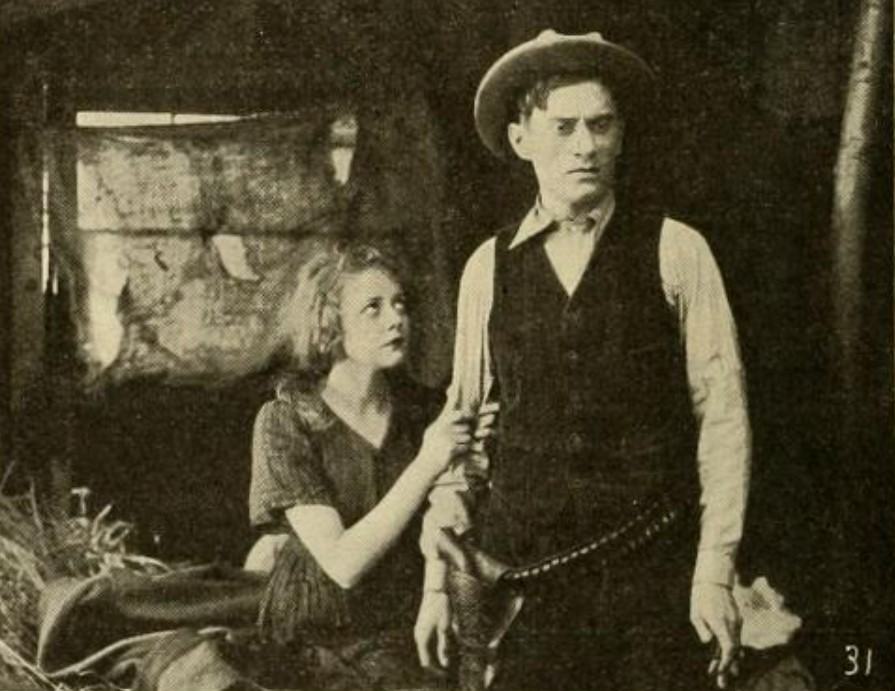
Ruth Thorp's 'The Fledgling' is a character of surprising depth, particularly given the constraints of silent film portrayal. Initially presented as a damsel in distress, her journey reveals a woman with agency, albeit one caught in the currents of circumstances beyond her immediate control. Her initial helplessness morphs into quiet defiance and, eventually, a powerful assertion of truth. The misunderstanding at the heart of the plot—the Streak's conviction that the gambler had wronged her—is a classic dramatic device, creating tension and allowing for a gradual reveal of character and motivation. This thematic thread of misunderstanding and its dramatic consequences can be seen in other contemporary films like The Girl Who Doesn't Know, where mistaken identities or misinterpretations drive much of the plot's emotional weight.
Once at his secluded retreat, the Streak is assailed by a sudden, profound doubt. His initial, impulsive heroism gives way to a moral quandary: what if he has interfered with retribution? What if the gambler truly wronged 'The Fledgling,' and his 'rescue' has only compounded her suffering? This moment of introspection is crucial, elevating the Streak beyond a simple action hero to a character grappling with the complexities of justice. His subsequent furious ride back to Sterling to apprehend the 'miscreant' is driven not by pure malice, but by a distorted sense of rectifying his perceived error. This pursuit of personal justice, often outside the bounds of established law, is a recurring motif in Westerns, where the individual's moral code frequently supersedes official decrees.
The climactic confrontation with the gambler, a hard-fought struggle, and the subsequent forced marriage ceremony orchestrated by the Streak with a parson in tow, are fraught with dramatic irony. The Fledgling's desperate protestations of the gambler's innocence fall on the deaf ears of a man convinced of his own righteous path. This scene, particularly for a modern audience, is deeply unsettling, highlighting the dangers of unchecked zeal and the patriarchal assumptions of the era. The forced ceremony, even if ultimately fake, underscores the vulnerability of women in a society where their voices could be so easily dismissed. It’s a stark reminder of the social dynamics that often underpin even the most adventurous narratives, a theme that, in a different context, might be explored in melodramas like Under the Gaslight.
William Nigh, as both writer and director, demonstrates a keen understanding of silent film's unique demands. The narrative's brisk pacing, especially during the numerous horseback sequences and the final chase, is a testament to his directorial vision. The film effectively conveys speed and urgency without relying on dialogue, utilizing dynamic camera angles (for its time) and rapid editing. The vast, sweeping landscapes of the West are not just backdrops; they are active participants in the drama, emphasizing the isolation of the characters and the formidable challenges they face. The visual language of 'The Blue Streak' is one of constant motion, reflecting the protagonist's own restless spirit. This reliance on visual spectacle and a sense of relentless pursuit aligns it with other action-oriented films of the period, where car chases or train robberies (though not present here) would drive similar excitement, such as the dramatic escapes often depicted in The Scarlet Car.

The acting, typical of the era, relies on broad, expressive gestures and facial contortions to convey emotion. While this can sometimes appear melodramatic to contemporary eyes, it was the primary mode of communication for silent performers. Tom Cameron's 'Blue Streak' is a whirlwind of intense stares and resolute actions, while Ruth Thorp's 'Fledgling' skillfully navigates a spectrum from distress to defiance, her silent pleas often more potent than any spoken word. The supporting cast, including Ned Finley as the gambler and Bert Gudgeon as the partner, provide solid, if less nuanced, performances, effectively serving their narrative functions as antagonist and confidante, respectively.
The arrival of the posse, a direct consequence of the Streak's earlier 'escapades,' injects a new layer of urgency into the narrative. Faced with imminent capture, the Streak prepares for surrender, a moment of profound vulnerability for a character defined by his speed and independence. It is here, at the precipice of his downfall, that 'The Fledgling' finally breaks through his stubborn misconceptions. Her desperate plea for him to flee, coupled with her heartfelt explanation of the gambler's true innocence and her burgeoning feelings for the Streak, is the emotional fulcrum of the entire film. This moment of truth is both a revelation for the Streak and a powerful assertion of the Fledgling's agency, transforming her from a passive object of rescue into an active participant in their shared destiny. It's a satisfying, if somewhat abrupt, resolution to the central misunderstanding, allowing the audience to witness the emotional payoff of the prior dramatic tension.
The image of the Streak lifting her onto his horse and dashing off, to begin life anew in his old home, is a classic romantic Western trope. It signifies not just an escape from the law, but a spiritual return, a reconciliation with his past, and the promise of a future forged together. This ending, while perhaps idealistic, provides a comforting sense of closure, asserting the triumph of love and understanding over misunderstanding and impulsive action. It speaks to the enduring appeal of stories where redemption is found not in isolation, but in connection with another, much like the transformative journeys often depicted in films such as Life's Whirlpool, where characters navigate tumultuous personal crises to find new beginnings.
'The Blue Streak' is more than just an entertaining Western; it's a valuable historical artifact, offering insights into the cinematic conventions and narrative preoccupations of its era. It showcases the burgeoning sophistication of silent filmmaking, particularly in its use of visual storytelling, character archetypes, and the construction of dramatic tension. While the acting styles and plot devices might seem quaint to a contemporary viewer, they are essential to understanding the evolution of film as an art form and a mass medium. The film's emphasis on action, adventure, and moral dilemmas, all wrapped in a romanticized vision of the American West, speaks to the enduring appeal of these themes across generations.
Its place within the broader context of early cinema is significant. It stands as an example of how filmmakers like William Nigh were experimenting with genre conventions, pushing the boundaries of what could be conveyed without spoken dialogue. The film's exploration of justice, personal honor, and redemption, even with its narrative eccentricities, offers a compelling window into the values and anxieties of the time. For enthusiasts of film history, 'The Blue Streak' serves as a reminder of the foundational narratives that shaped the cinematic landscape, influencing countless films that followed. It reminds us that even in its infancy, cinema had the power to captivate, challenge, and transport audiences to worlds both familiar and fantastical.
In conclusion, 'The Blue Streak' is a fascinating journey back to the roots of the Western genre. It's a film that demands a certain appreciation for its historical context, but rewards viewers with a spirited narrative, memorable characters, and a thrilling exploration of a man's quest for identity and redemption. Its blend of action, romance, and moral introspection makes it a compelling watch, proving that even a century later, the silent screen can still tell a powerful story, racing into the heart of timeless human experiences with the speed and precision of its eponymous hero.
IMDb —
1925
Community
Log in to comment.