DbcultAccessing Vault...
6.3/10
Senior Film Conservator
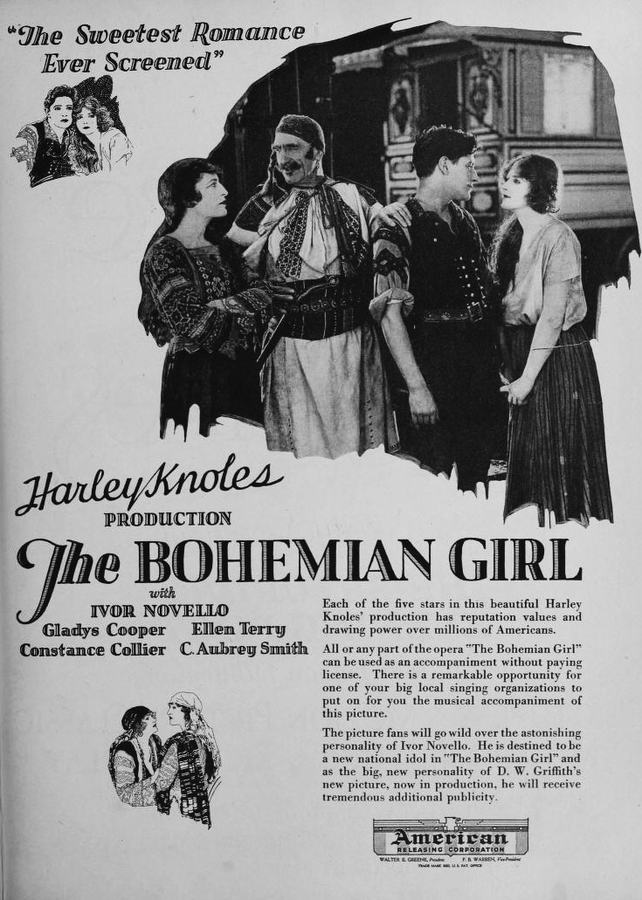
A definitive 6.3/10 rating for a film that redefined the boundaries of cult cinema. The Bohemian Girl remains a cornerstone of transgressive art.
A canvas of nitrate dreamscape—where cigar-smoke fog merges with violin resin—The Bohemian Girl survives as a spectral waltz between orientalist fantasy and post-war disillusion. Harley Knoles, ever the cosmopolitan showman, filters Michael William Balfe’s 1843 opera through the prism of post-Victorian melodrama and the newly-liberated camera.
Ivor Novello’s face—half cadet, half incubus—commands close-ups that glow like hand-tinted cameos. When he sheds the crimson cummerbund of a Polish captain for a gypsy’s sash, his shoulders seem to exhale privilege into campfire smoke. Constance Collier, statuesque and commanding every ounce of negative space, embodies the Countess whose maternal tremor barely masks iron resolve; her silent-film vocabulary of lifted chins and gloved restraint deserves a graduate seminar.
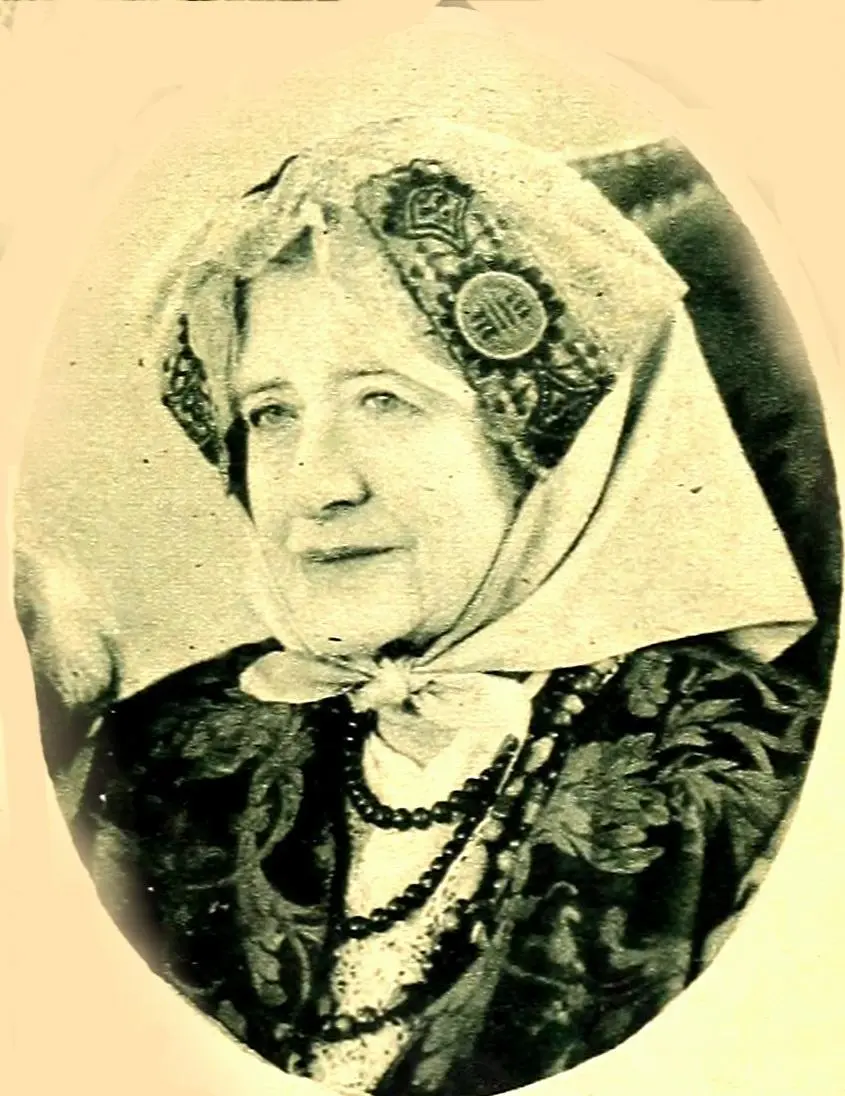
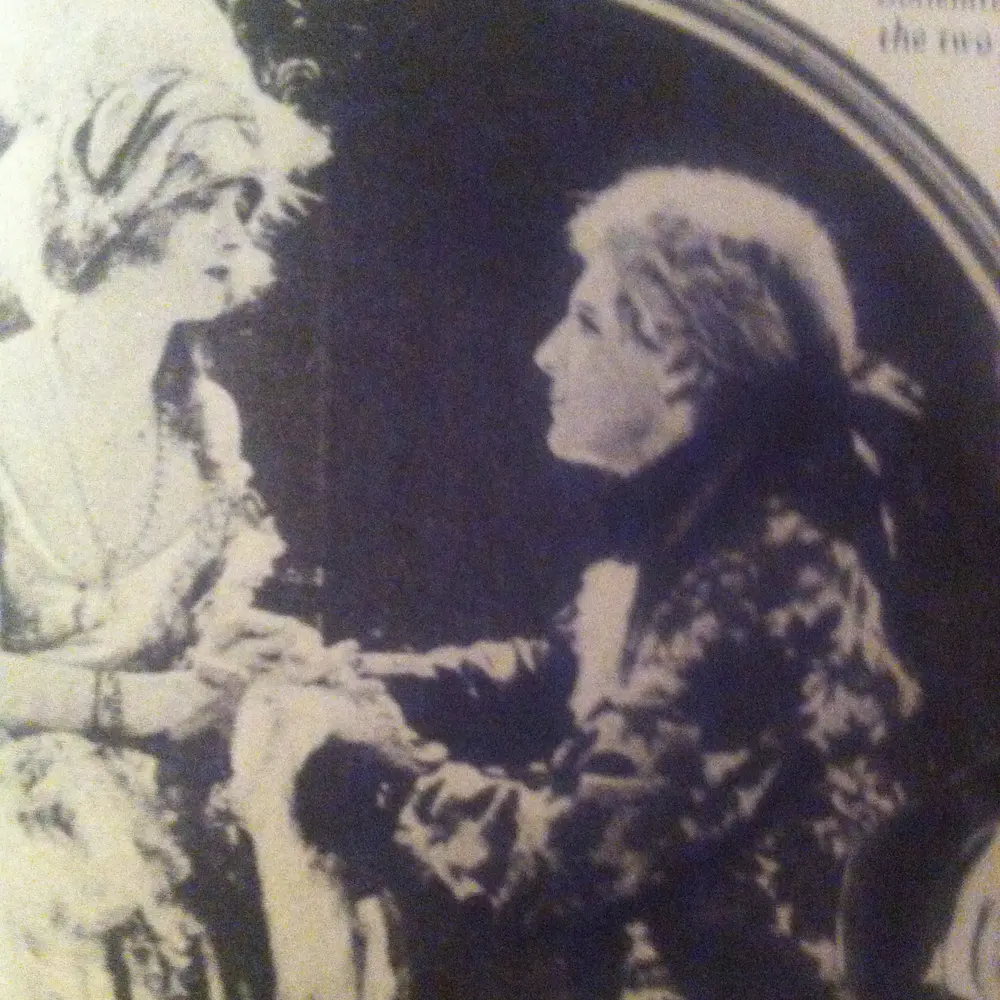
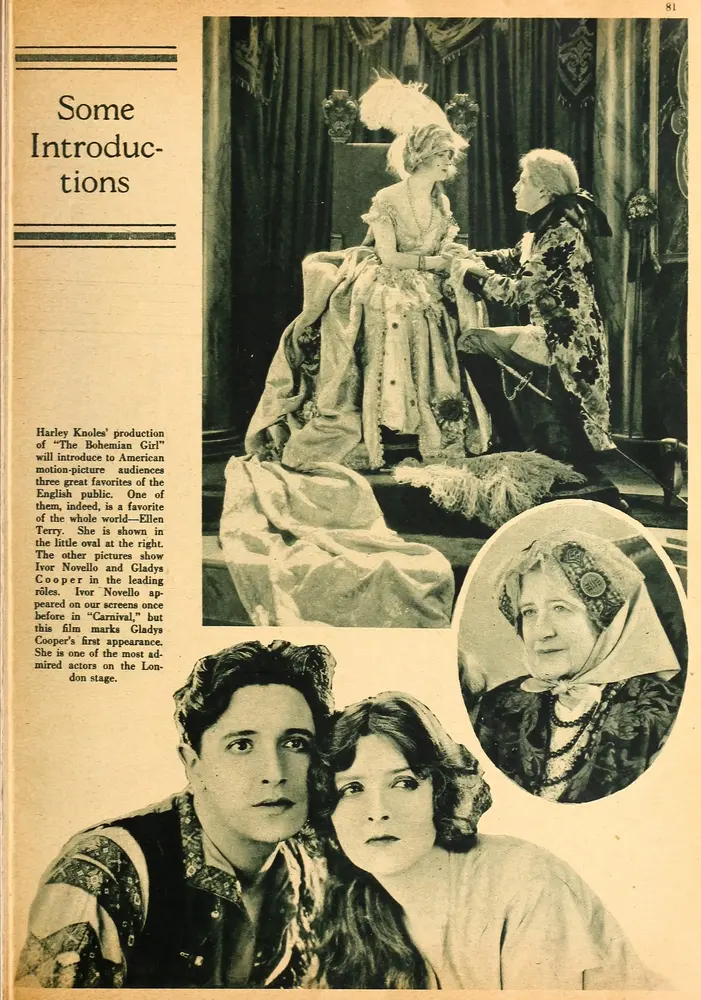
Ellen Terry, in a late-career cameo, drifts through interiors like a parchment ghost, eyes luminous with pre-Raphaelite sorrow. The film’s tinting oscillates between ambers of nomad dusk and cyan of aristocratic dawn; each tonal switch feels like turning a stained-glass page in a missal.
Forget the proscenium—Knoles fractures space with Expressionist doorways that yawn like verdicts. A single iris-in reveals Zinga’s birthmark, a roseate fleck beneath the collarbone, and suddenly the entire plot hinges on epidermal heraldry. Cross-cutting between ballroom chandeliers and caravan torches creates a dialectic of domination: empire vs. exile, silk vs. calico.
The screenplay, credited to an unholy trinity of Victorian librettist Alfred Bunn, Spanish titan Cervantes (via interpolated novella fragments), and scenario editor Rosina Henley, layers picaresque wit onto bel-canto bones. Dialogue is banished; intertitles arrive like haikus carved on parchment:
“His oath was to the eagle; his heart, to the owl that sings at midnight.”
That line alone could ignite a PhD on imperial masculinity.
Novello’s smirk, equal parts Rupert Brooke and silent-era Byron, carries the moral ambiguity modern viewers crave. When he serenades Zinga with a mute violin—soundtrack supplied by the cinema’s resident maestro—his bow arm evokes semaphore, not music; yet the illusion thrills.
Opposite him, the gypsy girl (played by Ukrainian émigré Jane Novak, though some prints mis-credit Gladys Cooper) oscillates between doe-eyed trust and feral cunning. Notice her hands: when she believes the hero a vagabond, fingers flutter like moth-wings; once she learns of his commission, digits knot into cathedral stone.
Cinematographer Hal Young bathes interiors in aquamarine nitrates, making marble seem submerged. Exterior gypsy encampments glow ember-orange, the celluloid equivalent of Caravaggio chiaroscuro. Spot the moment when a copper pot catches a stray beam: it flares like a Protestant halo, foreshadowing the heroine’s nobility revealed.
Motion is choreographed as if every extra were conservatory-trained: skirts flare on the off-beat, boot-heels land on the down-stroke of some invisible baton. The result is operatic pantomime—silent yet singing.
Though talkies were still five years distant, Knoles commissioned a symphonic score cue-sheet shipped with every print. Exhibitors could opt for a 40-piece orchestra; humble nickelodeons settled for a sole pianist. Listen for the modulation from “I Dreamt I Dwelt in Marble Halls” into a minor-key Hungarian czardas; it mirrors the lovers’ social whiplash.
Colonial anxieties ooze through every frame. The Polish officer’s orders come from a Habsburg bureaucracy terrified of Carpathian insurrection. Masquerading as Rom, he infiltrates a people already policed, already exoticized. Yet the film flips the gaze: gypsy women outwit him, filch his medals, sell his sabre for scrap. Zinga’s eventual pedigree twist—aristocrat raised as nomad—critiques eugenics long before the word hit cinema lexicons.
Place The Bohemian Girl beside Get Your Man, where Clara Bow flirts with aristocratic kidnappers, and you’ll see parallel class tensions resolved through screwball rather than pathos. Contrast it with Sauce and Senoritas—its Latin exoticism more flamenco than Transylvanian—or the cliff-hanging serial The Exploits of Elaine, which trades emotional nuance for rooftop derring-do. Knoles’ film lands closer to Midsummer Madness in its pastoral lyricism, yet anticipates the masquerade ball trope later fetishized in The Stealers.
A 4K restoration by the EYE Filmmuseum in 2019 salvaged 19 minutes once believed lost, pieced from a decomposed Czech print and a mislabeled reel discovered inside an Argentinean accordion case. The current Blu-ray (Region-free, courtesy of ShadowSilents) offers both sepia and sapphire tints selectable via remote, plus a new score by Kronos Quartet that replaces bel-canto romance with pulsating minimalism. Stream on Criterion Channel during their Silent Summer cycle, or rent via Metrograph Virtual.
In an age when identity is curated like an Instagram grid, a century-old meditation on self-invention feels eerily prescient. The film neither endorses imperial deceit nor romanticizes Roma marginality; instead it stages collision, lets sparks illuminate both oppressor and oppressed. Its lovers flee across a frontier that could be geopolitical or ontological—perhaps both. That unresolved horizon lingers longer than any CGI spectacle today.
Score: 9/10 — A nitrate miracle deserving a campfire of fresh eyeballs.
If you relish masquerades with moral stakes, chase this with The World, the Flesh and the Devil (1914) or the gender-bending antics of Sex (1920). Then debate me in the comments: does the officer deserve amnesty, or should Zinga have filched more than his heart?
IMDb 7.1
1936
Community
Log in to comment.